
In response to increasing public dissatisfaction, the UK government announced a review of the student loan system in early 2023, with Education Secretary Gillian Keegan emphasizing the need for a sustainable approach. This review aims to address the rising costs of higher education and the burden of debt on students, particularly as many graduates struggle to repay their loans. Additionally, stakeholders from universities and student organizations are contributing to this important discussion.
As part of this initiative, the government is considering various options, including changes to repayment thresholds and interest rates. The outcome of this review is expected to be revealed by the end of 2023, with stakeholders from universities, student organizations, and financial experts contributing to the discussion.
Moreover, the Labour Party has proposed a plan to abolish tuition fees entirely, arguing that this would make higher education more accessible. This political debate highlights the divergent views on how best to support students while ensuring the financial viability of the education system.
Understanding the background of student loan issues
The issue of student loans in England is deeply rooted in a complex interplay of historical, political, and economic factors. The origins of the current student loan system can be traced back to the late 20th century, particularly the 1998 introduction of tuition fees under the Labour government, which marked a significant shift in the funding of higher education. Prior to this, university education was largely state-funded, allowing for greater access, but with rising costs and economic pressures, the government sought to shift some of the financial burden onto students.
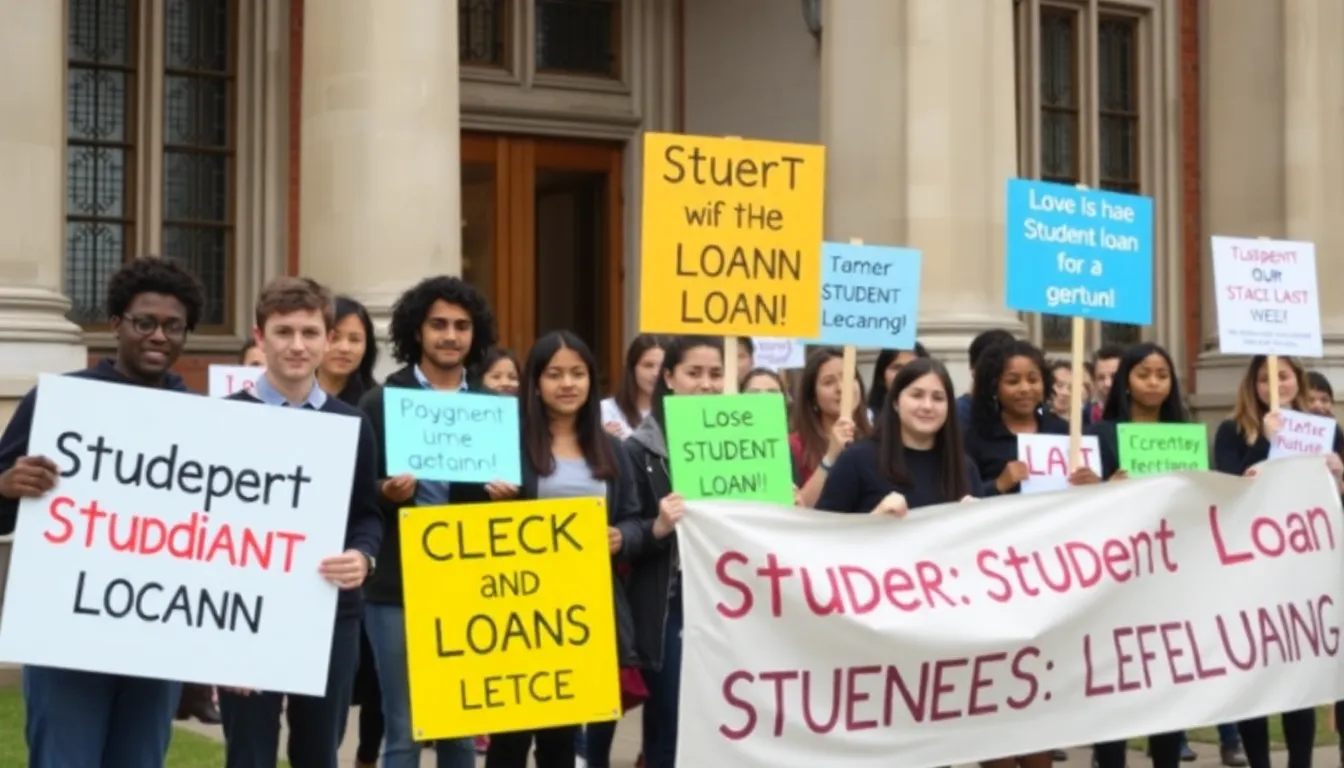
In 2006, the introduction of variable tuition fees further transformed the landscape, allowing universities to set their own fees up to a capped amount. This change was aimed at enhancing the quality of education and increasing competition among universities, but it also led to a significant rise in student debt. By 2012, the Coalition government raised the cap on tuition fees to £9,000 per year, which effectively doubled the financial burden on students and sparked widespread protests and debates about the fairness of the system.
The Economic Implications
The economic implications of student loans have been profound. As tuition fees increased, so did the average debt burden on graduates, leading to concerns about long-term financial stability for young people. Many graduates find themselves in a cycle of debt that affects their ability to purchase homes, save for the future, or invest in other opportunities. The situation has prompted calls for reform, with advocates arguing that the current system disproportionately affects those from lower-income backgrounds, perpetuating inequality in access to higher education and necessitating a thorough review of current policies.
In recent years, the political landscape surrounding student loans has also shifted, with various parties proposing reforms to address the growing crisis. The Labour Party has advocated for the abolition of tuition fees altogether, while the Liberal Democrats have suggested a gradual reduction of fees and increased funding for universities. As public sentiment continues to sway towards the need for change, the government faces mounting pressure to find a viable solution that balances financial sustainability with equitable access to education.
Key stakeholders and issues in the student loan debate
The ongoing discussion surrounding student loans in England involves a diverse array of stakeholders, each with distinct interests and perspectives. Among the primary actors are the government, educational institutions, students and graduates, and financial organizations. Each group plays a crucial role in shaping the policies and outcomes related to student loans, and their roles become increasingly relevant as the topic garners media attention similar to other national discussions.
The government, particularly the Department for Education, is focused on balancing fiscal responsibility with the need to provide accessible education. Their interest lies in reforming the student loan system to ensure it is sustainable while also addressing the growing concerns about student debt levels. This has led to proposals for changes in repayment terms and interest rates, which could significantly impact both current and future students.
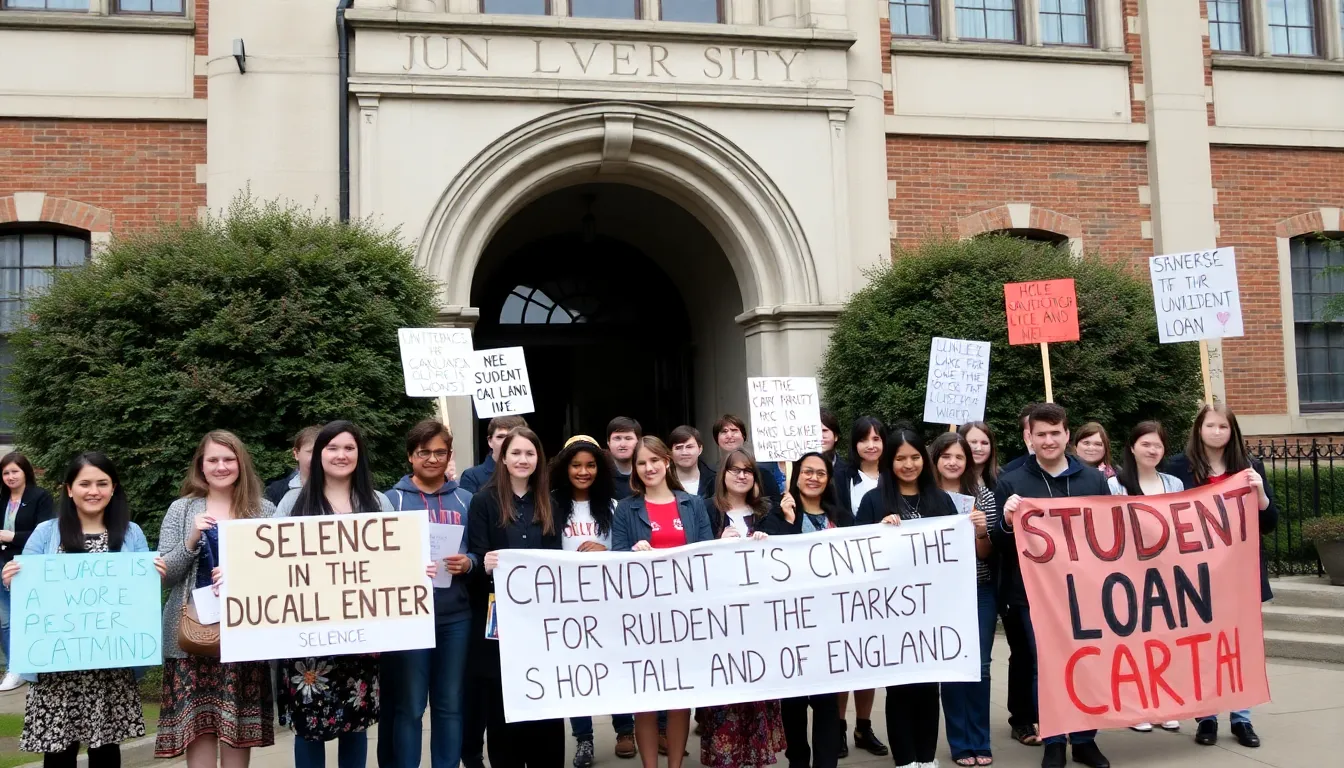
Educational institutions, including universities and colleges, are concerned about how changes to the student loan system may affect enrollment and funding. They advocate for policies that maintain or increase student access to financial aid, as a reduction in loans could lead to decreased enrollment numbers, particularly among disadvantaged groups. This creates a trade-off between financial sustainability for institutions and accessibility for students.
- Students and graduates: Their interests are primarily centered on manageable debt levels and fair repayment terms. Many express concerns about the long-term implications of high student debt on their financial futures.
- Financial organizations: Banks and loan providers are interested in the profitability of student loans. Any changes in government policy could affect their business models and the risk associated with lending to students.
- Advocacy groups: Various organizations advocate for student rights and seek to influence policy to ensure fair treatment of borrowers, highlighting issues such as the burden of debt and the economic impact on young graduates.
Legal issues also play a significant role in the debate, particularly regarding the rights of borrowers and the responsibilities of lenders. As the government considers reforms, it must navigate existing laws that govern student loans and ensure any new policies comply with legal standards. Additionally, economic factors such as inflation and the cost of living directly influence the feasibility of proposed changes, making this a complex issue with far-reaching implications.
Who is affected by the student loan crisis?
The student loan crisis in England has far-reaching consequences that affect various groups, industries, and regions. Primarily, current and former students burdened by loans are the most directly impacted. Additionally, families supporting students and educational institutions also feel the effects of this crisis.
In the short term, the financial strain on graduates can lead to decreased disposable income, affecting their ability to participate in the economy. This may result in lower spending on housing, consumer goods, and services, which can impact local businesses and the overall economy. In the mid-term, the prospect of repaying loans may deter prospective students from pursuing higher education, potentially leading to a decline in enrollment for universities.
The ripple effects extend to industries reliant on a well-educated workforce. Sectors such as technology, healthcare, and engineering may face skill shortages if fewer individuals pursue necessary qualifications. Moreover, the potential for increased government intervention in student finance policy could lead to significant changes in how loans are structured and managed.
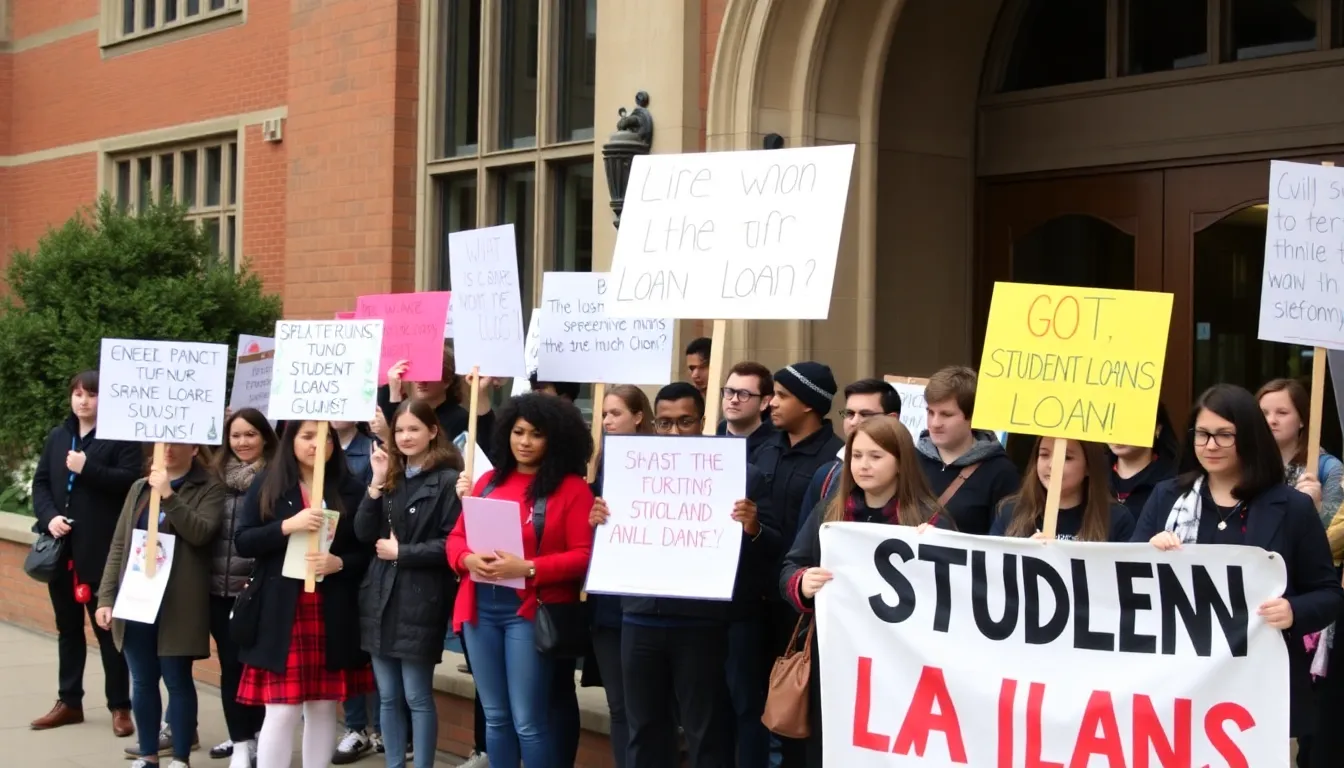
- Short-term impacts: Decreased consumer spending, financial stress on graduates.
- Mid-term impacts: Decline in university enrollment, potential skill shortages in key industries.
- Risks: Long-term economic stagnation, increased inequality.
- Opportunities: Policy reform, innovation in funding models, increased public awareness.
While the challenges are significant, there is also the potential for positive change. Policymakers may be prompted to explore innovative solutions to student financing, which could lead to more sustainable models that alleviate the burden on future students. This could foster a more educated workforce and stimulate economic growth in the long run.
A: Proposed changes include interest rate adjustments, potential debt forgiveness, and more flexible repayment plans to ease the burden on graduates. A: Current students may benefit from lower interest rates and improved repayment options, making it easier for them to manage their loans after graduation. A: While specific timelines are not yet established, discussions are ongoing, and reforms are anticipated to be implemented within the next few years. A: The UK government, along with educational institutions and financial regulators, will play key roles in shaping and implementing these reforms. A: Long-term implications could include a more sustainable student loan system, reduced financial stress for graduates, and potentially increased access to higher education.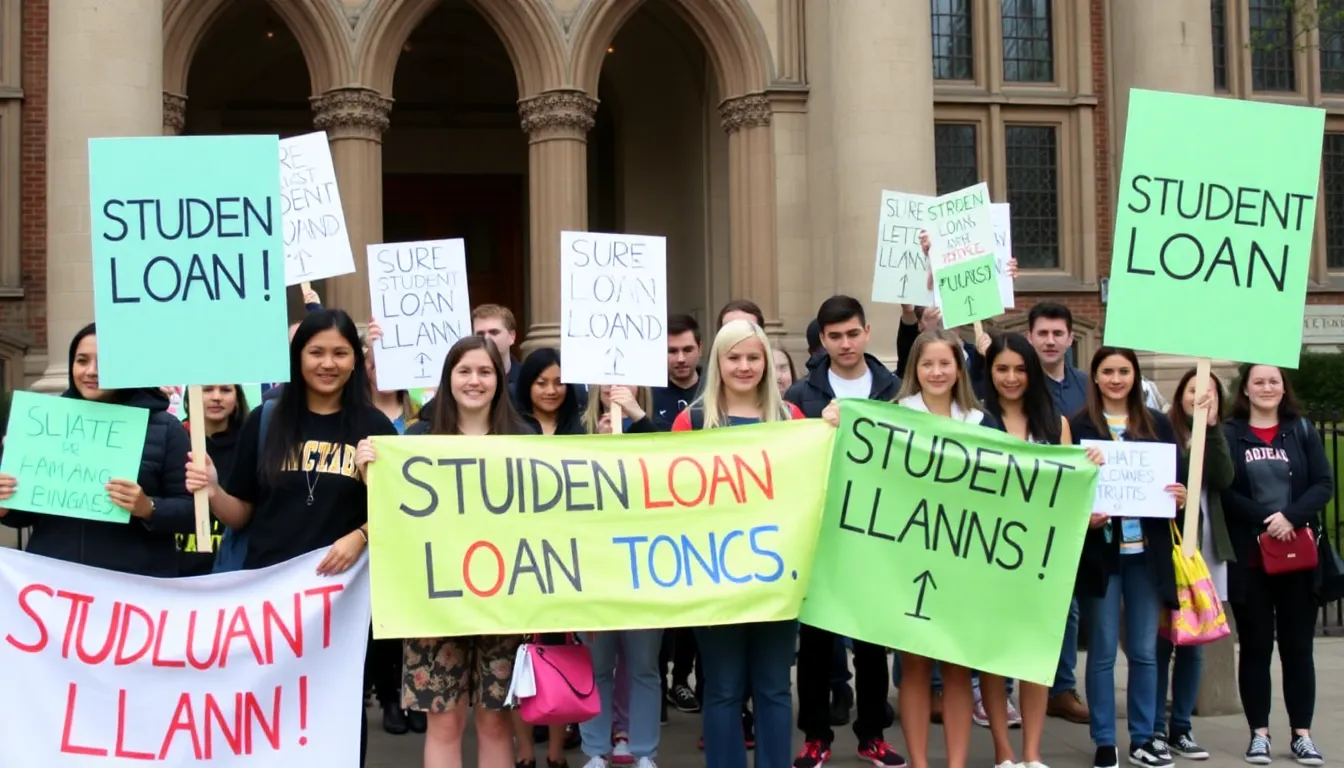
Frequently asked questions about student loans
Looking ahead: insights on student loan reforms
The recent decree to address student loans in England marks a pivotal moment in the ongoing discourse around higher education financing. As the government prepares to implement reforms, stakeholders must consider the broader implications for students, educational institutions, and the economy. The direction of these reforms will not only impact current borrowers but also shape the future landscape of student finance in the UK.
Monitoring the developments in this area will be crucial, as the proposed changes could lead to significant shifts in how students approach their education and manage their finances. A collaborative effort between policymakers, educational institutions, and students will be essential to create a sustainable and equitable system.
- Potential for reduced financial burden: Reforms may lead to lower interest rates or more favorable repayment terms, easing the financial pressure on graduates.
- Increased access to education: Changes could make higher education more accessible, particularly for disadvantaged groups, encouraging a more diverse student body.
- Impact on university funding: As loan structures change, universities may need to adapt their funding models, potentially influencing tuition fees and the quality of education offered.
- Long-term economic implications: Improved student loan policies could enhance economic mobility, leading to a more skilled workforce and boosting the economy.
- Monitoring public sentiment: Public opinion will play a critical role in shaping the reforms, as ongoing dialogue between stakeholders will be necessary to ensure the changes align with societal needs.