
Several factors contribute to this decrease in organ donations. The COVID-19 pandemic significantly impacted healthcare systems worldwide, leading to postponed elective surgeries and a reduction in donor identification processes. Additionally, misinformation about organ donation, including myths surrounding the procedures and fears about medical care for potential donors, has further complicated the situation. For those interested in learning more about this critical issue, understanding the broader implications of healthcare trends can provide valuable context.
Public awareness campaigns have attempted to address these issues, but their effectiveness has been limited. Organizations like Donate Life America and the National Health Service Blood and Transplant have reported challenges in reaching younger demographics, who are crucial for increasing donor registrations. As of 2023, only 54% of adults in the U.S. are registered organ donors, a statistic that highlights the need for renewed efforts in education and outreach.
The implications of declining organ donation rates are profound. With each passing year, thousands of individuals awaiting transplants face worsening health conditions, and many do not survive long enough to receive the organs they desperately need. This ongoing crisis underscores the importance of understanding and addressing the barriers to organ donation, as well as promoting a culture of giving that can help save lives.
Historical context of organ donation trends
The practice of organ donation has evolved significantly over the past several decades, influenced by changes in societal attitudes, medical advancements, and legislative frameworks. In the mid-20th century, organ transplantation was a novel and experimental procedure, often viewed with skepticism by the public. Early pioneers faced numerous ethical and logistical challenges, but their successes laid the groundwork for the modern organ donation system.
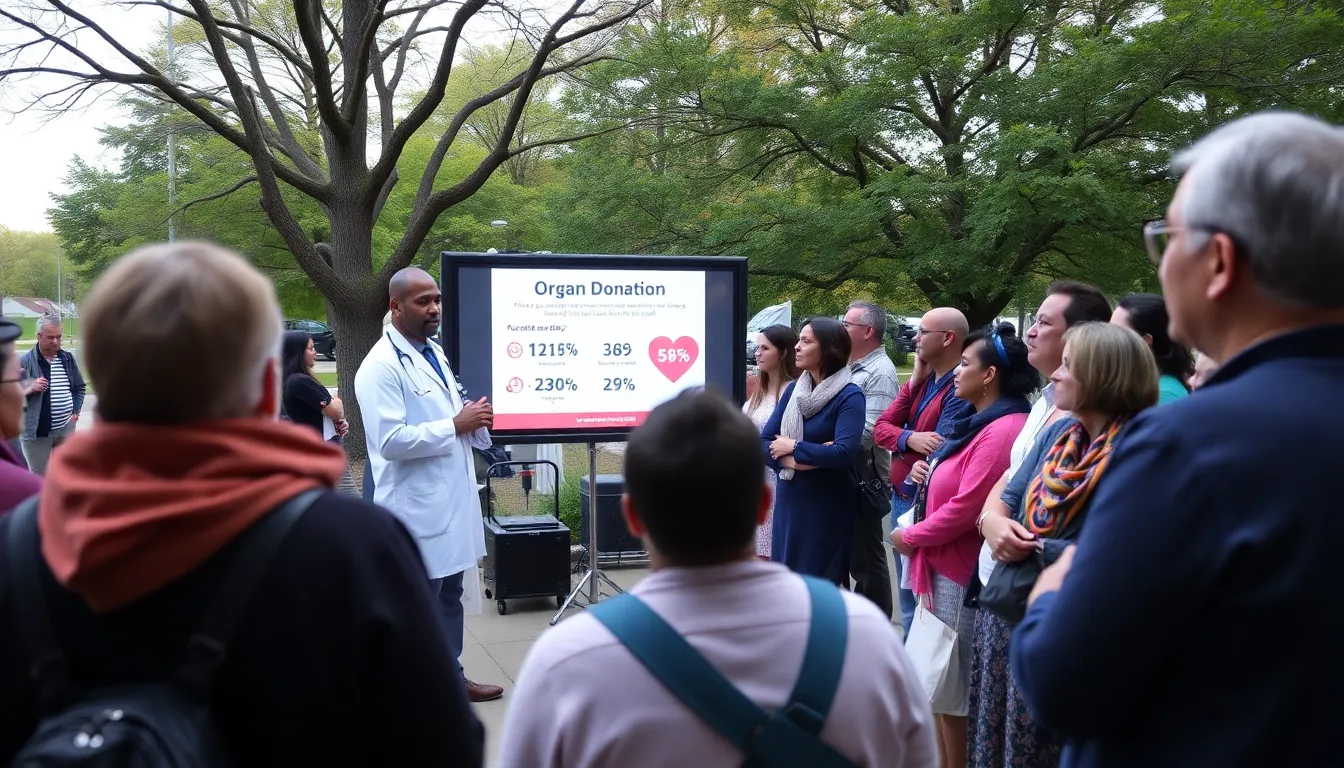
In the 1980s, the establishment of the National Organ Transplant Act in the United States marked a pivotal moment in organ donation history. This legislation not only facilitated the creation of a national organ allocation system but also aimed to eliminate the black market for organs. Public awareness campaigns began to promote the importance of organ donation, leading to a gradual increase in donor registrations. However, despite these efforts, the gap between organ supply and demand has continued to widen, similarly reflected in the delays faced in other critical initiatives.
Social perceptions and barriers
Over time, social perceptions surrounding organ donation have played a crucial role in influencing donor rates. Cultural beliefs, religious views, and personal fears about the donation process often deter individuals from registering as donors. For instance, misinformation about the medical community’s intentions and the treatment of potential donors can exacerbate reluctance. Additionally, the stigma associated with death and the act of donating one’s organs can create significant barriers that persist today.
Economic factors also contribute to the decline in organ donations. In many regions, the healthcare system’s inequities can lead to disparities in access to information about organ donation and transplantation. Individuals from marginalized communities may lack the resources or support to consider organ donation, further complicating the issue. As a result, despite advancements in medical technology and increased awareness, the overall rates of organ donation have not kept pace with the growing need for transplants, paralleling other societal challenges such as those seen in the recent events surrounding the mob attack on a newspaper.
Key factors influencing organ donation decisions
The decision to donate organs involves various stakeholders, including potential donors, their families, healthcare providers, and government agencies. Each of these groups has distinct interests and concerns that can significantly impact the rates of organ donation. Understanding these dynamics is crucial to addressing the decline in donations.
One major factor is the perception of organ donation within society. Many individuals may harbor misconceptions about the donation process or fear that their medical care could be compromised if they are known to be donors. This skepticism can be fueled by a lack of awareness and education regarding the benefits and safety of organ donation.
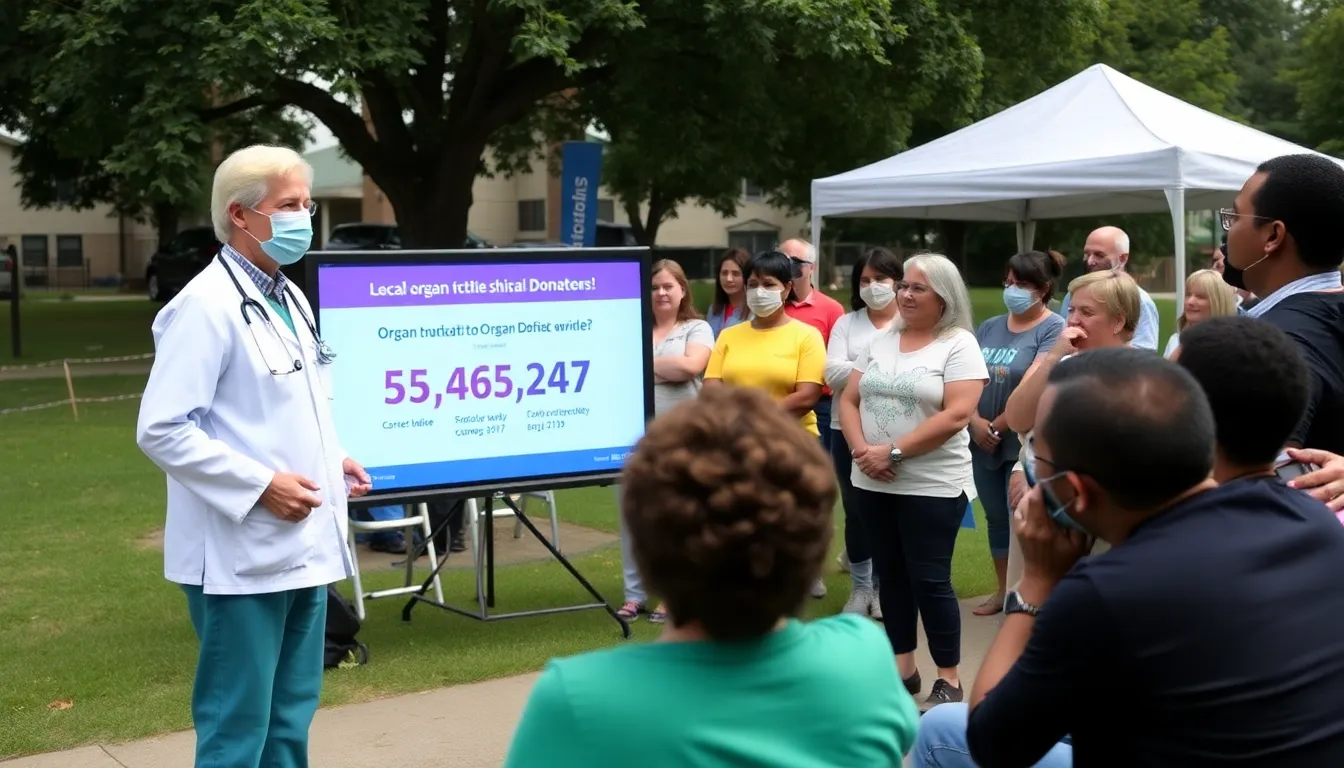
Additionally, the legal framework surrounding organ donation plays a critical role. Laws vary by region, influencing how consent is obtained and the protocols for organ retrieval. In some areas, presumed consent policies are in place, where individuals are considered donors unless they opt out. This approach can lead to ethical debates and conflicts regarding individual rights and societal needs.
- Healthcare Providers: They aim to promote organ donation but may face challenges in addressing donor families’ emotional and ethical concerns.
- Government Agencies: They seek to increase donation rates through public awareness campaigns, yet resource allocation can be contentious.
- Potential Donors: They may have personal beliefs or fears that influence their willingness to donate.
- Families of Donors: Their consent is often needed, and they may struggle with grief and decision-making during a critical time.
Economic factors also contribute to the complexities of organ donation. The costs associated with organ transplantation and the disparities in access to healthcare can deter individuals from considering donation. Moreover, the black market for organs raises ethical concerns and complicates the landscape, as it undermines legitimate donation efforts and can lead to exploitation.
Consequences for patients and the healthcare system
The decline in organ donations significantly impacts various groups within society, particularly patients awaiting transplants. Individuals suffering from chronic illnesses or organ failure face increased wait times, which can lead to deteriorating health conditions or even mortality. This situation creates a ripple effect, affecting families and communities who are often left to cope with the emotional and financial burdens of long-term care.
Healthcare systems also bear the brunt of this crisis. With fewer organs available for transplantation, hospitals may experience overcrowding in emergency departments as patients seek alternative treatments. This can strain resources and lead to longer wait times for all patients, not just those needing transplants. The economic implications for healthcare providers could be significant, as they may need to allocate more funds to manage complications arising from untreated organ failures.
In the mid-term, the decline in organ donations may prompt policymakers to reconsider current regulations and incentives surrounding organ donation. There is potential for new initiatives aimed at increasing awareness and education about the importance of organ donation, which could open up opportunities for collaboration between healthcare providers, governments, and community organizations.
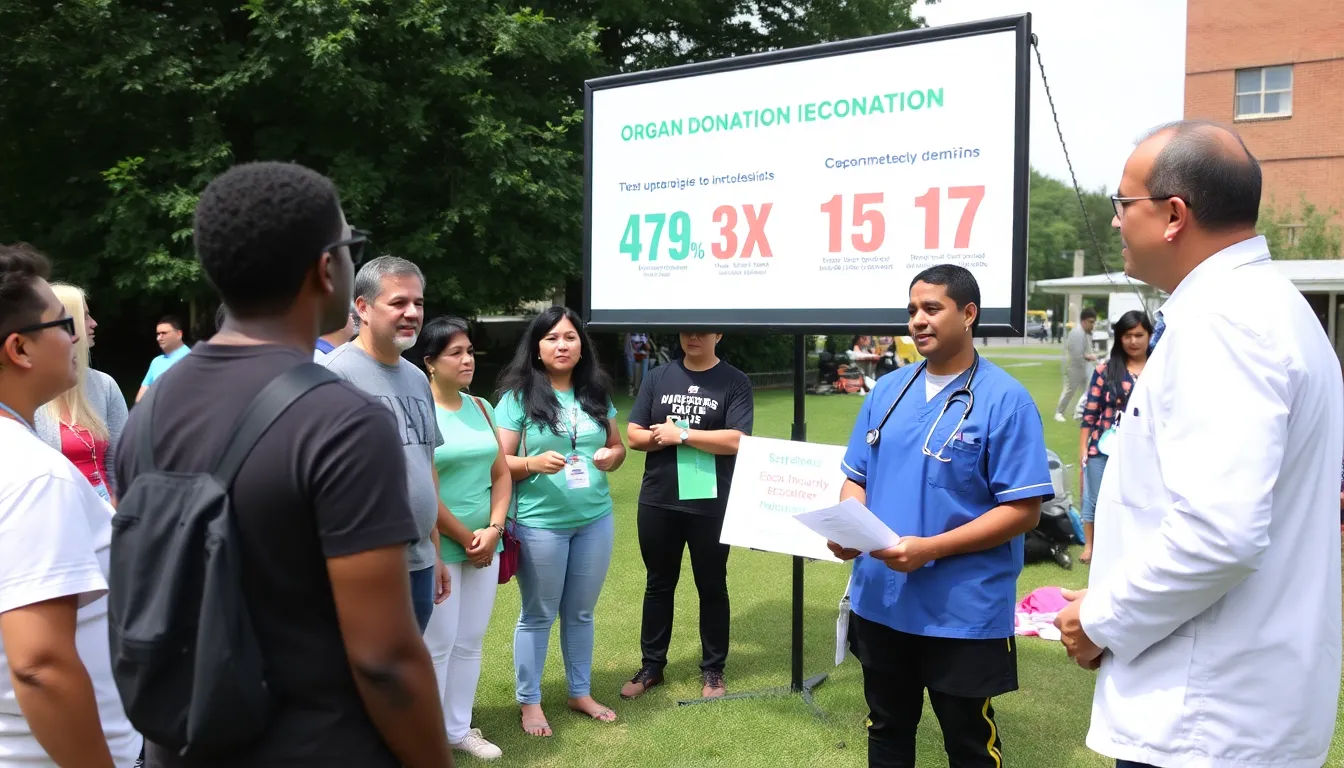
- Short-term impacts: Increased wait times for transplants and higher healthcare costs.
- Mid-term impacts: Potential policy changes and new initiatives to boost organ donation rates.
- Risks: Increased mortality rates among patients awaiting transplants.
- Opportunities: Enhanced public awareness campaigns and community engagement initiatives.
Regions with higher rates of organ donation may find themselves in a position to share best practices and resources with areas struggling to increase their donation rates. This could foster a collaborative environment that benefits the entire healthcare system and ultimately saves lives.
A: Many individuals may have misconceptions about organ donation or lack awareness of the registration process. Additionally, cultural beliefs and personal fears can deter potential donors. A: Organ donation can save lives and improve the quality of life for recipients. It also helps reduce the burden on healthcare systems by addressing organ shortages. A: You can become an organ donor by registering online through your state’s donor registry or indicating your wishes on your driver’s license. A: If you donate your organs, they are carefully removed in a surgical procedure and then transplanted into recipients who are in need, following strict medical protocols. A: There are no strict age limits for organ donation. Individuals of all ages can register, and each case is evaluated based on medical criteria at the time of donation.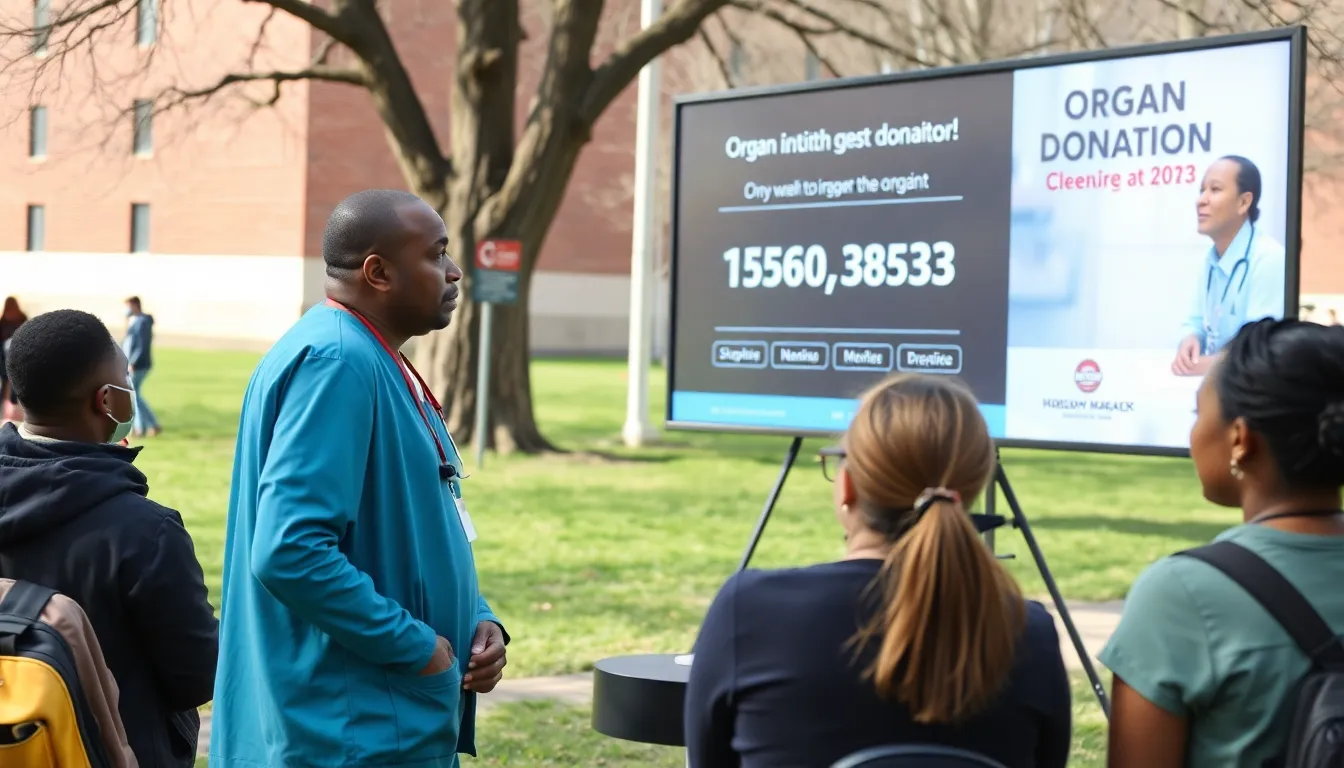
Common questions about organ donation
Future outlook on organ donation trends
The decline in organ donation rates presents a complex challenge that requires multifaceted solutions. As societal attitudes towards organ donation evolve, understanding the underlying factors influencing these trends becomes essential. Increased awareness and education about the importance of organ donation can play a pivotal role in addressing misconceptions and encouraging more individuals to consider becoming donors.
Moreover, advancements in medical technology and organ preservation methods may also impact future donation rates. As the healthcare system adapts to these changes, fostering a culture of donation through community engagement and transparent communication will be crucial in bridging the gap between potential donors and the pressing need for organs.
- Enhancing public awareness campaigns can help demystify organ donation and counteract prevalent myths.
- Legislation aimed at simplifying the donation process may encourage more individuals to register as donors.
- Engaging healthcare professionals in conversations about organ donation can lead to more informed patients and families.
- Monitoring trends in organ donation rates can provide insights into the effectiveness of outreach efforts and policy changes.
- Exploring innovative partnerships between organizations can amplify the message and reach diverse communities.