
Xu’s remarks come at a time when Shein is facing increasing scrutiny over its business practices and supply chain transparency. As the fast-fashion giant continues to expand its presence in international markets, understanding its cultural origins has become crucial for its brand identity and consumer perception. This scrutiny is not unlike the challenges faced by other global companies, such as Ocado, which also aims to maintain its market position amidst growing competition.
The CEO’s appearance also coincides with rising competition in the online retail space, particularly from other fast-fashion brands. By reaffirming Shein’s commitment to its Chinese heritage, Xu aims to strengthen the brand’s narrative and differentiate it from competitors that are also vying for market share.
Additionally, Xu’s comments reflect a broader trend within the fashion industry, where brands are increasingly focusing on their origins to build authenticity. As consumers become more conscious of sustainability and ethical production, Shein’s acknowledgment of its roots may play a pivotal role in shaping its future strategies and public image.
Understanding Shein’s rise and its connection to Chinese culture
Founded in 2008, Shein has rapidly transformed from a small online retailer into a global fashion powerhouse, primarily known for its affordable and trendy apparel. The company’s success is deeply intertwined with China’s burgeoning e-commerce landscape, which has seen explosive growth over the past two decades. The rise of digital platforms in China has allowed brands like Shein to leverage advanced logistics, manufacturing capabilities, and a vast consumer base, facilitating their expansion into international markets.
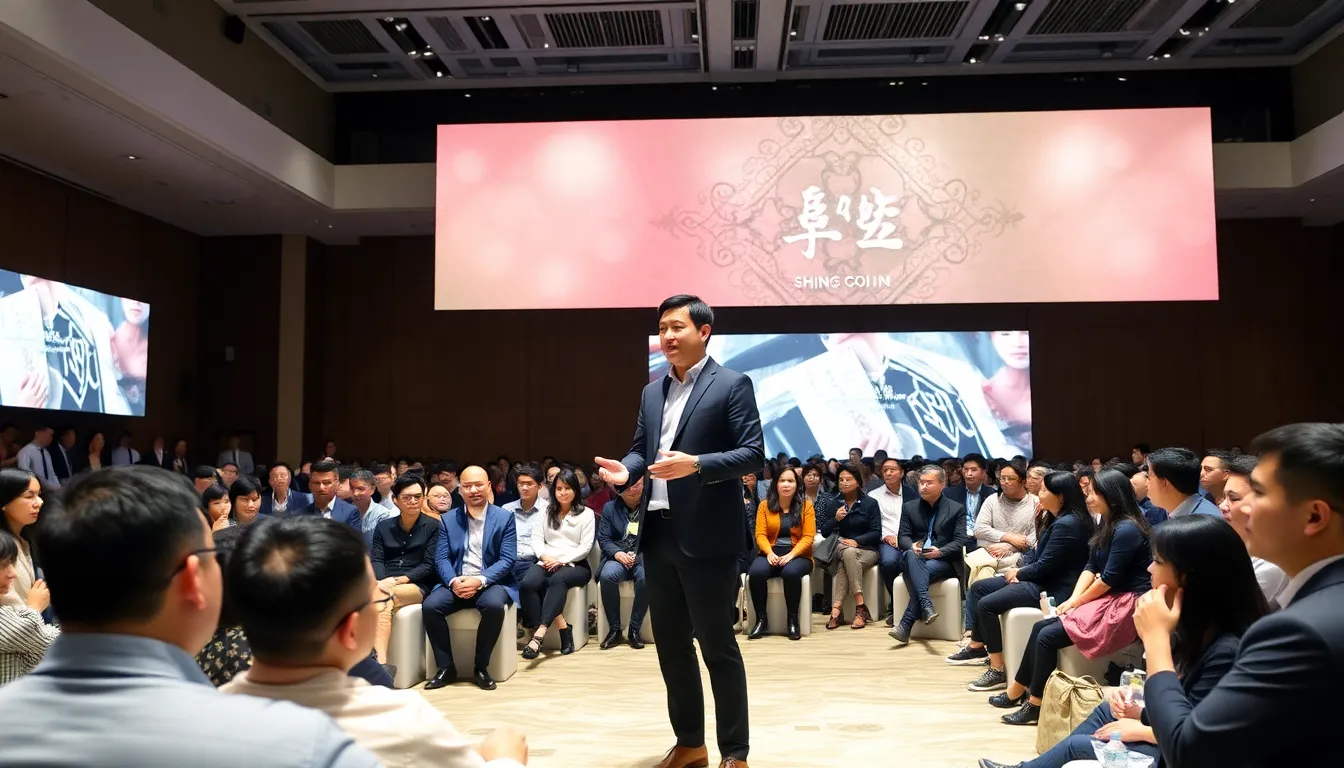
Historically, China has been a significant player in the global textile and apparel industry. The country’s rich cultural heritage in fashion, combined with its robust manufacturing infrastructure, has positioned it as a leader in producing garments at scale. Shein capitalized on this heritage by incorporating elements of Chinese aesthetics into its designs, appealing to both domestic and international consumers who are increasingly drawn to the fusion of traditional and contemporary styles; this mirrors the way ByteDance is blending technology with cultural nuances.
Politically, Shein’s journey reflects the broader dynamics of globalization and the challenges faced by Chinese companies operating on the world stage. As trade tensions between China and other countries, particularly the United States, have escalated, Shein has navigated these complexities by emphasizing its global reach and commitment to sustainability. The company has also made efforts to distance itself from negative perceptions of Chinese manufacturing by showcasing its innovative practices and ethical sourcing.
Key milestones in Shein’s development
Several key milestones have marked Shein’s ascent in the fashion industry. In 2012, the company began focusing on fast fashion, adopting a model that allowed it to respond quickly to changing consumer trends. By 2015, Shein had expanded its product range and began targeting international markets, particularly in the United States and Europe. The introduction of influencer marketing and social media campaigns further propelled its visibility, allowing it to connect with younger audiences. Today, Shein is recognized not only for its vast selection of clothing but also for its ability to adapt to the rapidly changing landscape of fashion consumption.
Key stakeholders and issues surrounding Shein’s global strategy
Shein, the fast-fashion giant, has attracted significant attention not only for its rapid growth but also for its business practices and the elusive nature of its leadership. The primary stakeholders in this scenario include Shein’s founder and CEO, Chris Xu, consumers, regulatory bodies, and various advocacy groups. Each of these actors has distinct interests that shape the discourse around Shein’s operations and its global strategy.
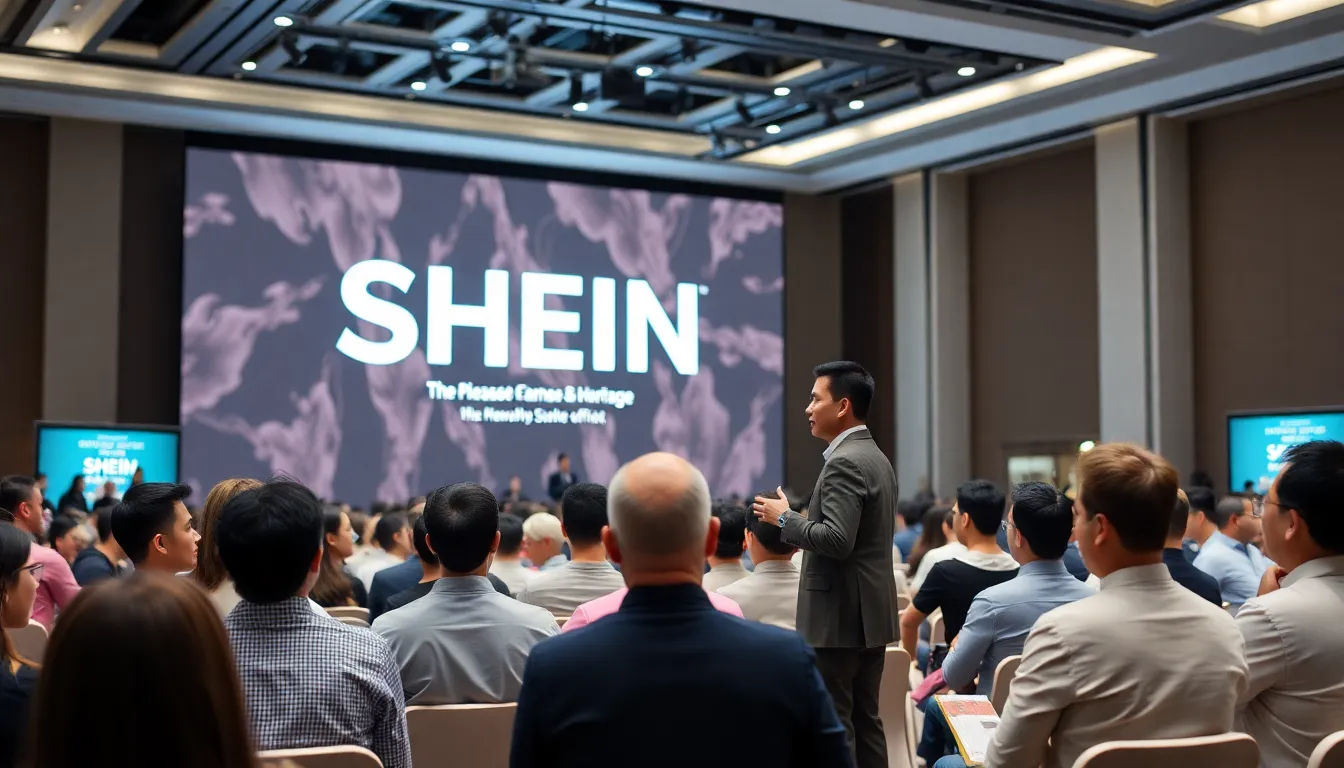
Chris Xu, as the face of Shein, has a vested interest in promoting the brand’s Chinese roots while navigating the complexities of international markets. His recent public appearance marks a rare opportunity to address concerns about labor practices and environmental impact, which have been focal points of criticism against the company. Xu’s emphasis on Chinese heritage aims to bolster national pride and align with the growing trend of supporting homegrown brands, much like the redemption story of those associated with Epstein that emphasizes the importance of rebranding in a global narrative.
Consumers represent another crucial stakeholder group, with interests that often conflict with Shein’s business model. While many are drawn to the brand’s affordability and trend-driven offerings, there is an increasing demand for ethical manufacturing and sustainability. This creates a trade-off for Shein, as it must balance cost efficiency with the growing consumer expectation for corporate responsibility.
- Regulatory bodies in various countries are scrutinizing Shein’s practices, focusing on labor laws and environmental regulations.
- Advocacy groups are pushing for transparency in supply chains, raising concerns about workers’ rights and environmental sustainability.
- Investors are interested in Shein’s rapid growth and market expansion, but they also face pressure to ensure ethical practices are in place.
- Local governments in China and abroad may have conflicting interests, as they seek to attract foreign investment while enforcing labor standards.
- Competitors in the fast-fashion industry are closely monitoring Shein’s strategies, which could influence their own business practices.
The legal and economic landscape surrounding Shein is complex. As the company expands into Western markets, it faces stringent regulations that vary by region. This creates a potential conflict between maintaining its low-cost model and adhering to higher standards of compliance. Additionally, the ongoing discourse around trade relations between China and other countries may impact Shein’s supply chain and market accessibility, further complicating its global strategy.
The implications of Shein’s message on its market presence
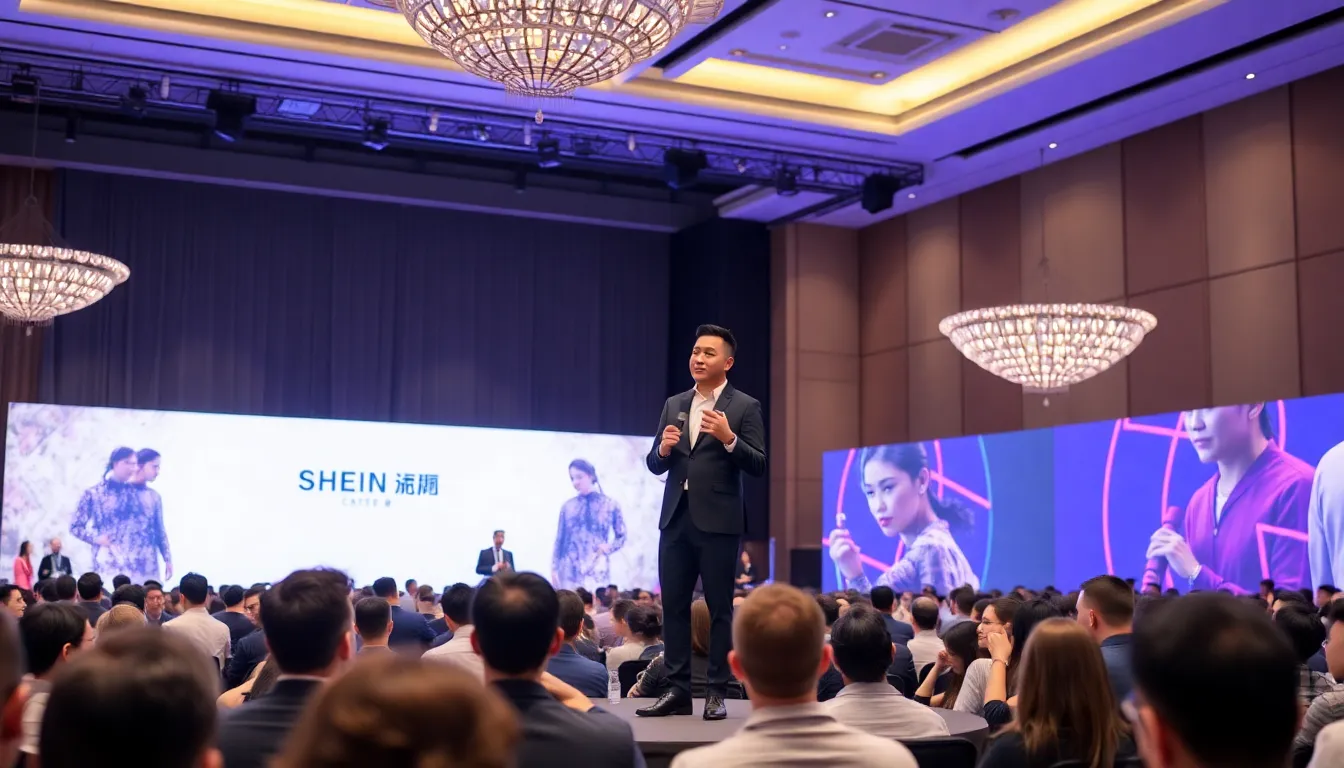
Shein’s recent public appearance by its elusive boss has significant implications for various groups, particularly consumers, fashion retailers, and policymakers. As a leading fast-fashion brand, Shein’s strategies and messaging resonate deeply within the global fashion industry, affecting both competitors and collaborators alike.
The immediate impact is likely to be felt in the fast-fashion sector, as Shein’s emphasis on its Chinese roots may encourage a renewed focus on sourcing and manufacturing within China. This could lead to increased competition among brands that rely on similar supply chains, potentially driving prices down but also raising concerns about labor practices and sustainability.
In the short term, consumers may experience a shift in product availability and pricing as Shein reinforces its market position. The brand’s ability to rapidly respond to trends could further solidify its dominance, making it challenging for smaller retailers to compete. However, this also presents an opportunity for innovative brands to differentiate themselves through sustainable practices and unique offerings.
- Increased competition: Smaller retailers may struggle to maintain market share.
- Supply chain dynamics: A focus on Chinese manufacturing could alter global sourcing strategies.
- Consumer behavior: Shifts in purchasing patterns may emerge as Shein solidifies its branding.
In the mid-term, policymakers may need to address the implications of Shein’s business practices, particularly concerning labor regulations and environmental standards. As Shein continues to expand its reach, discussions around ethical fashion and regulatory frameworks will likely intensify, influencing how the industry operates.
Overall, while risks associated with increased competition and potential regulatory scrutiny exist, there are also opportunities for brands that can adapt to the evolving landscape and prioritize ethical practices. Shein’s message could serve as a catalyst for change within the industry, prompting a reevaluation of values and strategies among market players.
A: This appearance is significant as it marks a rare opportunity for the CEO to directly address the public and highlight the brand’s cultural roots, which can enhance its image and consumer connection. A: Shein’s Chinese heritage plays a crucial role in its supply chain efficiency and fashion trends, allowing it to quickly adapt to global market demands. A: Shein faces challenges such as scrutiny over labor practices, competition from other fast fashion brands, and the need to maintain sustainable practices. A: This appearance could positively affect Shein’s brand perception by reinforcing its identity and commitment to its roots, potentially attracting more consumers. A: Following this event, Shein may focus on expanding its market presence while addressing sustainability and ethical concerns to improve its overall brand image.
Frequently asked questions about Shein’s public appearance
Key takeaways and future outlook for Shein
Shein’s recent public appearance by its elusive boss marks a significant moment for the company as it seeks to solidify its identity and strengthen its ties to its Chinese roots. This move not only highlights Shein’s commitment to its heritage but also reflects a strategic pivot in addressing concerns about transparency and corporate governance. As the global fashion landscape continues to evolve, Shein’s ability to navigate these challenges will be crucial for its sustained growth and competitiveness.
Looking ahead, the implications of this public engagement could reshape consumer perceptions and influence market dynamics. Stakeholders should monitor how Shein leverages its Chinese origins to enhance brand loyalty while addressing regulatory scrutiny in various markets.
- Increased Transparency: Expect Shein to adopt more transparent practices in response to growing consumer and regulatory demands.
- Brand Identity Strengthening: The emphasis on Chinese roots may enhance brand loyalty among consumers valuing authenticity.
- Market Adaptation: Watch for Shein’s strategies to adapt to different market regulations, particularly in Western countries.
- Competitive Landscape: Shein’s moves may prompt competitors to reassess their own strategies regarding transparency and cultural identity.
- Consumer Engagement: Increased focus on community engagement and feedback could shape future product offerings and marketing approaches.