
Key factors contributing to Ocado’s struggles include increased competition from traditional supermarkets and other online retailers, which have ramped up their digital offerings. Additionally, operational challenges, such as supply chain disruptions and rising costs, have further complicated the company’s efforts to maintain profitability. Analysts have noted that Ocado’s technology, while advanced, has not translated into the expected market dominance. For more on competitive challenges in the retail space, see this article.
In response to these challenges, Ocado has announced a series of strategic initiatives aimed at revitalizing its business model. This includes expanding partnerships with international retailers and enhancing its automated warehouse capabilities. However, skepticism remains among analysts regarding the effectiveness of these measures in a rapidly evolving market.
The implications of Ocado’s current predicament extend beyond its financial health; they also reflect broader trends in the retail sector. As consumer preferences shift and competition intensifies, the pressure is on Ocado to adapt swiftly or risk losing its status as a technology leader in the UK. Investors will be closely watching the company’s next moves as it seeks to regain momentum and restore confidence in its long-term viability. This scenario is reminiscent of the ongoing discussions about innovation and adaptability in various sectors, as seen in this analysis.
Understanding the rise of Ocado in the UK technology landscape
Ocado was founded in 2000 by three former Goldman Sachs bankers: Tim Steiner, Jason Gissing, and Luke Jensen. Initially, the company aimed to revolutionize the grocery shopping experience through an innovative online platform. The rise of e-commerce in the early 2000s provided a fertile ground for Ocado, allowing it to carve out a niche in the UK grocery market, which was traditionally dominated by brick-and-mortar stores.

In 2010, Ocado made a significant leap by partnering with major supermarket chains, including Morrisons, which allowed it to expand its product offerings and reach a wider audience. This partnership was pivotal, as it not only validated Ocado’s business model but also positioned it as a key player in the online grocery sector. As consumer preferences shifted towards online shopping, particularly during the COVID-19 pandemic, Ocado’s technological innovations, such as its automated warehouses and advanced logistics systems, were seen as a blueprint for the future of retail.
The challenges of scaling
Despite its promising start and technological advancements, Ocado has faced numerous challenges in scaling its operations. High operational costs, competition from established retailers investing in their own online platforms, and the complexities of logistics have hindered its ability to fully capitalize on its potential. Furthermore, the company has struggled with profitability, often prioritizing growth over sustainable financial performance, which has raised concerns among investors.
Additionally, Ocado’s ambitious international expansion plans have met with mixed results. While it has established partnerships in markets like the United States and Canada, these ventures have not yet translated into the expected success, leading to questions about the viability of its global strategy. As a result, Ocado’s stock performance has been volatile, reflecting investor skepticism about its long-term growth prospects.
In summary, while Ocado initially emerged as a beacon of hope in the UK technology landscape, its journey has been fraught with challenges that have prevented it from fully realizing its potential. The combination of fierce competition, high operational costs, and international setbacks has cast doubt on whether Ocado can maintain its status as one of the UK’s great technology hopes.
Key challenges and stakeholders impacting Ocado’s growth
Ocado, once heralded as a leading technology enterprise in the UK, faces a myriad of challenges that hinder its potential. Key stakeholders involved in this scenario include the company’s management, investors, technology partners, and customers. Each of these actors has distinct interests that shape the operational landscape of Ocado. Understanding these dynamics can provide insights into not just Ocado but also similar companies facing transitional challenges, highlighted in this discussion.
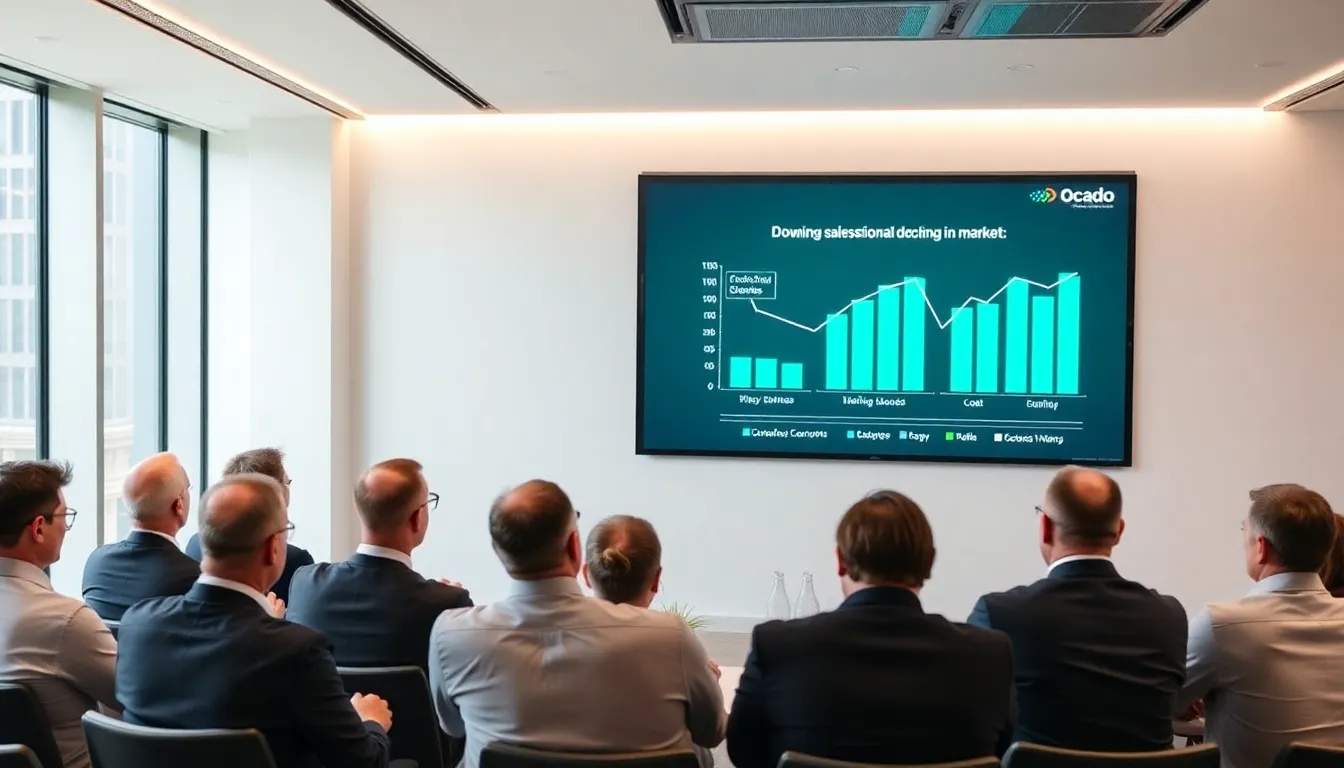
The management team at Ocado is primarily focused on innovation and market expansion. However, their ambitious growth targets have often clashed with operational realities, leading to questions about the sustainability of their business model. Investors, on the other hand, are concerned with profitability and return on investment, which has been a point of contention given the company’s fluctuating financial performance.
Technology partners play a crucial role as well, as they provide essential infrastructure and support for Ocado’s automated systems. However, any delays or failures in technology deployment can lead to significant operational setbacks. Customers, who expect reliable service and timely deliveries, are increasingly frustrated with Ocado’s inability to meet its promises, which could impact customer loyalty and brand reputation.
Key issues that emerge from this complex interplay include:
- Operational inefficiencies: Challenges in scaling automated systems have resulted in delivery delays.
- Financial pressures: Investors are demanding clearer pathways to profitability amidst rising operational costs.
- Competitive landscape: Ocado faces stiff competition from traditional retailers and emerging tech-driven grocery services.
- Regulatory scrutiny: As a tech-focused company, Ocado must navigate evolving regulations that could impact its operations.
- Customer expectations: Maintaining high service levels is crucial for retaining a loyal customer base.
In summary, the intersection of these stakeholders’ interests and the challenges they face creates a complex environment for Ocado. The company’s ability to navigate these issues will be pivotal in determining its future as a key player in the UK’s technology landscape.
The broader implications of Ocado’s struggles for the market
Ocado’s failure to capitalize on its technological innovations has far-reaching consequences for various groups, including consumers, grocery retailers, and technology investors. As one of the UK’s most anticipated tech companies, its setbacks could dampen confidence in the broader tech sector, particularly in areas related to automation and e-commerce.

In the short term, consumers may experience a lack of innovation in online grocery shopping, as Ocado’s struggles could lead to stagnation in service improvements. Traditional grocery retailers might find themselves less pressured to innovate, potentially resulting in a slower evolution of the grocery market. This could also lead to higher prices and reduced options for consumers, as competition weakens.
From a business perspective, Ocado’s challenges may deter investment in the UK technology sector, particularly in logistics and supply chain solutions. Investors may become more cautious, leading to a potential slowdown in funding for startups and established companies aiming to disrupt traditional retail models. This could stifle growth and innovation in a sector that has been seen as a cornerstone of the UK’s economic future.
- Short-term impacts: Reduced consumer options, increased prices, and slower service improvements.
- Mid-term impacts: Potential decline in investment in tech and logistics sectors, leading to stagnation.
- Risks: Weakened competition among grocery retailers and diminished consumer trust in tech solutions.
- Opportunities: Potential for other companies to fill the gap left by Ocado, fostering new innovations.
Regions heavily reliant on Ocado’s services, particularly urban areas with high demand for online grocery delivery, may feel the impact more acutely. Local economies could see a decline in job opportunities related to tech and logistics, as companies reassess their strategies in light of Ocado’s performance. However, this situation could also create openings for agile startups to emerge, offering fresh solutions that could ultimately benefit consumers.
A: Ocado is grappling with supply chain issues, increasing competition, and rising operational costs, which have hindered its growth. A: The company’s stock has seen significant volatility, reflecting investor concerns over its ability to meet growth expectations. A: Technology is central to Ocado’s operations, enabling efficient online grocery delivery, but its implementation has faced setbacks. A: While some initiatives are underway to improve operations, the path to recovery remains uncertain amid ongoing challenges. A: Ocado’s unique technology-driven approach sets it apart, but competitors are rapidly closing the gap with similar innovations.
Frequently asked questions about Ocado’s situation
Looking ahead: What does the future hold for Ocado?
As Ocado navigates the complexities of the online grocery market, its journey reflects broader trends in technology and consumer behavior. The company’s initial promise as a leader in automated grocery solutions faces challenges, including competition from established retailers and the evolving expectations of consumers. Understanding these dynamics will be crucial for stakeholders as they assess Ocado’s potential for recovery and growth.
Moving forward, the company’s ability to innovate and adapt will determine its trajectory. Investors and industry observers should closely monitor Ocado’s strategic decisions, partnerships, and technological advancements to gauge whether it can reclaim its status as a technology pioneer in the UK.
- Watch for Ocado’s strategic partnerships that may enhance its technological capabilities and market reach.
- Monitor consumer trends in online grocery shopping, as shifts in preferences could impact Ocado’s business model.
- Keep an eye on competition, particularly from established retailers enhancing their online offerings, which may challenge Ocado’s market position.
- Evaluate Ocado’s investments in technology and automation, as these will be critical in determining operational efficiency and cost management.
- Consider the implications of regulatory changes in the grocery sector, which could affect Ocado’s operational landscape.