
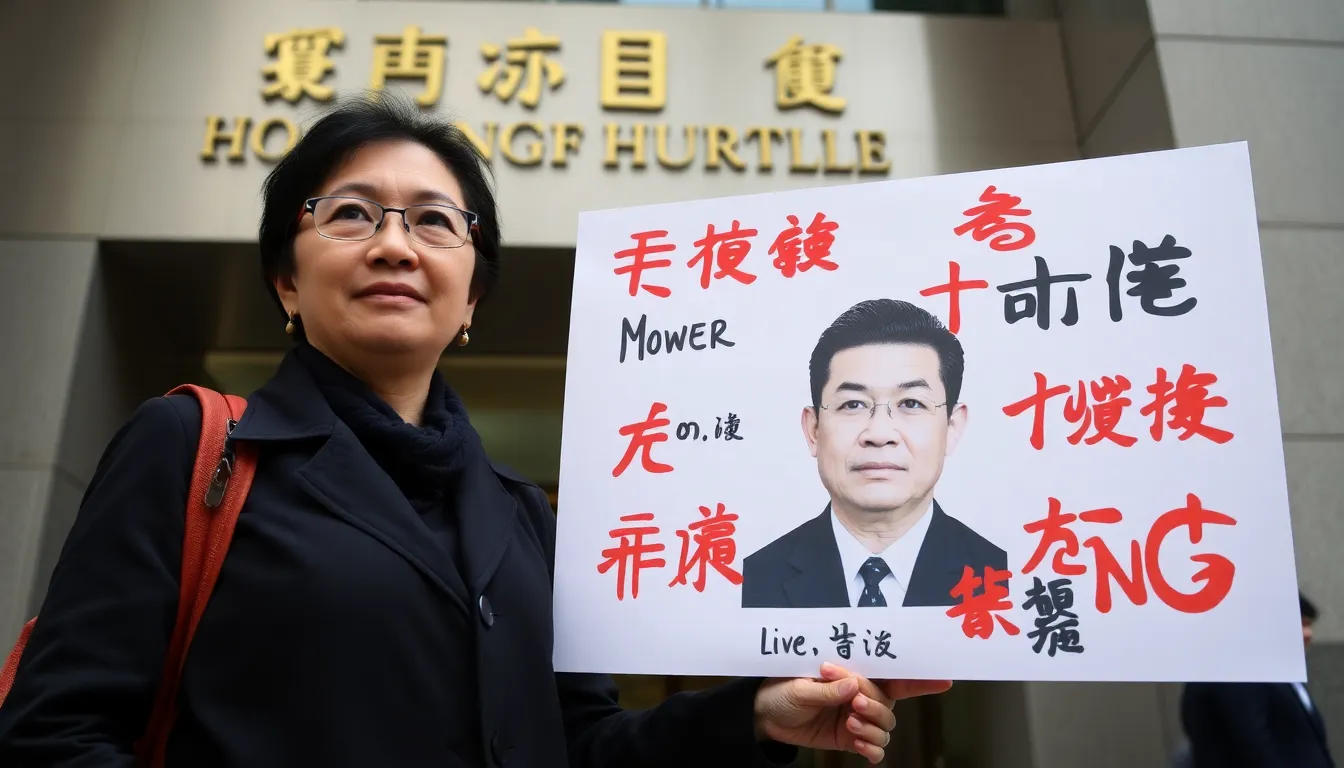
Her father was sentenced to three years in prison on charges related to national security violations, a law that has been widely criticized for its broad and vague definitions. The sentencing took place on October 15, 2023, amid increasing scrutiny of the government’s crackdown on dissent. Activists argue that such actions are part of a larger pattern of repression aimed at stifling free speech and political opposition, as seen in similar cases highlighted in recent reports.
In response to her father’s imprisonment, the activist has intensified her advocacy efforts, calling for international attention to the situation in Hong Kong. She has urged foreign governments and human rights organizations to take a stand against what she describes as state-sponsored intimidation. The case has drawn parallels to other instances where family members of activists have faced repercussions for their relatives’ political activities, echoing the concerns raised in previous discussions on civil liberties.
This incident underscores the precarious environment for dissenters in Hong Kong, where many have faced legal repercussions for their activism since the implementation of the national security law in 2020. The activist’s claims resonate with concerns over the erosion of civil liberties in the region, as the government continues to enforce strict measures against those who oppose its agenda.
Understanding the political climate in Hong Kong
Hong Kong has a complex history shaped by colonial rule, international relations, and a unique political system that has evolved over the years. Originally a British colony, Hong Kong was handed back to China in 1997 under the principle of “one country, two systems,” which was meant to preserve its legal and economic systems for 50 years. This arrangement was intended to allow for a high degree of autonomy, but over the years, tensions have escalated between pro-democracy activists and the Chinese government.
The political climate in Hong Kong has become increasingly strained since the 2014 Umbrella Movement, where citizens protested for greater electoral freedom. The movement marked a significant turning point, as it highlighted the growing discontent with Beijing’s influence over the territory. In the years that followed, the Chinese government implemented various measures to tighten its grip on Hong Kong, leading to widespread fears of eroding freedoms and rights.
In 2019, the proposed extradition bill sparked massive protests, with millions of residents taking to the streets to voice their opposition. The protests evolved into a broader movement demanding democratic reforms and accountability from the government. The situation escalated further when the Chinese government imposed a national security law in 2020, which criminalized acts of secession, subversion, and collusion with foreign forces. This law has been widely criticized as a tool to suppress dissent and silence opposition voices.
The impact on activists and dissent
The ramifications of the national security law have been profound for activists and ordinary citizens alike. Many prominent pro-democracy figures have been arrested, charged, or forced into exile, creating a chilling effect on free speech and activism. The case of the activist whose father was jailed serves as a poignant example of how the government has targeted individuals to stifle dissent, a topic that has significant implications for international relations.
Examining the implications for activists and their families
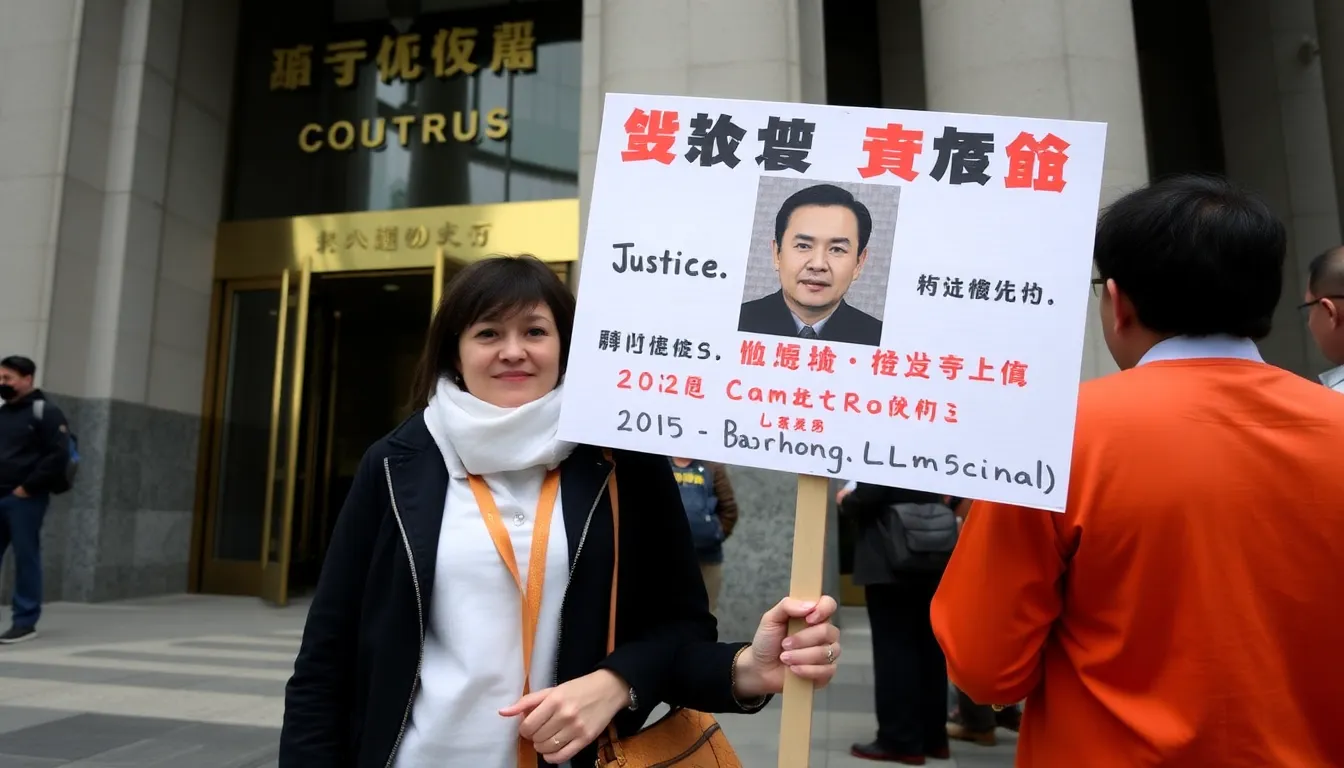
The case of the activist who claims that their father was jailed to suppress their voice highlights a complex web of stakeholders involved in the ongoing struggle for freedom of expression in Hong Kong. The primary actors include the Hong Kong government, pro-democracy activists, and families of those who are politically engaged. Each group has distinct interests that often conflict with one another.
The Hong Kong government, backed by the central Chinese authorities, is primarily focused on maintaining stability and control over the region. This involves suppressing dissent and discouraging activism that could challenge their authority. In contrast, pro-democracy activists seek to promote human rights and democratic freedoms, often at great personal risk. The families of these activists, like the individual in question, find themselves caught in the crossfire, facing threats and repercussions for their loved ones’ actions.
Key legal and economic issues arise from this situation, particularly regarding the application of national security laws that have been criticized for their broad and vague definitions. These laws not only target activists but also create a chilling effect on free speech, impacting the wider society. The economic implications are significant as well, as international businesses and governments reassess their relationships with Hong Kong amid concerns about human rights violations.
- Increased repression of dissenting voices by the Hong Kong government.
- Potential international backlash and sanctions against Hong Kong and China.
- Long-term psychological and social impacts on families of jailed activists.
- Economic ramifications for Hong Kong’s reputation as a global financial hub.
- The struggle between national security and individual freedoms in the context of international law.
This scenario illustrates the broader implications of political repression, where the actions taken against one individual can resonate throughout their community and beyond, affecting not just activists but their families and the societal fabric as a whole.
The broader impact on human rights in Hong Kong
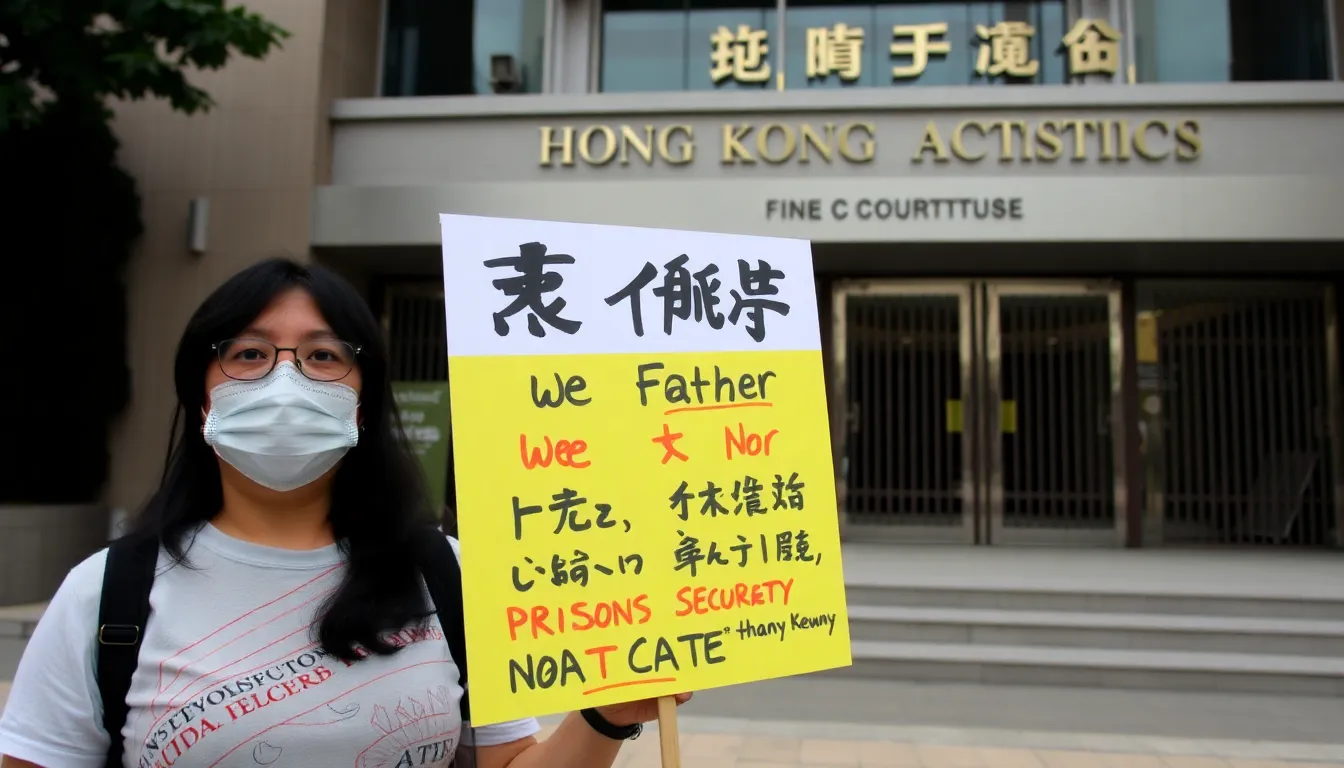
The recent imprisonment of activists in Hong Kong, including the father of a prominent activist, has raised significant concerns regarding human rights in the region. This situation affects various groups, including families of activists, human rights organizations, and the general public who are increasingly wary of speaking out against the government. The chilling effect on free speech and dissent is palpable, as individuals fear repercussions for their beliefs and actions.
In the short term, the daily lives of many residents may become increasingly constrained. Activists and their families face heightened scrutiny and potential legal repercussions, leading to a culture of fear. Businesses may also feel the impact, particularly those that rely on open dialogue and public engagement. As tensions rise, companies may find themselves navigating a more complicated landscape, where public statements or actions could attract unwanted attention.
In the mid-term, the implications for policy could be significant. As the government continues to tighten its grip on dissent, international observers may impose sanctions or take diplomatic actions that could affect trade and investment in the region. This could lead to a decline in foreign direct investment, impacting local businesses and the economy as a whole.
- Increased repression: A rise in government surveillance and crackdowns on dissent.
- Economic uncertainty: Potential decrease in foreign investment and tourism.
- Activism and advocacy: Opportunities for international human rights organizations to rally support.
- Public discourse: A shift towards more underground or covert forms of activism.
While the risks are evident, there are also potential opportunities for advocacy groups to galvanize international support and raise awareness about the situation in Hong Kong. The global community may respond with solidarity actions, potentially leading to increased pressure on the Hong Kong government to uphold human rights standards.
Frequently asked questions about the situation
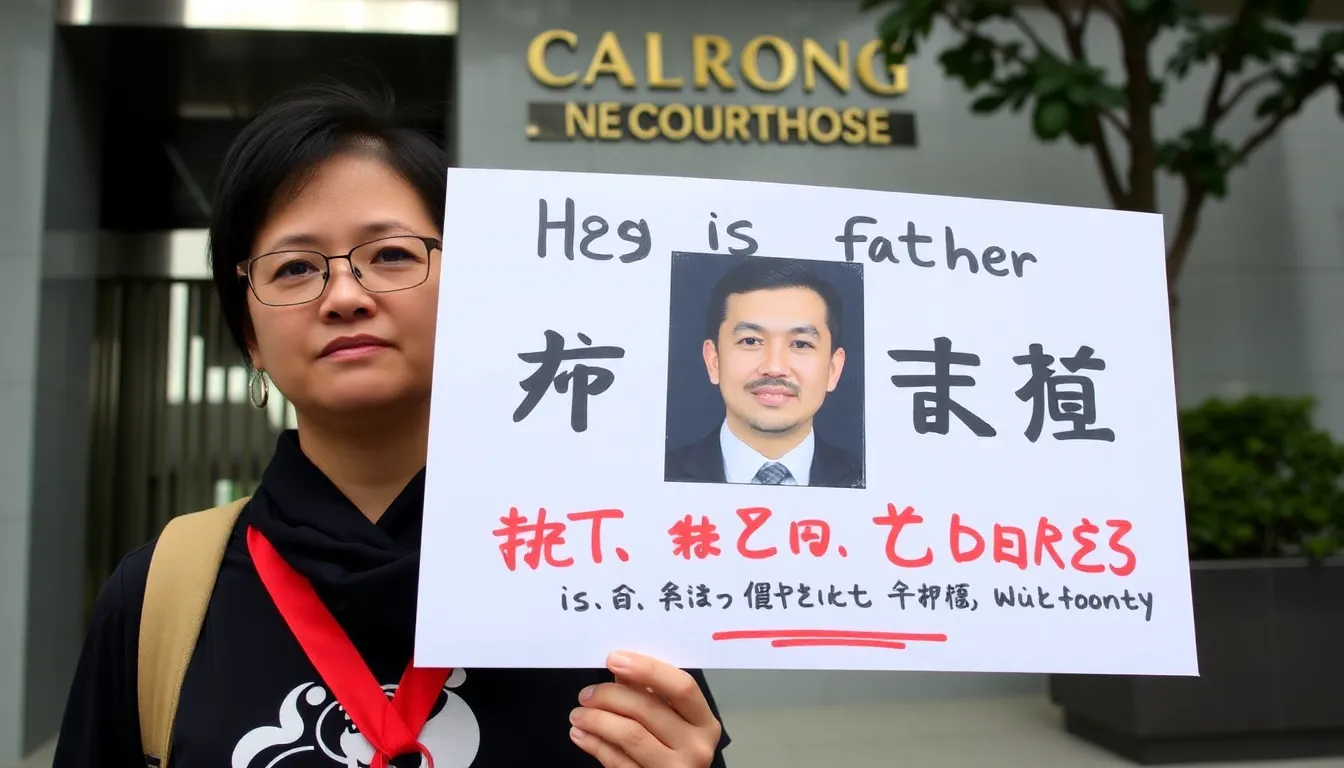
A: The activist’s father has been charged with crimes related to national security, which are often used by authorities to suppress dissent.
A: The activist reports increased pressure and surveillance, making it difficult for her to continue her advocacy work.
A: Various human rights organizations and foreign governments have condemned the actions of the Hong Kong authorities, calling for the release of political prisoners.
A: Individuals can raise awareness through social media, support petitions, and contribute to organizations advocating for human rights in Hong Kong.
Key takeaways and future outlook on activism in Hong Kong
The recent statements from the activist shed light on the ongoing challenges faced by those who speak out against the Hong Kong government. The use of imprisonment as a means to silence dissent highlights a troubling trend in the region’s approach to freedom of expression and civil liberties. As the situation unfolds, it is crucial to monitor both the domestic and international responses to these actions, which could significantly shape the future landscape of activism in Hong Kong.
Furthermore, the personal narratives of activists like the one featured in this article underscore the human cost of political repression. This situation may galvanize further support for pro-democracy movements, both locally and globally, as individuals and organizations rally to advocate for human rights and freedom of speech.
- The international community’s response will play a critical role in determining the future of activism in Hong Kong.
- Increased repression may lead to more underground movements and alternative forms of protest.
- The personal stories of activists could inspire greater solidarity and awareness among global audiences.
- Monitoring the legal developments surrounding political prisoners will be essential for understanding the broader implications for civil rights.
- Future activism may increasingly leverage digital platforms to circumvent traditional censorship mechanisms.