
Research conducted by the British Antarctic Survey has highlighted alarming trends, with the population of Emperor penguins at risk of significant decline. In recent years, satellite data has shown that breeding success rates have dropped, particularly in areas like the Weddell Sea, where ice conditions have become unstable.
In addition to changing ice patterns, the timing of the moult is becoming increasingly misaligned with the availability of food sources. As sea ice diminishes, penguins may struggle to find adequate nutrition, weakening their ability to endure the moult process. This situation is compounded by the fact that penguins are already facing threats from predators and environmental stressors.
The implications of these developments are profound, not only for the species itself but also for the broader ecosystem. Emperor penguins are considered indicators of ocean health, and their decline could signal more extensive changes in marine environments, affecting other species and human communities reliant on these ecosystems.
Understanding the annual moult of Emperor penguins
The annual moult of Emperor penguins is a critical period in their life cycle, occurring every year during the harsh Antarctic winter. This process involves the shedding of old feathers and the growth of new ones, which is essential for maintaining their insulating layer and overall health. However, the timing and conditions of this moult have become increasingly concerning for scientists, as climate change and shifting environmental factors pose significant threats to these iconic birds.
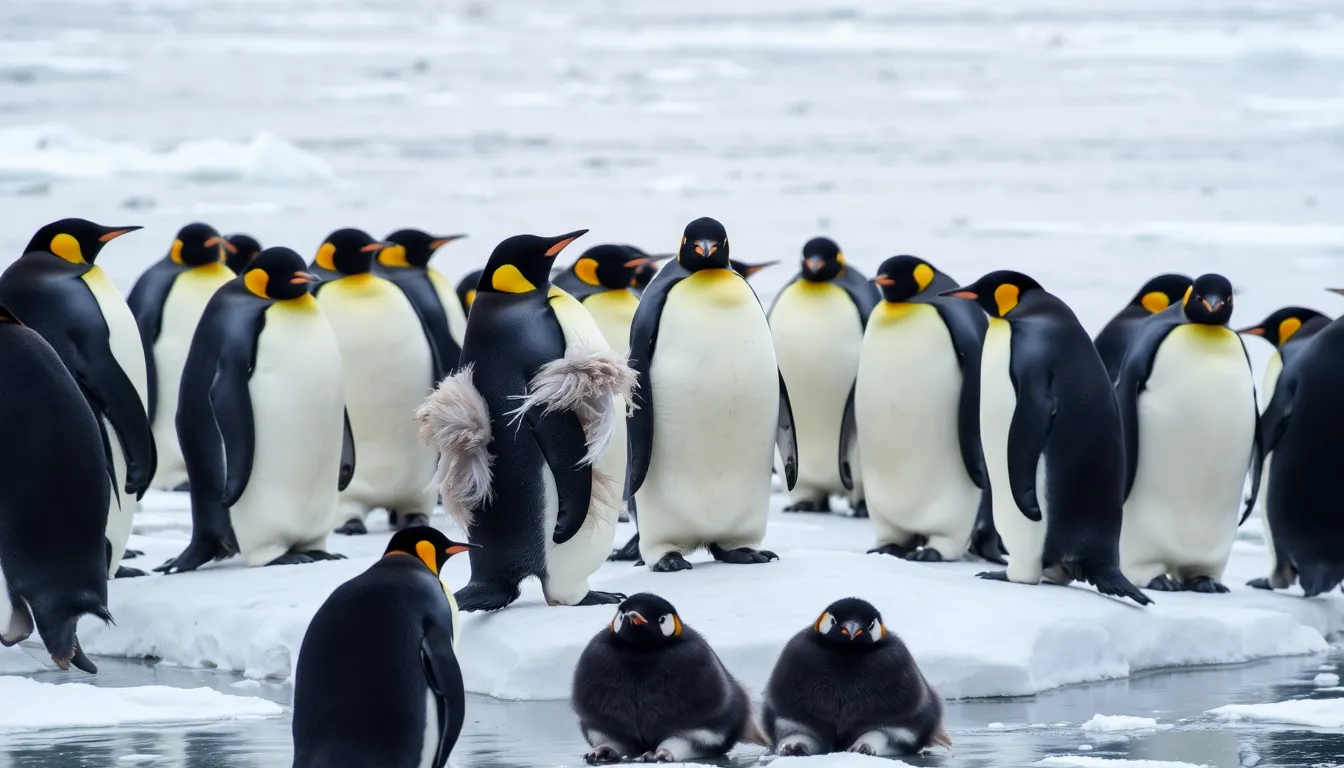
Historically, Emperor penguins have been known for their remarkable resilience in one of the planet’s most extreme habitats. Their breeding and moulting cycles are finely tuned to the Antarctic seasons, allowing them to survive and thrive despite the frigid temperatures and long periods of darkness. However, recent studies indicate that rising temperatures and changing ice conditions are disrupting these cycles, leading to a decline in penguin populations.
The impact of climate change
Climate change is not just an abstract concept; it has tangible effects on the habitats of Emperor penguins. The melting of sea ice, which serves as a platform for breeding and feeding, has been accelerating. This loss of habitat forces penguins to expend more energy to find food and can lead to increased mortality rates during the moult, a time when they are particularly vulnerable. As the environmental conditions continue to shift, scientists fear that the annual moult may become a more dangerous period for these penguins, potentially leading to further population declines.
Economically, the implications of declining Emperor penguin populations extend beyond conservation efforts. The Antarctic region is vital for global climate regulation, and the health of its ecosystems has far-reaching effects on fisheries and tourism industries. As these penguins struggle to adapt to changing conditions, the potential loss of biodiversity could have significant economic repercussions, highlighting the interconnectedness of environmental health and human interests.
In summary, the annual moult of Emperor penguins is a crucial event that has been shaped by historical resilience but is now threatened by contemporary challenges. Understanding the complexities of their life cycle and the impacts of climate change is essential for developing effective conservation strategies to protect these majestic birds and their habitat.
Key issues surrounding the health of Emperor penguins
The plight of Emperor penguins during their annual moult has garnered significant attention from various stakeholders, including scientists, conservation organizations, and governments. Each of these groups has a vested interest in understanding the implications of climate change and environmental factors on the survival of this iconic species. Their analyses reveal a complex interplay of ecological, legal, and economic issues that can impact both the penguins and the broader marine ecosystem.
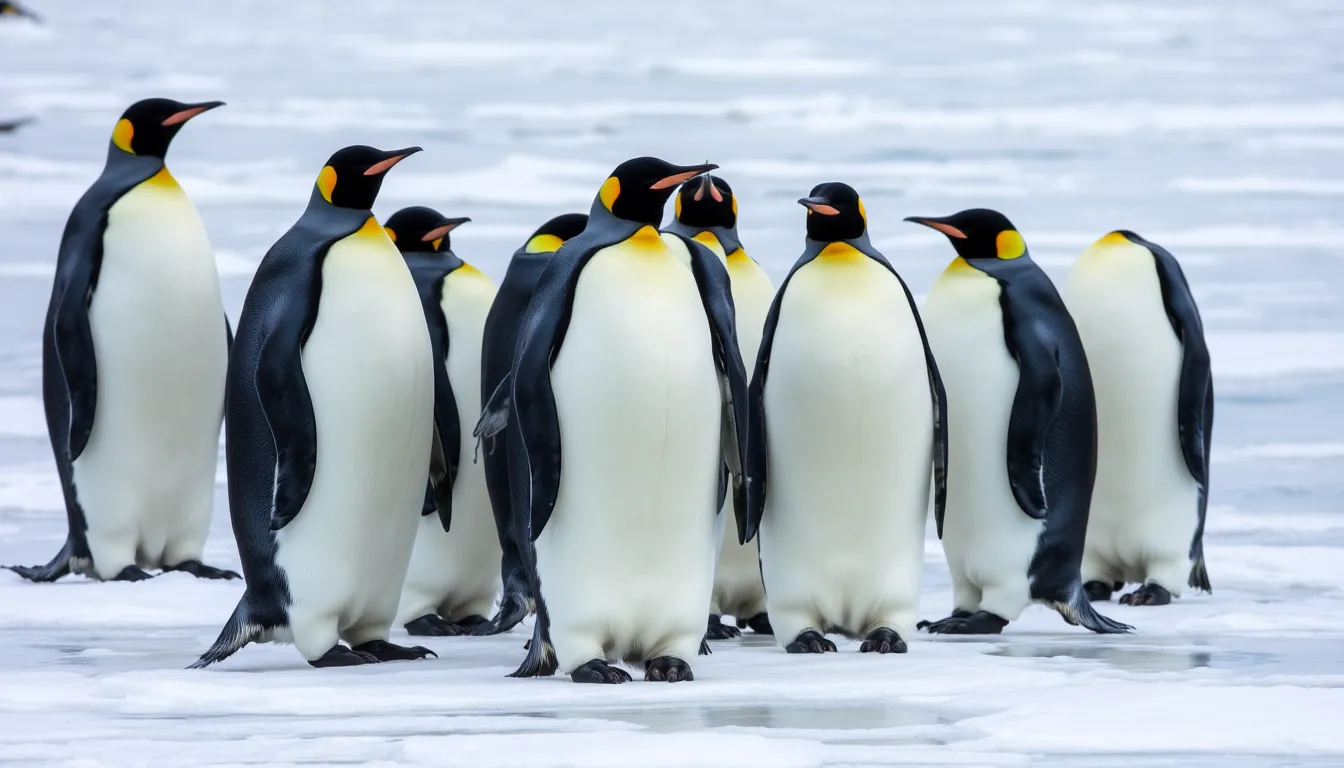
Scientists are primarily concerned with the physiological effects of the moult on Emperor penguins. The moult process requires substantial energy, and if the penguins are unable to find sufficient food due to changing ice conditions, it could lead to increased mortality rates. This situation raises questions about the availability of krill and other prey species, which are also affected by climate change. The research conducted by these scientists aims to provide data that can inform conservation strategies and policy decisions.
Conservation organizations play a crucial role in advocating for the protection of Emperor penguins and their habitat. Their interests often align with scientific findings, as they seek to raise awareness about the threats posed by climate change. However, they may also face challenges in securing funding and support for their initiatives. The trade-off between immediate conservation efforts and long-term ecological research can create tension among stakeholders, as resources are often limited.
Governments, particularly those in countries with significant Antarctic territories, are tasked with creating and enforcing policies that protect marine biodiversity. Legal frameworks such as the Antarctic Treaty System provide guidelines for conservation, but enforcement can be inconsistent. The economic interests of these governments, especially in relation to fishing and tourism, may conflict with conservation goals. This can lead to debates over resource allocation and the prioritization of environmental protection versus economic development.
- Climate Change Impact: Altered ice conditions affect food availability for penguins during moult.
- Funding for Conservation: Limited resources challenge the implementation of effective protection measures.
- Legal Frameworks: The effectiveness of existing treaties in protecting penguin habitats is under scrutiny.
- Economic Interests: Balancing fishing rights and tourism with conservation efforts poses significant challenges.
- Research Collaboration: Increased cooperation between scientists and conservationists is essential for effective policy advocacy.
The implications of moult-related challenges on penguin populations
The annual moult of Emperor penguins is not just a biological event; it has far-reaching consequences for various groups and industries. Researchers, conservationists, and policymakers are among those directly affected by the potential decline in penguin populations. The health of these iconic birds serves as a crucial indicator of the overall health of the Antarctic ecosystem, which is interconnected with global climate patterns.
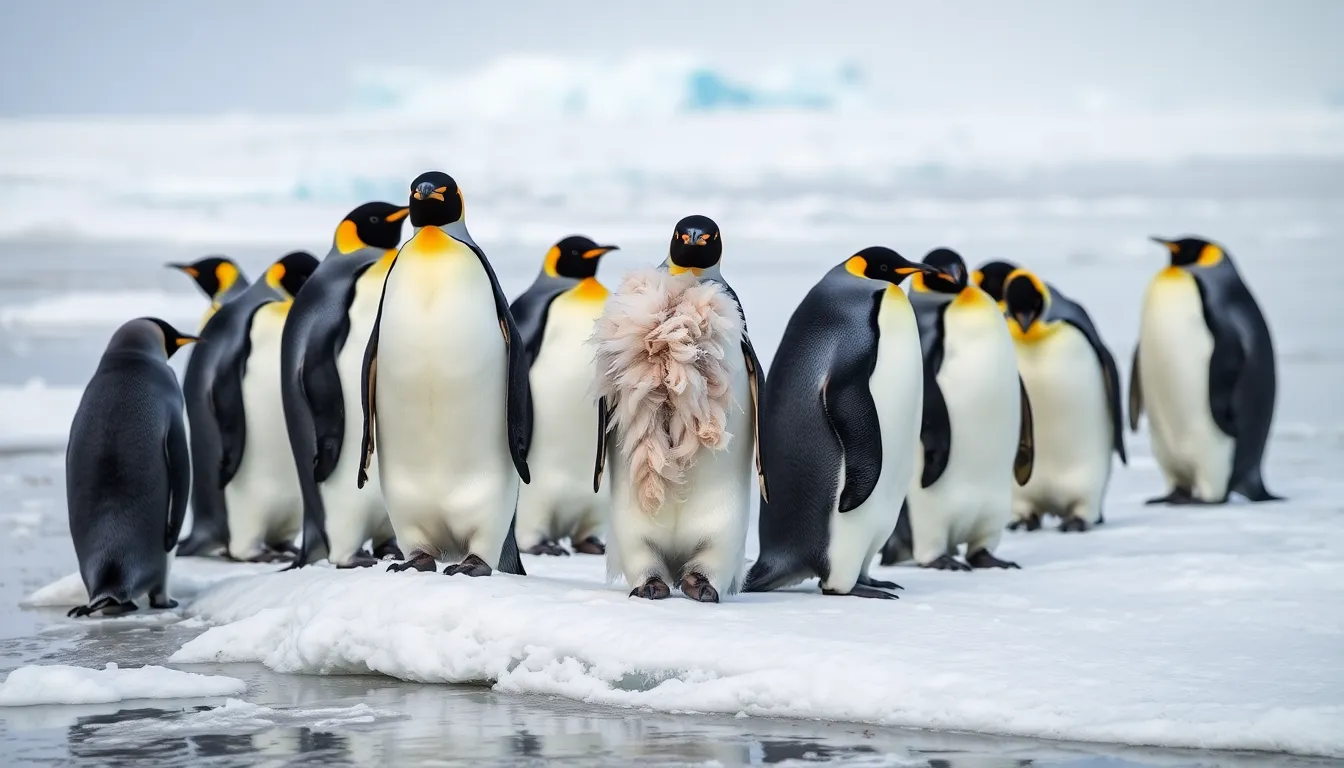
In the short term, the challenges faced by Emperor penguins during their moult can disrupt local tourism industries that rely on wildlife observation. Areas that attract visitors for penguin watching may see a decline in tourists if the populations dwindle or if the timing of the moult changes. This could lead to reduced revenue for local businesses, including tour operators, hotels, and restaurants.
Mid-term impacts may extend to researchers and conservation organizations that depend on stable penguin populations for ongoing studies and conservation efforts. A decrease in penguin numbers could lead to increased funding needs for research initiatives aimed at understanding the ecological changes affecting the species. Additionally, it may prompt policy changes regarding marine protected areas and fishing regulations to safeguard the penguins’ habitat.
While the risks are significant, there are also potential opportunities. Increased awareness of the challenges faced by Emperor penguins can lead to enhanced conservation efforts and funding for research. This heightened focus on penguin welfare may inspire collaborative initiatives among countries with interests in Antarctic ecology, fostering international cooperation in climate change mitigation and wildlife preservation.
- Impact on tourism and local economies in Antarctic regions.
- Increased funding needs for conservation and research initiatives.
- Potential policy changes regarding marine protection and fishing regulations.
- Opportunities for international collaboration on climate action.
A: The annual moult is a process where Emperor penguins shed their old feathers and grow new ones, which is vital for their insulation and waterproofing. A: During the moult, Emperor penguins cannot enter the water to feed, making them vulnerable to starvation if conditions are not favorable. A: Climate change can alter the timing and conditions of the moult, potentially leading to increased stress and lower survival rates for the penguins. A: Conservation efforts, including habitat protection and monitoring, are essential to ensure that Emperor penguins can successfully complete their moult.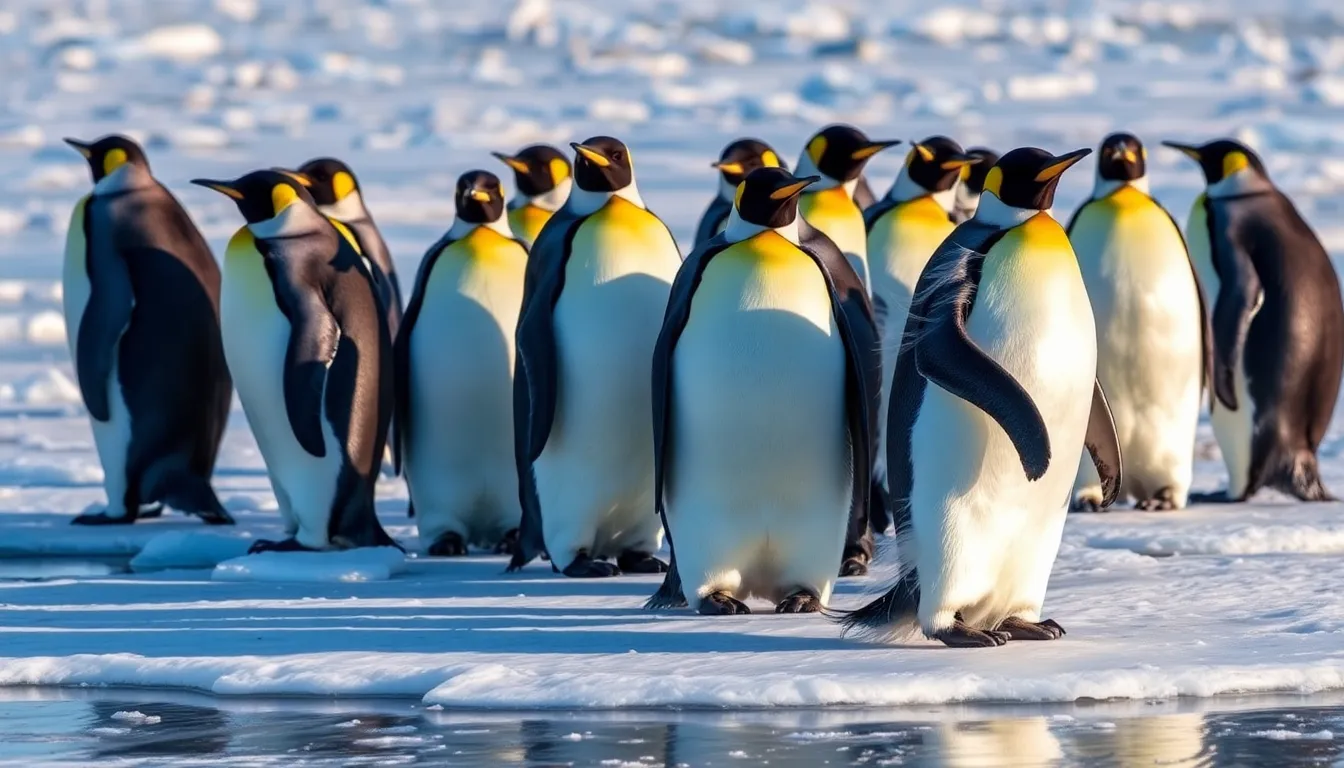
Frequently asked questions about Emperor penguins and their moult
Future outlook for Emperor penguins amid environmental changes
The ongoing challenges faced by Emperor penguins during their annual moult highlight the intricate relationship between climate change and wildlife survival. As temperatures rise and ice conditions shift, the implications for these iconic birds become increasingly severe. Understanding the impact of these environmental changes is crucial for developing effective conservation strategies.
Monitoring the health of Emperor penguin populations will be essential in the coming years. Researchers must focus on how variations in ice patterns and food availability influence their breeding success and overall resilience. By addressing these factors, we can better predict the future of this species and implement necessary interventions.
- Continued research is needed to assess the long-term effects of climate change on Emperor penguin habitats.
- Conservation efforts should prioritize the protection of critical breeding and moulting grounds.
- Public awareness campaigns can help garner support for initiatives aimed at mitigating climate change impacts.
- Collaboration between scientists and policymakers will be essential to develop adaptive strategies for wildlife management.
- Tracking the health and population dynamics of Emperor penguins can provide valuable insights into broader ecological changes in the Antarctic region.