
The victim, identified as 32-year-old Rahim, was reportedly apprehended after being accused of stealing livestock. Eyewitnesses described a chaotic scene where the mob, fueled by anger and a desire for retribution, took the law into their own hands. Despite the presence of police, the officers were unable to control the situation, leading to a tragic outcome that has sparked outrage across the country. This incident highlights the ongoing issues of mob justice in various contexts, emphasizing the need for effective law enforcement.
This incident is not an isolated case; it reflects a disturbing trend in Bangladesh where mob violence has become increasingly common. According to local human rights organizations, there have been numerous reports of similar incidents in recent years, often driven by a lack of trust in the judicial system. The government faces mounting pressure to address these issues and restore faith in law enforcement, mirroring discussions in the article about police accountability in other regions.
The international community has reacted strongly, with human rights groups calling for immediate action to prevent further occurrences of mob justice. Activists are urging the Bangladeshi government to implement reforms that ensure accountability and protect citizens from vigilante violence. The global attention on this incident could serve as a catalyst for change in a country grappling with issues of justice and human rights, akin to the concerns raised over misleading practices in media.
Exploring the background of mob violence in Bangladesh
Mob violence in Bangladesh has deep roots in the socio-political landscape of the country. The phenomenon can be traced back to a combination of historical grievances, political instability, and socio-economic disparities. Over the years, the interplay of these factors has created an environment where vigilantism and mob justice have become increasingly common, often leading to tragic outcomes.
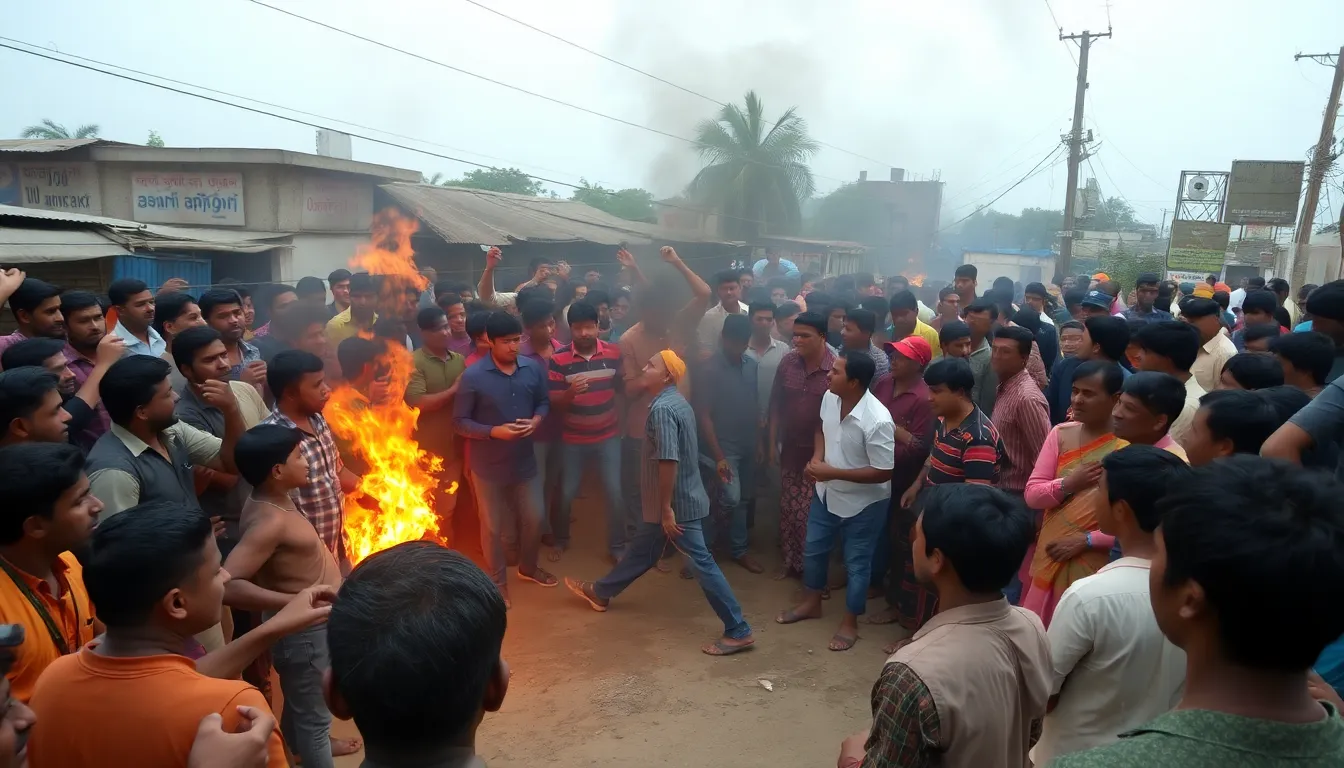
Historically, Bangladesh has faced significant challenges, including the legacy of colonial rule, the struggle for independence, and various political upheavals. Following its independence in 1971, the country experienced a series of military coups and political unrest, which have contributed to a fragile governance structure. Weak law enforcement and a lack of trust in the judicial system have further exacerbated the situation, leading citizens to take the law into their own hands when they perceive a failure of state institutions.
Economically, Bangladesh is classified as a developing nation, with a large portion of its population living in poverty. This economic disparity often fuels social tensions and creates a fertile ground for mob violence. In times of crisis, such as during economic downturns or political protests, frustrations can boil over, resulting in violent outbreaks against perceived wrongdoers or scapegoats.
Key incidents of mob violence
Several high-profile cases of mob violence have shocked the nation and drawn international attention. One notable incident occurred in 2019 when a young man was lynched by a mob over unfounded accusations of theft. Such incidents highlight not only the immediate consequences of mob justice but also the underlying societal issues that perpetuate this cycle of violence. The frequency of these events has raised alarms among human rights organizations and has prompted calls for urgent reforms in law enforcement and judicial processes.
Analyzing the stakeholders involved in the Bangladesh mob killing
The tragic mob killing in Bangladesh has drawn attention from various stakeholders, each with their own interests and concerns. The primary actors include the local community, law enforcement agencies, human rights organizations, and the government. Understanding their roles and motivations is crucial to grasping the broader implications of this incident.
The local community is a significant stakeholder, as the mob killing has instilled fear and raised questions about safety and justice. Many residents are concerned about the rise of mob violence and the perceived inadequacy of law enforcement to protect them. This incident may lead to increased community activism and demands for better security measures.
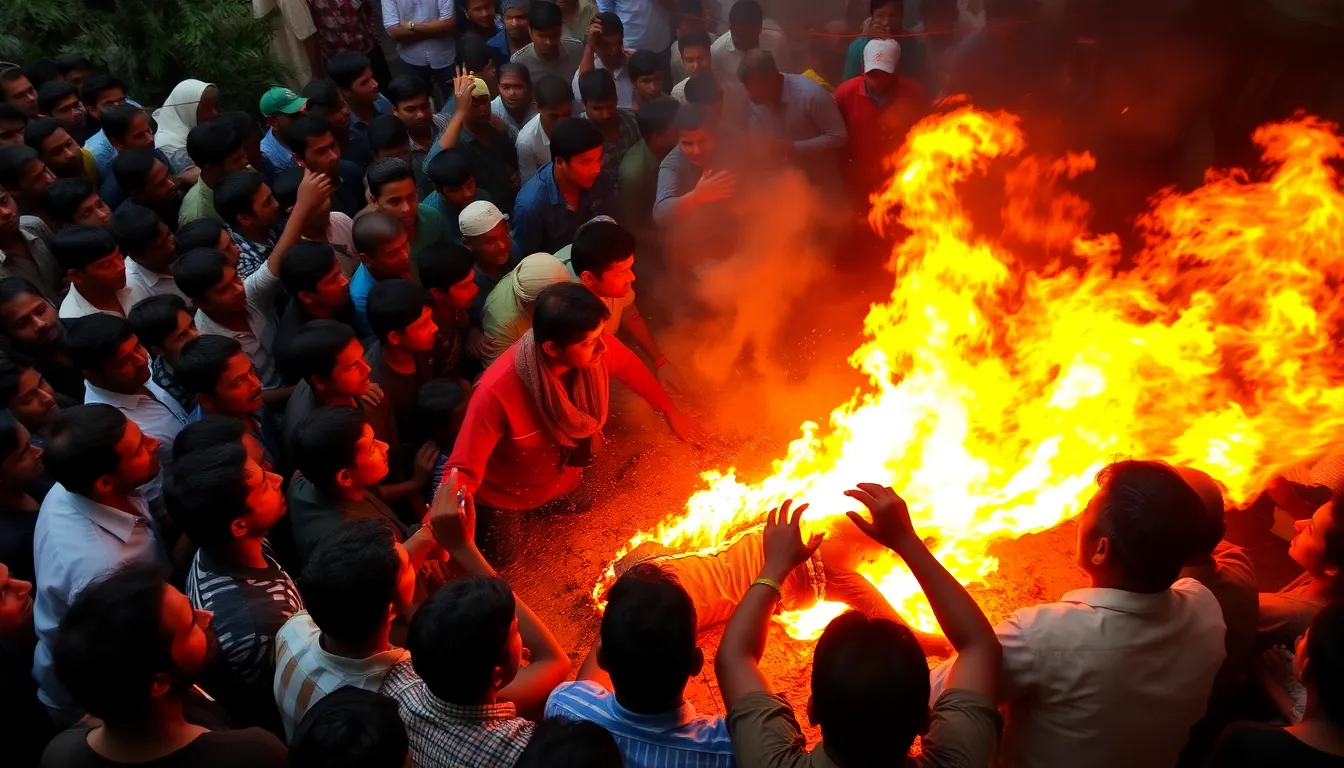
Law enforcement agencies are also key players in this scenario. Their response to the mob killing is under scrutiny, as the public expects accountability and effective measures to prevent future violence. The conflict arises from the challenge of balancing community safety with the need to uphold the rule of law. Critics may argue that police inaction or failure to intervene during the mob attack reflects systemic issues within the justice system.
Human rights organizations have expressed outrage over the killing, emphasizing the need for accountability and legal reform. They advocate for the protection of individual rights and the prevention of mob justice, which poses a significant threat to the rule of law. The trade-off here involves addressing community grievances while ensuring that justice is served without resorting to extrajudicial measures.
- Local community members fear for their safety and demand justice.
- Law enforcement faces pressure to improve response times and prevent mob violence.
- Human rights organizations call for legal reforms to protect individual rights.
- The government must navigate public outrage while maintaining order and justice.
- International observers are concerned about the implications for human rights in Bangladesh.
The impact of the mob killing on Bangladeshi society and beyond
The brutal mob killing in Bangladesh has sent shockwaves through various sectors of society, affecting not only the immediate community but also resonating across the globe. The incident highlights deep-rooted issues related to law enforcement, social justice, and human rights, impacting various groups including local communities, human rights organizations, and the international community.
In the short term, the incident has heightened fear and anxiety among citizens, particularly in areas where mob violence is prevalent. Businesses may experience a decline in customer footfall as people become more cautious about their safety. Additionally, the local economy could suffer as vendors and small businesses may shut down temporarily or reduce their operating hours due to safety concerns. The tourism sector, already struggling due to previous incidents, may face further setbacks as international media coverage spreads.
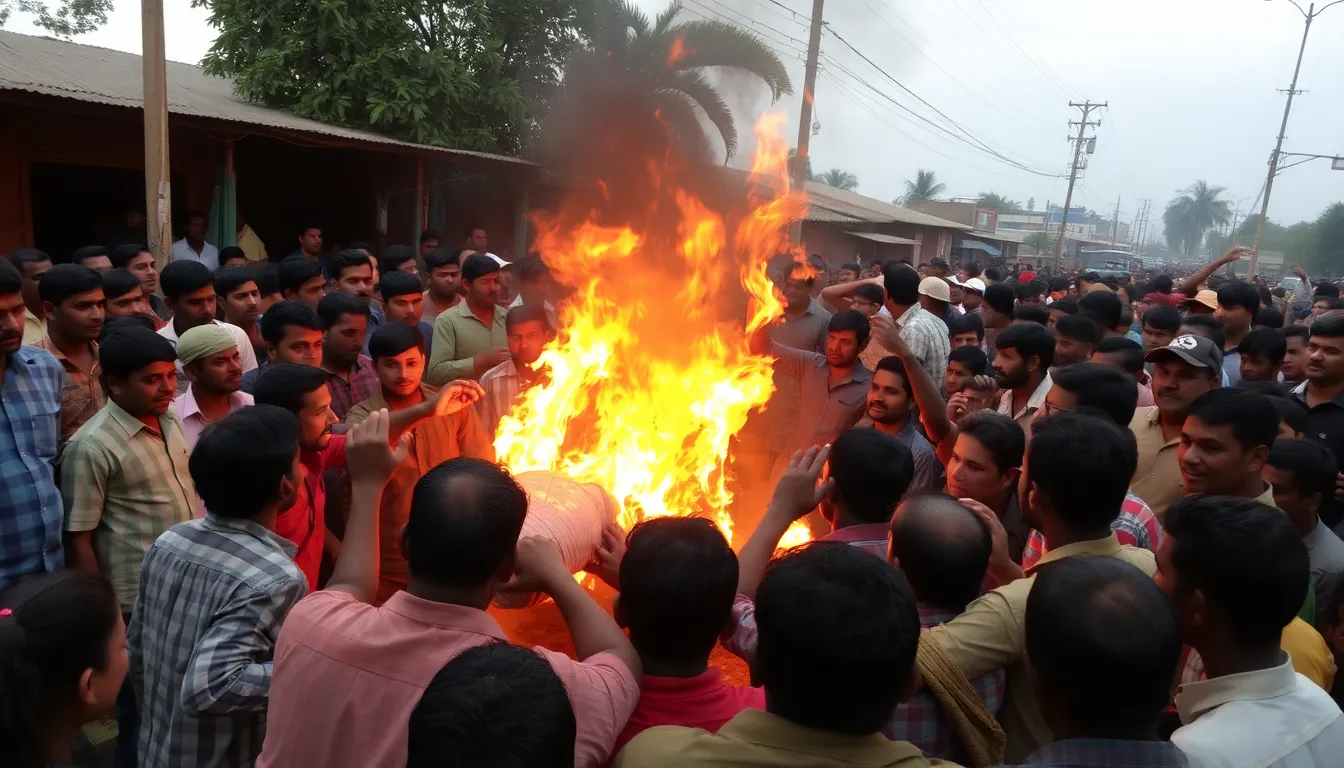
In the mid-term, this event may catalyze policy changes aimed at improving law enforcement and public safety measures. There is a potential for increased advocacy and pressure from both local and international human rights organizations to address systemic issues within the justice system. This could lead to reforms that enhance the protection of citizens and hold perpetrators accountable, although the implementation of such changes remains uncertain.
- Increased public awareness: Citizens may become more engaged in discussions about safety and justice.
- Potential for policy reform: Government may be pressured to enact laws that protect citizens against mob violence.
- Impact on local businesses: Economic activity may decline as fear grips communities.
- Global scrutiny: Increased attention from international media and organizations may lead to greater accountability.
While the immediate aftermath of the mob killing presents significant risks, it also offers an opportunity for societal reflection and change. Activism and community solidarity may strengthen as people come together to demand justice and reform. The potential for a renewed focus on human rights could foster a more resilient society in the long run, provided that the momentum for change is sustained.
A: The mob killing was triggered by rumors and accusations against the victim, leading to a violent response from the community. A: The government has condemned the violence and promised investigations, but many are calling for more substantial reforms to prevent future occurrences. A: Such acts of violence create a climate of fear and mistrust within communities, undermining social cohesion and safety. A: Mob violence often bypasses the legal system, leading to a culture of impunity and eroding public confidence in law enforcement. A: Yes, international human rights organizations have expressed outrage and called for accountability and justice for the victim.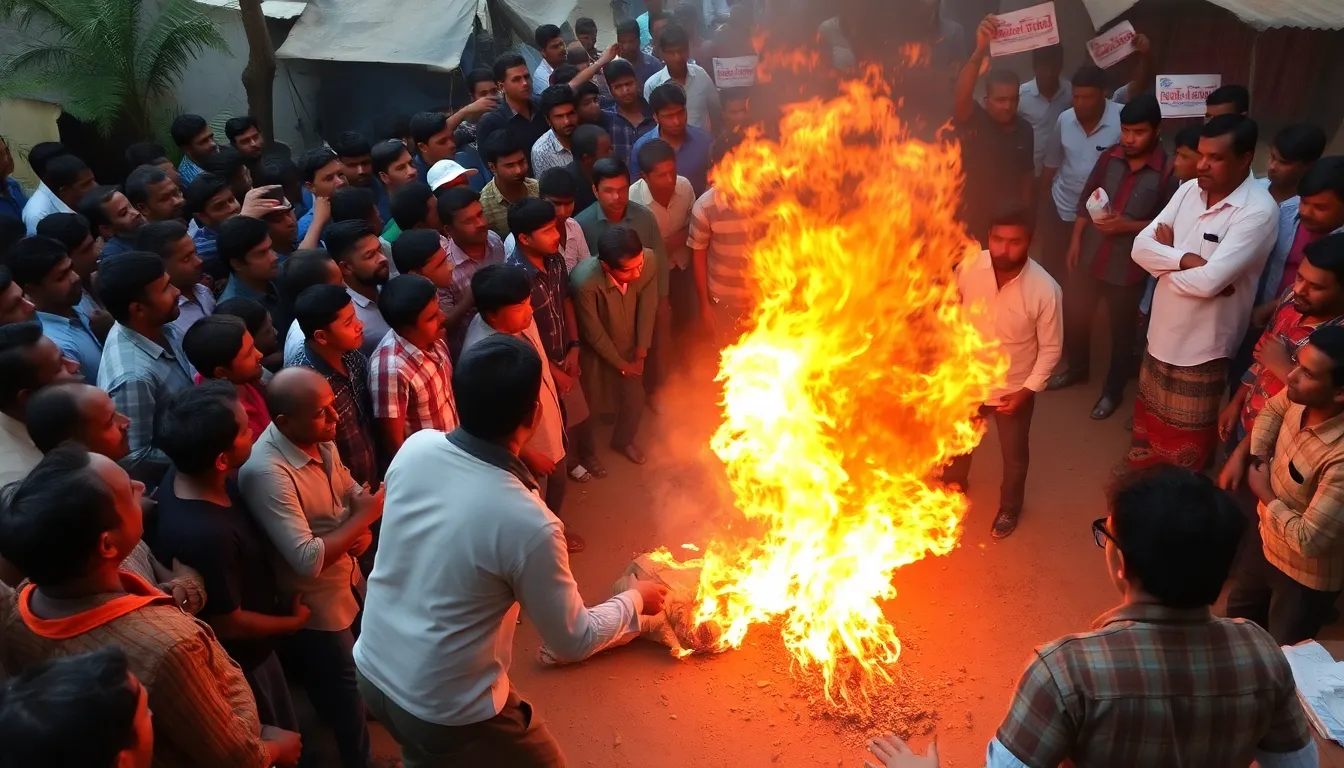
Frequently asked questions about the mob killing incident
Key insights and future outlook on mob violence in Bangladesh
The recent mob killing in Bangladesh has highlighted the urgent need for addressing the underlying issues that contribute to such violent acts. This incident, which drew international attention, serves as a stark reminder of the fragility of social order and the potential for mob mentality to escalate in times of perceived injustice. As communities grapple with fear and anger, the response from authorities and civil society will be crucial in shaping the future landscape of public safety and justice.
Moving forward, it is essential to foster dialogue and implement preventive measures that address the root causes of mob violence. Strengthening legal frameworks, enhancing community engagement, and promoting awareness about the consequences of mob justice are vital steps that can help mitigate the risks of similar incidents in the future.
- Increased community programs aimed at conflict resolution and education on legal rights may help reduce instances of mob violence.
- Monitoring social media and public discourse can provide early warnings about potential flashpoints for mob actions.
- Government accountability and transparent investigations into mob violence can restore public trust in law enforcement.
- Collaboration between local organizations and authorities is essential for creating comprehensive safety strategies.
- Continued international scrutiny may pressure the Bangladeshi government to take more decisive action against mob violence.