
The new paint job is expected to feature a fresh palette that includes shades of blue and white, reminiscent of the classic design used during the Kennedy administration, which has been pivotal in shaping American identity.
This makeover is significant not only for its aesthetic changes but also for its implications regarding national identity and presidential representation, drawing parallels to how Air Force One reflects the evolving narrative of American power.
The decision to revamp the aircraft’s paint scheme follows a series of upgrades to its technology and safety features, ensuring that Air Force One remains one of the most advanced and secure planes in the world. With an estimated cost of several million dollars, the project reflects the government’s commitment to maintaining the aircraft’s status as a vital asset for presidential travel.
Understanding the history and significance of Air Force One’s design
Air Force One, the official air transport for the President of the United States, has undergone various design changes since its inception. The iconic blue and white livery that many associate with the aircraft was first introduced in 1962 under President John F. Kennedy. This design was not merely aesthetic; it was a reflection of American identity and pride, symbolizing the power and prestige of the presidency.
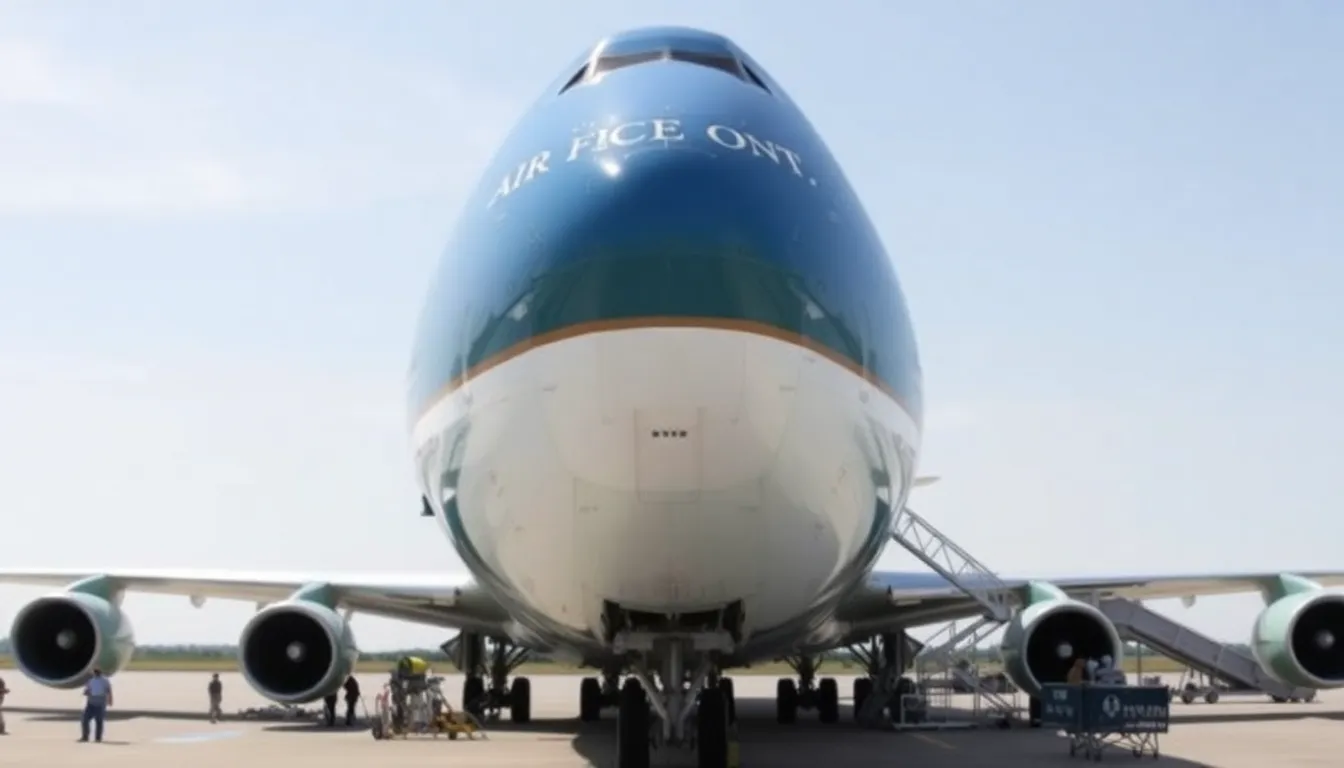
Historically, the aircraft has served as more than just transportation; it has been a tool for diplomacy and a symbol of American strength. The choice of colors and design elements has often been influenced by the political climate and the personal tastes of the sitting president. For instance, President Ronald Reagan favored a more traditional look, while President Barack Obama introduced subtle changes to modernize the aircraft’s appearance.
Economically, the maintenance and modernization of Air Force One are significant investments. The aircraft is equipped with advanced technology and security features that reflect the changing landscape of air travel and national security. As threats evolve, so too must the aircraft’s capabilities, which sometimes necessitates updates to its design, including its paint scheme.
The Role of Public Perception
Public perception plays a crucial role in the design of Air Force One. The aircraft is a symbol not just of the presidency but also of the nation itself. Changes in its appearance can evoke strong reactions from the public and the media, making it essential for administrations to consider how modifications will be received. The upcoming makeover is expected to balance tradition with modernity, aiming to resonate with both domestic and international audiences.
Key stakeholders and considerations in the redesign process
The upcoming paint job for Air Force One involves several key stakeholders, each with distinct interests and concerns. The primary actors include the U.S. government, particularly the White House and the Department of Defense, as well as contractors responsible for the design and execution of the paint job. Public opinion also plays a crucial role, as taxpayers often express their views on government spending and the symbolism of national aircraft.
One of the main interests of the U.S. government is to maintain the iconic status of Air Force One while modernizing its appearance to reflect current values and aesthetics, similar to how design influences perception in various sectors.
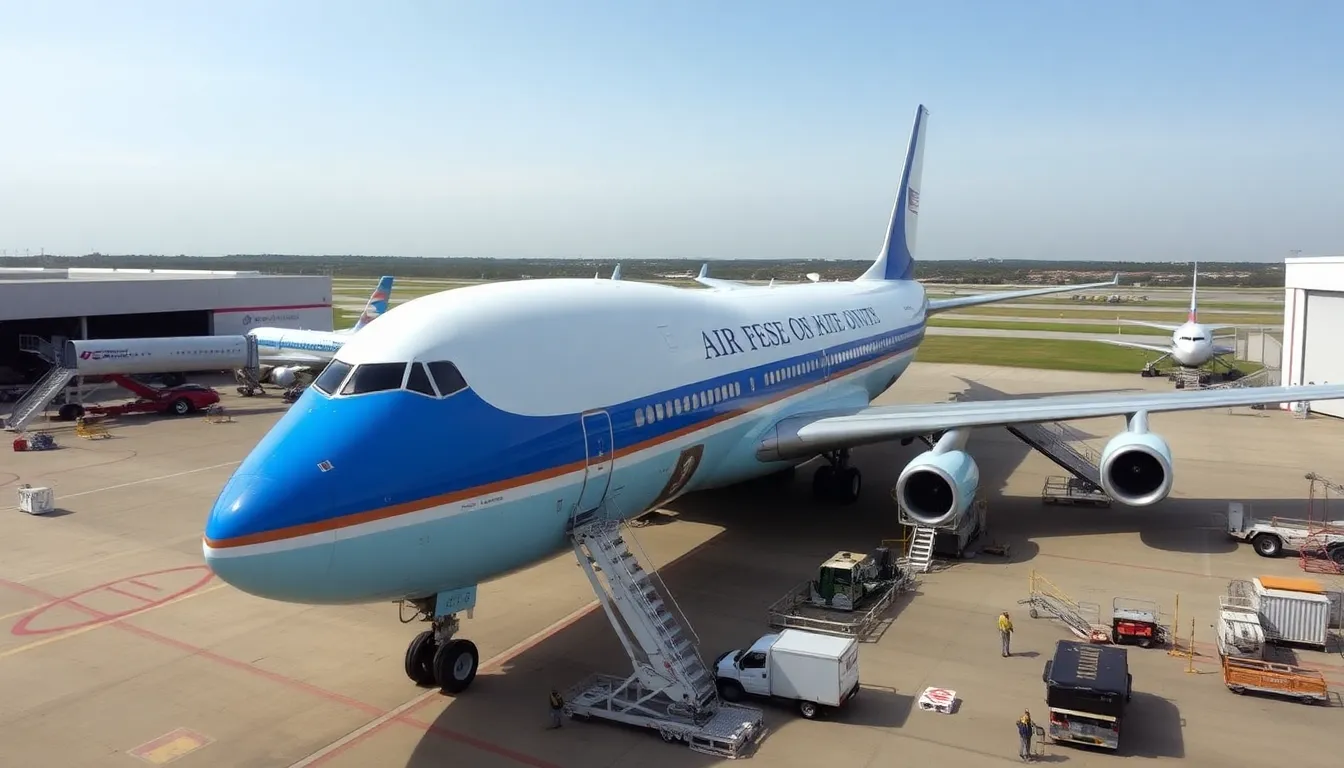
Contractors involved in the project may face conflicts related to budget constraints and timelines. The economic implications of the redesign could lead to trade-offs between high-quality materials and cost-effective solutions. Additionally, the choice of colors and design may spark debates over brand representation and national identity, raising questions about how the aircraft should visually communicate the values of the U.S. government.
- Public Sentiment: The redesign may provoke mixed reactions from the public, influencing the perception of government spending.
- Historical Significance: Balancing modern aesthetics with the traditional design could lead to conflicts among stakeholders.
- Budgetary Constraints: Economic considerations may limit the scope of the redesign, affecting the choice of materials and design elements.
- Symbolism: The new design must effectively represent the U.S. government while appealing to contemporary values.
- Contractor Interests: The contractors’ priorities may differ from those of the government, leading to potential disputes over execution and timelines.
How the new colors will affect public perception and national pride
The upcoming makeover of Air Force One with a fresh paint job is set to resonate with various groups across the nation. Primarily, it will impact the general public, military personnel, and government officials. The redesign aims to evoke a sense of national pride and modernity, which could foster a renewed connection between citizens and their government.
In the short term, the new colors may boost public interest in the presidency and the symbolism of Air Force One. This heightened attention could lead to increased tourism, particularly in areas where the aircraft is displayed or during public events. Additionally, the paint job could spark conversations about national identity and the representation of the United States on the global stage.
Mid-term impacts may include changes in how the aircraft is perceived internationally. A modernized look could enhance diplomatic relations by showcasing a forward-thinking image of the U.S. However, there are risks involved; any negative public reception or criticism regarding the costs associated with the makeover could lead to political backlash and debates over government spending.
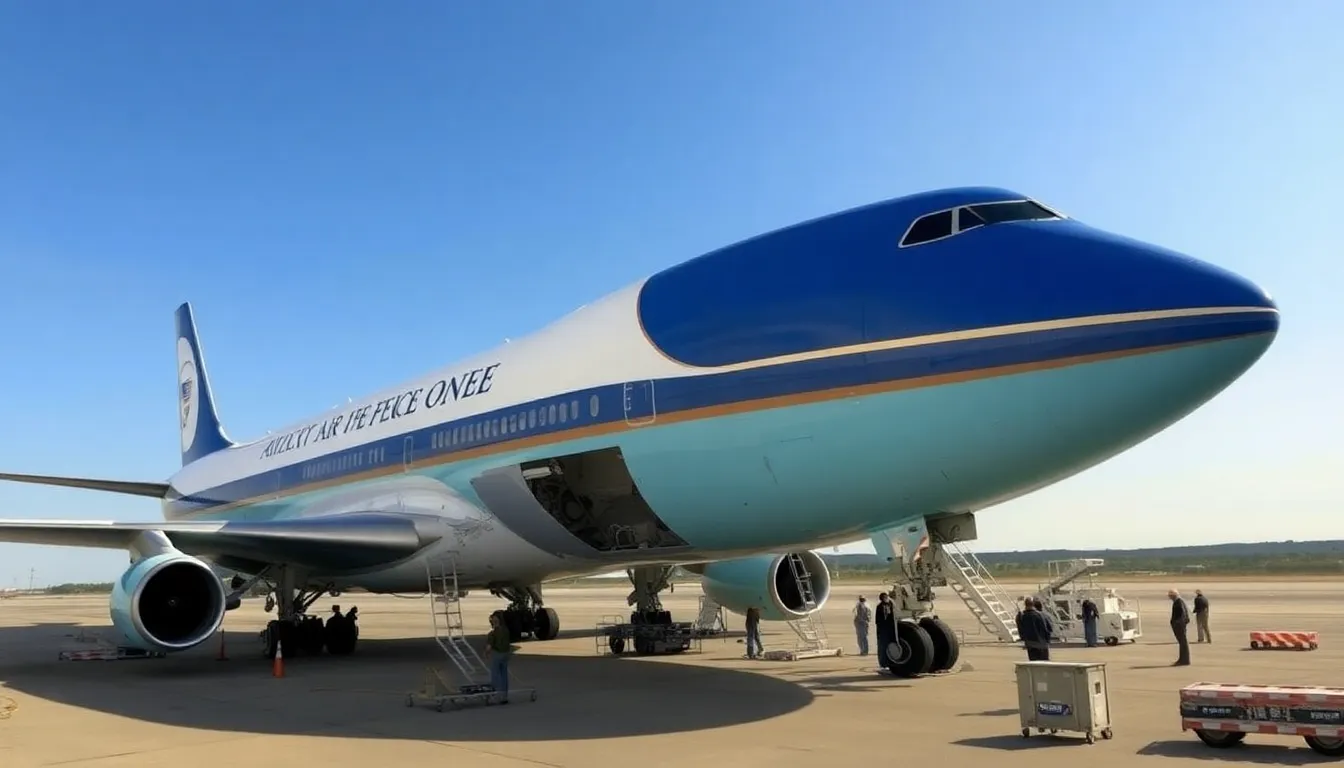
- Public Sentiment: Increased national pride and interest in presidential history.
- Tourism Boost: Potential rise in visitors to sites associated with Air Force One.
- Political Discourse: Possible controversies surrounding funding and symbolism.
- International Relations: Enhanced image of the U.S. abroad, with risks of misinterpretation.
Industries such as tourism, aviation, and public relations may find new opportunities for engagement and marketing, capitalizing on the renewed interest in Air Force One. This paint job could serve as a catalyst for discussions on modernization and innovation in government, potentially influencing policy decisions related to the maintenance and representation of national symbols.
A: The repainting is part of an effort to modernize the aircraft’s appearance and reflect current design trends while maintaining its iconic status. A: The timeline for the completion of the paint job is still being finalized, but it is expected to be completed within the next few months. A: No, the new colors will not affect the aircraft’s functionality; they are purely aesthetic changes. A: A team of designers and military officials are collaborating to create a design that honors tradition while embracing modernity. A: Air Force One typically receives a new paint job every few years to keep its appearance fresh and representative of the current administration.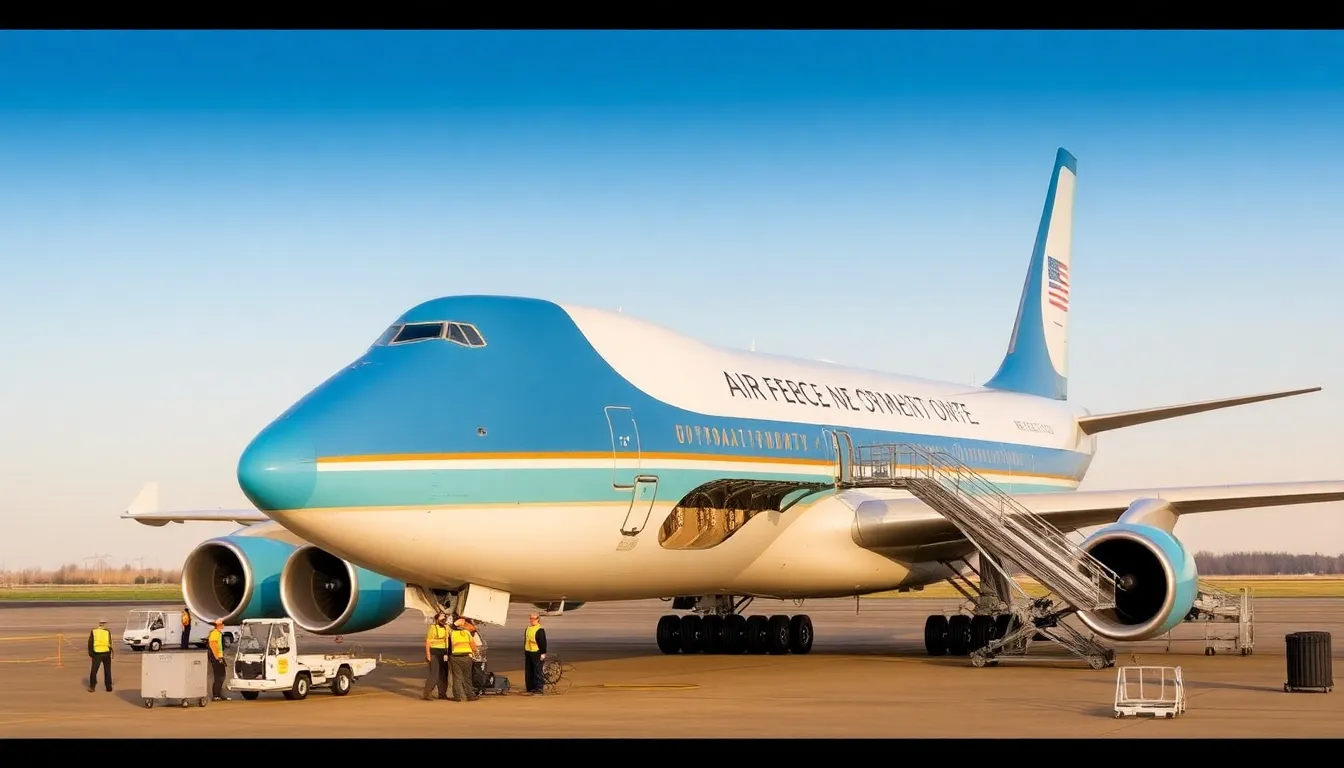
Frequently asked questions about the Air Force One makeover
Looking ahead: What the new paint job means for Air Force One
The upcoming makeover of Air Force One’s paint job signifies more than just a fresh coat of paint; it reflects the evolving identity of the U.S. presidency and its global image. As the iconic aircraft undergoes this transformation, it invites discussions about modernization, symbolism, and the role of aesthetics in diplomacy.
This new design could enhance the aircraft’s visibility and recognition on the global stage, potentially influencing public perception of American leadership. Additionally, the choice of colors and patterns may resonate with contemporary values, suggesting a shift towards a more inclusive representation of the nation’s ethos.
- The new paint job could serve as a strategic branding tool, aligning the presidency with current cultural narratives.
- Increased visibility of Air Force One may foster a stronger connection between the administration and the public.
- Future paint jobs might reflect changing political climates, making the aircraft a canvas for evolving national identity.
- Public reactions to the new design could provide insights into national sentiment and expectations of leadership.
- Monitoring international responses to the aircraft’s new look may reveal shifts in diplomatic relations and perceptions.