
Despite the recognition, the villagers are still awaiting the promised benefits that accompany such an honor. Local officials have indicated that the government is expected to provide financial support, infrastructure improvements, and social services to enhance the quality of life for residents. However, as of now, many villagers feel that these promises have not yet materialized, leading to a sense of uncertainty and frustration. For more insights on local development initiatives, check our article on government funding and infrastructure challenges.
The situation is further complicated by ongoing geopolitical tensions and the economic challenges facing the region. The war in Ukraine has diverted attention and resources, leaving many local initiatives underfunded. Residents of Komsomolskoye hope that their recognition will not only lead to immediate benefits but also bring greater stability and investment to their community in the long run.
As the village awaits its reward, the story of Komsomolskoye reflects broader issues within Russia regarding the treatment of war-affected communities. The gap between official recognition and tangible support raises questions about the effectiveness of government policies aimed at revitalizing areas impacted by conflict. The villagers continue to hold onto hope for a brighter future, as they navigate the complexities of their current circumstances, much like the ongoing situation discussed in our piece on France’s Raid on Social Media.
Understanding the historical significance of military valor in Russia
The concept of military valor has deep roots in Russian history, often intertwined with the nation’s identity and collective memory. From the medieval battles against invading forces to the monumental sacrifices made during the Great Patriotic War, valor in combat has been celebrated as a cornerstone of Russian nationalism. The recognition of bravery has not only served to honor individuals but has also played a crucial role in unifying communities and fostering a sense of pride among citizens.
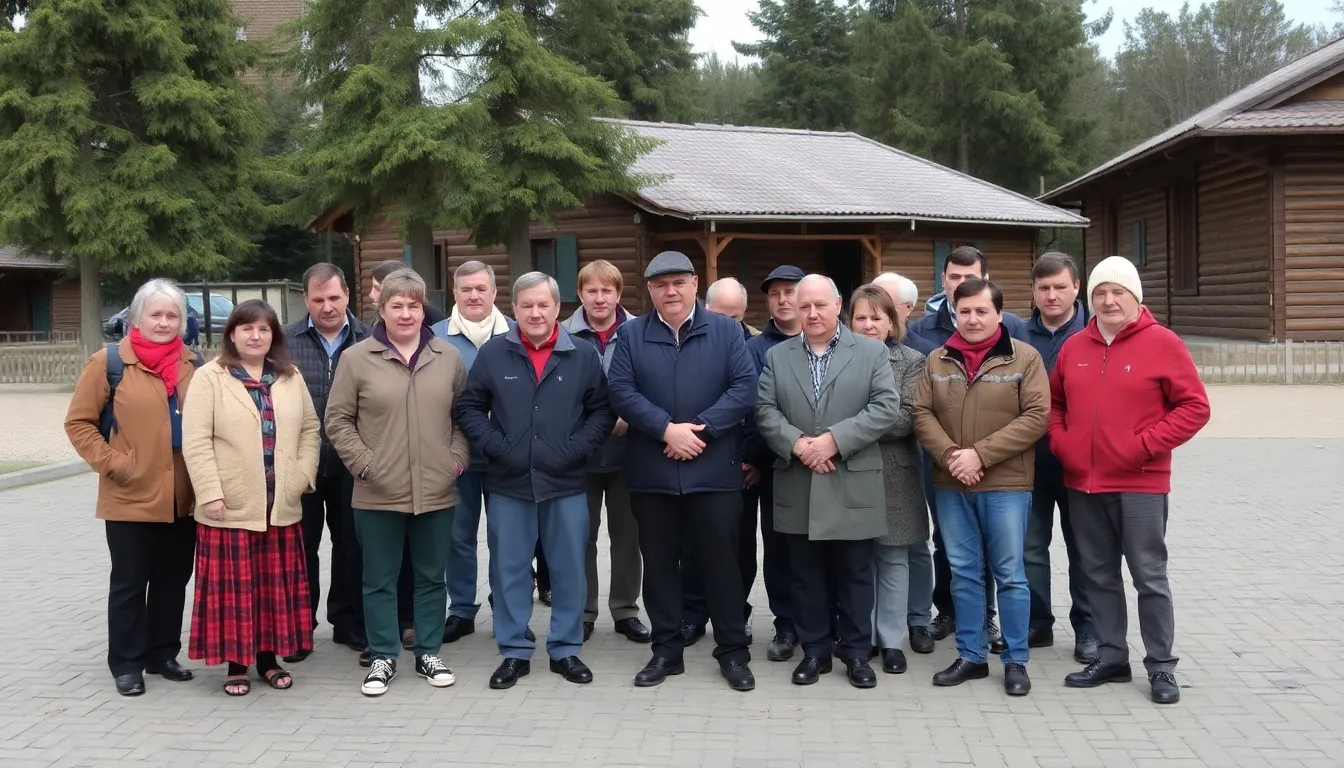
In modern Russia, the government has actively sought to promote this legacy through various initiatives, including the establishment of awards and honors for military service. The title of ‘Village of Military Valor’ is one such recognition, bestowed upon communities that have demonstrated exceptional bravery and support for military efforts. This title serves both as a tribute to the sacrifices made by local residents and as a means of reinforcing the state’s narrative of resilience and patriotism, paralleling themes of recognition found in discussions about national pride.
The socio-political context of military honors
The socio-political landscape in Russia has significantly influenced the emphasis on military valor. Following the dissolution of the Soviet Union, there was a resurgence of interest in national pride and historical achievements, which included a revival of military traditions. The Kremlin has leveraged these sentiments to consolidate power and bolster support for its military endeavors, particularly in the context of recent conflicts. The designation of villages and towns as sites of valor is a strategic move that aligns local identities with national narratives, reinforcing loyalty to the state.
As the conflict in Ukraine continues, the implications of such honors extend beyond mere recognition. They reflect a broader strategy to maintain public morale and justify military actions. Villages that receive the title often find themselves at the center of state-sponsored initiatives, which can lead to increased investment and attention from the government. However, this can also create a sense of dependency on state recognition, raising questions about the long-term sustainability of such honors in fostering genuine community resilience.
In summary, the historical significance of military valor in Russia is a complex interplay of cultural pride, political strategy, and social cohesion. As communities like the one in focus await their rewards, they navigate the tension between honor and the realities of state expectations, illustrating the profound impact of military recognition on local identities.
Key stakeholders and issues surrounding the village’s recognition
The recognition of the Russian ‘Village of Military Valor’ involves various stakeholders, each with distinct interests and motivations. The primary actors include local government officials, military leaders, and the residents of the village itself. Their collective actions and decisions will significantly impact the outcomes of the recognition process.
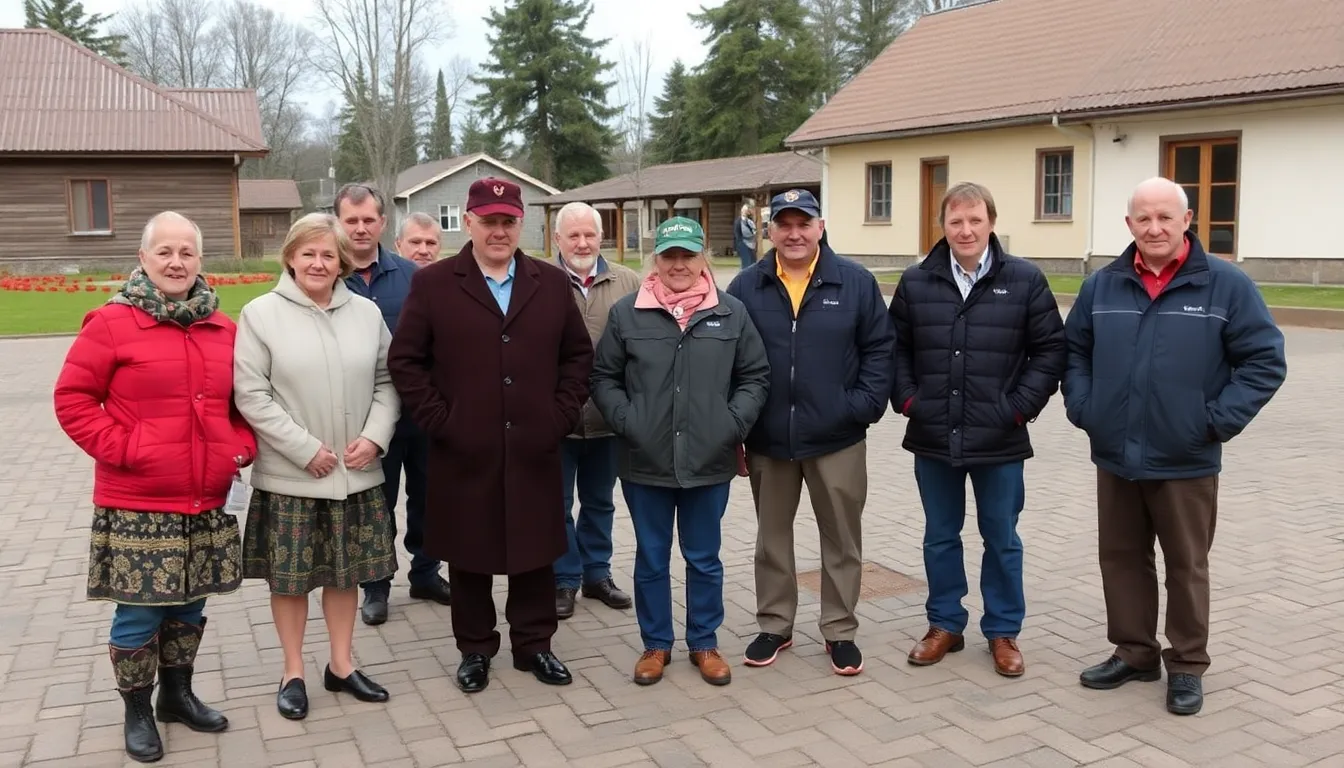
Local government officials are keen on enhancing the village’s profile to attract investment and tourism, seeing the honor as a potential economic boost. This recognition can lead to infrastructure improvements and increased funding for local services, aligning with broader regional development goals.
On the other hand, military leaders and the Ministry of Defense may have differing priorities. While they support the village’s recognition for its historical significance and contributions to national defense, they may also face pressure to balance this with other military commitments and resource allocations across the country.
Residents of the village, who have lived through the challenges of conflict and military engagement, seek validation and support for their sacrifices. Their interest lies in receiving tangible benefits from the recognition, such as improved living conditions and public acknowledgment of their contributions, which could foster a sense of community pride.
- Economic Impact: Potential for increased tourism and investment in local infrastructure.
- Military Resource Allocation: The need to balance recognition with other military commitments.
- Community Validation: Residents desire acknowledgment of their sacrifices and improved living standards.
- Political Ramifications: The recognition may influence local and national political dynamics.
- Legal Considerations: Issues surrounding the criteria and processes for such honors may arise.
The impact on the local community and military families
The designation of a Russian ‘Village of Military Valor’ brings significant attention to the local community, primarily affecting military families and residents who have direct ties to the armed forces. These families may experience a heightened sense of pride and recognition, but they also face the pressure of expectations associated with such honors.
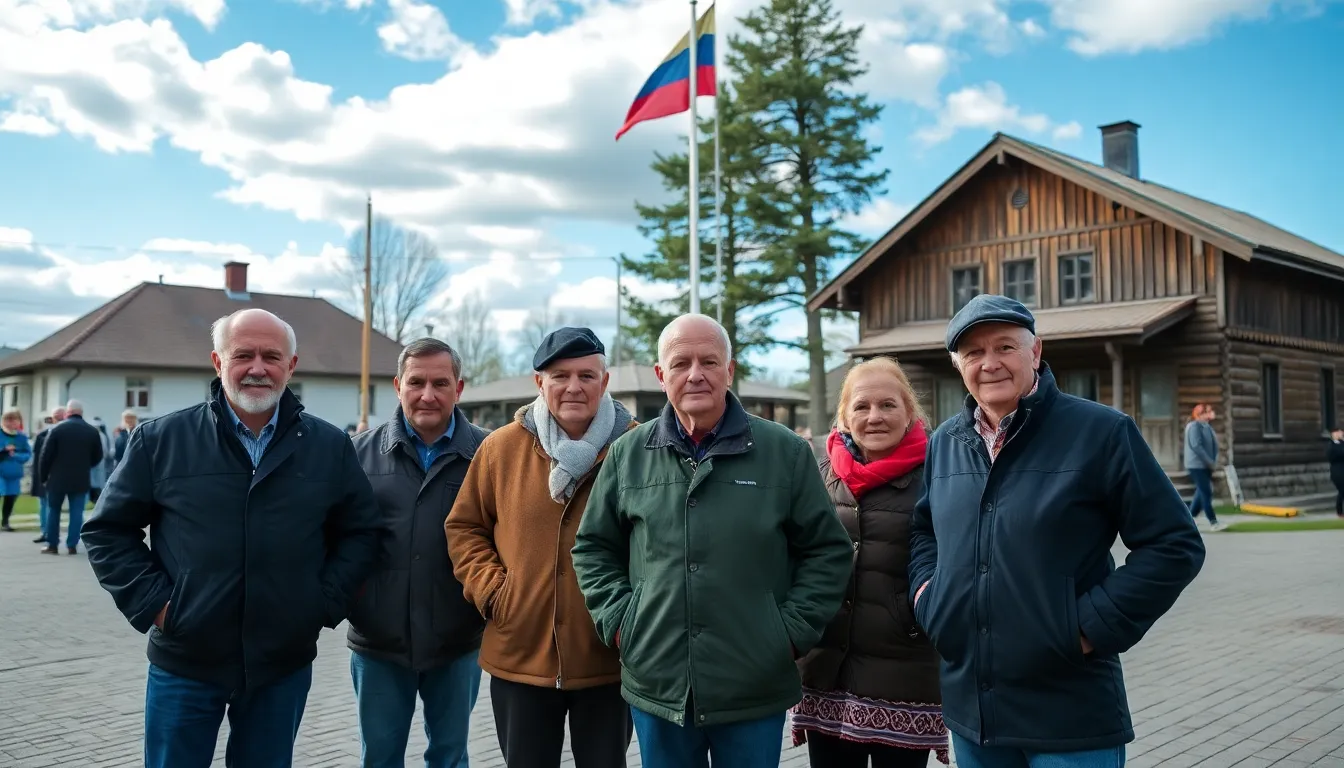
In the short term, local businesses may see an uptick in economic activity as visitors and media flock to the area to celebrate its new status. This could lead to increased sales for shops, restaurants, and service providers, creating a temporary boost in the local economy. However, the influx of attention may also strain local resources and infrastructure, as the community adjusts to the new demands placed upon it.
In the mid-term, the village may become a focal point for military commemorations and events, potentially leading to a more stable flow of tourism. This could provide long-term economic benefits and opportunities for local entrepreneurs. However, there are risks associated with becoming overly reliant on military tourism, as fluctuations in national sentiment or policy changes could impact visitor numbers.
- Economic boost: Increased business for local shops and services.
- Community pride: Enhanced recognition for military families and veterans.
- Infrastructure strain: Possible challenges in accommodating increased visitors.
- Tourism opportunities: Potential for sustainable tourism growth in the long run.
- Policy risks: Vulnerability to changes in government support or military focus.
Overall, while the designation brings immediate benefits and recognition, the community must navigate the balance between leveraging these opportunities and managing the associated risks to ensure lasting positive impacts on daily life and local businesses.
A: Recognition for military valor signifies that the village has made significant contributions to military efforts, often resulting in honors or awards from the government. A: The recognition has instilled a sense of pride among residents, but it also brings expectations for support and resources from the government. A: Rewards can include financial aid, infrastructure development, and commemorative events to honor the village’s contributions. A: Yes, several villages across Russia have received similar honors, each with their own unique stories of valor. A: The village faces challenges such as economic development, maintaining its historical significance, and ensuring the well-being of its residents.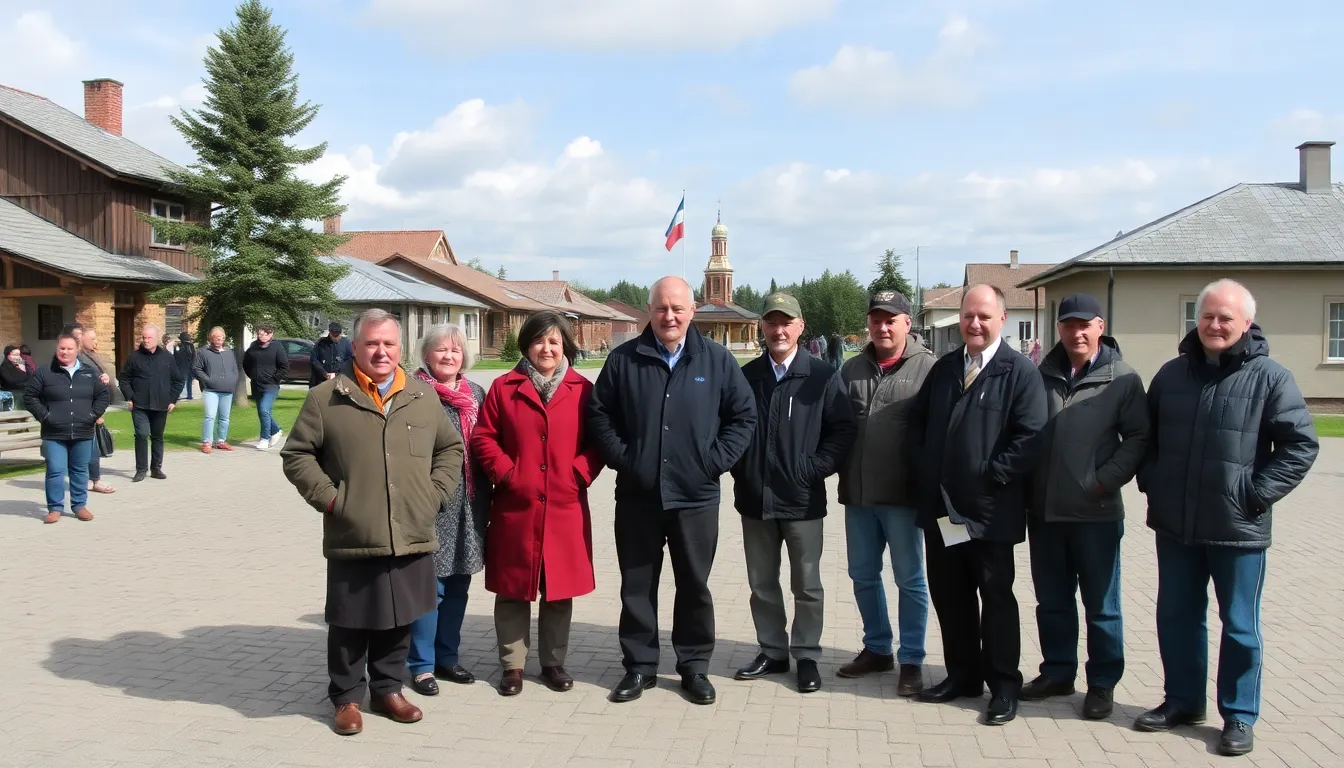
Frequently asked questions about the village and its recognition
Insights on the future of the village and its recognition
The designation of a village as a ‘Village of Military Valor’ carries significant implications for its residents and the broader community. As the village awaits tangible rewards for its recognition, the anticipation reflects a deeper connection between military honor and local identity. This situation highlights the potential for increased support and resources, but also raises questions about the sustainability of such recognition in the long term.
Moving forward, the village’s experience may serve as a case study for other communities seeking similar honors. The interplay between government recognition and local development initiatives will be crucial in determining how effectively the village capitalizes on its new status.
- Monitor government actions regarding funding and support for the village following its recognition.
- Observe community engagement and initiatives that arise as residents seek to enhance their local identity.
- Evaluate the impact of this recognition on the village’s economy, particularly in tourism and local businesses.
- Consider the long-term effects of military honors on community cohesion and pride.
- Watch for potential replication of this model in other regions aiming for similar recognition and benefits.