
One of the key challenges in combating food fraud is the sophistication of fraudulent schemes. Criminal networks have become adept at exploiting loopholes in regulations, often using advanced methods to mimic legitimate products. For instance, a recent investigation in Europe uncovered a large-scale operation that sold fake olive oil labeled as high-quality extra virgin, affecting numerous retailers and consumers. Such incidents emphasize the urgency of understanding food fraud in today’s market.
The economic impact of food fraud is substantial, with estimates suggesting that it costs the global food industry over $30 billion annually. This financial burden not only affects businesses but also undermines public trust in food systems. In 2021, the U.S. Department of Agriculture reported that food fraud incidents could lead to a decline in consumer confidence, impacting sales across various sectors.
Furthermore, the COVID-19 pandemic has exacerbated the situation, as disruptions in supply chains have made it easier for fraudsters to introduce counterfeit products into the market. A study conducted in 2023 highlighted that the pandemic created an environment where oversight was weakened, allowing fraudulent activities to proliferate. As a result, stakeholders are increasingly recognizing the need for enhanced collaboration and transparency in the food industry, akin to the way other industries address compliance and quality issues.
Technological advancements and their limitations in combating food fraud
Food fraud has a long and complicated history, dating back centuries when traders would adulterate spices and other goods to maximize profits. The rise of global trade and the increasing complexity of food supply chains have only exacerbated the issue. With the introduction of sophisticated technologies aimed at ensuring food safety and authenticity, one might assume that food fraud would decline. However, the reality is more nuanced, as technological advancements often struggle to keep pace with the ingenuity of fraudsters.
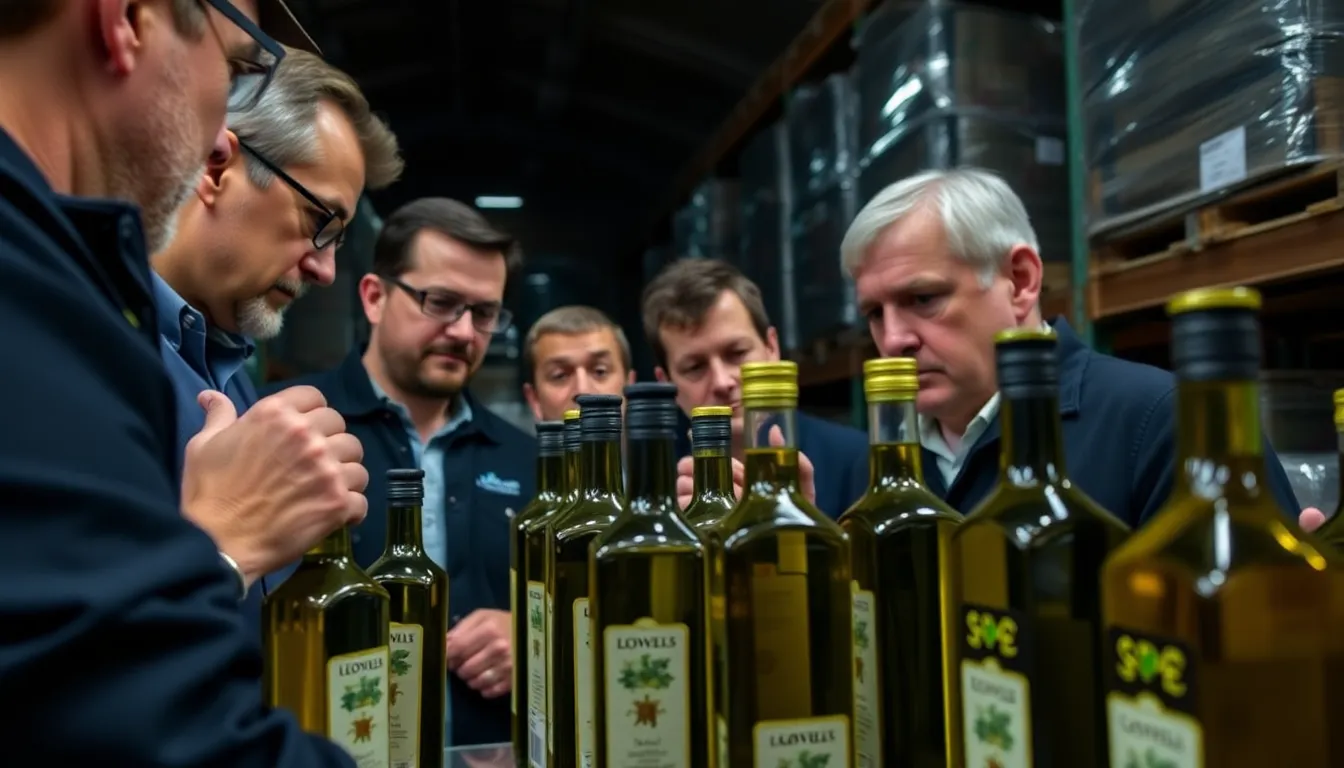
Historically, food fraud has been driven by economic incentives. In times of economic hardship, the temptation to cut corners and misrepresent products becomes more pronounced. For example, during the Great Depression, cases of diluted milk and mislabelled products surged as businesses sought to maintain profit margins. This pattern persists today, where the global food market’s estimated value of over $8 trillion creates ample opportunity for deception, especially in high-value commodities like olive oil, honey, and seafood.
Moreover, regulatory frameworks have often lagged behind technological innovations. While advancements such as blockchain and DNA testing provide promising solutions for tracking and verifying food sources, the implementation of these technologies is inconsistent across different regions and sectors. This disparity creates vulnerabilities that fraudsters exploit, as they can operate in areas with weaker regulations or less oversight.
The Role of Consumer Awareness
Consumer awareness plays a crucial role in the fight against food fraud. As more people become educated about food sourcing and quality, they demand transparency from producers. However, this demand often clashes with the realities of the supply chain, where the journey from farm to table is fraught with complexities that can obscure the truth. Even with advanced technologies, consumers may still fall victim to deceptive marketing practices, leading to an ongoing cycle of mistrust and exploitation in the food industry.
Key stakeholders and the complexities of food fraud
Food fraud is a multifaceted issue involving various stakeholders, each with distinct interests and motivations. Key actors include food manufacturers, retailers, consumers, regulatory agencies, and advocacy groups. Understanding their roles and the conflicts that arise among them is essential to addressing the persistent problem of food fraud.
Food manufacturers and retailers are primarily concerned with profit margins and brand reputation. They face pressure to deliver high-quality products at competitive prices, which can lead to unethical practices such as mislabeling or adulteration. Consumers, on the other hand, seek transparency and safety in their food supply, often demanding organic or sustainably sourced options. This creates a tension between the need for affordability and the desire for quality, leading to potential compromises in food integrity.

Regulatory agencies play a crucial role in monitoring food safety and enforcing standards. However, they often operate with limited resources and face challenges in keeping up with the rapid evolution of food fraud tactics. This can result in inconsistent enforcement and gaps in oversight, allowing fraudulent practices to persist. Advocacy groups work to raise awareness and push for stricter regulations, yet their influence can be limited by political and economic considerations.
- Economic pressures: Manufacturers may cut corners to reduce costs, leading to an increased risk of food fraud.
- Technological advancements: While technology can improve traceability, it can also be exploited by fraudsters to create counterfeit products.
- Consumer trust: Erosion of trust in food systems can have long-term impacts on public health and market stability.
- Regulatory challenges: Inconsistent regulations across regions complicate enforcement and compliance efforts.
- Global supply chains: The complexity of international sourcing makes it difficult to monitor and verify the authenticity of food products.
In summary, the interplay between these stakeholders reveals a complex landscape where economic, legal, and ethical considerations intersect. Each actor’s interests can lead to conflicts that perpetuate food fraud, highlighting the need for a collaborative approach to enhance food safety and integrity, similar to emerging trends discussed in market competition.
The effects of food fraud on consumers and the industry
Food fraud affects a wide range of stakeholders, including consumers, food manufacturers, retailers, and regulatory bodies. Consumers are often the most directly impacted, as they may unknowingly purchase adulterated or mislabeled products. This can lead to health risks, financial losses, and a general erosion of trust in food systems.
In the short term, the immediate impacts on consumers include health concerns arising from consuming contaminated or unsafe products. For businesses, food fraud can result in financial losses due to recalls, legal actions, and damage to brand reputation. Retailers may face increased scrutiny and regulatory pressures, leading to further operational challenges.
In the mid-term, the effects of food fraud can ripple through the supply chain. Companies may need to invest in more robust tracking and authentication technologies to ensure product integrity. This could increase operational costs, but it also presents opportunities for innovation in food safety technologies. As consumers become more aware of food fraud, there is a growing demand for transparency and traceability in food sourcing.

- Health risks for consumers due to unsafe food products.
- Financial losses for businesses from recalls and legal issues.
- Increased regulatory scrutiny on food safety practices.
- Opportunities for innovation in tracking and authentication technologies.
- Shift in consumer behavior towards transparency and ethical sourcing.
Regions most affected by food fraud include those with complex supply chains and less stringent regulations. Developing countries often face significant challenges in monitoring food safety, while developed nations are increasingly focusing on enhancing their regulatory frameworks. The ongoing evolution of food fraud tactics necessitates a proactive approach from all stakeholders to mitigate risks and seize opportunities for improvement.
A: Common types of food fraud include mislabeling, adulteration, and counterfeit products. These practices can deceive consumers and undermine trust in food safety. A: Technology aids in detecting food fraud through methods like blockchain for traceability, DNA testing, and advanced analytics. However, these technologies are not foolproof and can be circumvented. A: Companies may engage in food fraud to cut costs, increase profits, or meet consumer demand for certain products. Economic pressures can drive unethical practices despite the risks involved. A: Consumers may face health risks from unsafe products, financial losses from overpaying for inferior goods, and a general erosion of trust in food systems. A: Consumers can protect themselves by purchasing from reputable sources, being aware of product labels, and staying informed about food recalls and safety alerts.
Frequently Asked Questions about food fraud
Future outlook on food fraud and technology’s role
As the food industry continues to evolve, the persistent issue of food fraud highlights the need for a multifaceted approach that combines advanced technology with comprehensive regulatory frameworks. While innovations such as blockchain and DNA barcoding show promise in enhancing traceability and transparency, they are not foolproof solutions. The complexity of global supply chains and the ever-evolving tactics of fraudsters necessitate ongoing vigilance and adaptation within the industry.
Looking ahead, stakeholders must prioritize collaboration between technology developers, regulatory bodies, and food producers to create a robust defense against food fraud. By fostering a culture of accountability and leveraging technological advancements, the industry can better safeguard consumer trust and ensure food integrity.
- Invest in continuous training for staff on the latest fraud detection technologies and practices.
- Encourage partnerships between tech companies and food manufacturers to develop tailored solutions for specific fraud risks.
- Monitor regulatory changes and adapt compliance strategies proactively to stay ahead of potential threats.
- Implement consumer education initiatives to raise awareness about food fraud and its implications.
- Explore the use of artificial intelligence to analyze patterns and predict potential fraud activities in supply chains.