
The Rise of New Prediction Markets
In recent months, prediction markets such as Kalshi and Polymarket have gained significant traction, positioning themselves as formidable competitors to traditional economic forecasting methods.
This shift has sparked discussions about the reliability and accuracy of market-driven predictions compared to traditional economic analyses.
Recent data indicates that the volume of trades on these platforms has surged, with Kalshi reporting over $1 million in trades on its markets within the first month of 2023 alone. This burgeoning activity highlights a growing interest in the democratization of economic forecasting, where everyday individuals can contribute to and benefit from the prediction process. As these platforms continue to evolve, they challenge the established norms of how economic forecasts are generated and validated.
The competition between Kalshi and Polymarket is not just limited to market share; it also raises questions about regulatory oversight and the ethical implications of prediction markets. As both platforms navigate the complexities of compliance, their strategies could shape the future landscape of economic forecasting and the role of professional economists. The outcomes of this competition may redefine how society perceives and utilizes economic predictions in decision-making processes.
Understanding the Background of Kalshi and Polymarket
The emergence of platforms like Kalshi and Polymarket represents a significant evolution in the way predictions about economic and political events are made and monetized. These platforms allow users to trade on the outcomes of real-world events, effectively creating a marketplace for information and speculation. This development can be traced back to the broader trend of utilizing technology to democratize access to financial markets and information, a shift that has gained momentum in recent years.
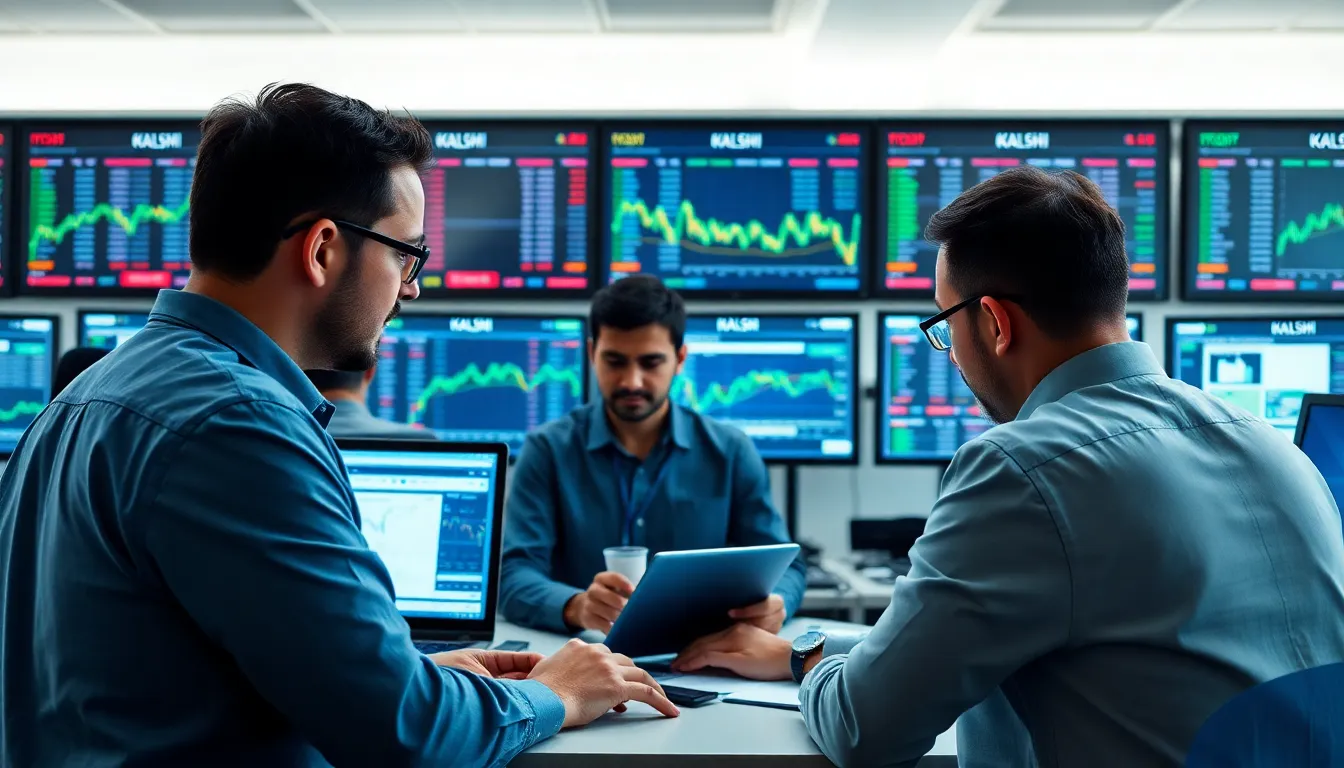
Historically, prediction markets have existed in various forms, with notable examples including the Iowa Electronic Markets established in the 1980s. These early platforms demonstrated the potential for collective intelligence to forecast outcomes more accurately than traditional methods. However, regulatory hurdles and skepticism from mainstream economists limited their growth. The rise of cryptocurrencies and blockchain technology has reinvigorated interest in prediction markets, providing a decentralized framework that appeals to a new generation of investors and analysts.
The Regulatory Landscape
This shift has opened the door for a new wave of competition among economists and analysts, who now face alternative methods of forecasting beyond conventional models.
As Kalshi and Polymarket gain traction, they challenge the traditional roles of professional economists and forecasters. The ability for anyone to place bets on outcomesfrom election results to economic indicatorsmeans that the wisdom of crowds can now compete with expert opinions. This democratization of forecasting not only enhances engagement but also raises questions about the accuracy and reliability of predictions made by professional economists in the face of rapidly evolving technology and market dynamics.
In summary, the rise of Kalshi and Polymarket is indicative of a larger trend towards the integration of technology in economic forecasting. As these platforms continue to grow, they may redefine the landscape of economic analysis and prediction, compelling traditional economists to adapt or risk obsolescence in a rapidly changing environment.
Key Stakeholders and Issues in the Economic Forecasting Space
As the landscape of economic forecasting evolves, platforms like Kalshi and Polymarket are emerging as significant players. These entities introduce a new competitive dynamic that challenges traditional economists and forecasting methods. Understanding the main stakeholders involved and their respective interests is crucial for grasping the broader implications of this shift.

Key stakeholders include:
- Kalshi and Polymarket: These platforms aim to democratize access to economic predictions by allowing users to trade on the outcomes of future events. Their interests lie in attracting a diverse user base while ensuring regulatory compliance.
- Professional Economists: Traditional economists and analysts are concerned about the reliability and validity of predictions made through betting markets. They seek to maintain their authority and relevance in the field, often viewing these platforms as potential disruptors.
- Regulatory Bodies: Governments and regulatory agencies are tasked with overseeing the legality of these betting markets. Their interests revolve around consumer protection, market integrity, and ensuring that these platforms operate within the bounds of existing laws.
- Investors and Traders: Individuals and institutions looking to capitalize on market predictions are also key stakeholders. Their interests include maximizing returns and minimizing risks associated with betting on economic outcomes.
The emergence of these platforms raises several key issues. One major concern is the potential for misinformation, as predictions may be influenced by speculative trading rather than grounded economic analysis. Additionally, there are ongoing debates about the legality of these platforms in various jurisdictions, which could impact their operations and growth.
Moreover, the interaction between traditional economic forecasting and these new platforms poses trade-offs. While betting markets can provide real-time insights into public sentiment and expectations, they may also undermine the credibility of established economic models if they begin to dominate the conversation around economic forecasting.
Impact on Economists and Financial Markets
The emergence of platforms like Kalshi and Polymarket is set to disrupt traditional economic forecasting and financial analysis. Professional economists, who rely on established methods and data, may find their roles challenged as these prediction markets gain traction. This shift affects not only individual economists but also academic institutions and think tanks that depend on conventional economic models.
Industries such as finance, technology, and policy-making will experience significant changes as these platforms offer real-time insights into market sentiments and predictions. Investors and corporate strategists may leverage data from these markets to make more informed decisions, potentially leading to a more dynamic business environment. However, this also poses risks, as reliance on prediction markets could lead to volatility and misinformation if not properly regulated.
Regions with a strong presence in technology and finance, such as Silicon Valley and Wall Street, are likely to see the most immediate impacts. The ability to bet on economic outcomes could influence local economies, shaping how businesses operate and how policies are formulated. In the short term, this could lead to a surge in entrepreneurial ventures aimed at harnessing the predictive capabilities of these platforms.
- Opportunities: Enhanced decision-making for businesses and investors.
- Risks: Potential for misinformation and market manipulation.
- Impact on Employment: Shift in demand for traditional economic roles.
- Policy Implications: Need for new regulations governing prediction markets.
In the mid-term, as these platforms mature, we may see a more integrated approach to economic forecasting that combines traditional methods with insights from prediction markets. This could lead to more accurate economic models but also requires economists to adapt and evolve their skill sets to remain relevant in this changing landscape.
A: Kalshi and Polymarket are platforms that allow users to trade on the outcomes of future events, utilizing prediction markets to forecast economic trends. A: These platforms introduce competition by offering alternative methods for forecasting, potentially challenging the authority and methodologies of traditional economists. A: A prediction market is a marketplace where participants can buy and sell contracts based on the outcome of future events, effectively aggregating information and opinions. A: Both platforms operate under specific regulatory frameworks, but the extent of regulation can vary by jurisdiction and the nature of the contracts offered. A: Yes, generally anyone can participate in prediction markets like Kalshi and Polymarket, but there may be age and location restrictions.
Frequently Asked Questions about Kalshi and Polymarket
Future Outlook for Economic Prediction Markets
The emergence of platforms like Kalshi and Polymarket marks a significant shift in the landscape of economic forecasting. By allowing individuals to bet on economic outcomes, these markets not only democratize access to predictive analytics but also provide a real-time gauge of public sentiment regarding future economic events. This innovation presents both opportunities and challenges for professional economists, who may need to adapt their methodologies and approaches in response to this new competition.
As these prediction markets gain traction, economists will need to closely monitor their impact on traditional forecasting methods. The accuracy and reliability of predictions generated through betting markets could challenge established economic models, prompting a reevaluation of how forecasts are made and utilized in policy-making. The interplay between these platforms and conventional economic analysis is likely to shape the future of economic predictions.
- Watch for the integration of prediction market data into mainstream economic models, enhancing their accuracy.
- Consider the potential for prediction markets to influence public policy decisions based on real-time sentiment.
- Evaluate the implications of increased competition for professional economists and their traditional roles in forecasting.
- Monitor regulatory responses to ensure that these markets operate transparently and fairly.
- Observe how the success of these platforms could inspire similar innovations in other sectors beyond economics.