
However, a notable number of Australians have taken to social media to voice their concerns, arguing that the portrayal is overly traditional and does not resonate with the contemporary Australian identity. For those interested in similar discussions, the TikTok social media addiction lawsuit provides insight into how public sentiment can influence cultural narratives.
The criticism has been amplified by ongoing debates surrounding Australia’s constitutional ties to the British monarchy. As discussions about a potential referendum on becoming a republic gain traction, the coin’s design has become a focal point for those advocating for change. Critics argue that the coin symbolizes an outdated connection to colonial history, which they believe should be reexamined in light of Australia’s current social landscape.
In response to the backlash, the Royal Australian Mint has stated that the design was created with the intention of honoring the Queen’s legacy. However, the controversy highlights a growing divide in public opinion regarding the monarchy’s place in Australian society. As Australia continues to grapple with its national identity, the dialogue surrounding the coin serves as a reminder of the complexities involved in commemorating historical figures within a modern context.
Understanding the significance of royal portraits in Australia
The recent release of a coin featuring the late Queen Elizabeth II has reignited discussions about the relevance and implications of such representations in a modern, multicultural society, much like how Air India faced scrutiny regarding its grounded jets and public perception.

Historically, royal portraits have served not only as a means of honoring the monarchy but also as a reflection of national identity. The presence of the Queen’s image on Australian currency has been a tradition since her ascension to the throne in 1952. However, as Australia grapples with its colonial past and the ongoing quest for reconciliation with Indigenous peoples, the display of royal imagery has come under scrutiny, prompting debates about the appropriateness of such symbols in contemporary Australia.
The political landscape
Nevertheless, the conversation surrounding Australia’s ties to the monarchy continues, especially in light of growing calls for a national identity that is more inclusive and representative of its diverse population. The ongoing debates are similar to the controversies seen in various sectors, including those affecting social media platforms like TikTok.
Moreover, the economic implications of royal portraits on currency cannot be overlooked. The minting of coins featuring the monarchy involves not only artistic considerations but also economic factors related to public sentiment and market demand. As Australians increasingly question the relevance of royal imagery, the potential impact on the currency’s acceptance and value becomes a topic of concern among economists and policymakers alike.
In summary, the release of the coin portrait of Queen Elizabeth II has highlighted the complex interplay between historical reverence, political aspirations, and economic considerations in Australia. As the nation continues to evolve, the significance of royal portraits remains a contentious issue that reflects broader societal values and aspirations.
Key stakeholders and issues surrounding the coin design
The recent unveiling of a coin portrait of the late Queen Elizabeth II has sparked a significant debate in Australia, involving various stakeholders with differing interests. The primary actors in this scenario include the Australian government, the Royal Australian Mint, advocacy groups, and the general public. Each of these stakeholders has its own perspective on the coin’s design and its implications for national identity and heritage.
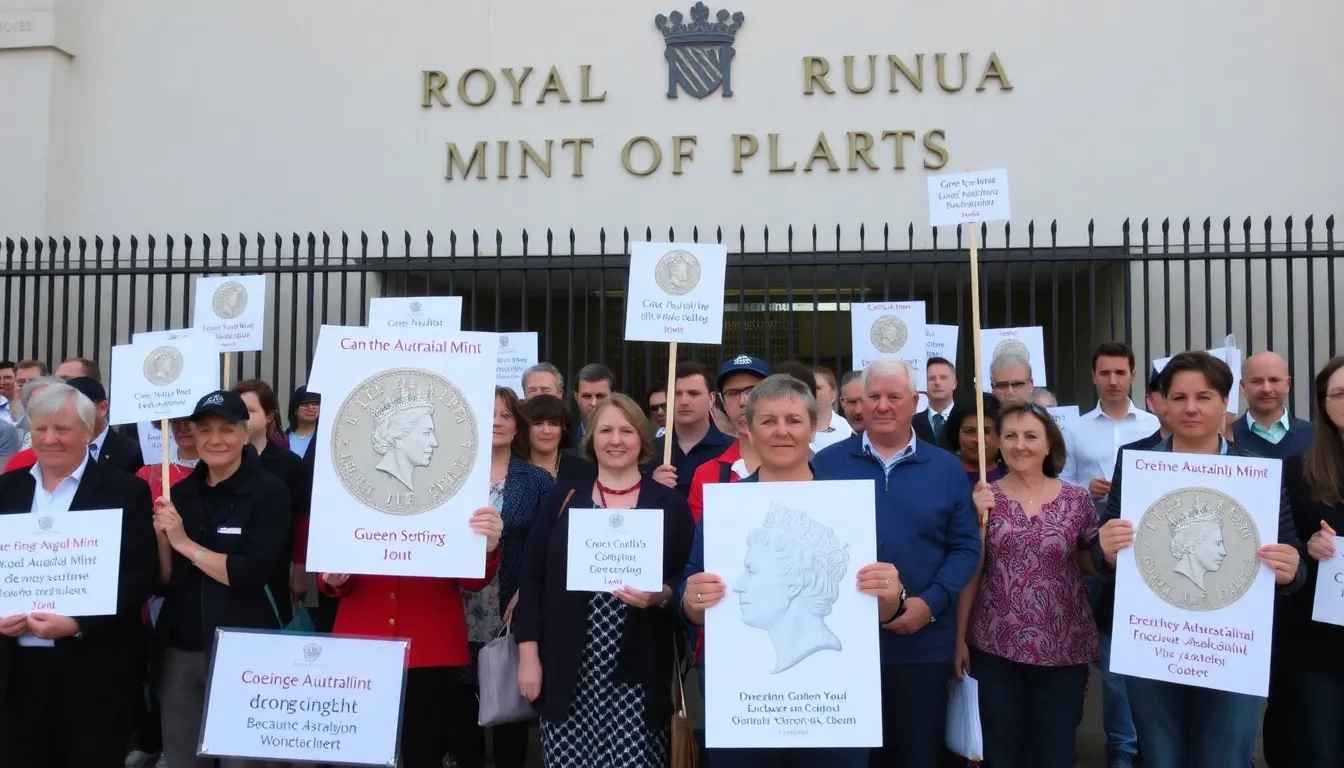
The Australian government, as the issuer of the coin, aims to honor the legacy of the Queen while also navigating public sentiment about the monarchy. There are concerns regarding the relevance of royal imagery in a nation that has ongoing discussions about becoming a republic. The government’s stance reflects a balance between tradition and the evolving national identity.
The Royal Australian Mint, responsible for the coin’s production, has a vested interest in creating a design that resonates with the public while adhering to legal and artistic guidelines. The Mint must consider the artistic integrity of the coin alongside the commercial viability of its release, as public reception can significantly influence sales and collectability.
Advocacy groups, including republican organizations, have voiced strong opposition to the coin’s design, arguing that it symbolizes outdated colonial ties. They advocate for a shift towards designs that reflect Australia’s unique identity and heritage, emphasizing the need for representation that resonates with all Australians. This creates a tension between those who support the monarchy and those who seek a more independent national narrative.
Key issues arising from this situation include:
- National Identity: The coin’s design raises questions about Australia’s identity and its relationship with the British monarchy.
- Public Sentiment: There is a divide in public opinion regarding the relevance of royal imagery in contemporary Australia.
- Commercial Viability: The Mint must balance artistic expression with the financial implications of coin production.
- Legal Considerations: The design must comply with regulations governing currency and representation.
- Future of the Monarchy: The debate may influence discussions about Australia’s potential transition to a republic.

Impact on public sentiment and the numismatic market
The release of the coin portrait of the late Queen Elizabeth II has stirred mixed reactions across Australia, impacting various groups and industries. Public sentiment is divided, with some viewing the coin as a tribute to the Queen’s legacy, while others criticize its production and the associated costs. This division may influence how the coin is received by collectors and the general public alike.
In the numismatic market, there are immediate implications for coin collectors and investors. The initial interest in the coin may lead to a spike in sales; however, if criticism continues, the long-term value of the coin could be jeopardized. Collectors may hesitate to invest in a piece that is perceived negatively, impacting the overall market for commemorative coins.
Regions with a strong numismatic community, particularly in urban centers, may experience fluctuations in local businesses that cater to coin collectors. Coin shops and auction houses could see a temporary increase in foot traffic, but sustained criticism could lead to a downturn in interest and sales over time.
- Short-term impacts: Increased sales for numismatic businesses, heightened public debate.
- Mid-term impacts: Potential decline in coin value, shifts in collector interest.
- Risks: Negative public perception leading to reduced sales.
- Opportunities: Engaging discussions about heritage and national identity.
Moreover, the situation may prompt policymakers to reconsider the role of commemorative coins in reflecting national values. This could lead to new initiatives that engage the public in discussions about symbolism and representation in currency, potentially fostering a deeper connection between citizens and their national symbols.
A: The coin has faced backlash due to its design, which some believe does not accurately represent the late Queen’s legacy. Critics argue that it lacks cultural sensitivity and fails to resonate with Australian values. A: Critics include artists, historians, and members of the public who feel that the design does not honor the Queen’s memory appropriately. Some Indigenous groups have also expressed concerns regarding representation. A: Public reaction has been mixed, with many expressing disappointment and others defending the design. Social media has become a platform for both support and criticism. A: As of now, there are no official announcements regarding a redesign. However, ongoing public feedback may influence future decisions by the mint. A: Previous royal portraits have generally received more favorable responses, often reflecting a deeper connection to the Australian identity and heritage.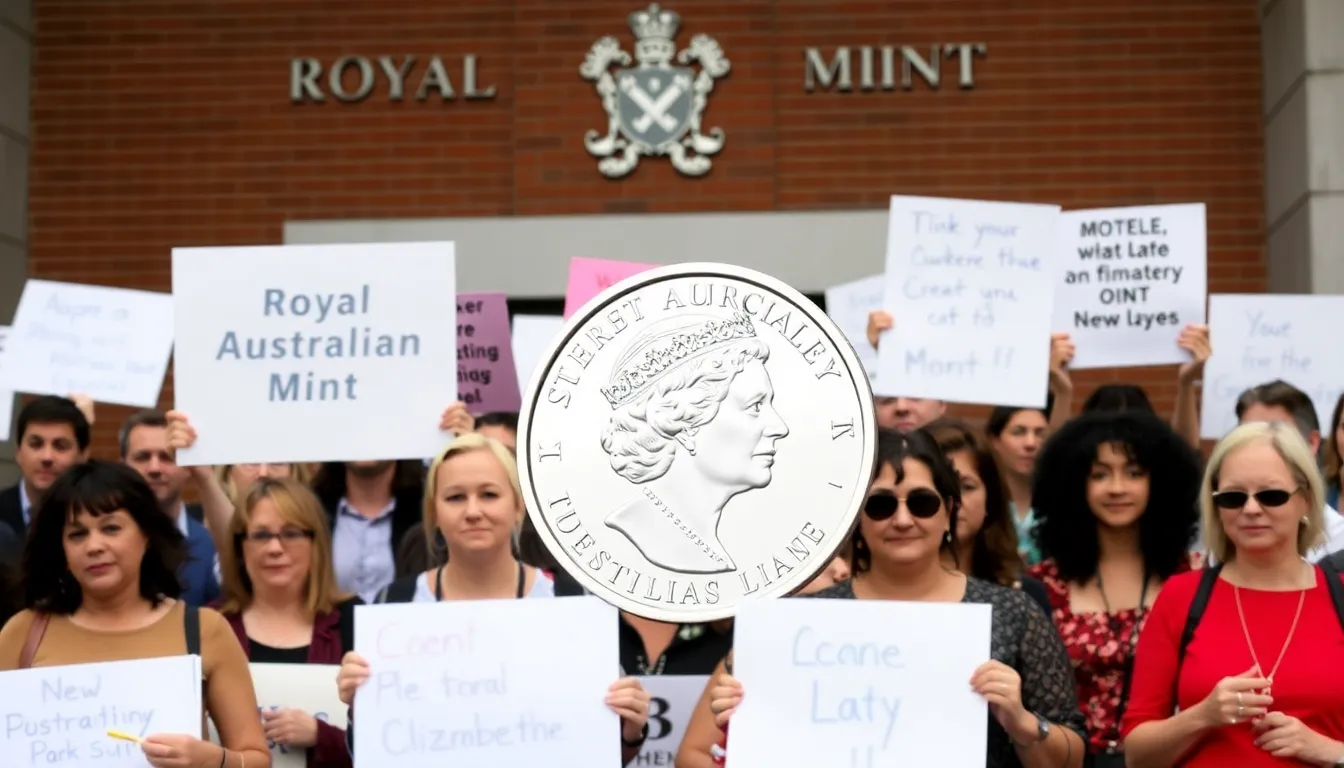
Frequently asked questions about the coin portrait
Insights on the future of royal coinage in Australia
The recent criticism surrounding the coin portrait of the late Queen Elizabeth II highlights a growing sentiment in Australia regarding its ties to the monarchy. As discussions about the relevance of royal symbols in Australian currency continue, it is essential to consider the implications for both collectors and the broader public sentiment towards the monarchy.
With the potential for shifts in public opinion, the future of royal coinage may see significant changes. This situation calls for an examination of how Australia navigates its historical connections while also reflecting its evolving identity.
- Monitor public sentiment towards the monarchy as it may influence future coin designs and royal representations.
- Consider the impact of this criticism on collectors and the numismatic market in Australia.
- Watch for potential legislative discussions regarding the role of the monarchy in Australian currency.
- Evaluate how similar controversies in other Commonwealth nations may affect Australia’s decisions on royal imagery.
- Anticipate increased calls for more locally representative symbols in Australian coinage moving forward.