
One of the key players in this transformation is the Kiva system, which consists of mobile robots that transport goods within warehouses. Since Amazon acquired Kiva Systems in 2012, the technology has been deployed across numerous facilities, allowing for faster order fulfillment and reduced labor costs. The deployment of these robots has been pivotal in meeting the increasing demand for rapid delivery services, particularly during peak shopping seasons.
Moreover, the use of robotics in Amazon’s warehouses raises important discussions about the future of work. As automation becomes more prevalent, concerns about job displacement and the need for reskilling the workforce are at the forefront. Amazon has stated its intention to invest in employee training programs, but the balance between technological advancement and workforce stability remains a critical issue for the company and the industry at large.
The ongoing evolution of Amazon’s warehouse operations is a reflection of broader trends in e-commerce and supply chain management. With the rise of consumer expectations for quick delivery times, companies are increasingly turning to technology to maintain competitive advantages. As Amazon continues to expand its robotic capabilities, the implications for labor, efficiency, and consumer experience will be closely watched by stakeholders across various sectors.
The evolution of automation in the logistics sector
The logistics sector has undergone a significant transformation over the past few decades, driven by advancements in technology and the increasing demand for faster, more efficient delivery systems. The rise of e-commerce has created a need for companies to streamline their operations, leading to the adoption of automation solutions that enhance productivity and reduce operational costs.
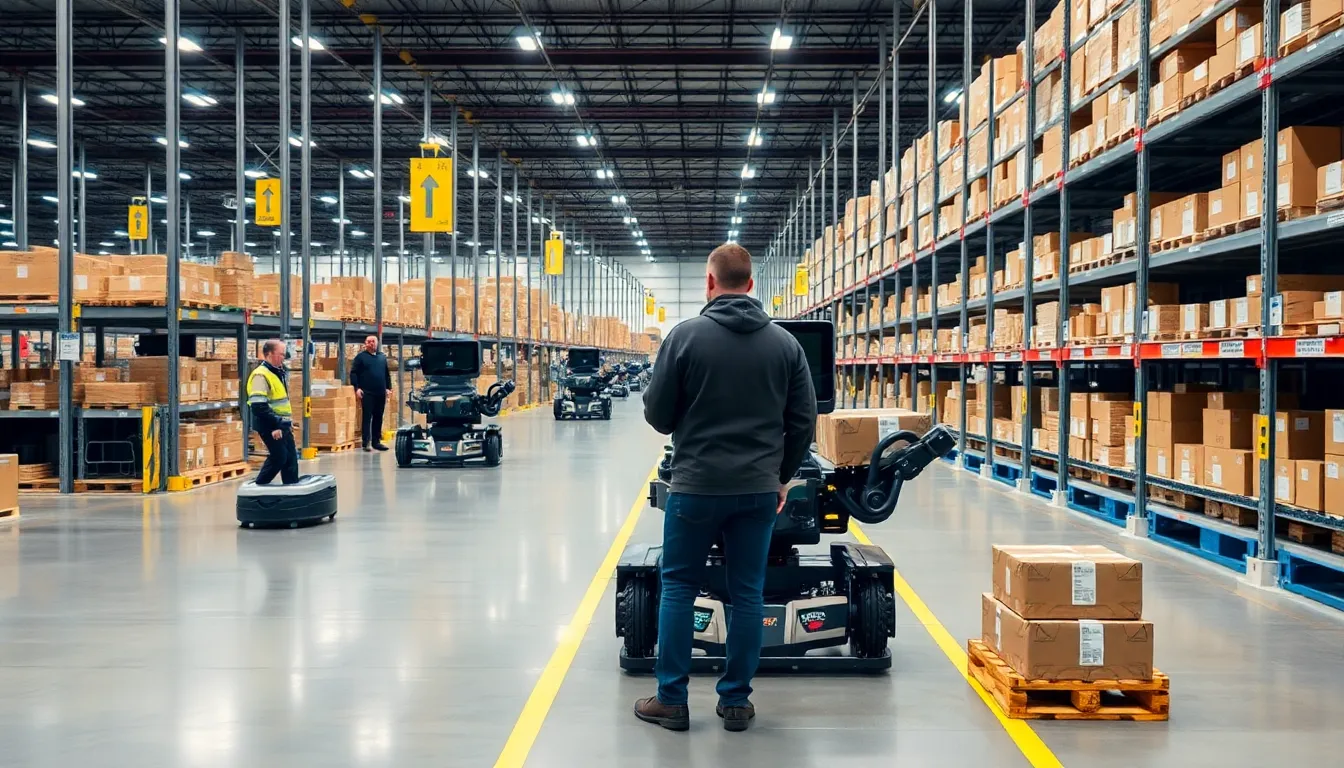
Historically, the introduction of automation in warehouses began in the late 20th century with the advent of computer systems that managed inventory and order processing. However, it wasn’t until the early 2000s that robotics began to play a prominent role in logistics. Companies like Amazon recognized the potential of robotics to revolutionize warehouse operations, leading to substantial investments in automated systems.
One of the key milestones in this evolution was Amazon’s acquisition of Kiva Systems in 2012, a company known for its robotic solutions that optimize warehouse workflows. This acquisition allowed Amazon to integrate robotics into its fulfillment centers, significantly increasing efficiency and reducing the time it takes to process orders. As a result, other companies in the logistics sector began to follow suit, further accelerating the trend towards automation.
The impact of automation on the workforce
While automation has led to increased efficiency and cost savings, it has also raised concerns about its impact on the workforce. The fear of job displacement has become a prominent issue as robots take over tasks traditionally performed by humans. However, proponents argue that automation creates new job opportunities in technology and maintenance, shifting the nature of work rather than eliminating it entirely. The ongoing debate highlights the need for workforce adaptation and reskilling in an increasingly automated industry.
Key stakeholders in the automation debate and their perspectives
The rapid advancement of automation technology, particularly in warehouses like those operated by Amazon, has brought various stakeholders into the spotlight. Each actor has distinct interests and concerns that shape the ongoing discourse around automation and its implications for the workforce and economy.
One of the primary stakeholders is Amazon itself, which seeks to enhance operational efficiency and reduce costs through automation. The company’s investment in robotics aims to streamline its supply chain, improve delivery times, and ultimately boost profitability. However, this drive for efficiency raises questions about the future of employment within its warehouses.
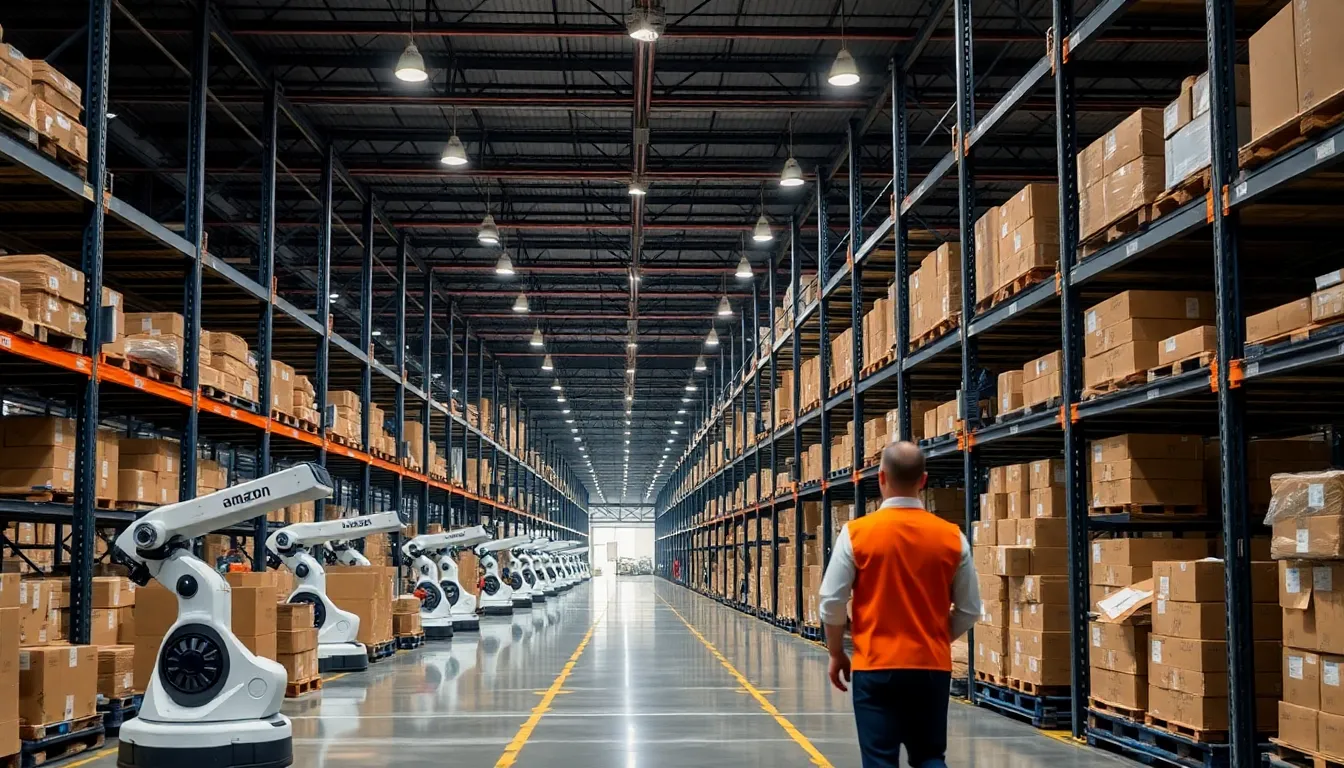
Workers and labor unions represent another crucial group in this debate. Many warehouse employees express concerns over job security as automation becomes more prevalent. They advocate for fair treatment, retraining programs, and job transition support to mitigate the impact of automation on their livelihoods. The tension between technological advancement and job preservation is a central issue in discussions around automation.
Governments and regulatory bodies also play a significant role in the automation landscape. They are tasked with creating policies that balance innovation with the protection of workers’ rights. This includes addressing potential job displacement and ensuring that the economic benefits of automation are equitably distributed. Key legal issues may arise regarding labor laws, workplace safety, and the ethical implications of using robots in the workforce.
- Amazon: Focused on efficiency and profitability through automation.
- Workers and labor unions: Concerned about job security and advocating for support measures.
- Governments: Charged with regulating the impact of automation on employment and ensuring fair labor practices.
- Consumers: Interested in the benefits of faster service and lower prices resulting from automation.
- Technology developers: Focused on innovation and the creation of advanced robotic systems.
How automation affects workers and the job market
The rise of automation in industries like warehousing is reshaping the workforce landscape. Workers in logistics and manual labor roles are particularly affected, as robots increasingly take over tasks traditionally performed by humans. This shift is not limited to Amazon warehouses; it has implications for various sectors, including retail, manufacturing, and transportation.
In the short term, employees may experience job displacement as companies adopt automated systems to improve efficiency and reduce labor costs. This can lead to increased unemployment rates in regions heavily reliant on manual labor, particularly in areas with limited access to retraining programs. The transition may also create a divide between those who can adapt to new technologies and those who cannot.
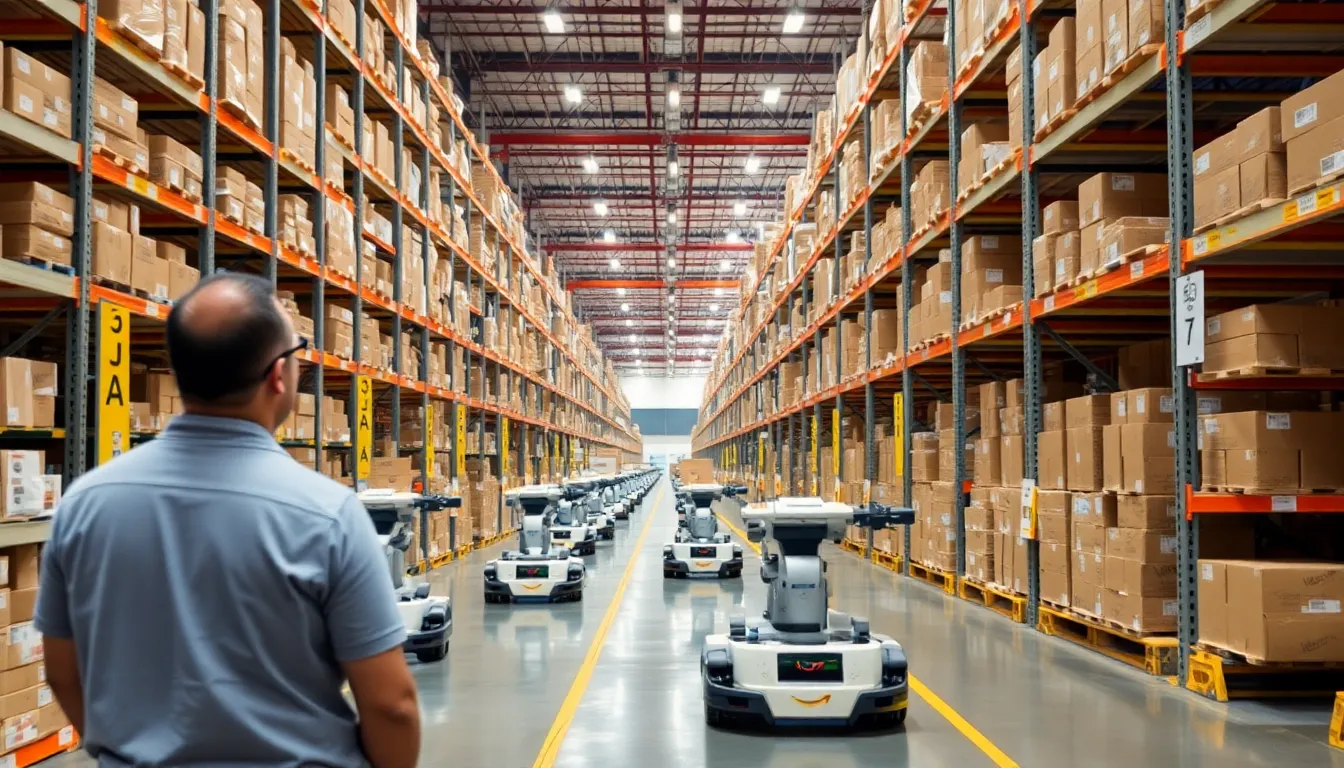
However, the mid-term impacts may include the emergence of new job opportunities in tech-related fields, such as robotics maintenance, programming, and AI development. As automation becomes more prevalent, there will be a growing demand for skilled workers who can manage and innovate within these systems. This shift may also encourage educational institutions to adapt their curricula to prepare students for the evolving job market.
- Risks: Job displacement, increased unemployment in manual labor sectors, and widening skill gaps.
- Opportunities: Growth in tech jobs, enhanced efficiency in operations, and potential for new business models.
Policymakers will need to address these changes by implementing supportive measures, such as retraining programs and social safety nets, to help workers transition into new roles. The impact of automation will not only reshape individual lives but also influence broader economic policies aimed at fostering a resilient workforce in the face of rapid technological advancement.
A: Amazon employs various types of robots, including mobile robots for transporting goods and robotic arms for sorting and packing. These technologies enhance efficiency and reduce human error. A: While automation may reduce some manual jobs, it can also create new opportunities in tech and maintenance roles. The overall impact on employment is complex and varies by location. A: Automation streamlines processes by speeding up tasks like picking and packing, allowing for faster order fulfillment. This leads to increased productivity and reduced operational costs. A: Yes, safety is a priority. Amazon implements strict safety protocols and training to ensure that human workers and robots can operate alongside each other safely. A: The future of logistics is likely to see even more advanced robotics and AI integration, leading to smarter supply chains and potentially reshaping how goods are delivered.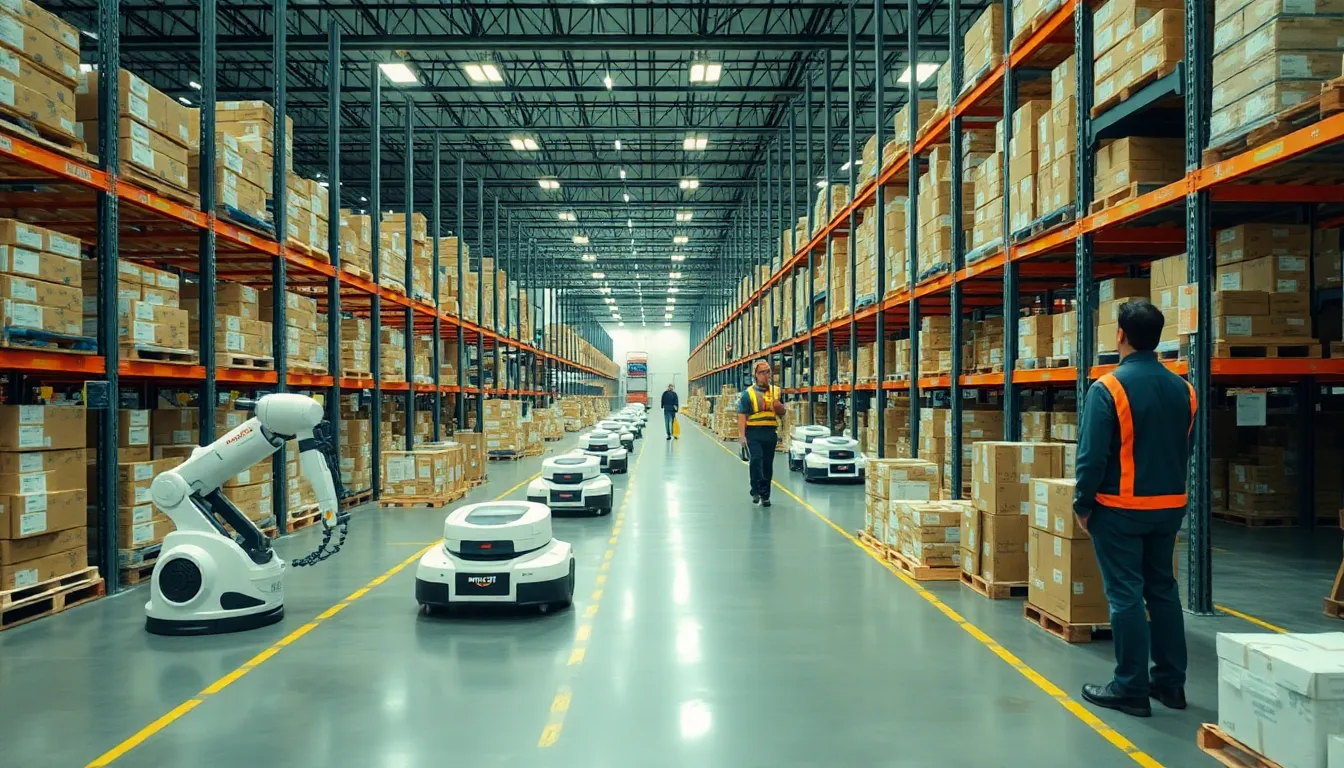
Frequently asked questions about Amazon’s robotic warehouses
The future outlook on automation and its implications for the industry
The recent tour of Amazon’s warehouse has illuminated the transformative role of automation in logistics and supply chain management. As robots increasingly take on tasks traditionally performed by humans, businesses must adapt to a rapidly changing landscape that prioritizes efficiency, speed, and precision. This shift not only enhances operational capabilities but also raises important questions about workforce dynamics and the future of employment in the sector.
Looking ahead, companies across various industries should prepare for a future where automated systems become integral to their operations. The implications of this transition will be far-reaching, influencing everything from labor market trends to consumer expectations. Stakeholders must remain vigilant in monitoring these developments to harness the benefits of automation while addressing the accompanying challenges.
- Businesses should invest in reskilling and upskilling their workforce to adapt to new roles created by automation.
- Monitoring advancements in AI and robotics will be crucial for maintaining competitive advantage in logistics and supply chain operations.
- Collaboration between technology providers and businesses can foster innovation and create tailored solutions for specific industry needs.
- Companies must consider the ethical implications of automation, particularly regarding job displacement and workforce diversity.
- Consumer preferences may shift towards brands that demonstrate a commitment to responsible automation practices and employee welfare.