
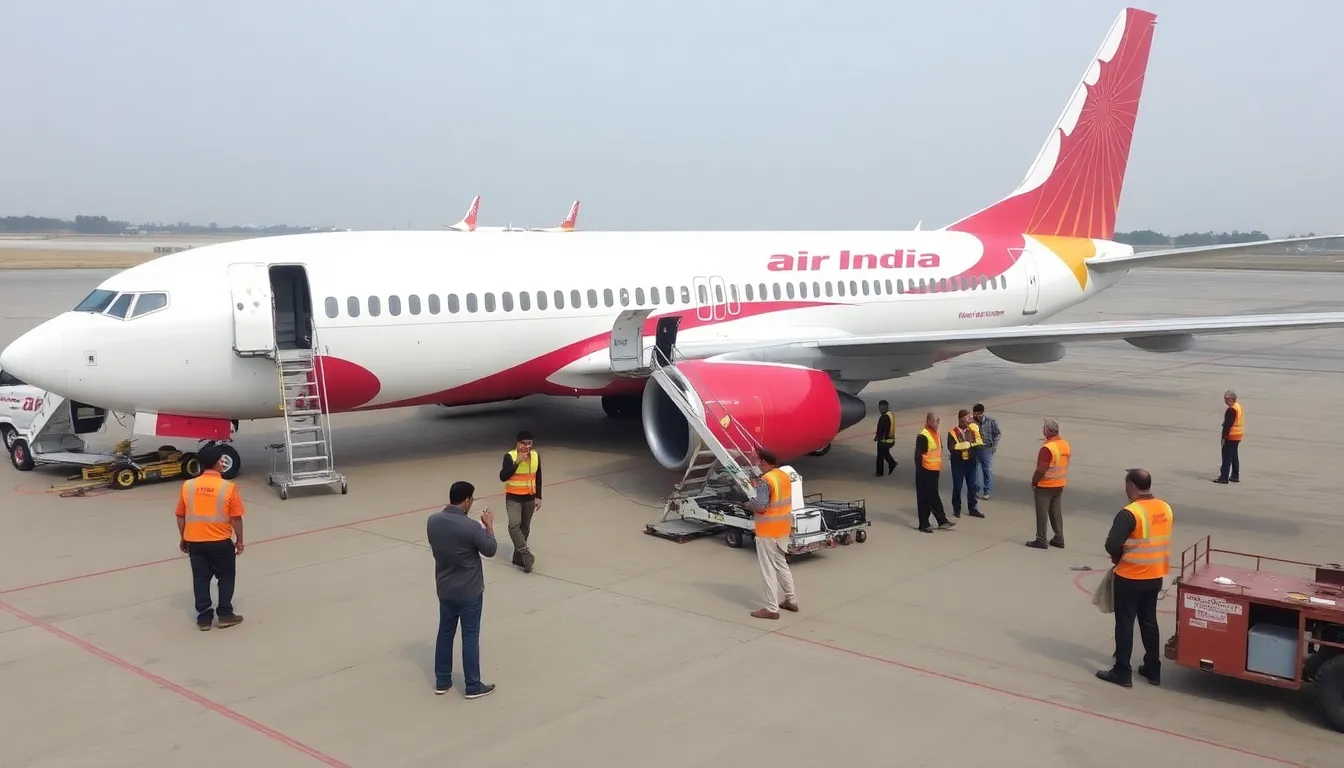
The aircraft, a Boeing 737, was taken out of service on October 10, 2023, after reports of a malfunctioning switch. The decision to ground the jet was made as a precautionary measure to ensure passenger safety and maintain operational integrity. The DGCA’s findings, released on October 20, confirmed that the switch operated within normal parameters.
This situation underscores the importance of rigorous safety protocols in the aviation industry. With increasing scrutiny on airline operations, regulatory bodies are tasked with ensuring that all aircraft meet stringent safety standards. The swift response from Air India and the DGCA reflects a commitment to passenger safety and regulatory compliance.
As the airline industry continues to navigate post-pandemic challenges, maintaining public trust is vital. The resolution of this issue may help Air India reinforce its reputation and reassure passengers about the safety of its fleet. The DGCA’s investigation highlights the ongoing need for transparency and diligence in aircraft maintenance practices.
Understanding the background of the Air India jet grounding
The grounding of the Air India jet has drawn attention not just for its immediate implications but also for the broader context surrounding aviation safety regulations in India, including the fact that the rise of the Chinese planemaker is also shaping the landscape.

The grounding of the Air India jet, which was prompted by concerns over a switch defect, highlights the ongoing tension between operational efficiency and safety compliance, a balance reflected in various industry challenges.
Key milestones in aviation safety regulation
Several key milestones have shaped the landscape of aviation safety in India. The 2010 Air India Express Flight 812 crash, which resulted in significant loss of life, prompted a comprehensive review of safety protocols across the industry. Following this tragedy, the DGCA implemented stricter regulations and increased oversight of airline operations. Additionally, the rise of low-cost carriers has led to a competitive environment where safety practices are sometimes questioned, further complicating the regulatory landscape.
The recent grounding incident also echoes previous cases where aircraft were grounded due to safety concerns, only to be cleared after thorough inspections. These precedents underline the importance of rigorous safety checks and the need for transparency in the regulatory process. As the aviation sector continues to evolve, the lessons learned from past incidents remain crucial for ensuring the safety of passengers and maintaining public trust in air travel.
Key stakeholders and issues surrounding the Air India incident
The recent grounding of a jet by Air India has raised significant concerns among various stakeholders, including the airline itself, regulatory bodies, and passengers. Each of these groups has distinct interests that shape their responses to the incident. Understanding these interests is crucial for grasping the broader implications of the situation.
Air India, as the operator of the grounded jet, is primarily concerned with ensuring the safety and reliability of its fleet. The airline’s reputation is at stake, and it must balance operational efficiency with regulatory compliance. The company faces pressure to maintain customer trust while addressing any technical issues that may arise from the incident.

The Directorate General of Civil Aviation (DGCA), India’s aviation regulator, plays a pivotal role in this scenario. The DGCA’s findings that no defect was found in the switch of the grounded jet highlight its commitment to safety standards. However, this conclusion may lead to scrutiny regarding the operational protocols of Air India and raise questions about the thoroughness of pre-flight checks.
- Passenger safety: Passengers expect a high level of safety and reliability from airlines, making their interests paramount in this analysis.
- Regulatory oversight: The DGCA’s role in ensuring compliance with safety standards is critical, as any lapses could have serious implications for public safety.
- Airline reputation: Air India’s ability to maintain its reputation amidst scrutiny can impact its financial performance and customer loyalty.
- Legal implications: Any legal repercussions from the incident could affect Air India’s operations and regulatory framework.
- Economic considerations: The grounding of the jet may have financial repercussions for Air India, impacting its operational costs and revenue.
In summary, the incident involving Air India and the DGCA’s findings encapsulate a complex web of interests and issues, intertwined with the ongoing discussions surrounding regulatory compliance in various sectors.
Impact on passengers and the aviation market
The recent decision by Air India to ground a jet following regulatory scrutiny has significant implications for various stakeholders in the aviation sector. Passengers, airline employees, and the broader aviation market are all affected by this development. The grounding of the aircraft may lead to flight cancellations and delays, impacting travel plans for thousands of passengers. This situation creates uncertainty and frustration among travelers who rely on timely air transport.
In the short term, the grounding of the jet could lead to a ripple effect across the aviation market. Airlines may face increased operational costs as they scramble to accommodate affected passengers on alternative flights. Additionally, the regulatory scrutiny may prompt other airlines to reevaluate their safety protocols and maintenance practices, resulting in a temporary slowdown in operations as the industry prioritizes compliance and safety checks.
In the mid-term, the incident may influence public perception of air travel safety, potentially leading to decreased passenger confidence. Airlines could see a decline in bookings as travelers become more cautious. However, this situation also presents an opportunity for airlines to reinforce their commitment to safety and transparency, which could enhance their reputation in the long run.
- Passengers: Experience flight disruptions and potential financial losses.
- Airlines: Face increased operational costs and potential loss of customer trust.
- Regulators: May implement stricter safety measures affecting industry standards.
- Suppliers: Could see increased demand for safety equipment and maintenance services.
Overall, while there are immediate challenges posed by the grounding of the jet, there are also opportunities for improvement in safety standards and operational practices within the aviation industry. The balance between addressing risks and seizing opportunities will be crucial for stakeholders in navigating the aftermath of this incident.
A: The jet was grounded due to safety concerns regarding a switch, prompting a thorough investigation by regulators. A: Regulators found no defects in the switch of the grounded jet, allowing for its potential return to service. A: The clearance from regulators may help restore confidence in Air India’s safety protocols and improve operational efficiency. A: While the switch issue has been resolved, ongoing monitoring and adherence to safety standards remain critical for Air India. A: Passengers can be assured of safety as the regulators have confirmed that there are no defects in the grounded jet’s switch.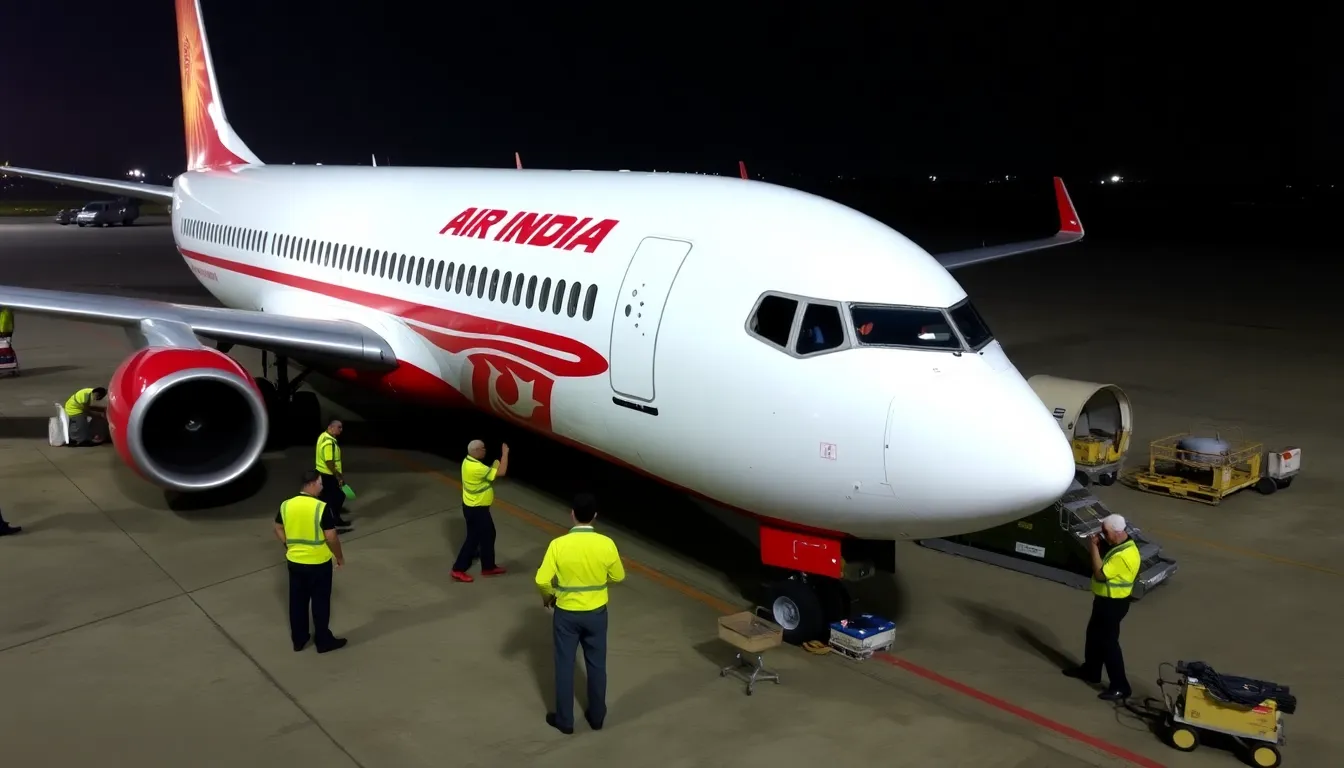
Frequently asked questions about the Air India jet incident
Key takeaways and future outlook for Air India
The recent finding by the regulator that no defect was present in the switch of the grounded jet highlights the complexities involved in aircraft safety and maintenance protocols. This outcome not only reassures passengers and stakeholders about the operational integrity of Air India’s fleet but also emphasizes the importance of thorough inspections and transparent communication during such incidents.
As the airline navigates the aftermath of this situation, it will be crucial to monitor how it addresses public concerns and maintains its safety standards moving forward. The implications of this event could influence regulatory practices and passenger confidence in the long run.
- Regulatory Scrutiny: Increased focus from aviation regulators on maintenance practices may lead to more stringent oversight in the industry.
- Passenger Trust: Air India’s commitment to transparency in safety measures will be essential in restoring and maintaining passenger confidence.
- Operational Adjustments: The airline may need to reassess its operational protocols to ensure compliance with safety regulations and enhance reliability.
- Market Positioning: How Air India leverages this incident in its marketing strategy could impact its competitive positioning in the aviation market.