
The detentions have sparked outrage among press freedom advocates and human rights organizations, who argue that such actions stifle journalistic integrity and inhibit the public’s right to information. The journalists were reportedly working for a prominent news outlet that has faced pressure from authorities in recent years. Their arrest is seen as part of a broader crackdown on dissent and independent reporting in China, reminiscent of similar incidents worldwide.
The Chinese government has consistently maintained strict control over media narratives, particularly those that expose corruption or criticize state policies. The timing of this incident coincides with a renewed focus on anti-corruption campaigns led by President Xi Jinping, suggesting a paradox where the government seeks to promote transparency while simultaneously silencing those who investigate it.
As the situation unfolds, the international community is closely monitoring the implications for freedom of expression in China. The detentions highlight the precarious position of journalists operating in an environment characterized by censorship and fear of reprisal. This case could have lasting repercussions for media professionals and the public’s access to truthful reporting on government accountability.
Understanding the environment of press freedom in China
Press freedom in China has long been a contentious issue, characterized by strict government control and censorship. The Chinese Communist Party (CCP) maintains a tight grip on media narratives, often stifling dissenting voices to uphold its authority, a reality that echoes the challenges faced by journalists in other regions.
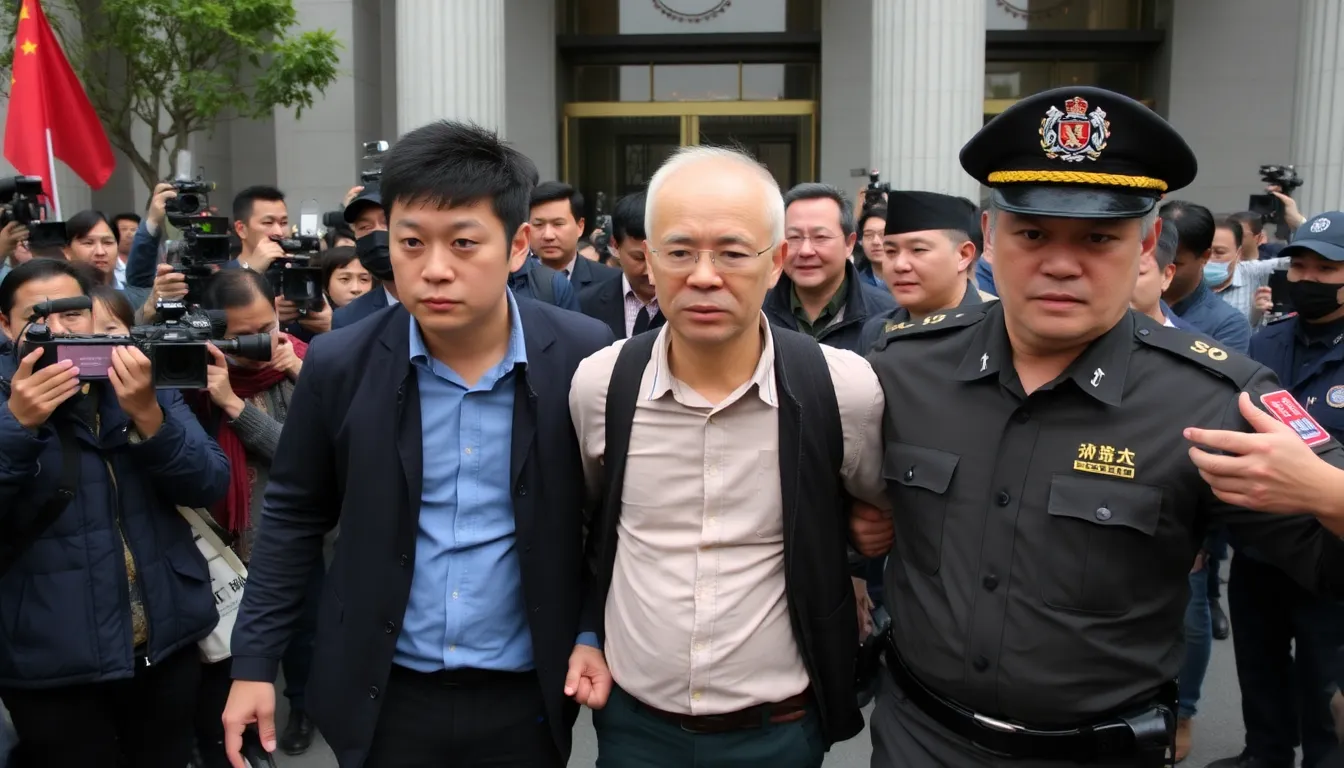
In recent years, the situation has worsened with the introduction of laws that further restrict journalistic activities. The National Security Law, enacted in 2020, has been used to justify the detention of journalists and activists, labeling dissent as a threat to national security. This legal framework has created an atmosphere where reporting on sensitive topics, such as corruption, can lead to severe repercussions, including imprisonment.
The impact of digital surveillance
The rise of digital technology has also played a significant role in shaping the landscape of press freedom in China. The government employs sophisticated surveillance tools to monitor online activities, making it increasingly difficult for journalists to operate without fear of retribution. Social media platforms, while providing some space for discussion, are heavily monitored, and posts that challenge the official narrative are often swiftly removed.
High-profile cases of journalist detentions have become more frequent, with the international community condemning these actions as violations of human rights. The recent detention of two Chinese journalists for reporting on corruption highlights the ongoing struggle for press freedom in the country, a pattern that resonates with the treatment of journalists in various nations.
Historically, the CCP has used propaganda to promote a positive image of its governance, while suppressing any information that could tarnish its reputation. This has created a significant barrier for journalists aiming to report on corruption and other societal issues, as they navigate a landscape riddled with censorship and state-sponsored intimidation.
Examining the stakeholders involved in the case
The detention of two Chinese journalists for reporting on corruption highlights a complex web of stakeholders, each with distinct interests and motivations. Key actors include the journalists themselves, government authorities, media organizations, and the public. Understanding their roles and the surrounding issues is crucial for grasping the broader implications of this incident.
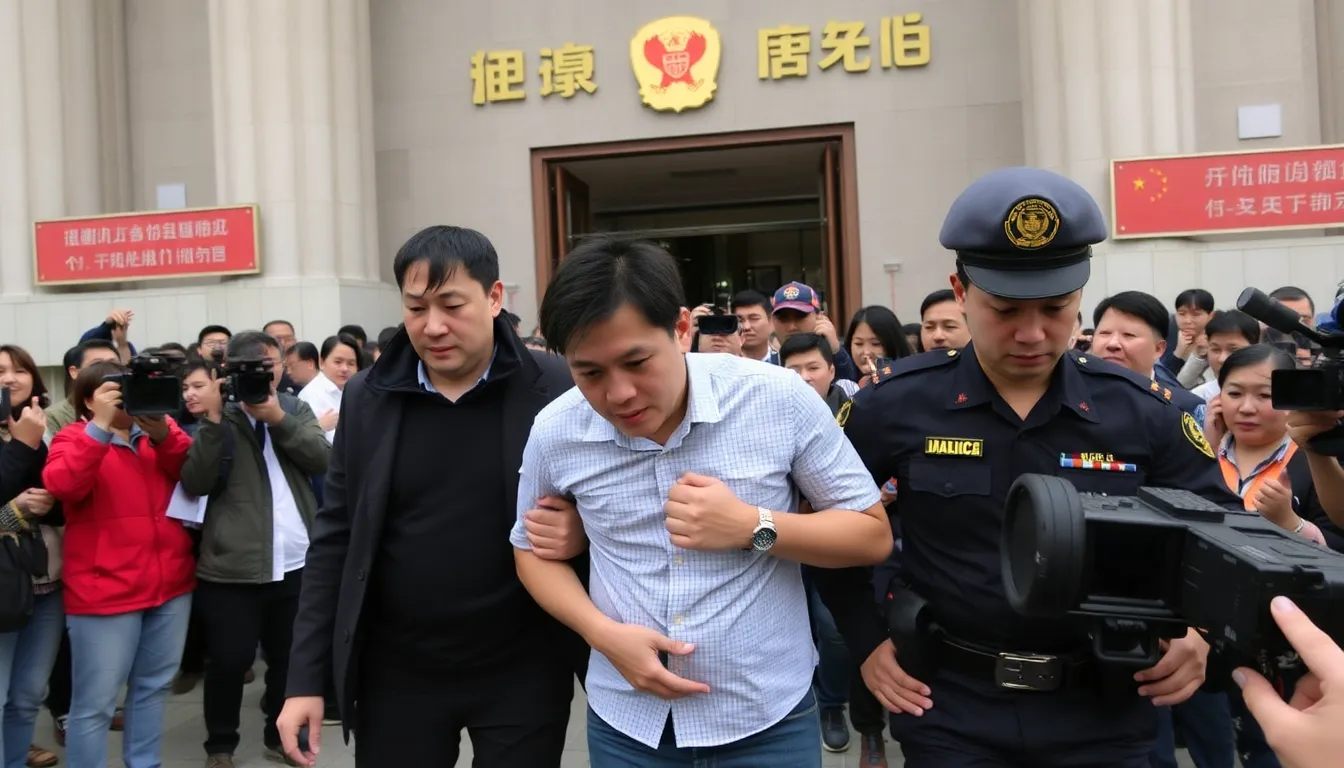
First and foremost, the journalists, as the primary subjects of this case, are driven by a commitment to uncovering the truth and holding power accountable. Their work aims to inform the public about corruption and malfeasance, which they believe undermines societal trust and governance. However, their actions have put them at odds with government interests, which often prioritize stability and control over transparency.
Government authorities represent a significant stakeholder, as they seek to maintain social order and suppress dissenting voices. In this context, the detention of the journalists can be seen as a tactic to deter others from investigating or reporting on sensitive issues. This raises important legal and ethical questions about press freedom and the balance between state security and individual rights.
Media organizations also play a crucial role in this scenario. They are often caught in a delicate balance between supporting their journalists and adhering to government regulations. The implications of this case could lead to increased self-censorship within the media, as organizations weigh the risks of reporting on corruption against the potential repercussions from state authorities.
- Press Freedom: The case raises significant concerns about the state of press freedom in China and the implications for journalists operating under restrictive conditions.
- Public Interest: The public’s right to know about corruption is at stake, as the detention of journalists may hinder the flow of critical information.
- Legal Ramifications: The legal framework governing media operations in China is complex, often leading to ambiguous interpretations that can be exploited by authorities.
- International Reaction: This incident could provoke responses from international human rights organizations and foreign governments, potentially affecting China’s global image.
- Economic Implications: The suppression of independent journalism may have long-term economic impacts, as transparency is often linked to better governance and investment climates.
The repercussions of the detentions on journalism and society
The recent detention of two Chinese journalists for their reporting on corruption has far-reaching implications for various groups and industries. Primarily, the media landscape in China is directly affected, as these actions signal a tightening grip on press freedom. Journalists, particularly those focused on investigative reporting, may face increased scrutiny and fear of retribution, leading to self-censorship and a chilling effect on critical journalism.
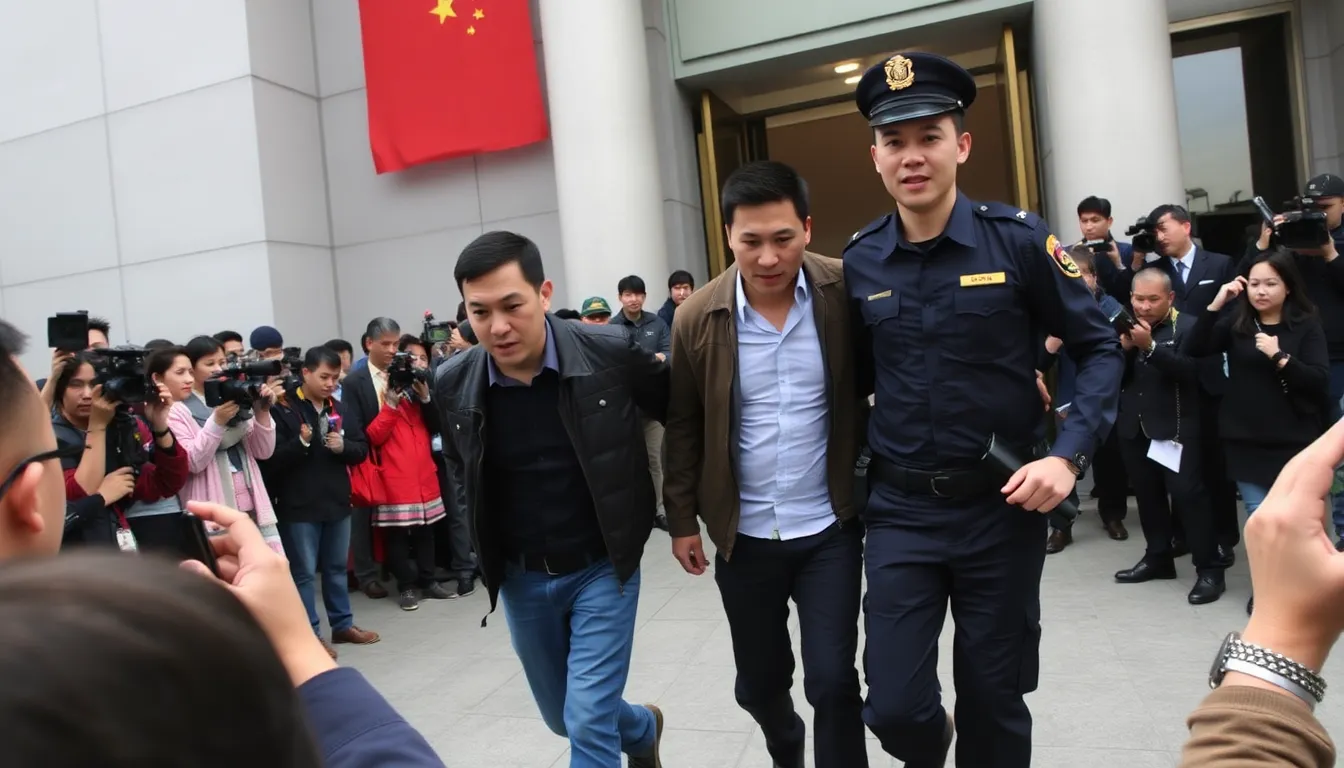
In the short term, the immediate impact on daily life may manifest as a reduction in the availability of accurate information regarding government actions and societal issues. Citizens relying on independent news sources may find it more challenging to stay informed, potentially leading to a more uniform narrative controlled by state media. This could diminish public trust in journalism as a whole, affecting how news is consumed and perceived.
Mid-term implications may extend to businesses, particularly those in sectors vulnerable to corruption such as construction, real estate, and finance. Companies may operate under a veil of increased opacity, hindering transparency and accountability. This environment could deter foreign investment and stifle innovation, as businesses may be reluctant to engage in markets where corruption is prevalent and unchecked.
However, amidst these risks, there are potential opportunities for advocates of press freedom and reform. Increased awareness of the challenges faced by journalists may galvanize public support for media rights, leading to grassroots movements aimed at promoting transparency and accountability. Additionally, international organizations may step up their efforts to support independent journalism in China, fostering a network of solidarity that could empower local journalists in the long run.
- Increased censorship and self-censorship among journalists.
- Reduced access to accurate information for the public.
- Potential decline in foreign investment due to a lack of transparency.
- Opportunities for grassroots movements advocating for press freedom.
- International support for independent journalism could strengthen local efforts.
A: The journalists were detained for reporting on corruption, which is a sensitive issue in China. The government often suppresses such reports to maintain control over public perception. A: This incident highlights the ongoing challenges to press freedom in China, where journalists face significant risks when covering corruption and other sensitive topics. A: The international community has expressed concern over the detentions, calling for the release of the journalists and emphasizing the importance of press freedom. A: The journalists could face legal charges, which may result in imprisonment. Their detention may also deter other journalists from reporting on similar issues. A: Yes, there have been numerous cases in the past where journalists in China have been detained for reporting on corruption or other politically sensitive matters.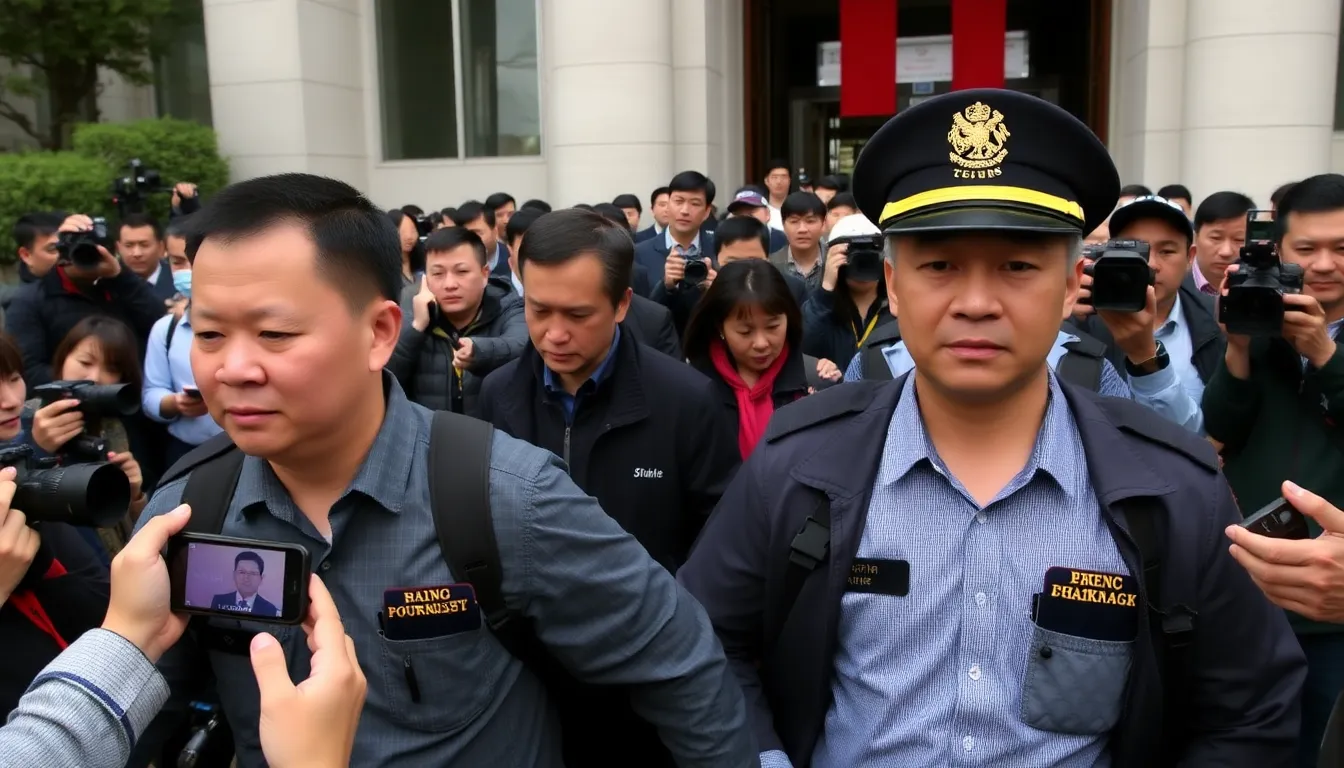
Frequently asked questions about the detentions
Key takeaways and future outlook on press freedom
The recent detention of two Chinese journalists highlights the ongoing challenges faced by the media in addressing corruption within the country. This incident not only underscores the risks that journalists encounter when pursuing investigative stories but also reflects the broader implications for press freedom in China. As the government continues to tighten its grip on information, the ability of journalists to report on critical issues may further diminish, raising concerns about transparency and accountability.
Moving forward, it is essential to monitor how this situation unfolds and its impact on both domestic and international perceptions of press freedom in China. The actions taken by authorities in response to these detentions will likely influence the landscape for journalism in the region, as well as the potential for future reporting on corruption and other sensitive topics.
- The incident serves as a reminder of the precarious state of press freedom in China, necessitating ongoing vigilance from both local and international observers.
- Potential repercussions for journalists could lead to increased self-censorship, limiting the scope of investigative reporting on corruption and governance.
- This situation may provoke a stronger response from international organizations advocating for press freedom, potentially leading to diplomatic tensions.
- As public awareness of corruption grows, the demand for transparency may pressure the government to reconsider its stance on media freedoms in the long run.
- Future developments in this case could set a precedent for how authorities manage dissenting voices in the media landscape.