
The contracts in question were originally signed in 2021, granting the firm access to vital port facilities that play a crucial role in maritime logistics. Panama’s Minister of Maritime Affairs, who cited non-compliance with contractual obligations, emphasized the need for transparency and accountability in managing the canal’s resources. For more insights, check out our article on Meta’s Efforts to Shift Perceptions on Data Centers.
This move comes at a time when Panama is seeking to enhance its control over the canal’s operations amid growing competition from other regional ports. The government aims to attract more investment and improve service delivery, which are essential for maintaining the canal’s status as a pivotal trade route. Similar topics are discussed in the piece about Exploring the Life of Pritam Singh Singapore’s Former Leader of the Opposition.
Reactions from the affected company have been swift, with representatives expressing disappointment and vowing to contest the decision legally. The situation is being closely monitored by industry experts, as it could set a precedent for future contracts and foreign investments in the region.
Understanding the background of the canal port agreements
The Panama Canal, a vital conduit for international maritime trade, has been at the center of geopolitical and economic interests for over a century. Originally constructed by the French in the late 19th century and completed by the United States in 1914, the canal has undergone significant changes in ownership and management. In 1999, control of the canal was handed over to Panama, marking a pivotal moment in the country’s assertion of sovereignty and economic independence.
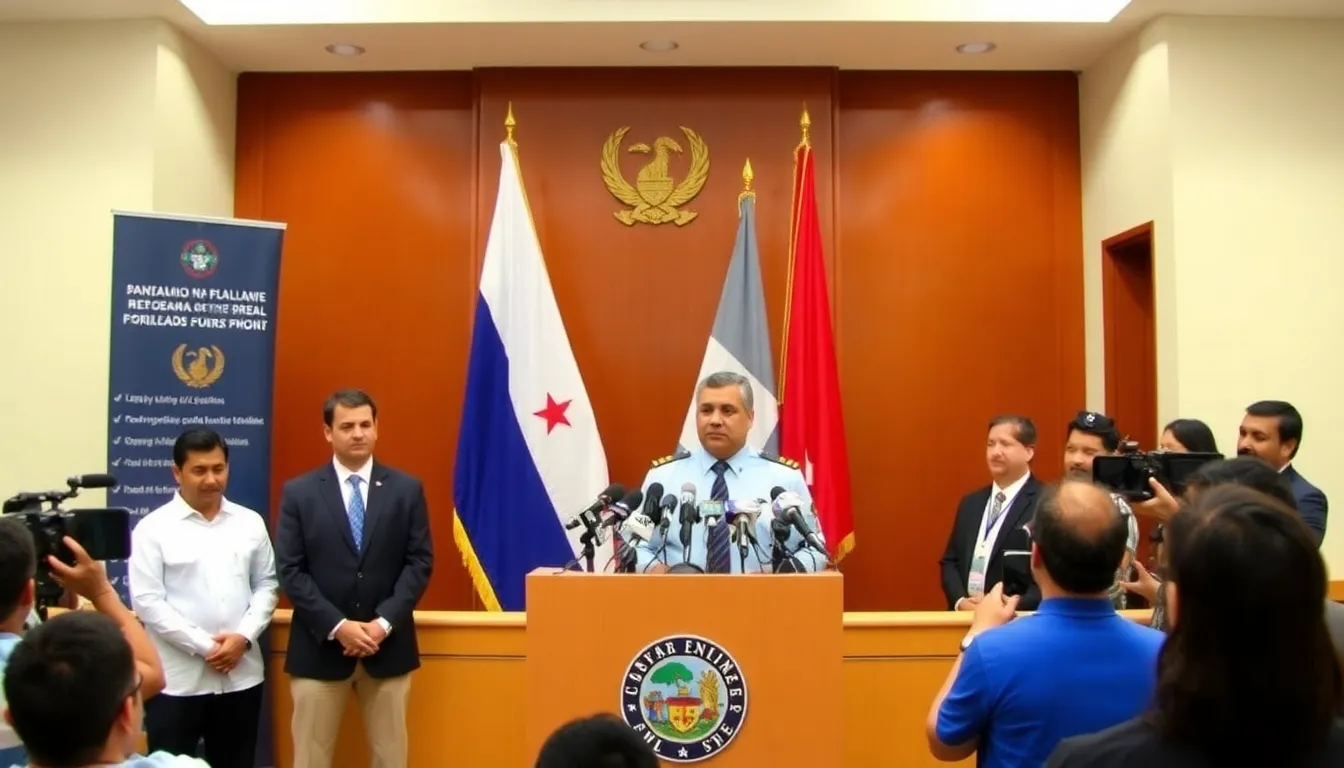
In recent years, Panama has sought to expand its role as a logistics hub in the region, attracting foreign investments to develop port facilities and enhance its infrastructure. This ambition has led to contracts with various international firms, including those based in Hong Kong. However, these agreements have not been without controversy, as they often involve complex negotiations and concerns over transparency and governance. For further context on similar international developments, see our article on Instagram denies breach after users receive password reset emails.
Key milestones in Panama’s port development
One of the significant milestones in Panama’s port development was the expansion of the Panama Canal itself, completed in 2016. This expansion allowed for larger vessels, known as New Panamax ships, to transit the canal, thereby increasing its capacity and competitiveness. Following this, several contracts were awarded to foreign companies to develop new port facilities that would complement the expanded canal.
However, as Panama has navigated its relationships with foreign investors, issues regarding the compliance and performance of these firms have arisen. The recent decision to void contracts with a Hong Kong-based firm reflects ongoing tensions between the Panamanian government and foreign entities, underscoring the challenges of balancing national interests with global economic partnerships.
The political landscape in Panama has also played a role in these developments. Changes in administration and shifts in policy priorities can influence how contracts are managed and enforced, leading to an environment of uncertainty for foreign investors. These dynamics are critical to understanding the backdrop against which the current situation has unfolded.
Key stakeholders and issues surrounding the contract cancellation
The recent decision by Panama to void contracts with a Hong Kong-based firm for the operation of canal ports has significant implications for various stakeholders involved. Key actors in this situation include the Panamanian government, the Hong Kong-based firm, local businesses, and international shipping companies. Each of these stakeholders has distinct interests that influence their perspectives on the contract cancellation.
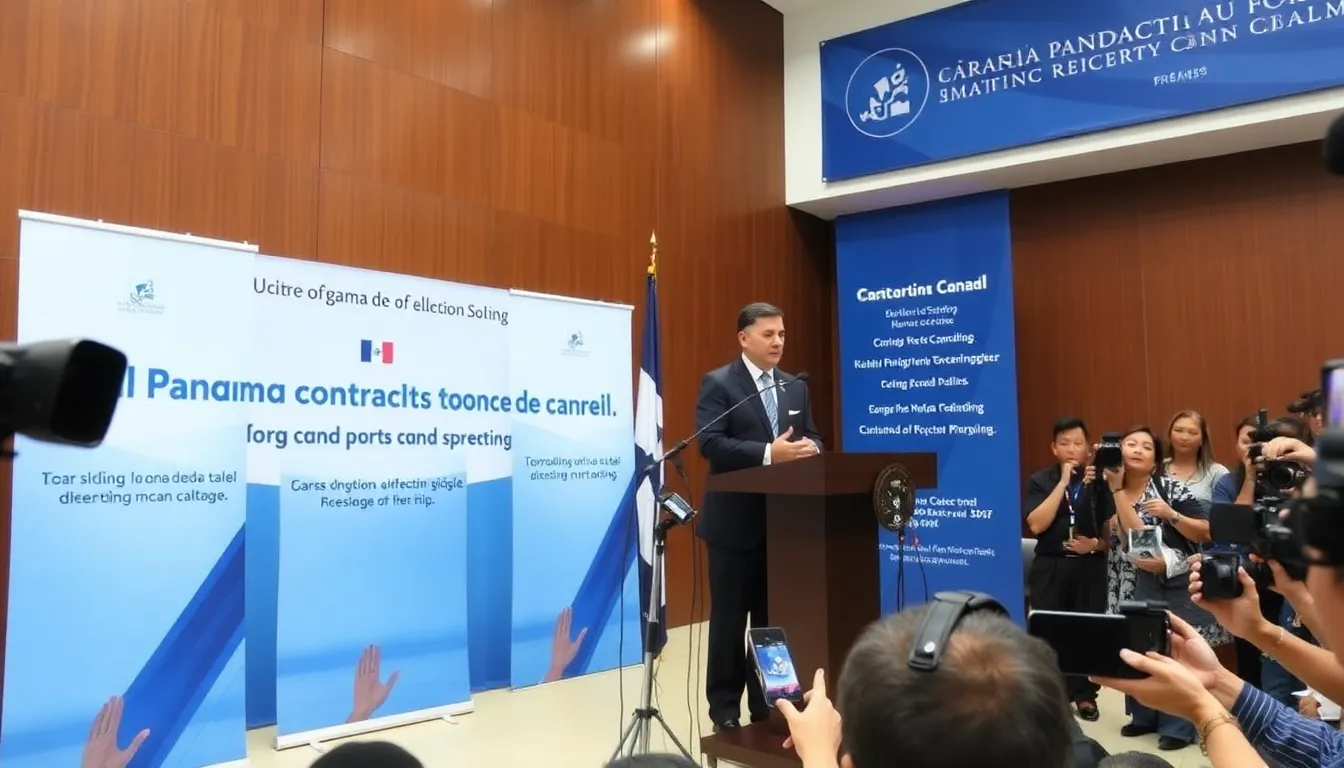
The Panamanian government aims to enhance its control over strategic national assets, such as the Panama Canal, which is vital for the country’s economy. By terminating the contracts, the government seeks to ensure that operations align with national interests and potentially increase revenue from port operations. However, this move raises concerns about the economic stability of the region, as local businesses that rely on the canal’s operations may face disruptions.
On the other hand, the Hong Kong-based firm has invested significant resources into the canal port contracts and may view the cancellation as a breach of trust and a threat to its financial interests. This could lead to legal disputes, as the firm may seek compensation for losses incurred due to the abrupt termination of the agreements. The situation highlights the complexities of international contracts, where legal frameworks and local regulations must be navigated carefully.
- Economic Impact: The cancellation could lead to job losses and reduced economic activity in the region.
- Legal Ramifications: Potential lawsuits may arise from the Hong Kong firm, challenging the legality of the contract voiding.
- Geopolitical Tensions: The incident may strain relations between Panama and Hong Kong, affecting future investments.
- Local Business Concerns: Local businesses may face uncertainty regarding their operations and supply chains.
- Public Sentiment: The decision could influence public opinion about foreign investments in national infrastructure.
As the situation unfolds, it will be crucial for all parties involved to navigate the challenges posed by this contract cancellation delicately. The broader implications for international trade and investment in Panama will also need to be closely monitored, as they could shape future policies and relations between countries and corporations.
Potential impacts on the economy and stakeholders involved
The recent decision by Panama to void the canal port contracts with a Hong Kong-based firm has significant implications for various stakeholders, including local businesses, international shipping companies, and the Panamanian government. The immediate fallout is likely to affect the logistics and transportation sectors, which are crucial for Panama’s economy.
In the short term, local businesses that rely on the canal for shipping goods may experience disruptions. This could lead to increased shipping costs and delays in the delivery of products, impacting retailers and consumers alike. Furthermore, the uncertainty surrounding the contracts may deter foreign investment, which is essential for economic growth in the region.
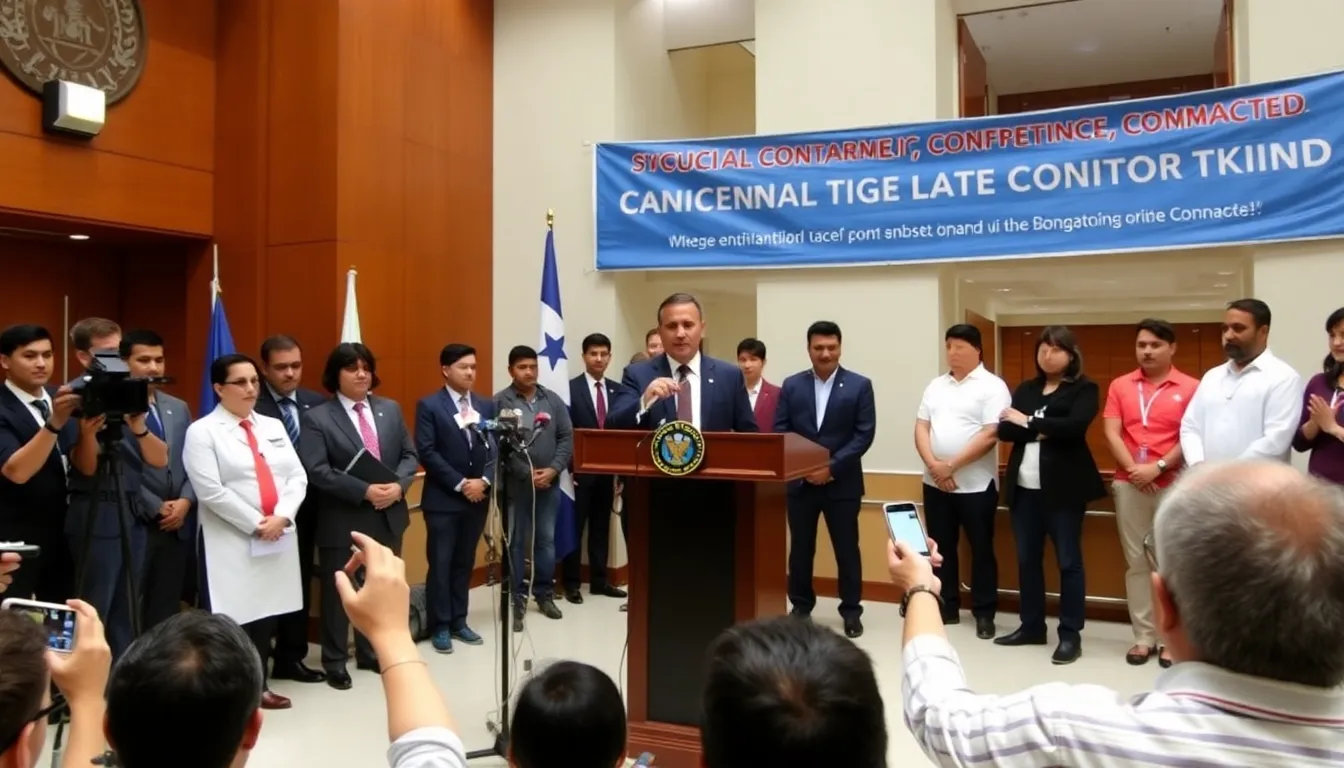
In the mid-term, the voiding of these contracts could lead to a reevaluation of Panama’s trade policies and its relationships with international partners. The government may need to explore alternative agreements or partnerships to mitigate the economic impact. This situation could also spark discussions about regulatory reforms aimed at enhancing transparency and attracting more reliable investors.
- Shipping Costs: Potential increase in logistics expenses for local businesses.
- Investment Climate: Foreign investors may become wary, affecting future projects.
- Regulatory Changes: Possible reforms in trade policies to improve investor confidence.
- Job Market: Local employment may be affected due to potential business slowdowns.
Despite these challenges, there may be opportunities for local firms to take on roles previously held by the Hong Kong-based company. This shift could lead to increased local employment and the development of new business models tailored to the needs of the Panamanian market. Additionally, the situation may encourage the government to invest in infrastructure improvements that could enhance the canal’s operational efficiency in the long run.
A: Panama cited concerns over compliance and operational standards as primary reasons for voiding the contracts. The government aims to ensure that port operations align with national interests. A: Ongoing projects may face delays as new arrangements are sought. The government is expected to announce new plans for managing the port operations. A: This decision may strain relations with the Hong Kong-based firm and potentially impact Panama’s reputation with other foreign investors. A: The cancellation could lead to short-term economic disruptions, but it may also open opportunities for new investments and partnerships that align better with Panama’s goals. A: Legal repercussions could arise depending on the terms of the contracts and any claims the firm may pursue regarding the cancellation.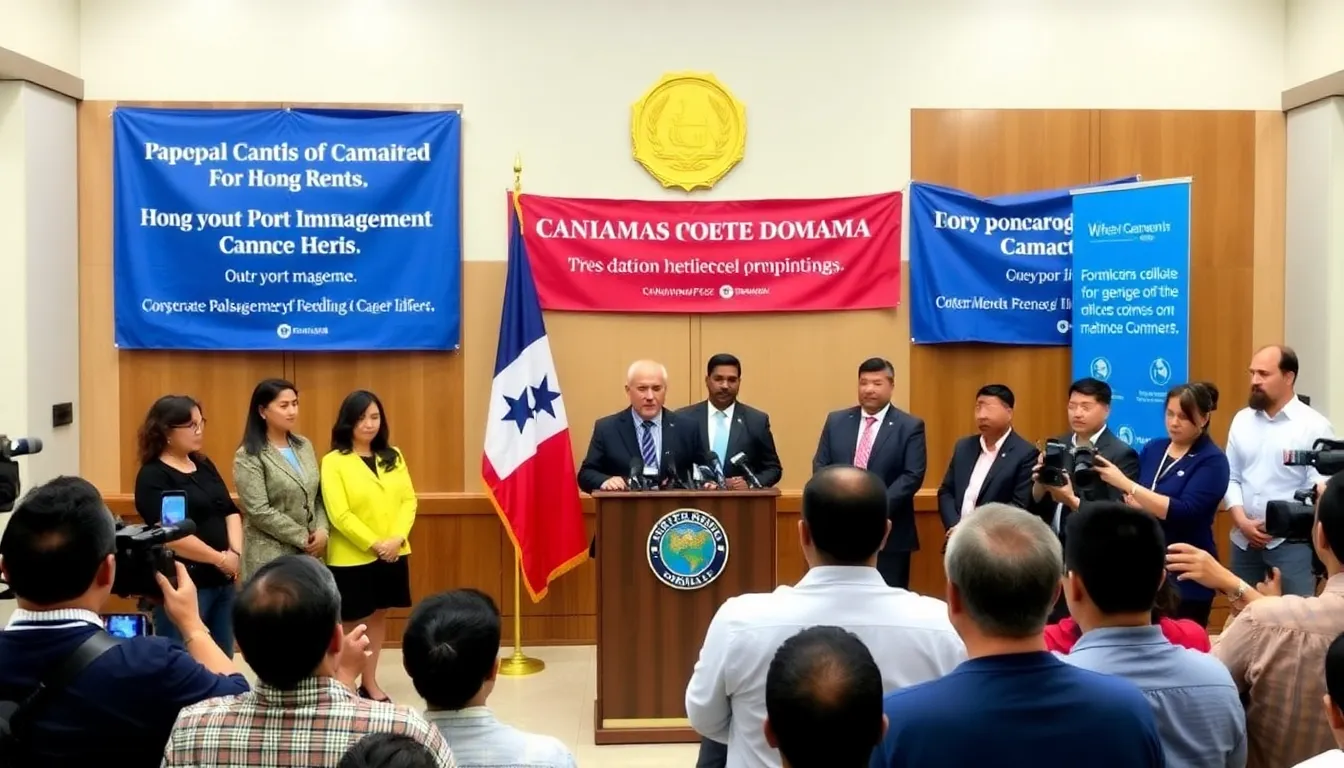
Frequently asked questions about the contract cancellation
Insights and future outlook on Panama’s canal port operations
The recent decision by Panama to void contracts with a Hong Kong-based firm for canal port operations marks a significant shift in the nation’s approach to managing its critical maritime infrastructure. This move reflects broader geopolitical tensions and economic considerations, as Panama seeks to assert greater control over its strategic assets. The implications of this decision extend beyond immediate operational changes, influencing international trade dynamics and regional partnerships.
As Panama navigates this transition, stakeholders should be attentive to the potential ripple effects on investment, trade routes, and diplomatic relations. The evolving landscape may present both challenges and opportunities for local and foreign entities involved in maritime logistics and infrastructure development.
- Watch for potential shifts in investment strategies from foreign firms looking to enter or expand in Panama’s port sector.
- Monitor the reactions from other countries and companies that rely on the Panama Canal for their shipping routes, as this may impact global trade flows.
- Consider the implications for regional partnerships, especially with countries that may seek to strengthen ties with Panama in light of these changes.
- Assess the potential for increased competition among local operators as Panama emphasizes domestic control over port operations.
- Stay informed on the regulatory changes that may arise as Panama revises its policies regarding foreign investments in critical infrastructure.