
The transition is expected to be implemented by the end of 2023, as government officials emphasize the importance of using tools that comply with European regulations. The adoption of Visio is seen as a way to ensure that sensitive information remains within the jurisdiction of French and EU laws, reducing reliance on foreign technologies.
Key actors in this initiative include the French Ministry of Digital Affairs, which has been advocating for local alternatives to enhance operational security. The government has allocated resources to facilitate the transition, including training for employees and technical support to ensure a smooth switch to the new platform.
This shift not only reflects France’s commitment to digital independence but also highlights a growing trend among European nations to prioritize local solutions in response to privacy concerns. As more countries consider similar measures, the impact on global tech companies could be significant, potentially reshaping the landscape of remote communication tools.
Understanding the Background of the Decision
The decision by the French government to replace widely used video conferencing tools like Zoom and Microsoft Teams with Visio, a local alternative, is rooted in a complex interplay of historical, political, and economic factors. Over the past few years, concerns regarding data sovereignty and privacy have intensified, particularly in the wake of increasing scrutiny over how foreign tech companies handle user data. This has prompted the French government to seek solutions that align more closely with national security interests and European regulations, similar to the ongoing discussions about digital sovereignty.
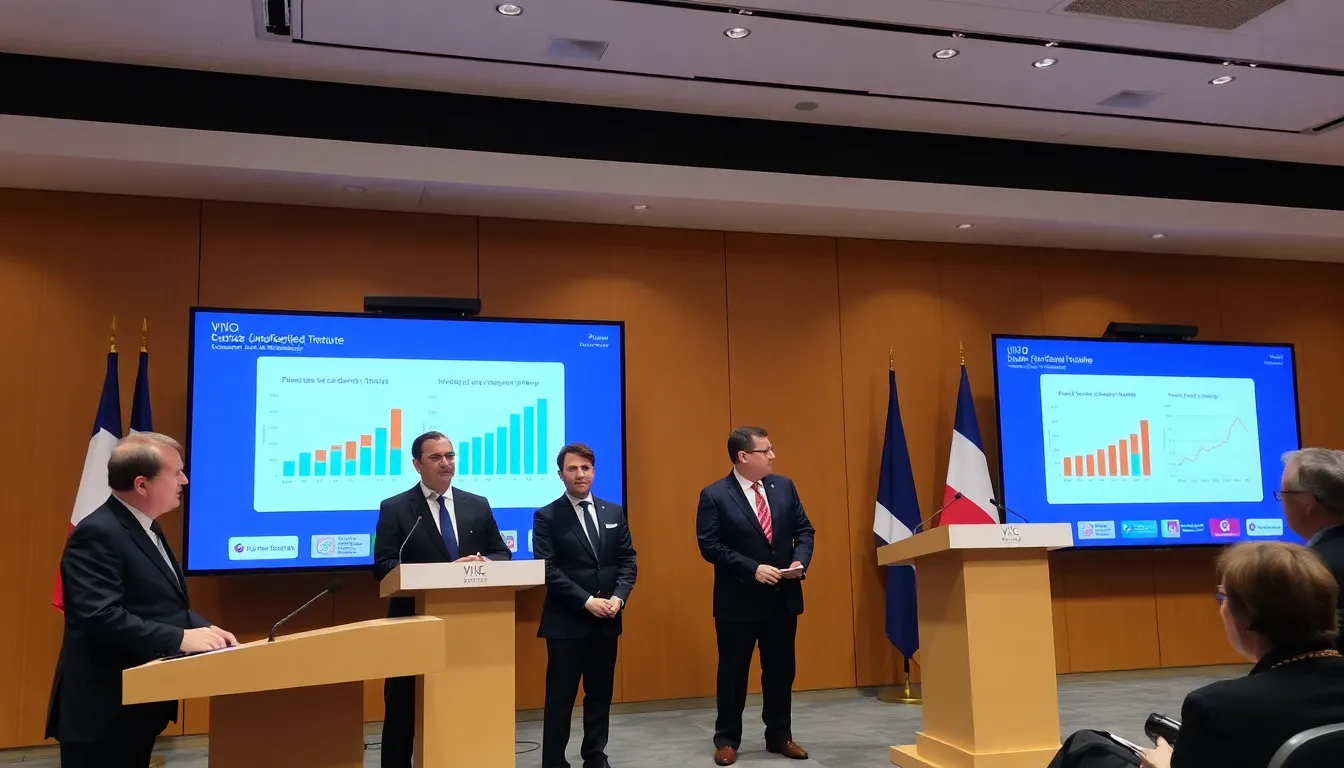
Historically, France has been at the forefront of advocating for digital sovereignty in Europe. The push for local alternatives to American tech giants gained momentum following revelations about mass surveillance programs and data misuse. In 2018, the French government launched the ‘Cloud de Confiance’ initiative, aimed at fostering the development of secure cloud services that comply with European data protection laws. The introduction of Visio can be seen as a direct continuation of this effort, reflecting a broader strategy to bolster local tech capabilities while addressing privacy concerns highlighted in articles like the decline in global data governance.
The Economic Implications
Economically, the shift to Visio is also influenced by a desire to support the domestic tech industry. By investing in local software solutions, the French government aims to stimulate job creation and innovation within the country. The COVID-19 pandemic accelerated the adoption of remote work technologies, highlighting the need for reliable and secure communication tools. As companies and public institutions increasingly rely on digital platforms, the government sees an opportunity to promote homegrown solutions that can compete on a global scale.
In addition to economic considerations, the political landscape plays a critical role in this decision. The rise of nationalist sentiments and a focus on protecting local industries have become prominent themes in French politics. The current administration is keen to demonstrate its commitment to safeguarding French interests, which includes prioritizing domestic technology over foreign alternatives, a topic that resonates with discussions on national technological independence.
As the French government moves forward with the implementation of Visio, it sets a precedent that could influence other European nations grappling with similar challenges. The outcome of this initiative will not only impact the local tech ecosystem but also shape the future of digital communication within the European Union, as countries look to balance innovation with security and privacy concerns.
Key Stakeholders and Issues Surrounding the Transition
The decision by the French government to replace popular video conferencing platforms like Zoom and Microsoft Teams with Visio, a domestic alternative, has brought several stakeholders into focus. The primary actors involved include the French government, technology companies, and end-users such as businesses and educational institutions. Each of these groups has distinct interests and concerns regarding this transition.

One of the main stakeholders is the French government, which aims to bolster national security and promote local technology solutions. By adopting Visio, the government seeks to reduce reliance on foreign software, which may pose risks related to data privacy and sovereignty. This shift aligns with broader European Union goals of digital independence and enhancing local tech ecosystems.
On the other hand, technology companies that develop and provide video conferencing solutions are also key players. Companies like Zoom and Microsoft have significant market shares and established user bases in France. Their interests lie in maintaining their competitive edge and market presence. The transition may lead to concerns about loss of revenue and user engagement in the French market.
End-users, including businesses and educational institutions, represent another crucial group. Their interests revolve around usability, functionality, and the cost of transitioning to a new platform. Many organizations have invested heavily in training and infrastructure for existing tools, raising questions about the economic implications of switching to Visio. The need for seamless integration and support during this transition is a critical issue for these stakeholders.
- Data Privacy Concerns: The shift to a local alternative may alleviate fears regarding data security associated with foreign platforms.
- Economic Impact: Potential costs involved in transitioning to Visio could affect budgets for businesses and educational institutions.
- Market Competition: The move could spark competitive responses from international software providers, leading to innovations or price adjustments.
- User Adaptation: The learning curve associated with a new platform may pose challenges for users accustomed to existing tools.
- Regulatory Compliance: The transition may necessitate updates in compliance with local and EU regulations regarding digital services.
Potential Impact on Users and the Market
The decision by the French government to replace widely-used applications like Zoom and Microsoft Teams with Visio, a local alternative, will have significant implications for various groups and industries. Primarily, government employees, educational institutions, and businesses operating within France will be directly affected by this transition.
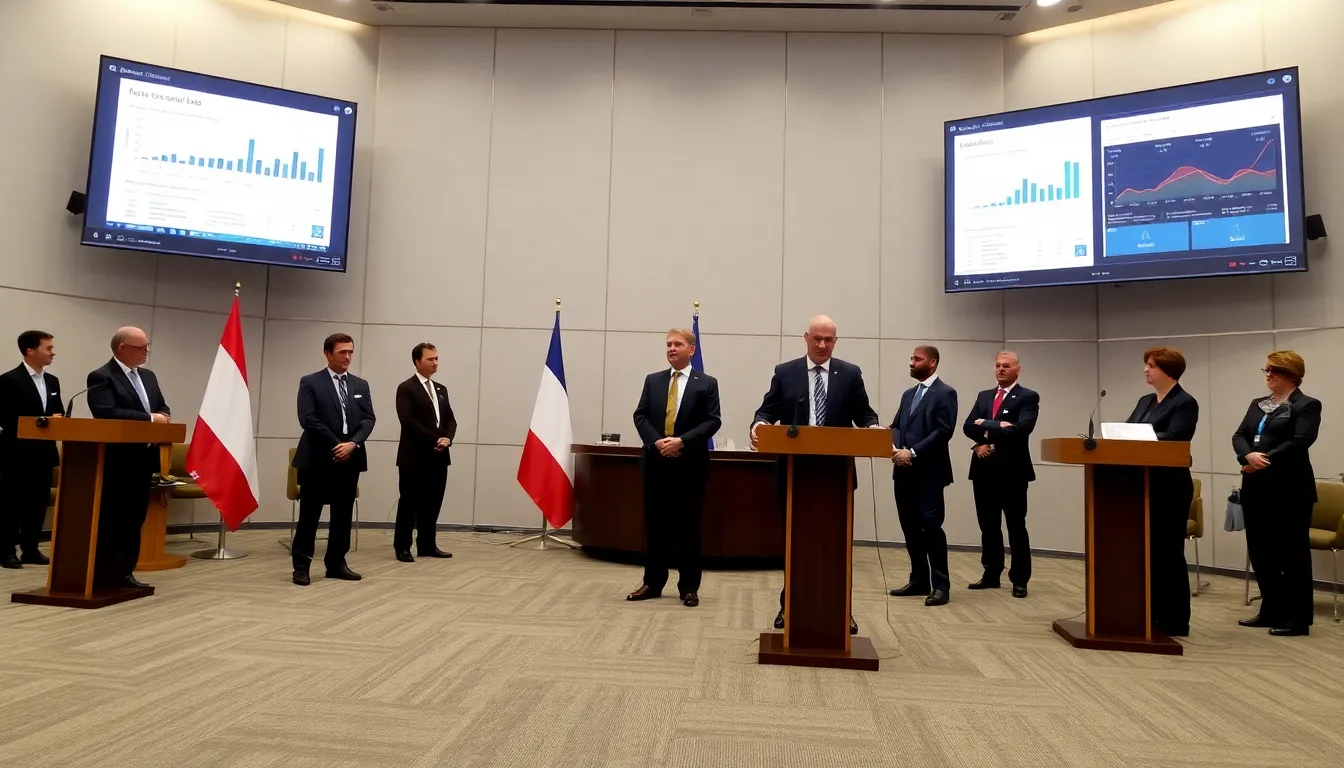
In the short term, users may experience disruptions as they adapt to a new platform. This could lead to a temporary decrease in productivity as individuals and organizations familiarize themselves with Visio’s features and functionalities. Additionally, training sessions may be required, adding to the initial costs and time investment for businesses.
In the mid-term, the shift to a local solution could foster a sense of national pride and support for domestic technology companies. This may stimulate growth within the French tech sector, creating new job opportunities and potentially leading to innovations in video conferencing technology. However, there are risks associated with dependency on a single local provider, which could lead to limitations in features and scalability compared to global competitors.
- Government Employees: Required to adapt to new software, impacting workflow.
- Businesses: May face initial productivity losses but could benefit from a tailored solution.
- Educational Institutions: Need to invest in training for staff and students.
- Tech Industry: Potential for growth and innovation in local tech solutions.
Moreover, the policy could influence international perceptions of French technology, potentially encouraging other countries to consider local alternatives to global platforms. This shift may also spark discussions around data sovereignty and privacy, as users may feel more secure using a domestic service that complies with local regulations.
A: The French government aims to enhance data security and support local technology by transitioning to Visio, a domestic alternative. A: The exact timeline for the transition has not been announced, but the government is expected to implement it in the coming months. A: Yes, the government plans to provide training and resources to ensure a smooth transition for all users. A: Visio is designed to comply with French data protection laws and offers features tailored to the needs of local users. A: Businesses will need to adapt to the new platform, which may involve additional costs and training but could also enhance data security.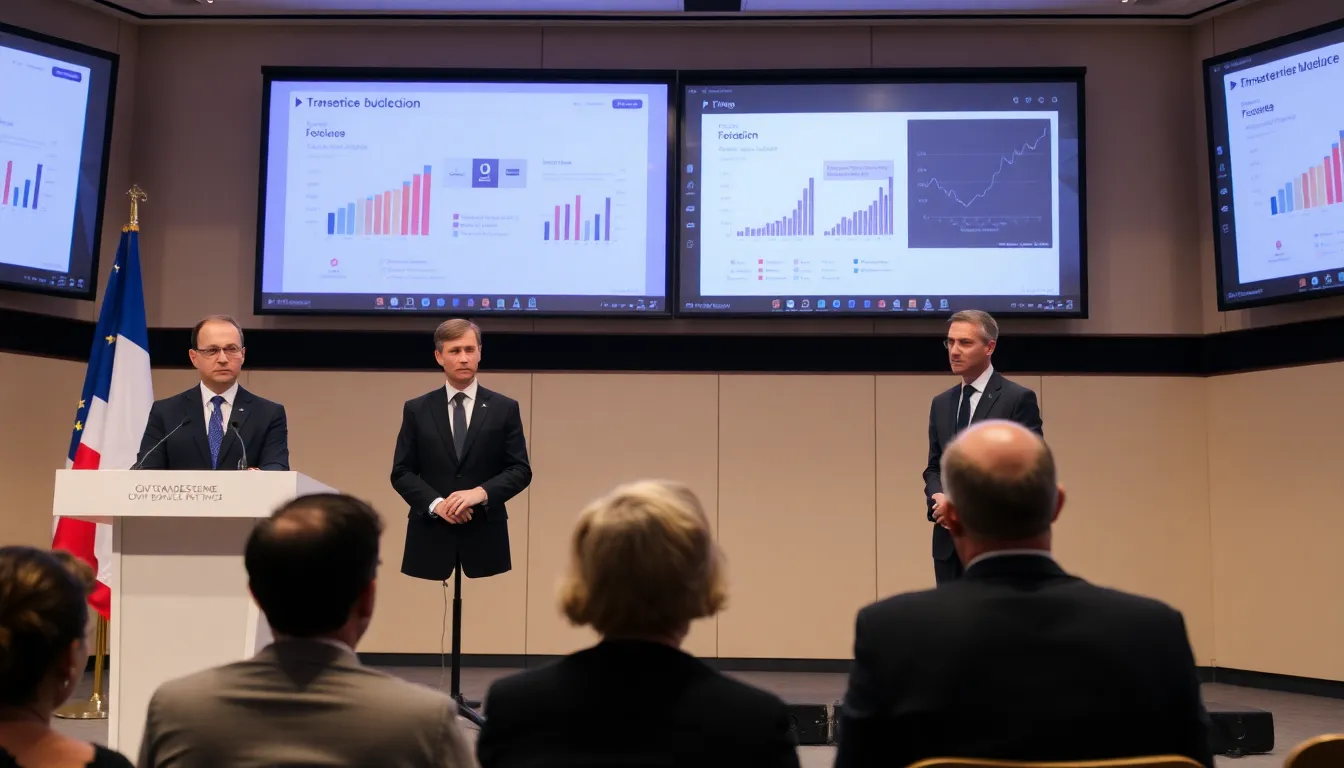
Frequently Asked Questions About the Transition
Outlook on the Future of Video Conferencing in France
The French government’s decision to replace widely used platforms like Zoom and Teams with Visio reflects a growing trend towards prioritizing local solutions in the digital landscape. This shift not only emphasizes national sovereignty in technology but also aims to enhance data security and privacy for public sector communications. As organizations adapt to this transition, it may signal a broader movement across Europe to support homegrown technology providers.
Stakeholders should closely monitor how this change impacts user experience and collaboration efficiency, particularly in a time when remote work and digital communication are more critical than ever. The success of Visio will likely influence similar initiatives in other countries, potentially reshaping the competitive landscape of video conferencing tools.
- Increased Investment in Local Tech: The move may spur greater investment in French technology firms, fostering innovation and job creation within the sector.
- Focus on Data Privacy: Emphasizing local solutions could lead to stricter data protection measures, aligning with European data regulations.
- User Adaptation: The transition may present challenges for users accustomed to established platforms, necessitating training and support.
- Potential for Export: If successful, Visio could serve as a model for other nations, creating opportunities for export of French technology solutions.
- Impact on Global Competition: The shift may alter the dynamics of the global video conferencing market, prompting international competitors to adapt their strategies.