
Notably, the Biden administration has proposed increasing taxes on individuals earning over $400,000 annually, aiming to ensure that the wealthiest Americans contribute a fair share to the economy. Additionally, several states, such as California and New York, are considering their own measures to impose taxes on the ultrawealthy, reflecting a growing sentiment that the current tax system disproportionately favors the rich. For more details on recent tax changes, check out the article on Income tax changes and mansion tax.
Internationally, the Organisation for Economic Co-operation and Development (OECD) has highlighted the need for coordinated efforts to tax wealth more effectively. In October 2021, the OECD introduced a global minimum tax rate, which aims to curb tax avoidance by multinational corporations and ensure that profits are taxed where they are earned. This initiative has sparked discussions about the implications for personal wealth taxation and the potential for a more equitable tax landscape. The complexities surrounding such efforts are similar to those discussed in the context of Trump’s vision for Venezuela.
As these discussions unfold, public opinion appears to be shifting. Recent polls indicate that a significant portion of the population supports higher taxes on the ultrarich, particularly in light of the economic impact of the COVID-19 pandemic. Advocates argue that such measures could help reduce inequality and provide funding for critical social programs, while opponents raise concerns about potential negative effects on investment and economic growth.
Historical context of wealth taxation
The concept of taxing wealth is not a new phenomenon; it has deep historical roots that can be traced back to various societies and civilizations. In ancient Rome, for instance, property taxes were levied on landowners, reflecting a societal structure where wealth was concentrated among a few. Similarly, during the Middle Ages, feudal systems imposed taxes on land and resources, often benefiting the ruling class while burdening the peasantry.
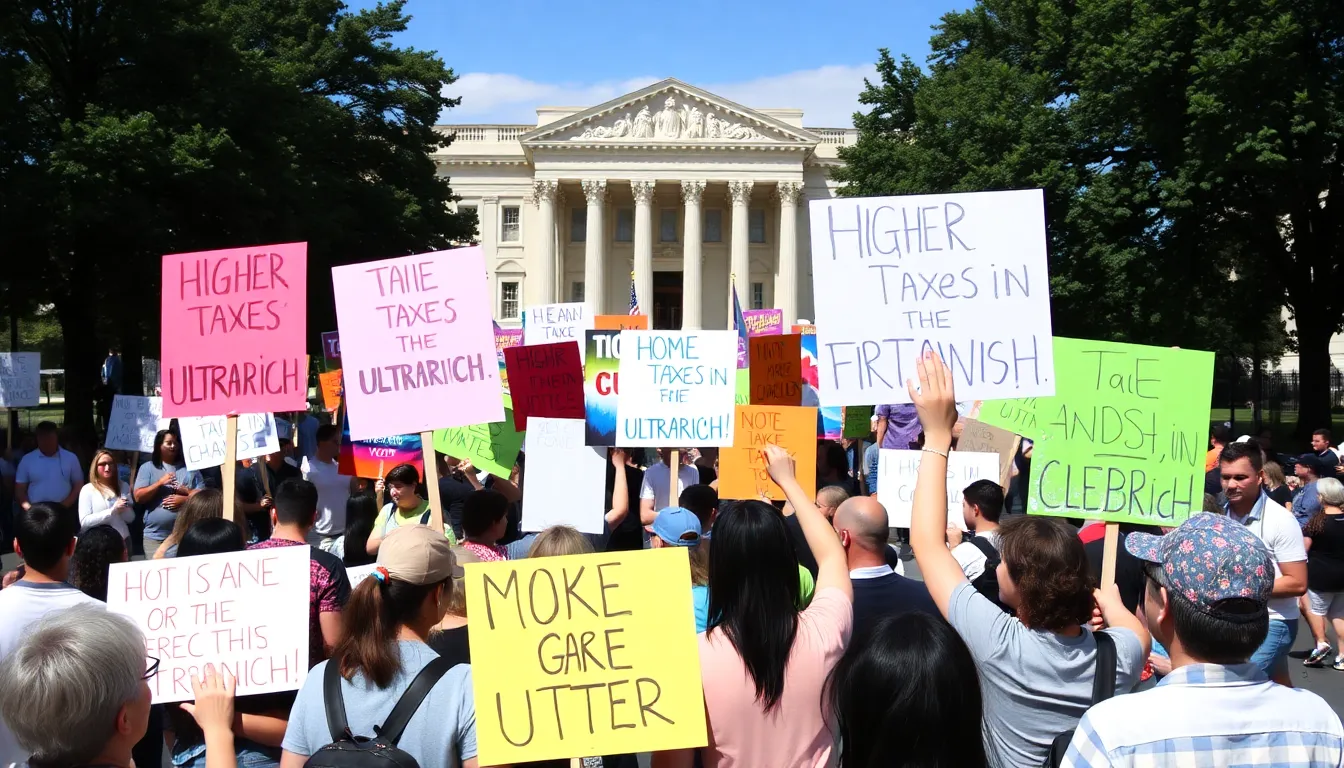
In the modern era, the idea of wealth taxation gained traction during the early 20th century, particularly in response to the vast inequalities brought about by the Industrial Revolution. Countries like France and the United Kingdom began to implement progressive income taxes, which aimed to redistribute wealth more equitably among their populations. These early forms of taxation laid the groundwork for contemporary discussions about the ultrarich and their contributions to society.
The rise of income tax in the 20th century
The introduction of income tax in the United States during World War I marked a significant milestone in the evolution of wealth taxation. Initially framed as a temporary measure to fund the war effort, it became a permanent fixture of the American tax system. Over the decades, the tax structure evolved, with rates for the wealthiest Americans peaking at over 90% during the 1950s. This period saw substantial investments in public goods, infrastructure, and social programs, raising questions about the relationship between taxation and economic growth. Insights from this can be contrasted with the ongoing challenges in international contexts, such as those faced in Gaza’s political landscape.
However, the latter half of the 20th century saw a shift in political ideologies, with a growing emphasis on tax cuts and deregulation. This shift culminated in the 1980s with Reaganomics, which significantly reduced tax rates for the wealthy. As a result, income inequality began to widen, leading to renewed calls for a reevaluation of wealth taxation and its role in addressing social disparities.
In recent years, the debate has intensified, particularly amidst growing public concern over wealth concentration and its implications for democracy and social mobility. Movements advocating for higher taxes on the ultrarich have gained momentum, citing historical precedents and the need for a more equitable tax system that can fund essential services and address pressing societal issues.
Key stakeholders and their positions on wealth tax
The debate over taxing the ultrarich involves a diverse array of stakeholders, each with distinct interests and perspectives. Key actors include government officials, wealthy individuals, economists, and advocacy groups. Their positions on wealth taxation often reflect broader economic philosophies and social values.
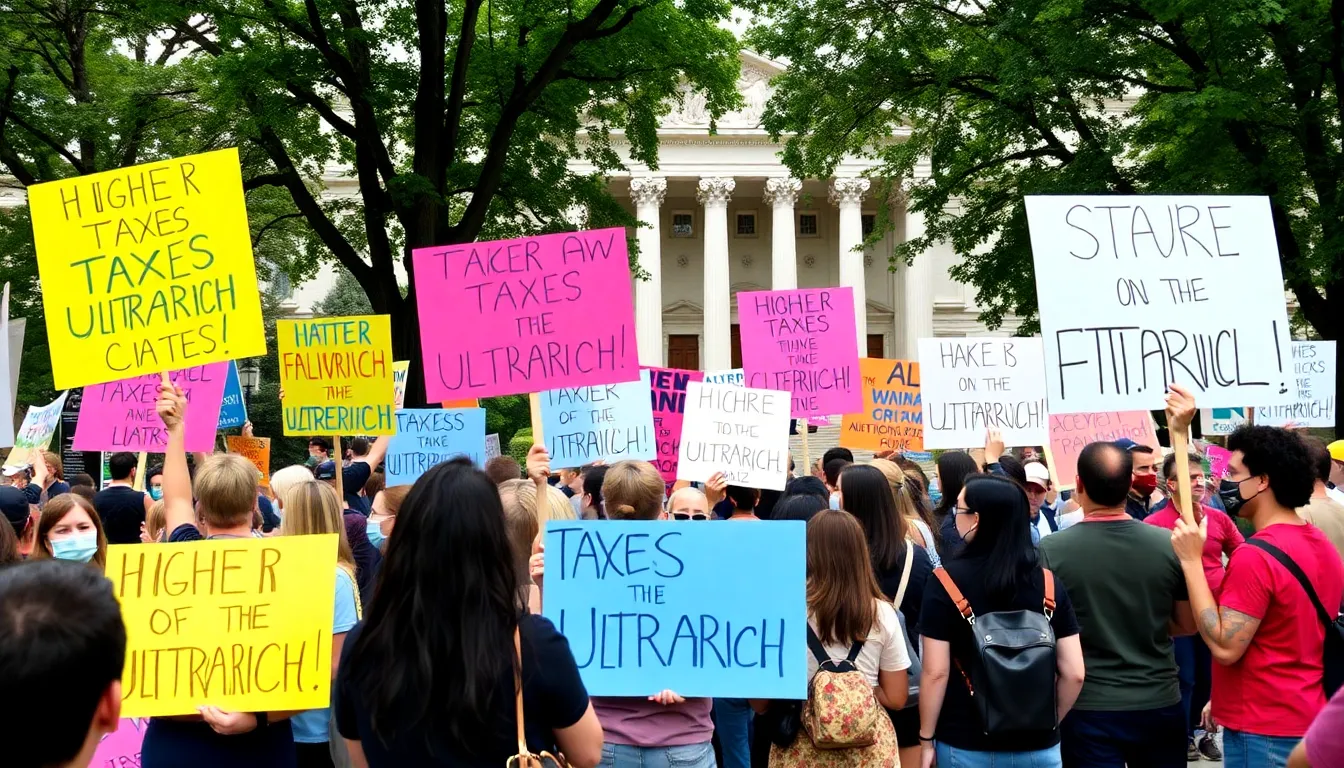
Government officials, particularly those in progressive administrations, tend to support wealth taxes as a means to address income inequality and generate revenue for public services. They argue that the ultrarich can afford to contribute more to society without compromising their standard of living. In contrast, some conservative lawmakers oppose wealth taxes, citing concerns about economic growth and potential capital flight.
Wealthy individuals, especially billionaires, are often at the forefront of the discussion. Some advocate for fair taxation and support wealth taxes as a moral obligation, while others vehemently oppose such measures, arguing that they disincentivize investment and entrepreneurship. This group often includes influential business leaders and philanthropists who may seek to shape public opinion through their financial contributions to political campaigns.
Economists also play a crucial role in the wealth tax discourse. They analyze the potential impacts of such taxes on economic growth, job creation, and overall tax revenue. Some argue that wealth taxes can lead to significant revenue generation, while others caution against unintended consequences, such as reduced investment and innovation. The debate is further complicated by differing views on how to effectively implement and enforce these taxes.
- Government officials advocate for wealth taxes to address inequality and fund social programs.
- Wealthy individuals are divided, with some supporting taxes as a moral duty and others opposing them for economic reasons.
- Economists provide varied perspectives on the economic implications of wealth taxes, focusing on growth and revenue.
- Advocacy groups push for wealth taxes as a tool for social justice and economic reform.
- Legal experts examine the constitutional implications and feasibility of implementing wealth taxes.
Potential impacts on the economy and society
The proposal to tax the ultrarich is set to affect various groups, including high-net-worth individuals, small business owners, and middle-class workers. Wealthy individuals, particularly those with substantial assets in stocks, real estate, and other investments, will be directly impacted by increased tax liabilities. Additionally, industries that cater to the ultrarich, such as luxury goods, high-end real estate, and private banking, may experience shifts in demand as consumer behavior changes in response to new tax structures.

In the short term, the implementation of a tax on the ultrarich could lead to increased revenue for governments, which may be redirected towards social programs, infrastructure, and public services. This influx of funds could enhance community services and create job opportunities. However, there is also a risk that high earners may relocate to tax-friendly jurisdictions, potentially leading to a loss of talent and capital in regions that impose higher taxes.
In the mid-term, businesses that rely on discretionary spending from wealthy consumers might see a decline in sales, prompting them to adjust their strategies. Conversely, sectors focused on affordability and accessibility could thrive as more resources become available for broader economic support. This shift could foster innovation in industries that cater to a wider audience, ultimately benefiting society as a whole.
- Increased tax revenue for public services
- Potential exodus of wealthy individuals
- Changes in consumer spending patterns
- Opportunities for businesses targeting middle-income consumers
- Impact on luxury industries and high-end markets
Overall, while the taxation of the ultrarich presents clear risks, such as potential capital flight and market instability, it also offers opportunities for reinvestment in communities and the creation of a more equitable economic landscape. The balance between these outcomes will depend on how policymakers implement and manage these tax initiatives.
A: Taxing the ultrarich refers to implementing higher tax rates on individuals with extreme wealth, aimed at reducing income inequality and funding public services. A: The debate centers around issues of fairness, economic impact, and the effectiveness of such taxes in addressing wealth disparity. A: Countries vary in their approach, with some implementing wealth taxes while others rely on income taxes, reflecting differing political and economic philosophies. A: Potential benefits include increased government revenue for social programs, reduced income inequality, and enhanced public investment. A: Policymakers face challenges such as public opposition, legal hurdles, and concerns about capital flight and economic growth.
Frequently asked questions about taxing the ultrarich
Key takeaways and future outlook on wealth taxation
The debate surrounding the taxation of the ultrarich continues to gain momentum, reflecting broader concerns about economic inequality and fiscal responsibility. As policymakers explore various approaches to wealth taxation, understanding the implications of these measures becomes crucial for stakeholders at all levels. The potential for significant revenue generation, alongside the challenges of implementation and public acceptance, will shape the future landscape of taxation.
Looking ahead, the outcomes of proposed wealth taxes may serve as a litmus test for political will and public sentiment regarding wealth distribution. Observers should remain vigilant as legislative developments unfold, as they will likely influence not only the ultrarich but also the broader economy and social fabric.
- Policy Evolution: Watch for shifts in political alignment as wealth taxation proposals gain traction, potentially leading to new coalitions among lawmakers.
- Public Reception: Monitor public opinion trends, as widespread support or opposition could significantly impact the feasibility of proposed tax measures.
- Impact on Investment: Assess how wealth taxes may influence investment strategies among the ultrarich, potentially altering capital flows and economic growth.
- Global Trends: Consider the international perspective, as countries adopting similar measures may create a ripple effect, prompting others to follow suit.
- Implementation Challenges: Be aware of the complexities involved in enforcing wealth taxes, including valuation issues and potential loopholes that could undermine effectiveness.