
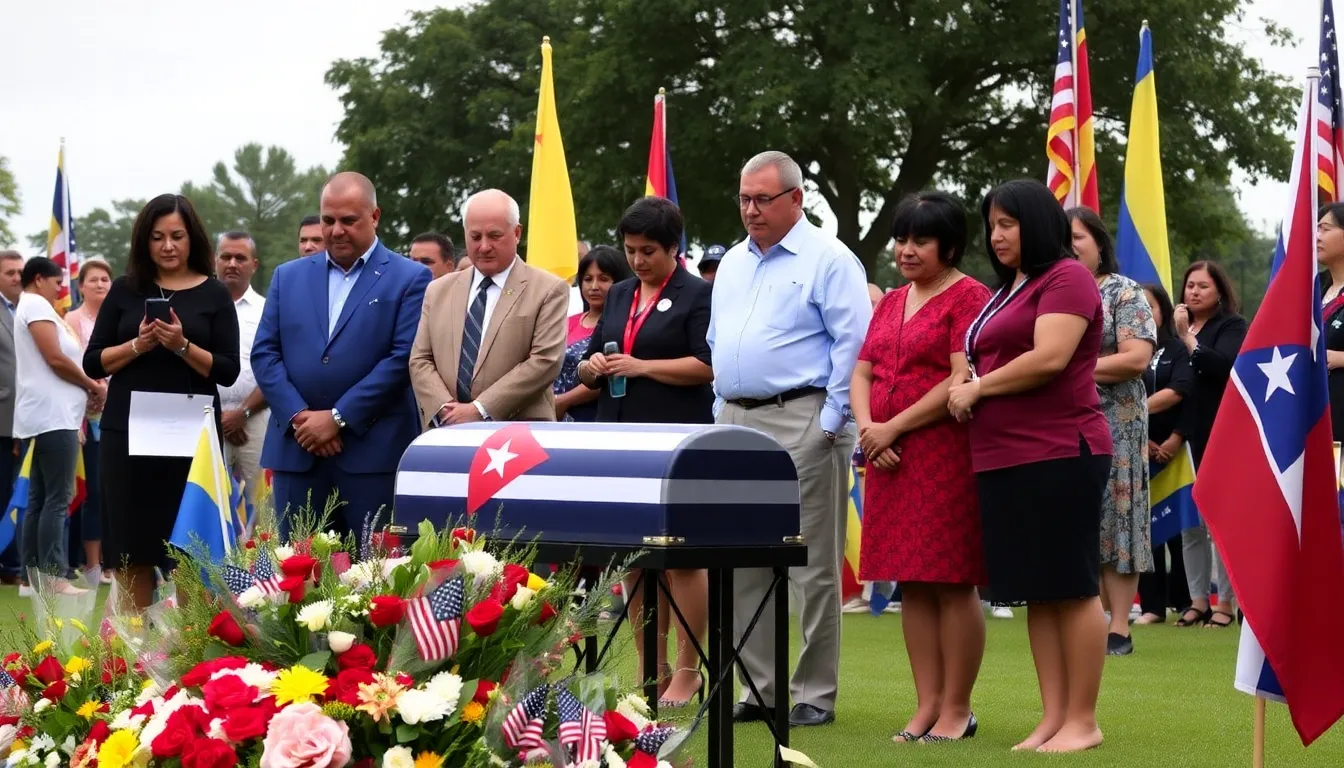
The repatriation of these remains comes amid heightened diplomatic strains between the two nations. Cuban officials have condemned the U.S. actions, labeling them as violations of sovereignty and international law. The Cuban government has called for accountability and justice for the lives lost, emphasizing the need for respect in international relations.
This incident has reignited discussions about U.S. foreign policy in Latin America, particularly its military interventions. Analysts suggest that the strikes may have broader implications for regional stability and U.S.-Cuba relations. The return of the remains serves as a poignant reminder of the human cost associated with geopolitical conflicts.
As families in Cuba begin to mourn their loved ones, the government is expected to hold memorial services to honor the deceased. This event not only underscores the personal tragedies experienced by those directly affected but also reflects the larger narrative of Cuba’s struggle against perceived foreign aggression.
Understanding the background of the U.S. strikes in Venezuela
The recent repatriation of the remains of 32 Cuban citizens who were killed in U.S. military strikes in Venezuela highlights the complex interplay of geopolitical tensions, historical grievances, and the ongoing crisis in the Latin American region. Understanding these dynamics is essential for anyone looking into U.S. foreign policy outcomes and regional stability.
The U.S. has long viewed Venezuela as a strategic adversary, especially given its vast oil reserves and its alliances with countries like Russia and Iran. In recent years, the U.S. has intensified its efforts to undermine the Maduro government, employing a range of tactics from economic sanctions to direct military interventions. These actions have not only destabilized Venezuela but have also had significant implications for neighboring countries, particularly Cuba, which relies heavily on Venezuelan oil and financial support.
The Cuban-Venezuelan alliance
The relationship between Cuba and Venezuela has deep historical roots, characterized by mutual support against U.S. imperialism. Following Chávez’s rise to power in the late 1990s, the two nations formed a close alliance, with Cuba providing medical and educational services in exchange for oil. This partnership has been a lifeline for Cuba, particularly during times of economic hardship exacerbated by U.S. sanctions. However, as Venezuela’s political and economic situation has deteriorated, the repercussions have been felt in Cuba, leading to heightened tensions and a precarious balance of power in the region.
The tragic loss of life resulting from U.S. strikes in Venezuela underscores the human cost of these geopolitical maneuvers. As the families of the deceased seek justice and acknowledgment, the incident serves as a stark reminder of the ongoing conflict and the complex realities faced by those caught in the crossfire of international politics. This situation is reminiscent of other geopolitical crises in the region.
Analyzing the implications of U.S.-Cuba relations
The recent return of the remains of 32 Cuban citizens killed in U.S. strikes in Venezuela has reignited discussions about the complex relationship between the United States and Cuba. Key actors in this situation include the U.S. government, the Cuban government, and the families of the deceased. Each of these stakeholders has distinct interests and perspectives that shape their responses to this tragic event.
The U.S. government, under the Biden administration, faces a delicate balance in its foreign policy towards Cuba. While there is a desire to improve diplomatic relations, incidents like these complicate efforts. The U.S. is also concerned about its regional influence and the implications of its military actions abroad, particularly in Latin America. This incident may provoke criticism from various domestic and international actors regarding U.S. military involvement.
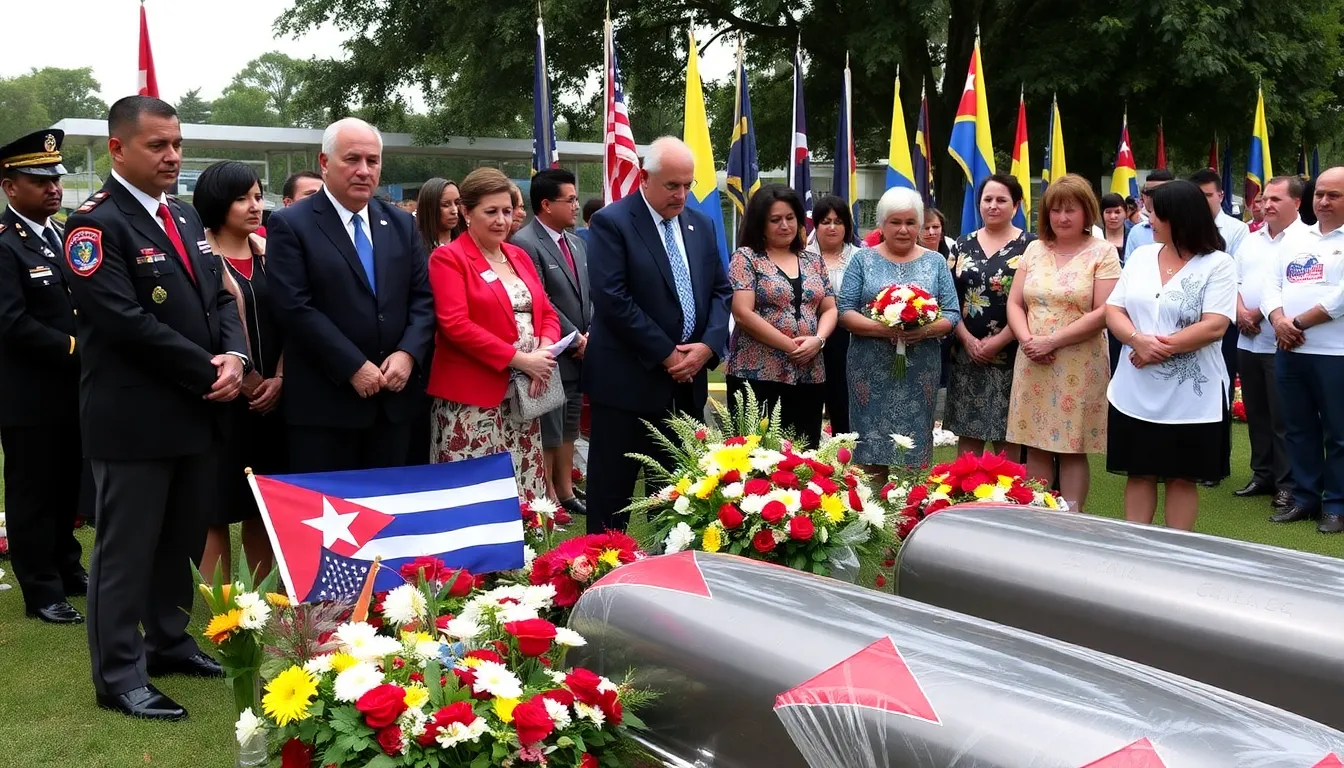
On the other hand, the Cuban government is likely to leverage this incident to bolster its narrative of U.S. aggression and imperialism. By publicizing the deaths of its citizens, Cuba may seek to rally public opinion both domestically and internationally against U.S. policies. This situation also highlights ongoing tensions regarding human rights and the treatment of Cuban nationals abroad, which remain critical issues in U.S.-Cuba relations.
- Human Rights Concerns: The incident raises questions about the U.S. military’s engagement in operations that result in civilian casualties, which can lead to broader human rights discussions.
- Diplomatic Relations: This event could hinder any progress toward normalizing relations between the U.S. and Cuba, as it is likely to provoke strong reactions from the Cuban government.
- Public Sentiment: The families of the deceased may demand accountability and justice, which could influence public opinion in Cuba and the U.S. regarding military actions.
- Regional Stability: The repercussions of U.S. military actions in Venezuela have implications for regional stability, affecting not only Cuba but also neighboring countries.
- Economic Implications: Continued tensions may impact economic negotiations and trade relations between the U.S. and Cuba, particularly in areas like tourism and remittances.
In summary, the return of these remains has far-reaching implications for U.S.-Cuba relations, highlighting the complexities of international diplomacy, national interests, and the human cost of military operations. The reactions of both nations will be critical in shaping future narratives, much like the discussions surrounding international relations today.
Impact on families and diplomatic relations
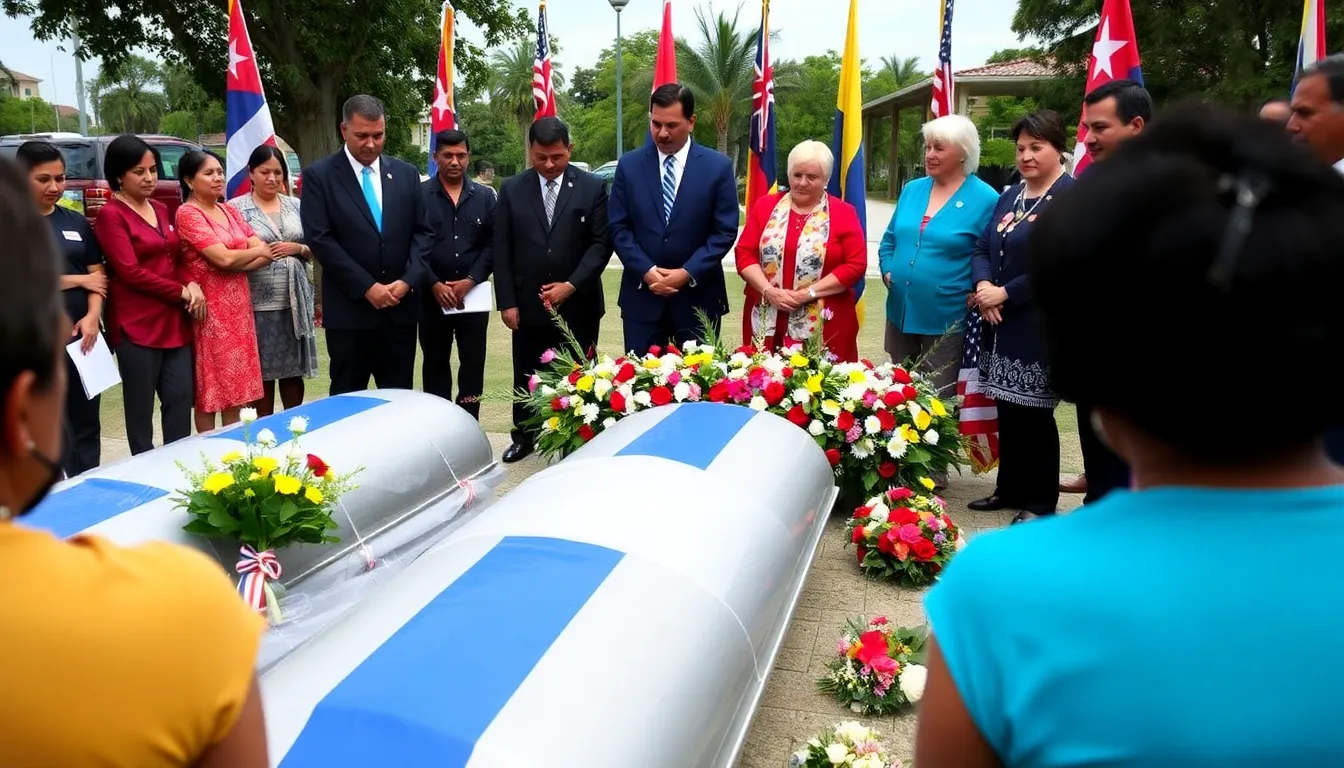
The recent return of the remains of 32 Cuban citizens killed in U.S. strikes in Venezuela has profound implications for families and the broader diplomatic landscape. Families of the deceased are grappling with the emotional toll of loss, and the repatriation process may bring both closure and renewed grief. The impact on these families extends beyond personal loss, affecting their social networks and community ties.
On a diplomatic level, this incident could strain U.S.-Cuba relations further. The Cuban government is likely to respond with calls for accountability and justice, which may lead to heightened tensions between the two nations. This situation could also influence other countries in the region, as they assess the implications of U.S. military actions and their own diplomatic stances toward both Cuba and Venezuela.
In the short term, the families of the victims may face increased media scrutiny and public attention, which could disrupt their daily lives. Additionally, there may be a surge in activism and protests in Cuba and among the Cuban diaspora, demanding justice and accountability from the U.S. government. This could lead to a mobilization of resources and support networks aimed at advocating for the victims’ families.
In the mid-term, businesses in Cuba may experience fluctuations as the government prioritizes resources to address the fallout from this incident. Industries such as tourism and remittances could be affected if diplomatic relations worsen and if there is a shift in public sentiment against the U.S. This situation may also create opportunities for local organizations focused on human rights and advocacy to gain prominence and funding.
- Increased emotional strain on families of the victims.
- Potential for heightened diplomatic tensions between Cuba and the U.S.
- Mobilization of activism and public protests.
- Possible shifts in business dynamics in Cuba.
- Opportunities for human rights organizations to gain visibility.
A: The U.S. strikes were part of a broader military operation aimed at targeting specific threats in Venezuela, which has been a focal point of U.S. foreign policy. A: The Cuban government expressed deep sorrow and called for justice regarding the deaths of its citizens, emphasizing the need for accountability. A: This incident could further strain U.S.-Cuba relations, as it highlights ongoing tensions and differing perspectives on military actions in the region. A: The Cuban government has promised support for the families of the victims, including psychological assistance and financial aid. A: The international community has expressed concern over the U.S. military actions, with calls for dialogue and peaceful resolutions to conflicts.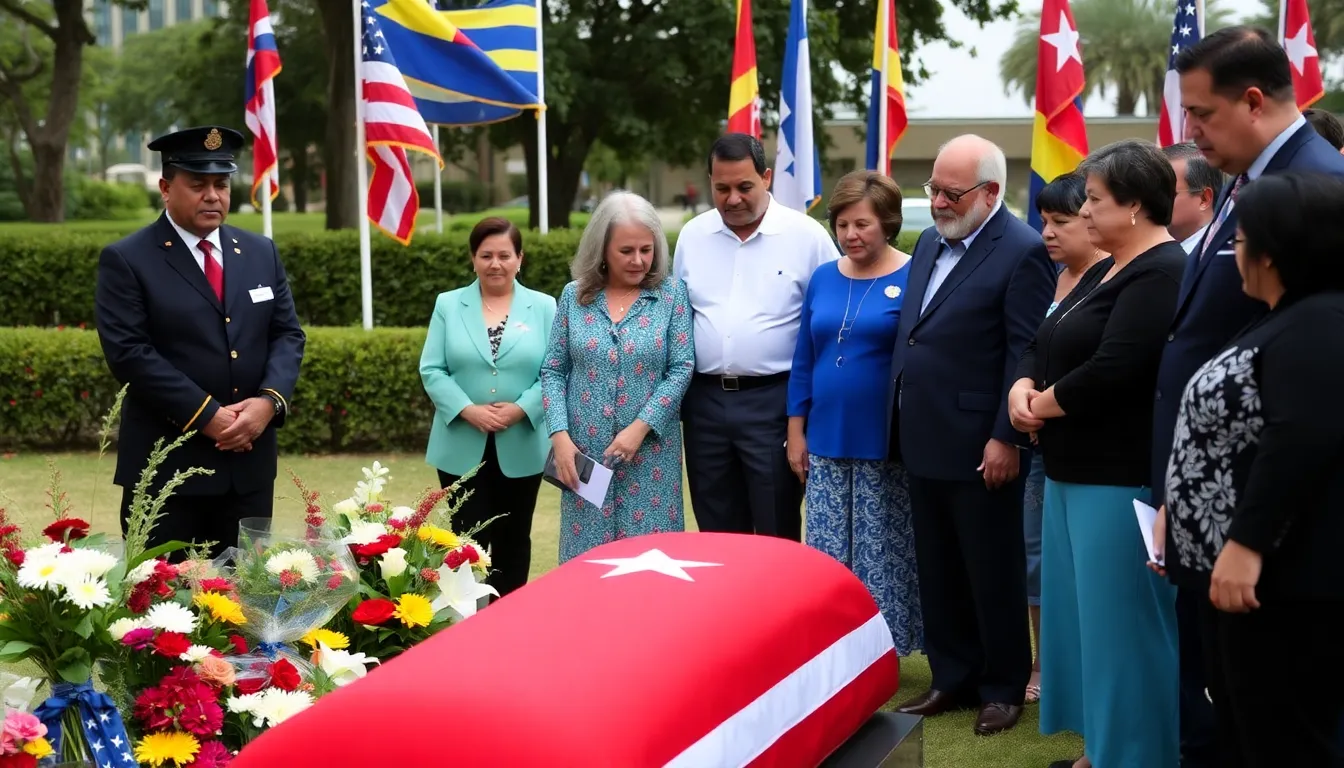
Frequently Asked Questions about the incident
Key takeaways and future implications
The return of the remains of 32 Cuban citizens killed in U.S. strikes in Venezuela underscores the complex and often fraught relationship between Cuba and the United States, particularly in the context of regional conflicts. This incident not only highlights the human cost of geopolitical tensions but also raises questions about the future of diplomatic relations and the potential for reconciliation between the two nations.
As Cuba mourns its citizens, the implications for U.S.-Cuba relations could be significant. Observers should consider how this event may influence both domestic politics within Cuba and the broader dynamics of U.S. foreign policy in Latin America.
- The incident may lead to increased calls for accountability and transparency regarding U.S. military actions in foreign territories.
- Cuba’s response could affect its internal political landscape, potentially strengthening nationalist sentiments.
- This situation may prompt renewed discussions on diplomatic negotiations between the U.S. and Cuba, particularly regarding human rights and military engagement.
- Regional allies and adversaries may reassess their positions in light of the repercussions this event has on U.S. influence in Latin America.
- Increased media attention on this topic may shape public opinion and influence future policy decisions in both countries.