
On October 10, 2023, authorities announced the release of several high-profile detainees, including opposition leaders and activists who had been imprisoned for their political beliefs. The government has framed these releases as part of a broader effort to promote national reconciliation and dialogue, although critics argue that the moves are largely symbolic and do not address the underlying issues of human rights abuses.
The decision to release political prisoners has drawn mixed reactions from various stakeholders. Human rights organizations have welcomed the action as a positive step, yet they emphasize the need for comprehensive reforms and accountability for past abuses. Meanwhile, opposition groups remain skeptical, questioning the sincerity of the government’s intentions and urging for the release of all political detainees.
This situation is crucial not only for the individuals affected but also for Venezuela’s political landscape as a whole. The releases could potentially open the door for renewed negotiations between the government and opposition, which have been stalled for months. However, the effectiveness of these gestures will ultimately depend on the government’s commitment to genuine political change and the protection of civil liberties.
Understanding the background of political imprisonment in Venezuela
The situation of political imprisonment in Venezuela has deep historical roots, stemming from decades of political turmoil and economic instability. Since the late 1990s, the country has experienced a significant shift in governance, particularly under the leadership of Hugo Chávez, who implemented a socialist agenda that polarized the nation. This polarization intensified under his successor, Nicolás Maduro, leading to widespread protests and a crackdown on dissent.
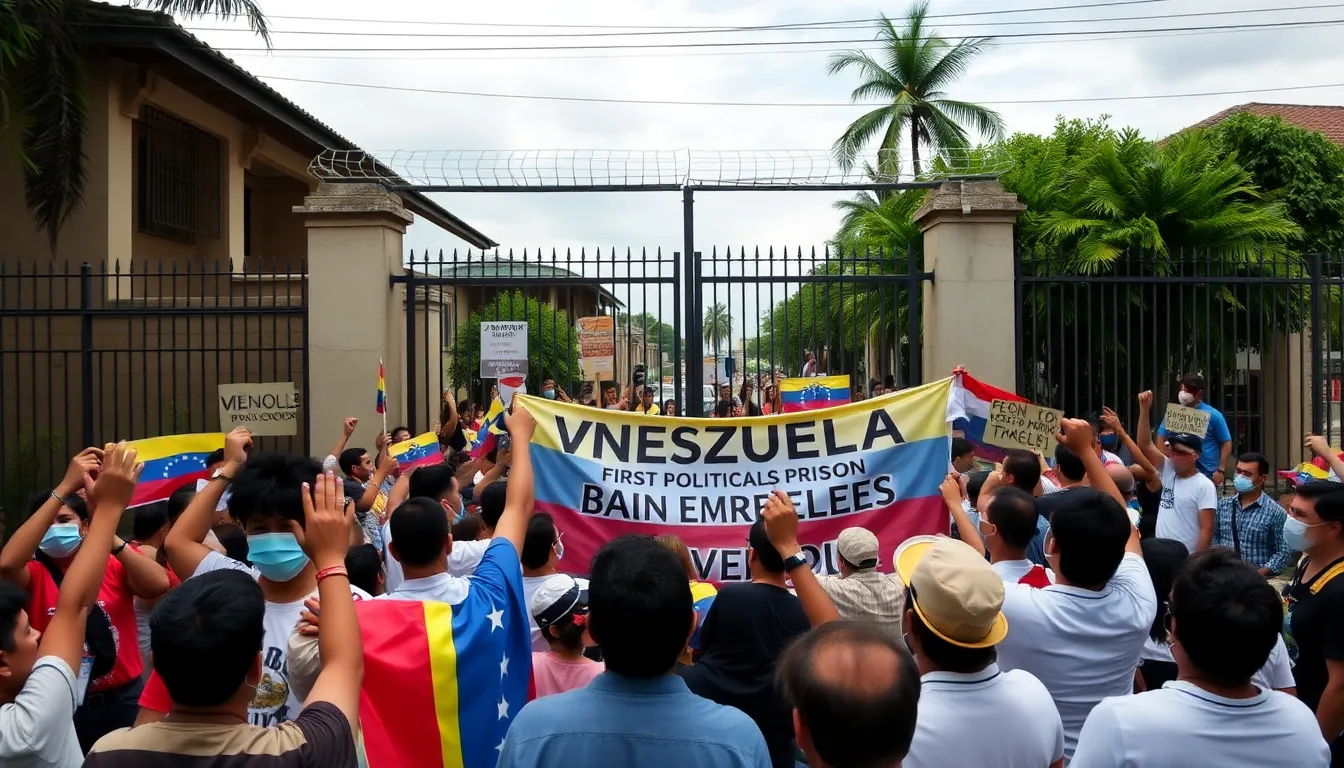
The government’s approach to political opposition has often included the imprisonment of activists, opposition leaders, and ordinary citizens who challenge its authority. This has been justified by the government as a necessary measure to maintain order and national sovereignty, but it has drawn widespread condemnation from international human rights organizations and foreign governments. Reports indicate that thousands of individuals have been detained for political reasons, with many facing harsh conditions and lack of due process, amidst a backdrop of growing anger over slow flood aid.
Key Milestones in Political Imprisonment
Several key events have marked the trajectory of political imprisonment in Venezuela. The 2014 protests against Maduro’s government, driven by economic hardship and political repression, saw a significant increase in arrests of opposition figures. In 2017, the government’s crackdown intensified, leading to the imprisonment of prominent opposition leader Leopoldo López, who became a symbol of the struggle against the regime. The international community’s response has included sanctions and calls for the release of political prisoners, but the Maduro administration has remained largely defiant.
In recent years, the situation has garnered renewed attention as the Venezuelan government has begun to release some political prisoners, a move seen by many as an attempt to ease international pressure and improve its image. However, the context of these releases is complex, as they often coincide with ongoing negotiations and diplomatic efforts aimed at resolving the country’s deepening crisis. Understanding this background is crucial to grasping the implications of such releases and the broader struggle for democracy in Venezuela.
Key stakeholders and issues surrounding the release of prisoners
The recent decision by the Venezuelan government to release political prisoners has drawn attention from various stakeholders, each with distinct interests and concerns. Key actors include the Venezuelan government, opposition parties, international human rights organizations, and foreign governments, particularly those in the Americas and Europe.
The Venezuelan government, led by President Nicolás Maduro, aims to improve its international standing and mitigate ongoing criticism regarding human rights abuses. By releasing political prisoners, the government may seek to portray itself as more open to dialogue and reform, potentially easing sanctions imposed by foreign nations.
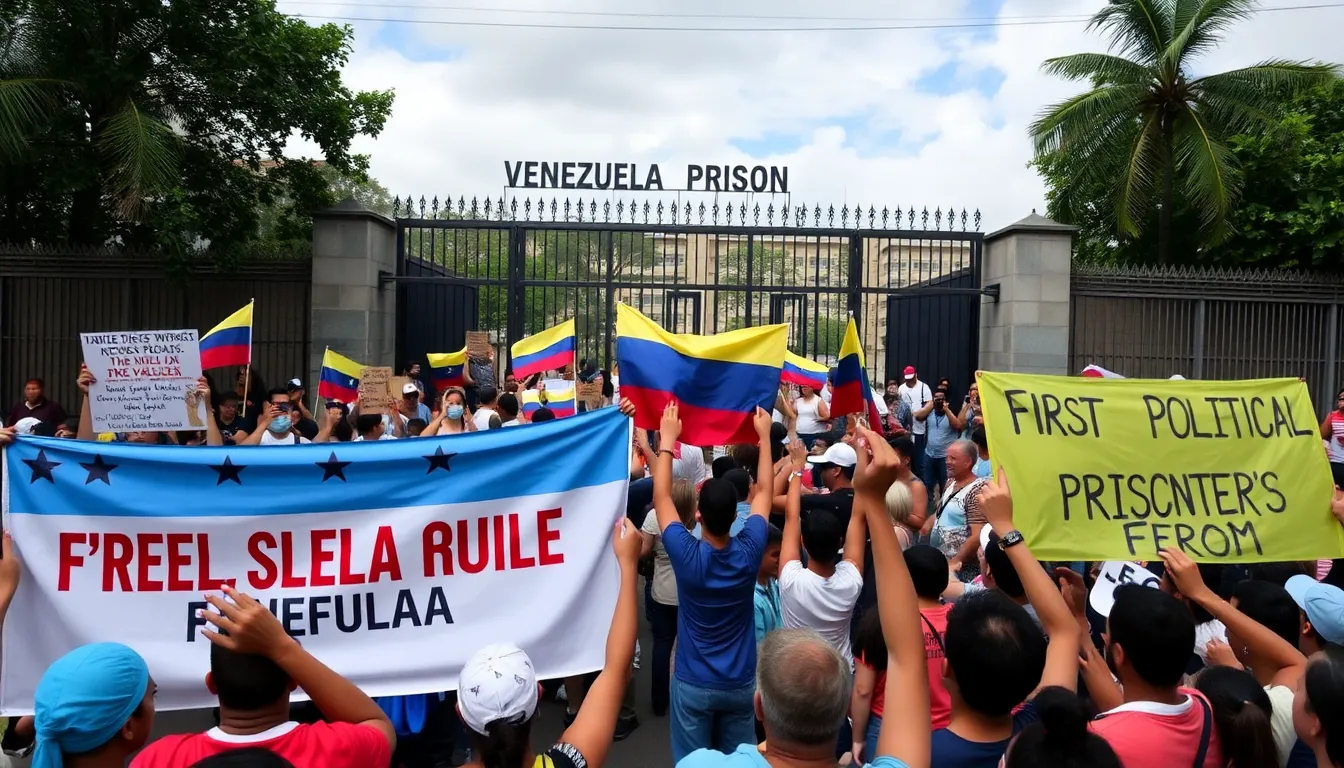
Opposition parties and activists view the release of political prisoners as a crucial step towards restoring democracy in Venezuela. However, they remain skeptical about the government’s intentions, fearing that such actions may be a strategic ploy rather than a genuine commitment to human rights. Their interests lie in ensuring that the releases are part of a broader process that includes free elections and the restoration of civil liberties.
International human rights organizations, such as Amnesty International and Human Rights Watch, are closely monitoring the situation. Their primary concern is the overall human rights situation in Venezuela, which remains dire despite the release of some prisoners. These organizations advocate for continued pressure on the Venezuelan government to address systemic abuses and ensure that all political prisoners are released unconditionally.
- Domestic Political Dynamics: The release may impact the balance of power between the government and opposition, influencing future negotiations.
- International Relations: Positive gestures from the Venezuelan government could lead to improved relations with countries that have imposed sanctions.
- Legal Implications: The legality of detaining political prisoners raises questions about Venezuela’s adherence to international human rights laws.
- Public Perception: The response from Venezuelan citizens could vary, with some viewing the releases as a positive development and others as insufficient.
- Future Reforms: The extent to which this action leads to broader reforms in governance and civil rights remains to be seen.
The impact of prisoner releases on Venezuelan society
The recent decision by the Venezuelan government to release political prisoners has far-reaching implications for various groups within the country. Families of the released prisoners, human rights organizations, and the broader opposition movement are among those most directly affected. The emotional and psychological relief for families can be profound, yet the reintegration of these individuals into society poses challenges.
In the short term, the releases may foster a sense of hope among the populace, potentially revitalizing civic engagement and political discourse. This could lead to increased participation in community activities and a surge in support for opposition parties. However, the government may also face backlash from hardline factions that oppose any form of leniency, leading to potential unrest.
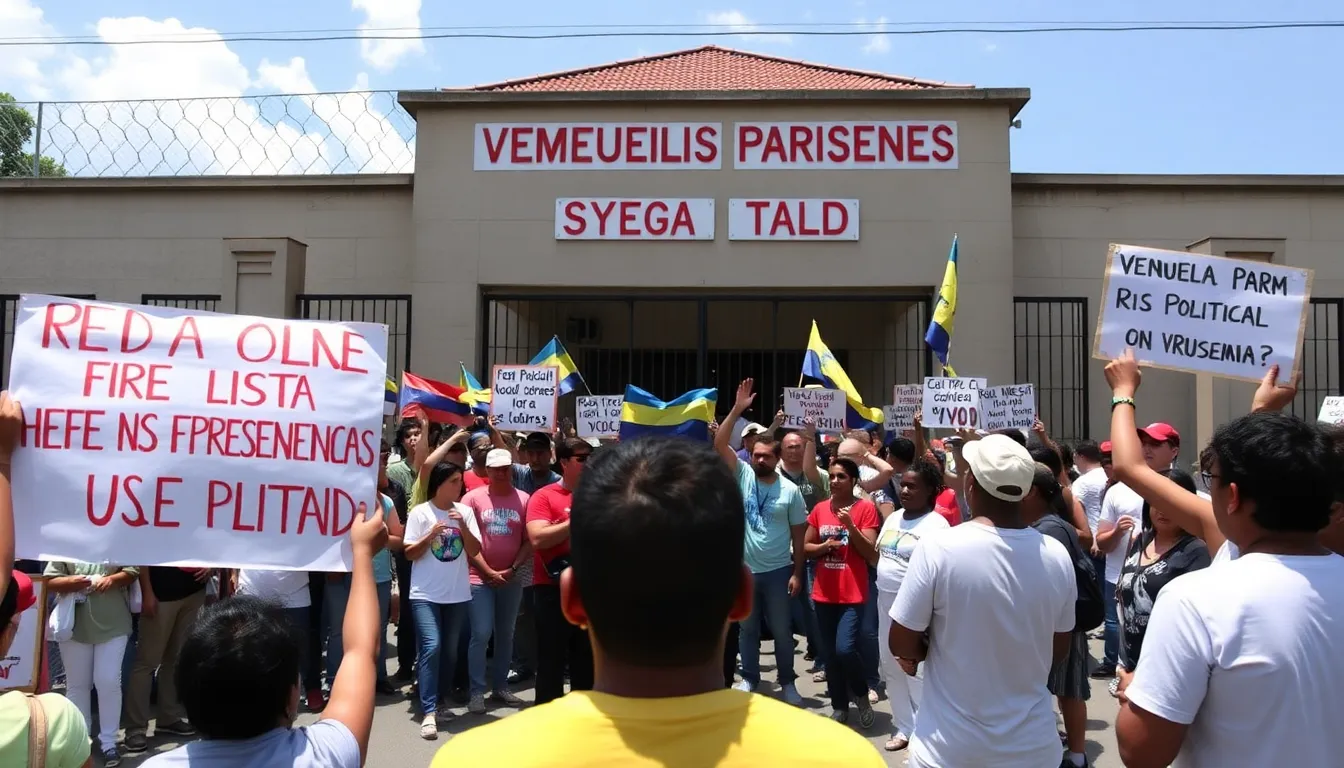
In the mid-term, the impact on daily life could be significant. Businesses may experience fluctuations as political stability remains uncertain. Increased political activity could disrupt normal operations, yet it may also present opportunities for new ventures that align with the changing political landscape. Key industries such as tourism and hospitality might see a revival if the atmosphere becomes more favorable for international visitors.
- Short-term impacts: Emotional relief for families, increased civic engagement, potential unrest.
- Mid-term impacts: Business fluctuations, opportunities for new ventures, potential revival of tourism.
- Risks: Backlash from hardline factions, uncertainty in political stability.
- Opportunities: Enhanced dialogue among political groups, potential for international investment.
Ultimately, while the release of political prisoners may herald a new chapter for Venezuela, it also carries inherent risks that could shape the nation’s future trajectory. The balance between hope and uncertainty will be a crucial factor as society navigates this transitional period.
A: The government is responding to international pressure and calls for reform, aiming to improve its global image and potentially ease sanctions. A: The exact number varies, but reports indicate that dozens of political prisoners may be released in this initiative. A: While the release is a positive step, ongoing concerns about human rights abuses remain, and the situation will need continued monitoring. A: It is uncertain; while releases may indicate a shift, systemic issues within the government and political repression may persist. A: Opposition groups have welcomed the releases but remain skeptical about the government’s commitment to genuine reform.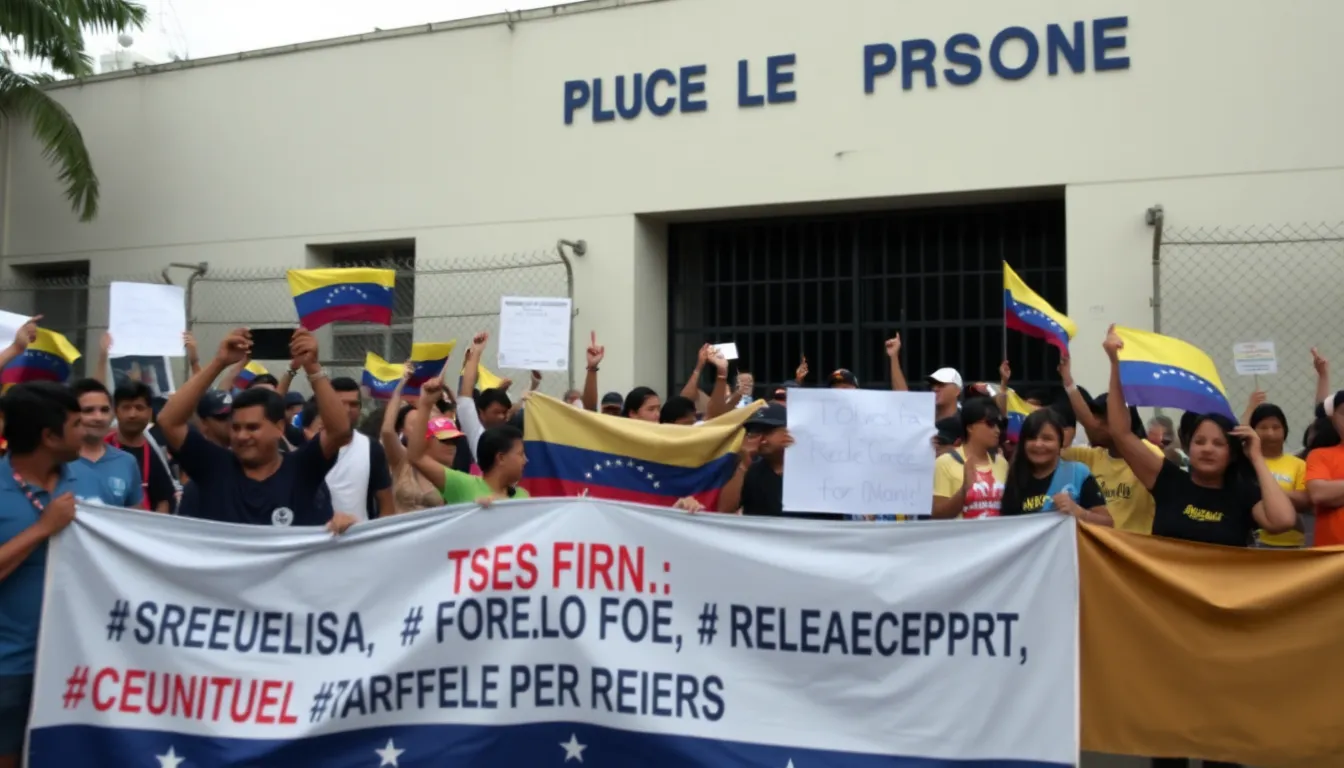
Frequently asked questions about the release of political prisoners
Insights and future outlook on political prisoner releases
The recent decision by the Venezuelan government to release political prisoners marks a significant shift in the political landscape of the country. This move may indicate a willingness to engage in dialogue with opposition groups and could pave the way for potential negotiations aimed at easing tensions. Observers should consider the implications of these releases on both domestic and international fronts, as they reflect the government’s response to mounting pressure from various stakeholders.
As the situation unfolds, the focus will likely shift to the reactions from opposition leaders, civil society, and the international community. The releases could serve as a catalyst for further political reforms or, conversely, they may be viewed as a strategic maneuver by the government to regain legitimacy without making substantive changes to its policies.
- Monitor the reactions from opposition parties and civil society organizations, as their responses will shape the future political discourse.
- Watch for potential international responses, particularly from countries and organizations advocating for human rights and democratic governance.
- Evaluate the long-term impact of these releases on the political climate in Venezuela, especially in terms of public trust and government accountability.
- Consider the possibility of further political concessions from the government as a means to stabilize its position both domestically and internationally.
- Keep an eye on the broader regional implications, as changes in Venezuela may influence political dynamics in neighboring countries.