
Good was reportedly detained in an ICE facility in California after being apprehended for immigration violations. During her time in custody, she experienced medical complications that were not adequately addressed, leading to her untimely death. This incident has reignited discussions about the health care standards and conditions within ICE facilities, which have come under scrutiny in various reform proposals.
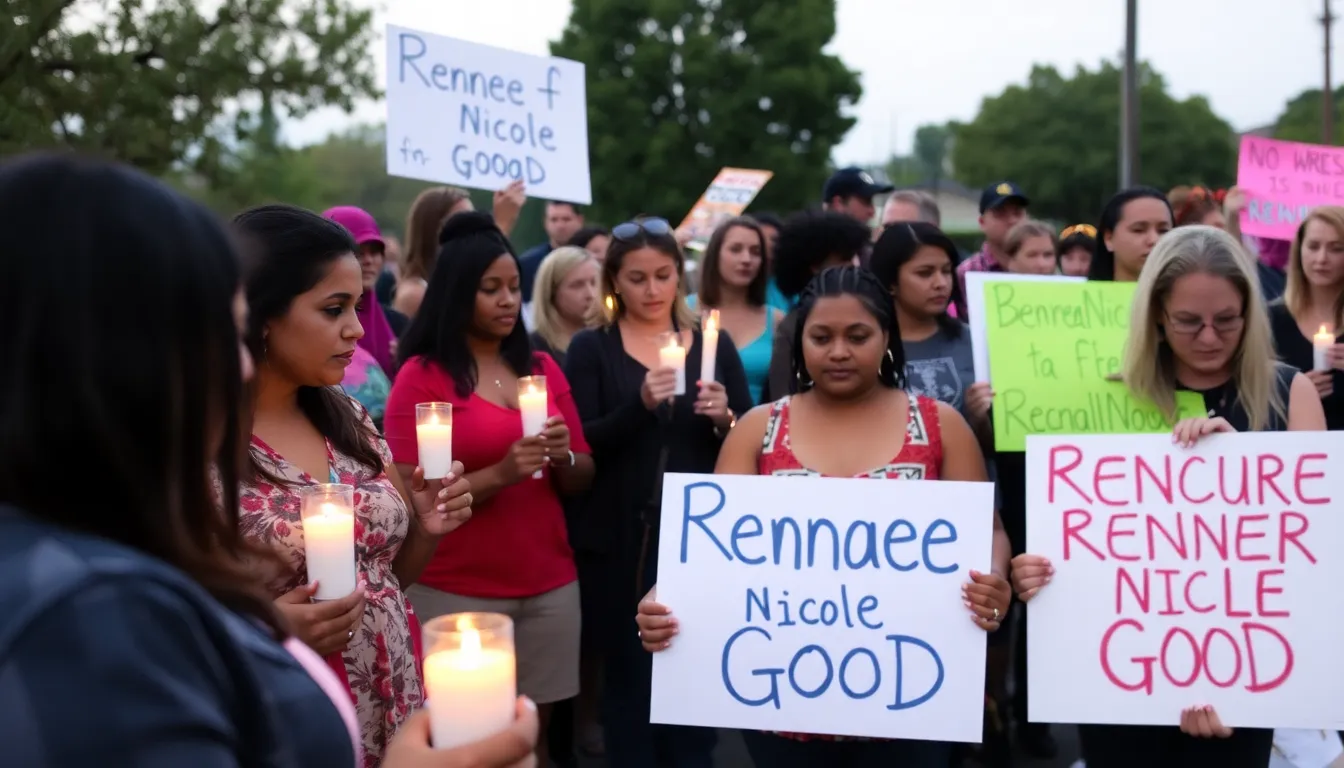
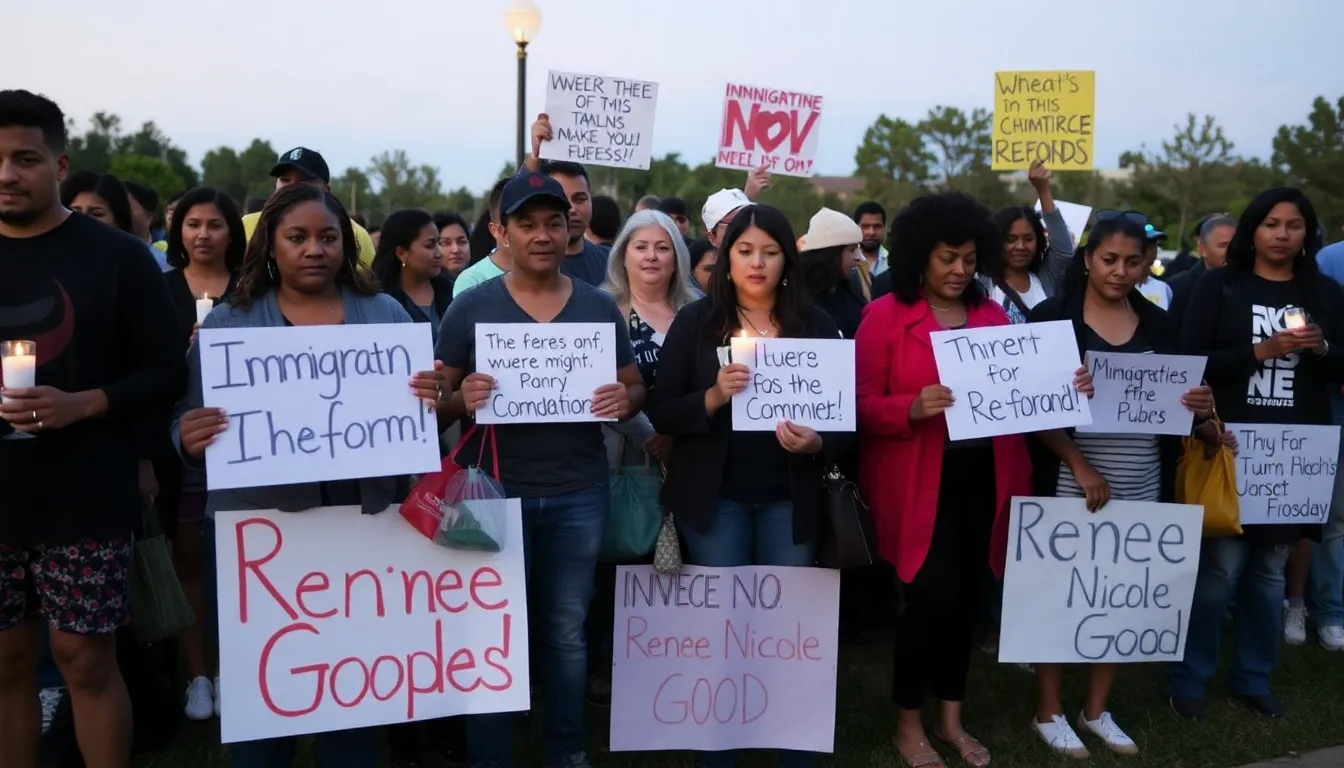
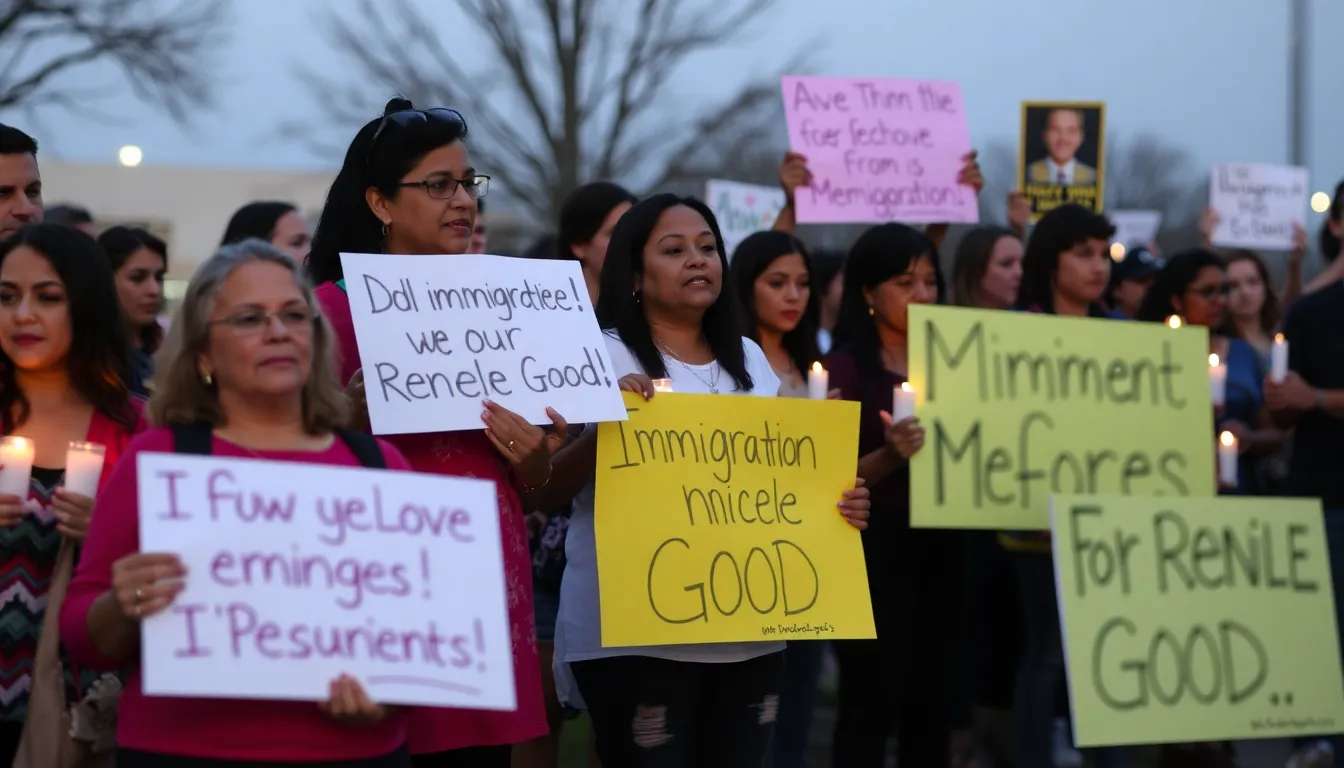
The circumstances of her death have prompted calls for greater transparency and accountability from ICE. Human rights organizations are demanding investigations into the events leading up to her passing, emphasizing the need for reform in how detainees are treated. Community members have also organized vigils to honor her memory and advocate for changes in immigration policy, reflecting the growing movement surrounding immigration rights.
This tragic incident reflects broader concerns about the treatment of marginalized individuals within the U.S. immigration system. As the debate over immigration policy continues, Renee Nicole Good’s story serves as a poignant reminder of the human lives affected by these policies and the urgent need for systemic change, similar to the reforms called for in the aftermath of significant legislative acts.
Background on ICE and its operations
The Immigration and Customs Enforcement (ICE) agency was established in 2003 as part of the Department of Homeland Security (DHS) in the wake of the September 11 attacks. Its primary mission is to enforce immigration laws and investigate customs violations. Over the years, ICE has expanded its operations significantly, focusing on the apprehension and deportation of undocumented immigrants. This shift in focus has led to a surge in detentions and deportations, raising concerns about the agency’s practices and their impact on communities across the United States.
Renee Nicole Good’s tragic death highlights the often-overlooked human consequences of ICE’s enforcement actions. The agency has faced criticism for its treatment of individuals in custody, including allegations of inadequate medical care and harsh detention conditions. These issues have been exacerbated by the increasing militarization of immigration enforcement, which has led to a climate of fear among immigrant communities and heightened tensions between local law enforcement and residents.
Historically, the U.S. immigration system has been marked by cycles of reform and enforcement. Major legislative changes, such as the Immigration Reform and Control Act of 1986 and the Illegal Immigration Reform and Immigrant Responsibility Act of 1996, have shaped the current landscape of immigration enforcement. These laws have contributed to the criminalization of undocumented immigration, creating a framework that prioritizes deportation over pathways to citizenship.
The Impact of Policy Changes
In recent years, policy changes under various administrations have further influenced ICE’s operations. The implementation of the “zero tolerance” policy in 2018, which led to family separations at the border, sparked national outrage and brought attention to the agency’s practices. The ongoing debate over immigration reform continues to polarize the political landscape, with advocates calling for comprehensive reform that addresses the root causes of migration and prioritizes humane treatment of individuals caught in the system.
Key stakeholders and issues in Renee’s case
The tragic death of Renee Nicole Good has brought to light several key stakeholders and issues surrounding immigration enforcement in the United States. At the forefront is the U.S. Immigration and Customs Enforcement (ICE), a federal agency tasked with enforcing immigration laws. Their interest lies in maintaining national security and upholding immigration regulations, which often leads to controversial enforcement practices.
Another significant stakeholder is the local community in which Renee lived, including her family and advocates for immigrant rights. These groups are deeply concerned about the impact of aggressive immigration enforcement on families and communities, often arguing that such actions can lead to unnecessary suffering and loss of life. They seek to raise awareness about the risks faced by undocumented immigrants and push for reforms in the immigration system.
Additionally, human rights organizations play a crucial role in this narrative. They advocate for the protection of immigrant rights and often criticize ICE’s methods and policies. Their interests include ensuring that all individuals, regardless of their immigration status, are treated with dignity and respect under the law. This often leads to conflicts between governmental enforcement actions and the principles of human rights.
- Legal issues: The legality of ICE’s actions is frequently challenged in courts, raising questions about due process and the rights of individuals in detention.
- Economic concerns: The economic implications of immigration enforcement can be significant, affecting local economies and the labor market.
- Community safety: The fear of deportation can deter individuals from reporting crimes or seeking help, impacting overall community safety.
- Public opinion: The case has sparked debates within the public sphere, revealing a divide in opinions regarding immigration policy and enforcement practices.
- Policy reform: Renee’s death may catalyze discussions around necessary reforms in immigration policy to prevent future tragedies.
The impact of Renee’s death on the community and immigration policy
The tragic death of Renee Nicole Good has sent shockwaves through immigrant communities, advocacy groups, and local businesses. Her passing raises critical questions about the treatment of immigrants by law enforcement agencies, particularly Immigration and Customs Enforcement (ICE). Communities that rely on immigrant labor are now facing heightened fears and uncertainties, which could lead to significant changes in daily life and local economies.
In the short term, the immediate impact is a growing sense of vulnerability among immigrants, particularly those in similar situations as Renee. Many may choose to avoid public spaces or limit their interactions with law enforcement, fearing deportation or other repercussions. This behavior could disrupt local businesses that depend on immigrant patronage, leading to decreased sales and economic strain.
In the mid-term, the implications of Renee’s death may extend to policy changes at both local and national levels. Advocacy groups are likely to mobilize for reforms in immigration policy, pushing for greater protections for undocumented individuals. This could lead to increased scrutiny of ICE practices and a potential reevaluation of how immigrant communities are policed.
- Community Impact: Heightened fear and anxiety among immigrant populations.
- Economic Impact: Potential decline in local business revenues due to reduced immigrant participation.
- Policy Reform: Increased advocacy for changes to immigration enforcement practices.
- Social Awareness: A rise in community solidarity and support for immigrant rights.
While there are significant risks associated with the aftermath of Renee’s death, there are also opportunities for positive change. The incident could galvanize community support for immigrant rights, leading to stronger coalitions and advocacy efforts. Additionally, businesses may recognize the importance of supporting their immigrant workforce, fostering a more inclusive environment that benefits everyone.
A: Renee Nicole Good was a woman whose life was tragically cut short due to actions taken by ICE. She was known for her vibrant personality and her struggles with the immigration system. A: Renee Nicole Good was killed during an encounter with ICE agents, raising serious concerns about the agency’s practices and accountability. A: Renee’s case highlights the potential dangers of aggressive immigration enforcement and its impact on individuals and families within immigrant communities. A: The community has expressed outrage and sorrow, calling for reforms in immigration policies and accountability for ICE actions. A: This incident has sparked discussions on immigration reform, human rights, and the need for a more compassionate approach to immigration enforcement.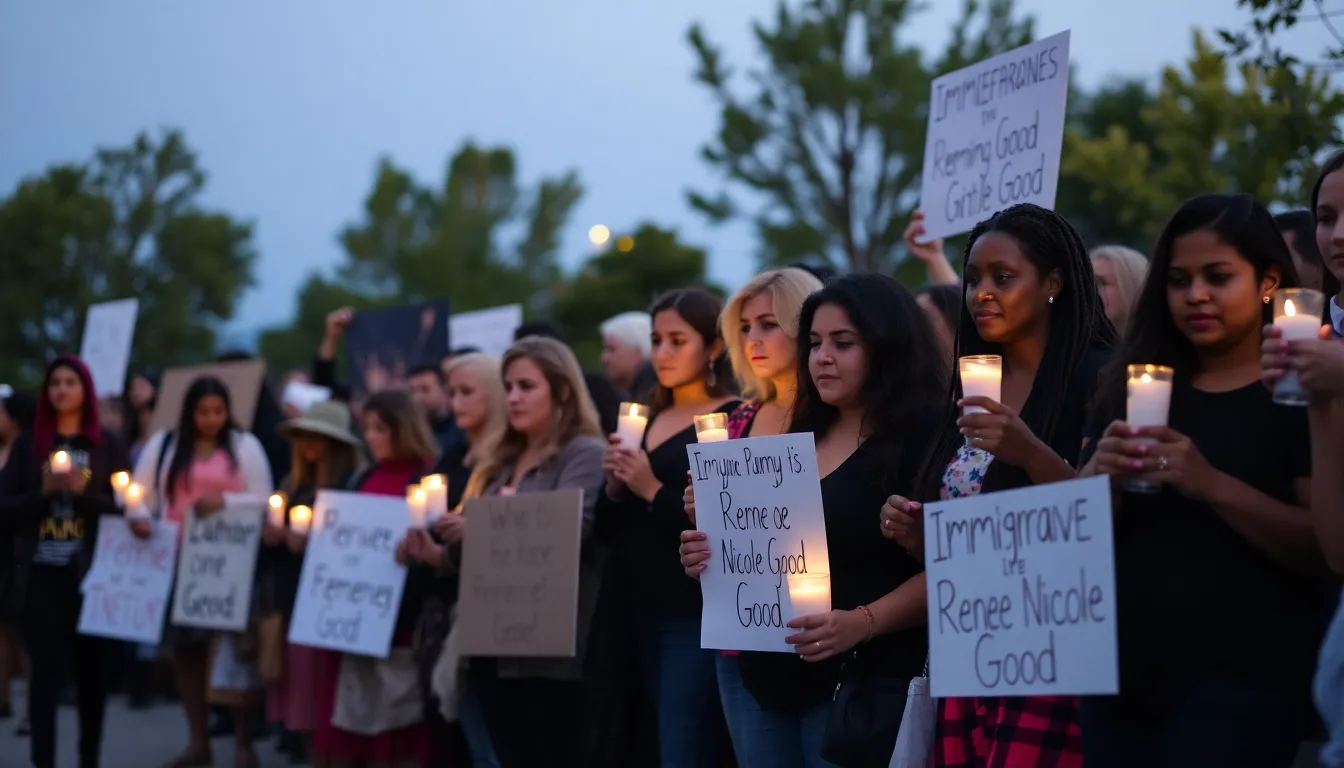
Frequently asked questions about Renee Nicole Good
Key takeaways and future outlook on immigration enforcement
The tragic death of Renee Nicole Good underscores the ongoing complexities and human implications of immigration enforcement practices in the United States. As the public grapples with the ramifications of such incidents, it raises critical questions about the balance between national security and the protection of individual rights. The situation highlights the need for a more humane approach to immigration policies, emphasizing the importance of accountability and transparency within enforcement agencies.
Moving forward, stakeholders must consider how these events shape public perception and policy reform. The dialogue surrounding immigration enforcement is evolving, and the lessons drawn from Renee’s story may serve as a catalyst for change, encouraging a more compassionate and just system.
- Increased scrutiny of ICE practices: Expect greater public and legislative scrutiny of ICE operations and their impact on communities.
- Calls for policy reform: Advocacy groups may intensify efforts to reform immigration laws to prioritize humane treatment.
- Community support initiatives: Communities may rally to provide support for those affected by immigration enforcement actions.
- Heightened awareness of immigrant rights: Educational campaigns may emerge to inform immigrants about their rights and protections.