
Amina had sought refuge in a neighboring country after escaping the oppressive environment of Chechnya, where many individuals face persecution based on their sexual orientation or political beliefs. Reports indicate that she had previously spoken out about her experiences and sought to live freely, making her a potential target for those who oppose such defiance. This tragic situation mirrors other stories of individuals seeking safety, such as the account of how woman shares how late James Ransone saved her from assault.
The circumstances surrounding her death remain unclear, but local authorities have launched an investigation, prompting calls for accountability from various human rights groups. Activists are urging international bodies to intervene and address the systemic issues that enable such violence against women and marginalized communities in Chechnya. The scrutiny placed on this situation is reminiscent of the recent investigation revealing security concerns regarding technology used for surveillance.
This incident underscores the broader context of fear and repression in the region, where many individuals live under the threat of violence for simply seeking a life of freedom. As the investigation unfolds, it is crucial for the global community to remain vigilant and advocate for justice in this troubling case.
Exploring the background of Chechen refugees and their struggles
The plight of Chechen refugees is deeply rooted in the tumultuous history of the region, marked by conflict, oppression, and a continuous struggle for identity and freedom. Following the dissolution of the Soviet Union in the early 1990s, Chechnya sought independence, leading to two brutal wars with Russia. The First Chechen War (1994-1996) resulted in widespread devastation, while the Second Chechen War (1999-2009) further entrenched Russian control and led to severe human rights abuses. These conflicts created a wave of refugees, many of whom fled to escape violence and persecution.
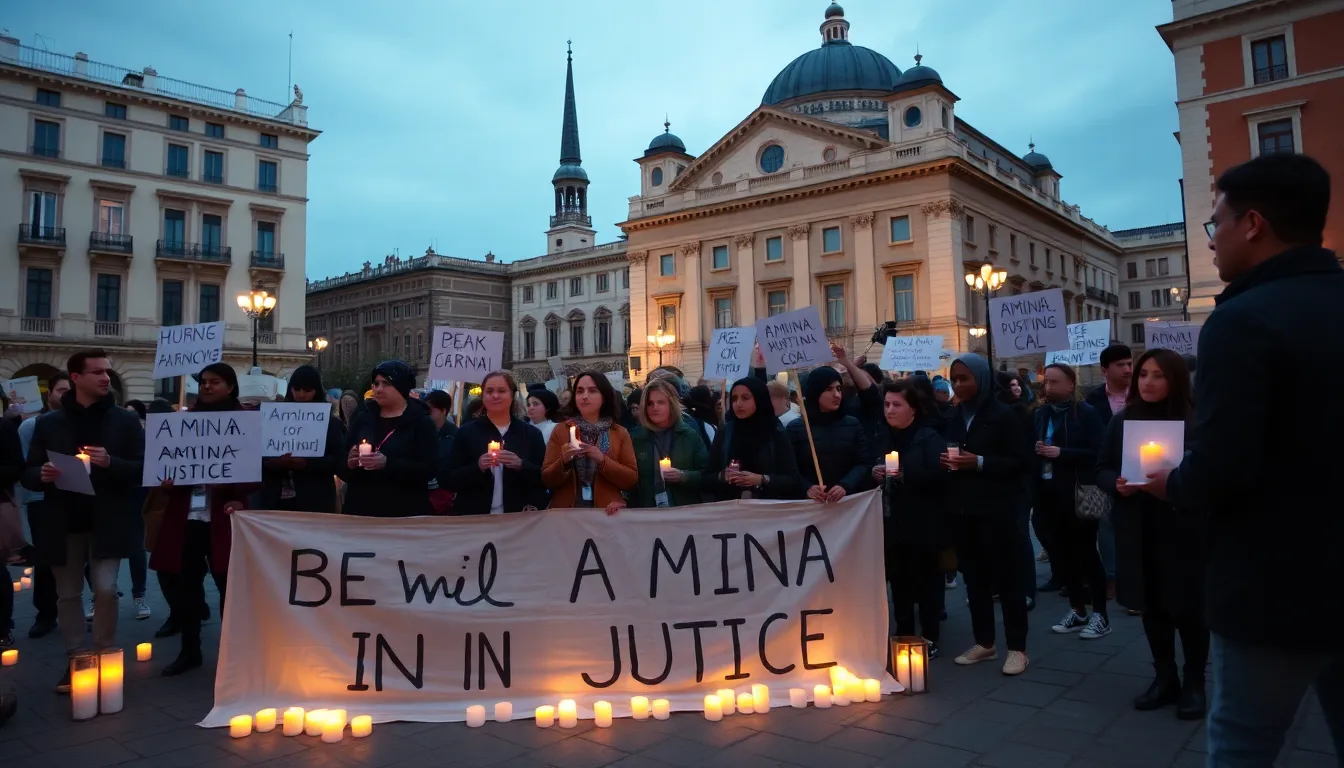
In recent years, the situation for those who remain in Chechnya has become increasingly dire. Under the leadership of Ramzan Kadyrov, the Chechen government has been accused of systemic human rights violations, including extrajudicial killings, torture, and the persecution of LGBTQ+ individuals. This oppressive environment has forced many to seek asylum in Europe and other regions, where they hope to find safety and a chance at a new life. However, the journey is fraught with challenges, including the risk of being forcibly returned to Chechnya and the threat of violence from those who would track them down.
The impact of political repression
Political repression in Chechnya has not only led to a humanitarian crisis but has also garnered international attention. Various human rights organizations have documented the abuses, calling for accountability and intervention. Yet, the response from the international community has often been tepid, with geopolitical interests complicating the situation. As a result, many Chechen refugees find themselves in precarious situations, battling not only the trauma of their past but also the uncertainty of their future.
Moreover, the economic conditions in Chechnya have exacerbated the plight of those who flee. High unemployment rates, coupled with a lack of infrastructure and social services, make it nearly impossible for returnees to reintegrate into society. This economic instability drives many to seek refuge abroad, where they often face additional hurdles such as discrimination and xenophobia. The struggle for a life of freedom remains a daunting challenge for Chechen women and men alike, as they navigate the complexities of their identities and the realities of their circumstances, which can be equally challenging as dealing with flight issues when seeking safety.
Analyzing the key stakeholders involved in the case
The tragic death of the young Chechen woman who fled Russia has brought to light a complex web of stakeholders, each with their own interests and motivations. The primary actors in this situation include the Russian government, Chechen authorities, human rights organizations, and the international community.
The Russian government, under President Vladimir Putin, has a vested interest in maintaining its image both domestically and internationally. The case highlights ongoing issues regarding human rights abuses in Chechnya, and any implication of state involvement could further tarnish Russia’s reputation. The Chechen authorities, led by Ramzan Kadyrov, are similarly motivated to suppress dissent and maintain control over the region, often resorting to violent measures against those who oppose them.
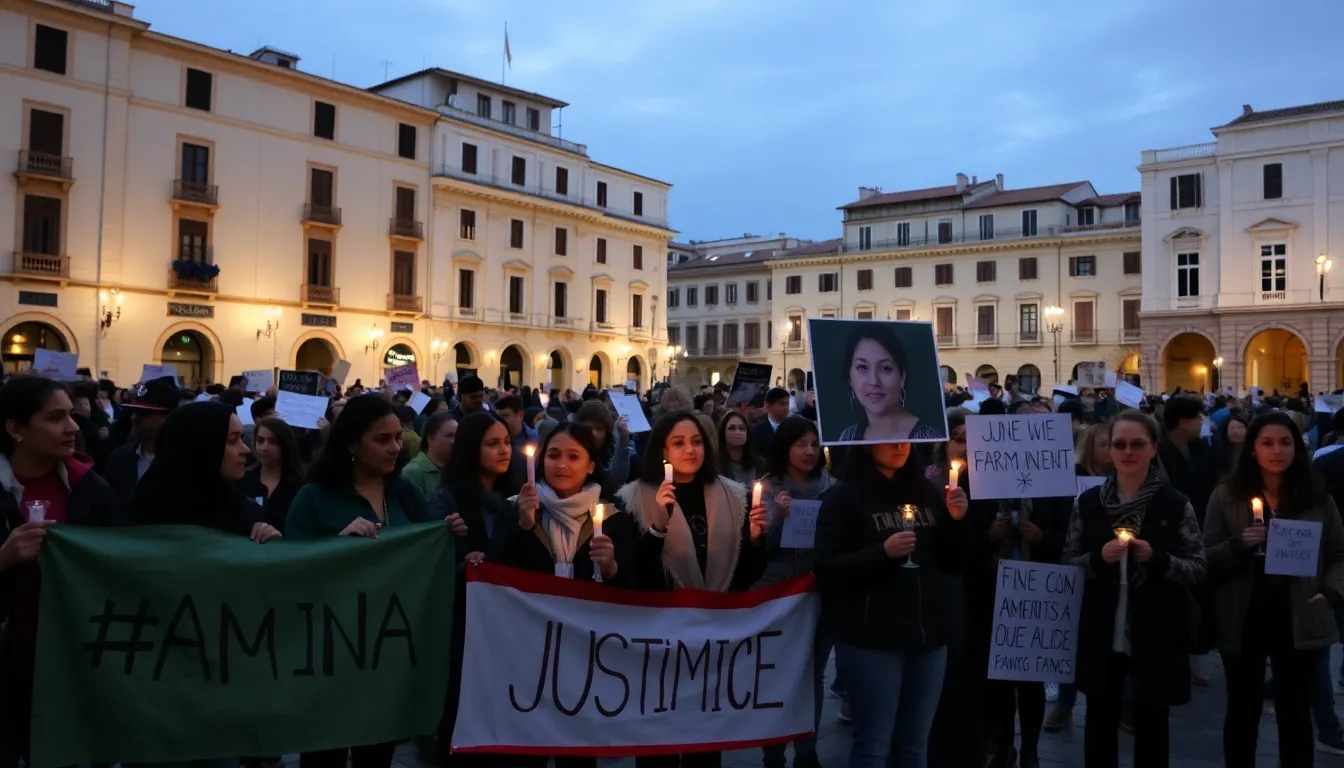
Human rights organizations such as Amnesty International and Human Rights Watch are also key stakeholders. They advocate for justice and accountability, aiming to shed light on abuses and support victims. Their involvement can amplify international scrutiny on the situation, which may pressure governments to take action. However, their efforts are often met with resistance from both Russian and Chechen authorities, who dismiss external criticism.
- The potential for international sanctions against Russia if state involvement is proven.
- The impact on Chechen society, where dissent is often violently suppressed.
- The challenges faced by refugees seeking asylum and protection from persecution.
- The role of social media in raising awareness about human rights abuses.
- The implications for diplomatic relations between Russia and Western countries.
In this intricate scenario, the trade-offs between national security and human rights remain a central issue. The Russian and Chechen governments may prioritize stability and control, while human rights advocates push for transparency and justice. This conflict underscores the broader struggle for freedom and safety faced by individuals fleeing oppressive regimes.
Assessing the impact of this incident on Chechen communities abroad
The tragic death of the young Chechen woman who sought refuge from Russia has sent shockwaves through Chechen communities in exile. This incident not only highlights the ongoing struggles faced by those fleeing oppressive regimes but also raises concerns about the safety and well-being of Chechens living abroad. The ripple effects of this event are likely to affect various groups, including activists, diaspora organizations, and the broader human rights community.
In the short term, there is a heightened sense of fear among Chechen exiles, which may lead to increased isolation and reluctance to engage in activism. Many individuals may feel vulnerable, fearing reprisals from those who support the regime back home. This situation could stifle advocacy efforts and discourage new arrivals from seeking asylum, impacting the flow of support and resources within Chechen communities.
Mid-term impacts may include shifts in policy among host countries regarding asylum seekers from Russia and Chechnya. Governments may face pressure to reassess their immigration policies and security measures to protect vulnerable populations. Additionally, this incident could galvanize international human rights organizations to increase their advocacy efforts, potentially leading to new initiatives aimed at safeguarding the rights of Chechens abroad.
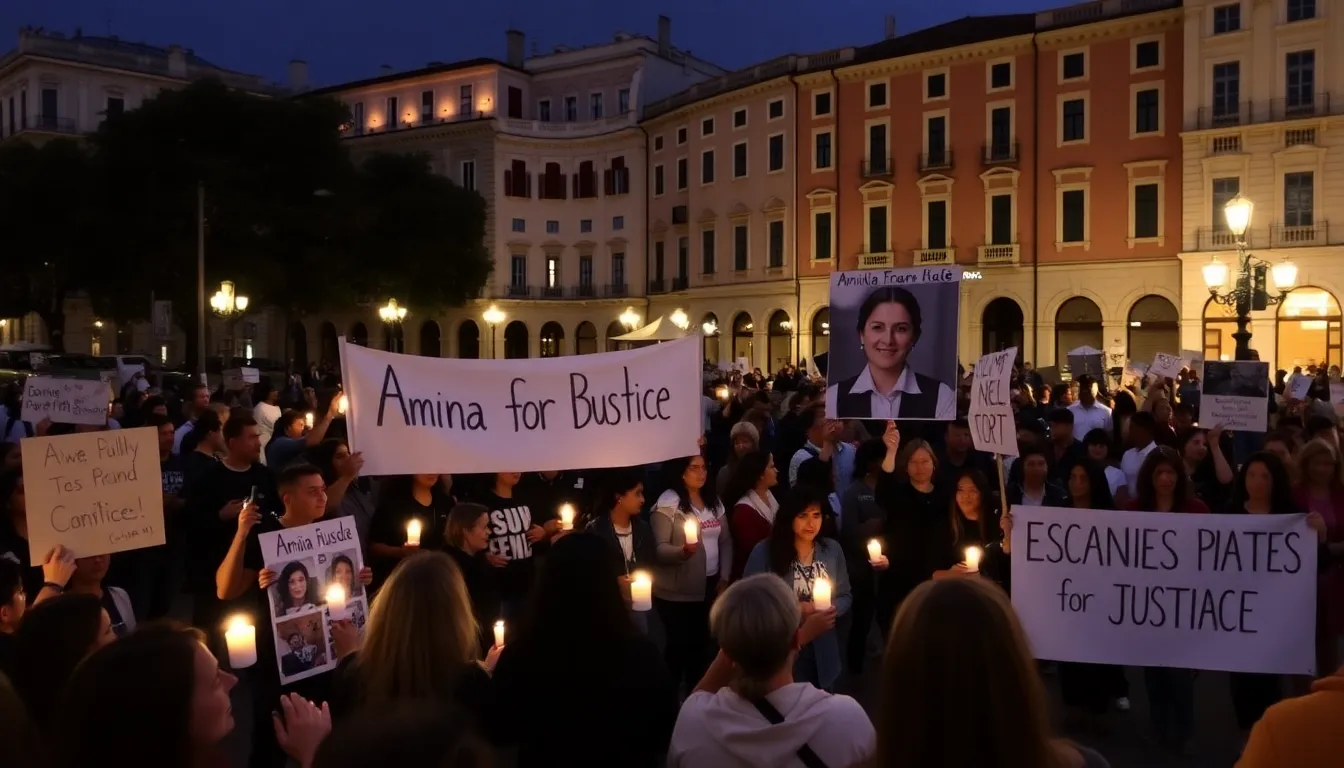
- Increased security concerns for Chechen communities, leading to a potential decline in community engagement.
- Policy shifts regarding asylum processes and protections for individuals fleeing persecution.
- Opportunities for advocacy and collaboration among human rights organizations to address the plight of Chechens.
While the immediate aftermath may be marked by fear and uncertainty, there is also a potential for solidarity and resilience within the Chechen diaspora. Communities may come together to support one another, fostering a renewed commitment to advocacy and awareness-raising efforts. This could lead to a stronger collective voice in the fight for freedom and justice for Chechens both at home and abroad.
A: The young woman had fled Chechnya seeking asylum and a life free from oppression. Her murder raises questions about the safety of Chechen refugees. A: Investigators are looking into various individuals linked to her past in Chechnya, as well as potential political motivations behind her murder. A: The Chechen community has expressed outrage and fear, highlighting the ongoing risks faced by those who oppose the regime. A: Authorities have launched an investigation, but there are concerns about the effectiveness and transparency of the process. A: This tragic event underscores the dangers that Chechen refugees continue to face, even in countries where they seek safety.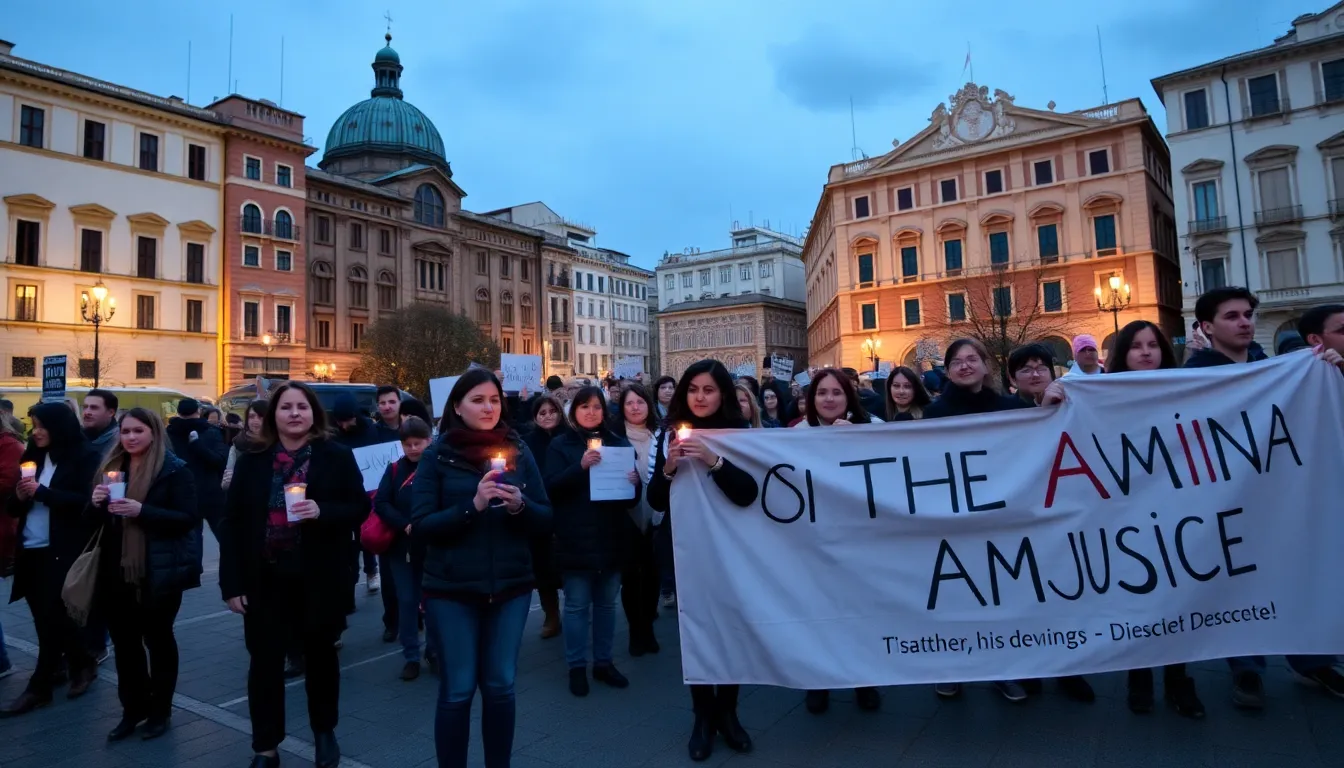
Frequently asked questions about the case
Key insights and future implications of the murder case
The tragic murder of the young Chechen woman who sought asylum in a foreign land underscores the persistent dangers faced by those fleeing oppressive regimes. This incident not only highlights the risks associated with seeking freedom but also raises critical questions about the effectiveness of international protections for refugees and asylum seekers. As the investigation unfolds, it is essential to consider the broader implications for human rights advocacy and the safety of individuals escaping persecution.
Monitoring the responses from both local and international communities will be crucial in understanding how this case influences future asylum policies and the protection of vulnerable populations. The potential for increased scrutiny on state-sponsored violence and the accountability of those involved in such acts could reshape the discourse surrounding refugee rights.
- The need for stronger international frameworks to protect asylum seekers from targeted violence.
- Increased advocacy for human rights organizations to address the plight of refugees escaping authoritarian regimes.
- Potential shifts in public perception regarding the safety and treatment of refugees in host countries.
- The role of social media and global awareness in mobilizing support for victims of political persecution.
- Implications for diplomatic relations between countries harboring refugees and those from which they flee.