
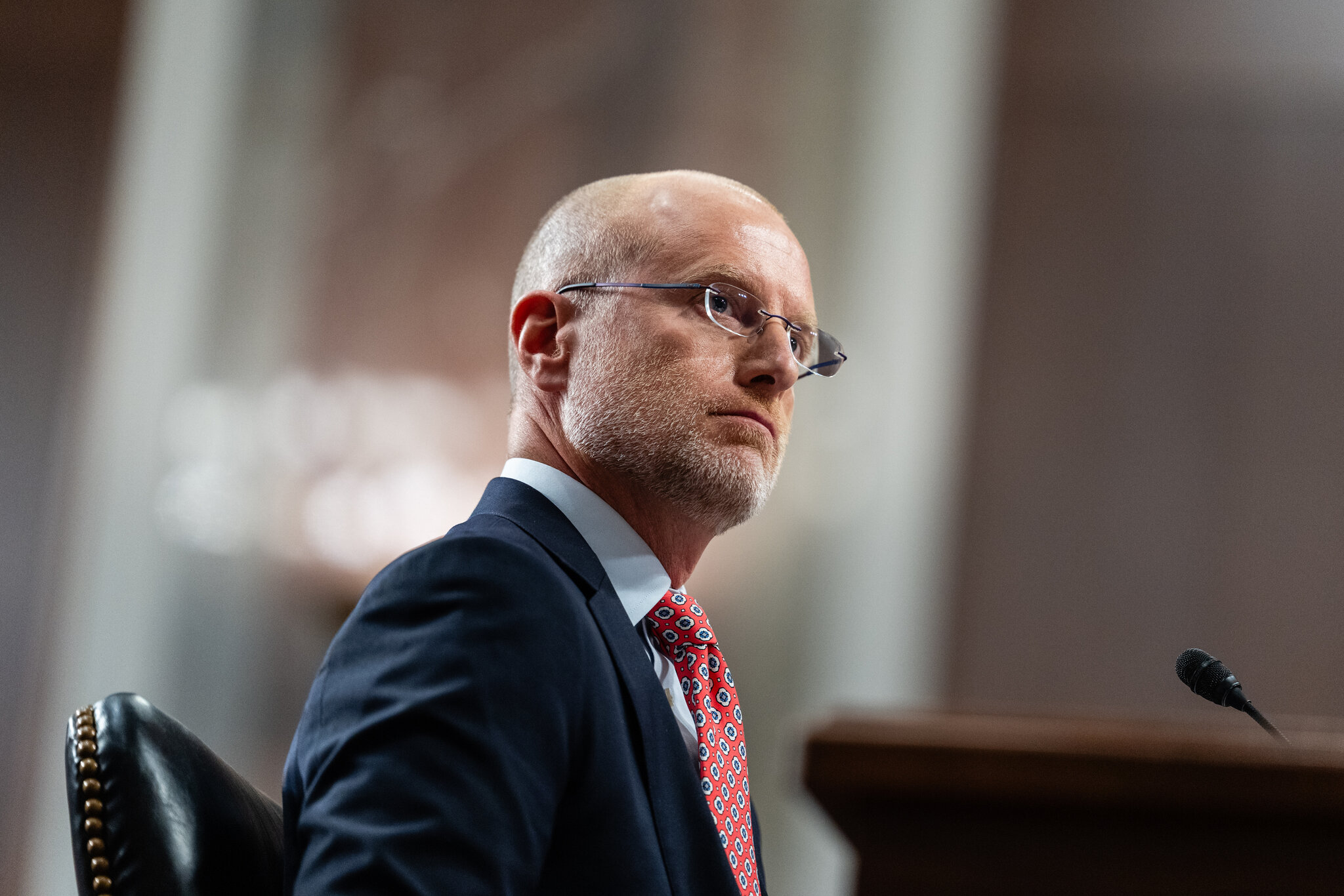
Context and the Importance of Agency Independence
In democratic societies, the independence of regulatory agencies like the FCC is vital for ensuring fair competition, equitable access to communication channels, and safeguarding public interest. Carr’s assertion indicates a troubling view that political influences could compromise these principles. For more on this topic, see Planes, Trade and Nuclear Energy: the Supreme Court Weighs Fate of Independent Regulators.

The Role of the FCC in Communication Policy
The FCC oversees various aspects of telecommunications, including radio and television broadcasting, satellite communications, and internet services. The fear that a politically influenced FCC could alter policy direction merits serious examination.
Potential Influence of a Trump Administration
As discussions swirl around the idea of Trump re-entering the political arena, concerns about how he might impact the FCC have amplified. Trump’s past actions and statements regarding media regulation create apprehensions about a partisan tilt within the agency.

Historical Precedents of Agency Influence
There have been instances in the past when the FCC’s independence was questioned. For instance, during the Obama administration, the agency was seen as biased towards net neutrality policies. Similarly, Trump’s tenure was marked by significant deregulation efforts, which some argue favored certain corporate interests.
Strategies to Safeguard FCC Independence
To maintain the integrity of the FCC, several strategies could be employed. Transparency in the agency’s decision-making processes can help counteract allegations of bias or external influence. Additionally, public engagement and accountability mechanisms are critical in fostering trust.

Legislative Actions to Support Independence
Congress has a role in ensuring the FCC remains insulated from political pressures. Legislative measures that enhance the structural integrity of the agency could provide necessary safeguards against undue influence.
Considerations for Future Regulation
As the political climate shifts, it is imperative to consider the long-term ramifications of leadership changes at the FCC. The future of communication regulations hangs in the balance, and vigilance is required to ensure that public interest remains at the forefront.

Insights on the Future of the FCC
Brendan Carr’s remarks serve as a critical reminder of the importance of maintaining an independent regulator in today’s rapidly evolving media landscape. As technological advancements continue to reshape communication, the challenge lies in upholding a robust framework that benefits all stakeholders. This is particularly relevant in the context of the implications discussed in Little Foot hominin fossil may be a new species of human ancestor.
Frequently Asked Questions about FCC Independence and Its Implications
A: Carr suggests that political influences, particularly from a potential Trump administration, could undermine the FCC’s regulatory independence.
A: The independence of the FCC is crucial for ensuring fair media practices, preventing favoritism, and protecting consumer rights in the communications industry.
A: Trump’s presidency saw significant deregulation efforts that some critics argue favored large corporations over consumer interests, raising concerns about agency independence.
A: Enhancing transparency, public accountability, and legislative measures are critical steps to protect the FCC’s independence.
Looking Ahead for the FCC and Its Role in Communication Policy
The fears regarding the FCC under a potential Trump presidency point to a larger issue of regulatory autonomy amidst political pressures. The future regulatory landscape will be shaped by how policy-makers approach these challenges as the political environment evolves.