
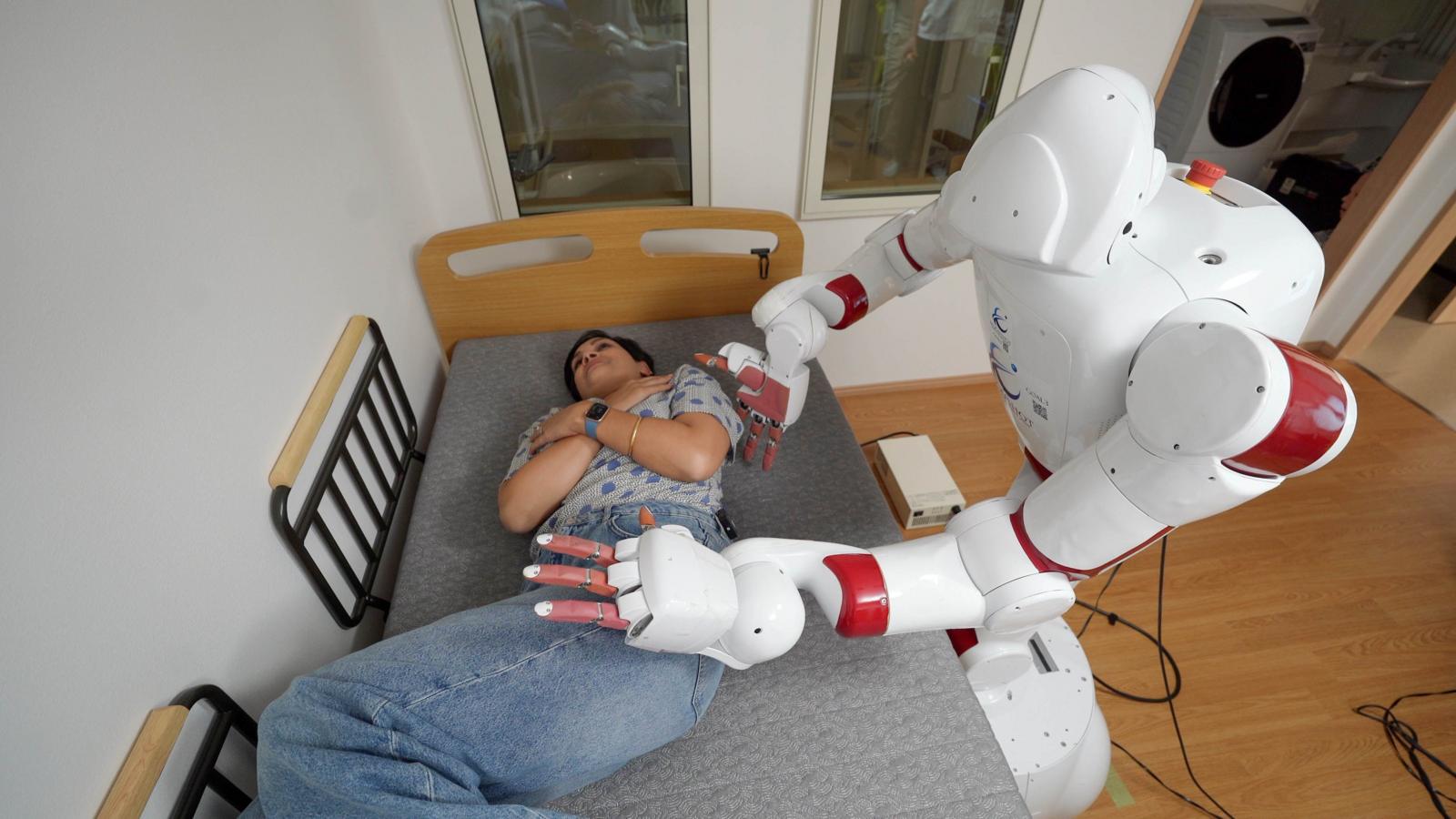
Japan is currently confronting a significant dementia crisis, a challenge that has profound implications for its aging population and healthcare system. With over 6 million citizens affected, the need for innovative solutions has become critical. Various technological advancements are emerging as potential allies in addressing this epidemic, as can be seen in examples from related sectors.

The background and necessity of addressing dementia in Japan
The exponential rise in dementia cases in Japan reflects broader global trends. However, the phenomenon is particularly acute in the country due to its rapidly aging population. By 2030, it’s anticipated that over 20% of Japan’s population will be aged 65 and older. This demographic shift underscores the urgency of developing effective strategies to support individuals with dementia and their caregivers.
Comparative analysis of technological approaches
Different technologies have been introduced globally to assist in dementia care, each with unique features and benefits. Examples include:

- Wearable devices that monitor health metrics and alert caregivers
- AI-powered companion robots offering social interaction
- Smart home technologies designed for safety and convenience
Examining these solutions can provide insights into what might work best in the Japanese context, potentially impacting social strategies that could be adapted for dementia care.

Prominent cases and services currently in use
Several successful examples exemplify how technology is being leveraged to combat dementia in Japan. Services like “Robi,” a humanoid robot, have been deployed in nursing homes to provide companionship and engagement, reflecting a growing trend similar to innovations in entertainment.

The role of telemedicine and virtual support
Furthermore, telemedicine has gained traction, allowing healthcare professionals to monitor patients remotely, thus alleviating some burden on the healthcare system.

Strategic implementation of technology in dementia care
Incorporating technology into dementia care requires thoughtful strategies. Training programs for caregivers, integration of tech with existing health services, and ensuring accessibility for all socioeconomic groups are vital considerations. Policymakers must prioritize funding and support for these initiatives.
Potential challenges and precautions
While technology can act as a powerful tool, it is not without challenges. Concerns over data privacy, the digital divide, and the adaptability of older adults to new technologies must be addressed to maximize benefits.
Frequently asked questions about dementia technology in Japan
Common inquiries regarding dementia solutions
A: Various technologies, including wearable sensors, AI robots, and telemedicine, have proven helpful in providing care and support for individuals with dementia.
A: Training programs and user-friendly design can assist caregivers in effectively using dementia-related technologies.
A: Yes, data privacy is a significant concern, and it’s crucial to ensure that robust protections are in place.
Future directions for dementia care technology in Japan
Looking ahead, it is essential for Japan to focus on integrating technology into dementia care effectively. This should involve collaboration between tech companies, healthcare providers, and government agencies to ensure sustainable solutions that meet the needs of the aging population. Continued innovation, alongside a commitment to inclusivity, will be pivotal in navigating this complex challenge.