
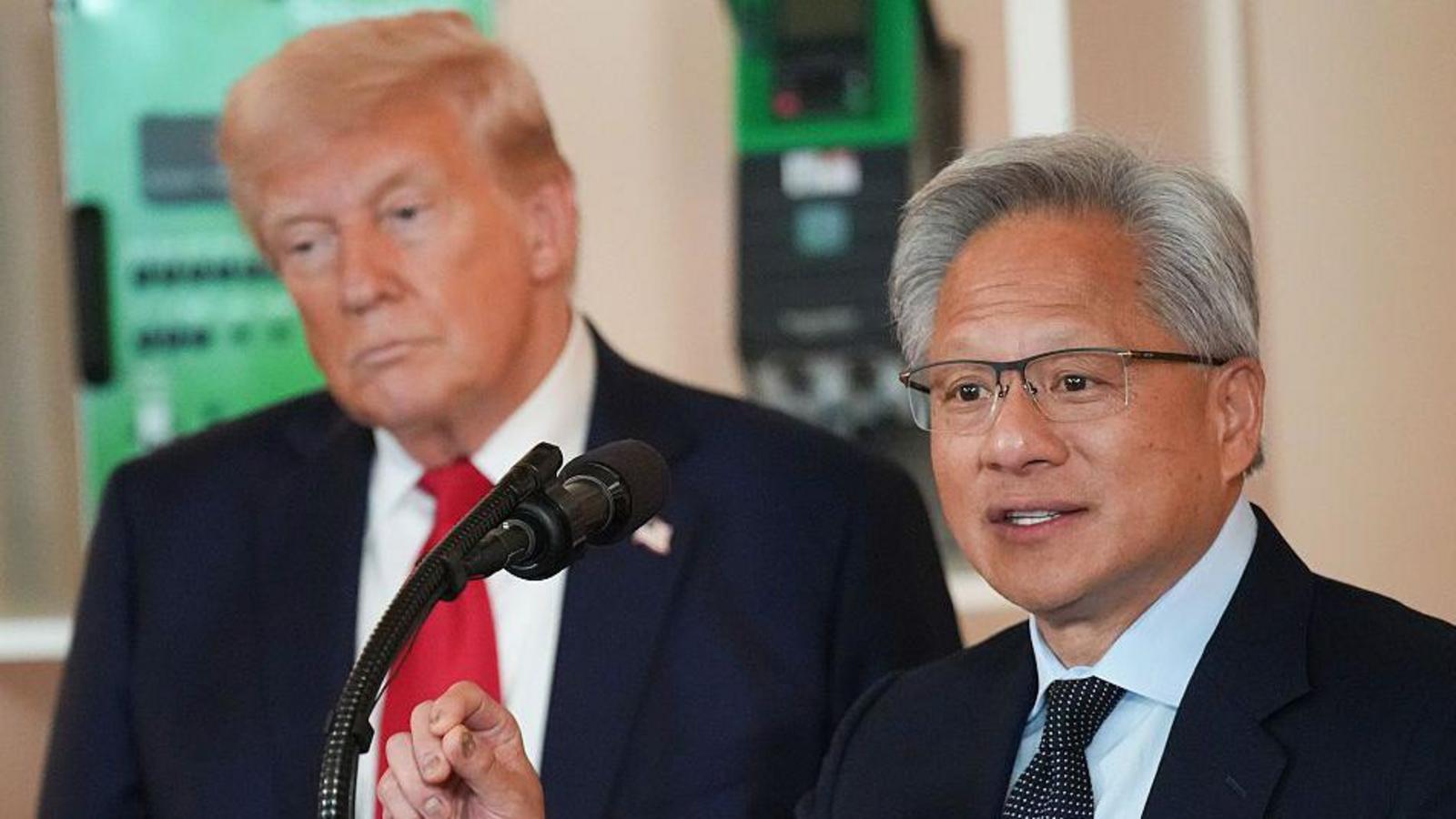
The recent approval by former President Trump for Nvidia to sell advanced artificial intelligence (AI) chips to China marks a significant shift in U.S. technology policy, as seen in similar past decisions like Trump’s signing of peace deals. This decision is particularly noteworthy given the increasing tensions around tech dominance between the U.S. and China.
Understanding the Implications of Selling AI Chips to China
This green light raises various questions and implications for both Nvidia and the broader tech industry. One aspect to consider is how this decision could enhance China’s capabilities in AI, a sector that many experts believe is the next frontier in technological advancement.

Examining the Factors Behind the Decision
Several factors played a role in Trump’s decision to permit Nvidia’s entry into the Chinese market. Economic considerations, national security assessments, and the competitive landscape of AI technology are all part of the equation.
The Role of Economic Considerations
By allowing Nvidia to sell its advanced AI chips to China, the former administration aims to boost the U.S. economy, which has faced various challenges in recent years. Increased sales to China could help Nvidia expand its market share significantly, just as other companies have adapted to shifting market dynamics.
National Security Parameters
On the other hand, there are concerns around national security. The chips in question are crucial for high-performance computing and AI applications, which could be leveraged by Chinese firms for both commercial and military purposes.
Key Players in the AI Chip Market
Within the tech landscape, there are various companies that stand to benefit or be adversely affected by this approval.
Nvidia’s Strategic Position
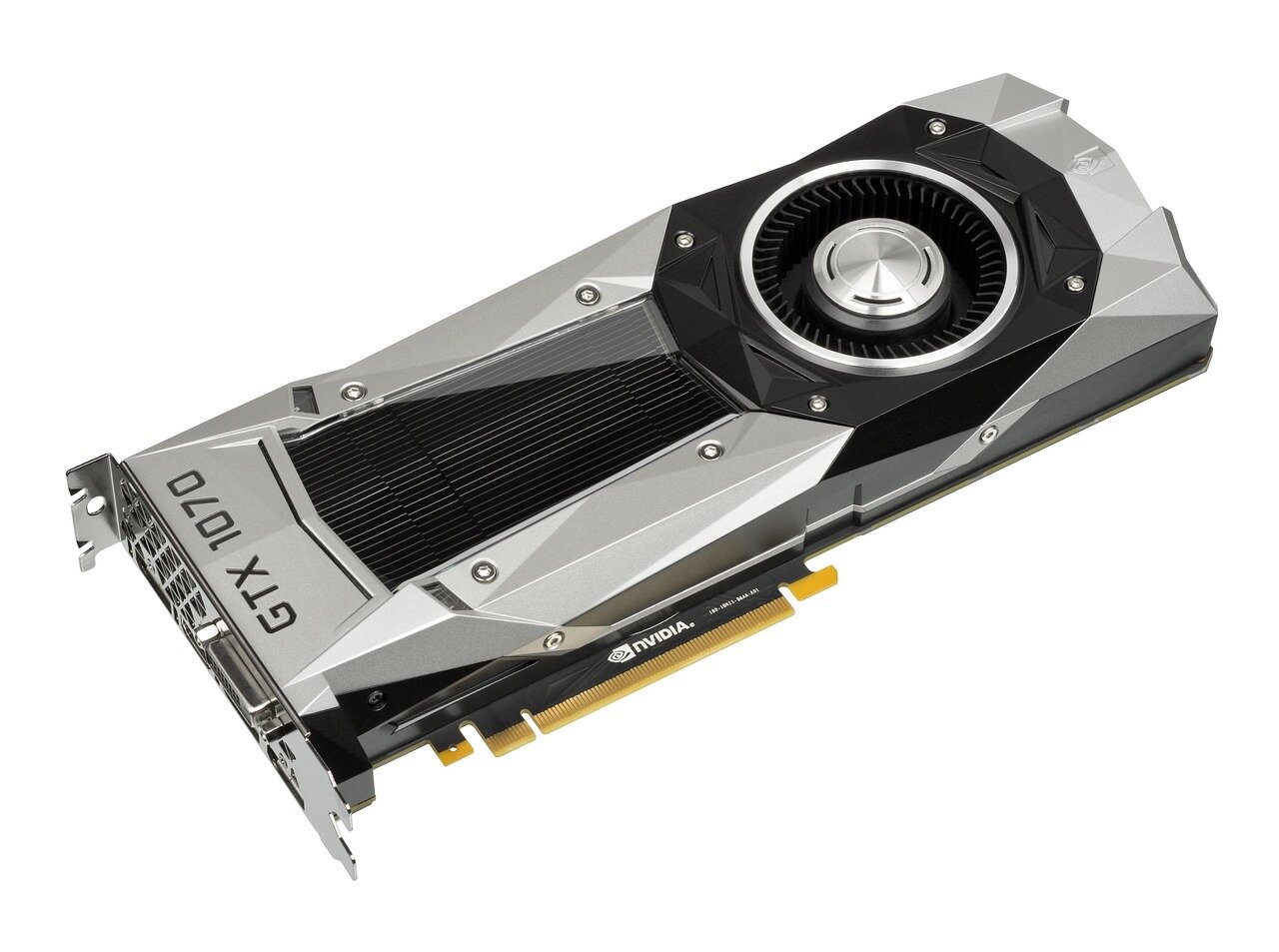
Nvidia has long been a leader in AI chip innovation, and this opportunity will allow the company to strengthen its position globally. Its advanced technologies are pivotal for AI deployment across sectors, including applications seen in articles about emerging geopolitical tensions.
Competition with Other Nations
On a broader scale, this move creates an environment where international competitors like Taiwan and South Korea might feel pressured to enhance their own AI chip capabilities to keep up with U.S.-China dynamics.
Strategies for Navigating This New Market Environment
Companies, especially those vested in AI technologies, must adapt their strategies in light of this new decision. Engaging in proactive dialogue with policymakers, investing in cybersecurity, and fostering partnerships will be vital.
Potential Risks of the Approval
Despite the promising outlook on economic growth, risks remain prevalent. Key stakeholders must be aware of the potential ramifications regarding trade relations, technological espionage, and loss of intellectual property.

Frequently Asked Questions
FAQ about Nvidia’s AI Chip Sales to China
A: Nvidia is expected to sell its advanced GPUs that are specifically designed for AI applications.
A: This decision may ease some trade tensions but could also raise concerns about technology transfer and espionage.
A: Nvidia is likely to see increased revenue from the Chinese market, while also strengthening its market leadership in AI technologies.
Future Directions for AI and Global Tech Relations
Moving forward, the implications of Nvidia’s dealings with China will shape the dynamics of AI technology and international relations. Stakeholders must prepare for changes in the competitive landscape, as advancements in AI will continue to drive innovation globally.