
The positive sales performance comes amidst a backdrop of criticism directed at CEO Elon Musk, particularly concerning his management style and public statements. However, recent data suggests that consumer sentiment may be shifting, as buyers appear to be increasingly focused on Tesla’s innovations and advancements in electric vehicle technology.
In addition to strong sales, Tesla’s gross margins have remained stable, which analysts attribute to effective cost management and production efficiencies. The company has also ramped up production capabilities at its Gigafactories, particularly in Texas and Berlin, which are playing a crucial role in meeting growing demand.

As the electric vehicle market continues to expand, Tesla’s ability to surpass sales expectations not only solidifies its leading position but also reflects broader trends in consumer preferences towards sustainable transportation solutions. This development is significant for investors and stakeholders, as it may influence Tesla’s stock performance and future growth strategies.
Understanding the factors behind Tesla’s sales performance
Tesla’s remarkable sales performance in the second quarter of this year can be attributed to a confluence of historical, economic, and social factors. Since its inception in 2003, Tesla has positioned itself as a leader in the electric vehicle (EV) market, pioneering innovations that have not only transformed the automotive industry but also influenced public perception of sustainable transportation. The company’s commitment to reducing carbon emissions and promoting renewable energy has resonated with a growing demographic of environmentally conscious consumers.
However, as the backlash appears to cool, consumers seem to be refocusing on the brand’s core strengths, including its technological advancements and expanding product lineup. This shift in public sentiment has played a crucial role in boosting sales, as buyers prioritize the quality and innovation associated with Tesla vehicles.

Key Milestones in Tesla’s Journey
Several key milestones have shaped Tesla’s trajectory, contributing to its current success. The launch of the Model S in 2012 marked a turning point, establishing Tesla as a serious contender in the luxury car market. Subsequent releases, including the Model 3 and Model Y, expanded its reach to a broader audience. Additionally, strategic decisions such as the construction of Gigafactories have enhanced production capabilities and reduced costs, enabling Tesla to meet surging demand effectively.
This regulatory environment, combined with rising fuel prices and increased awareness of climate change, has created a favorable market for Tesla’s offerings. The company’s ability to adapt to these changing dynamics has been instrumental in its sustained growth, particularly as governments worldwide implement stricter emissions regulations and offer incentives for EV purchases.
In summary, Tesla’s sales surpassing expectations in the second quarter is the result of a complex interplay of historical achievements, evolving consumer attitudes, and favorable economic conditions. As the company continues to innovate and expand its market presence, it remains to be seen how external factors will influence its future performance.
Key stakeholders and issues influencing Tesla’s market position
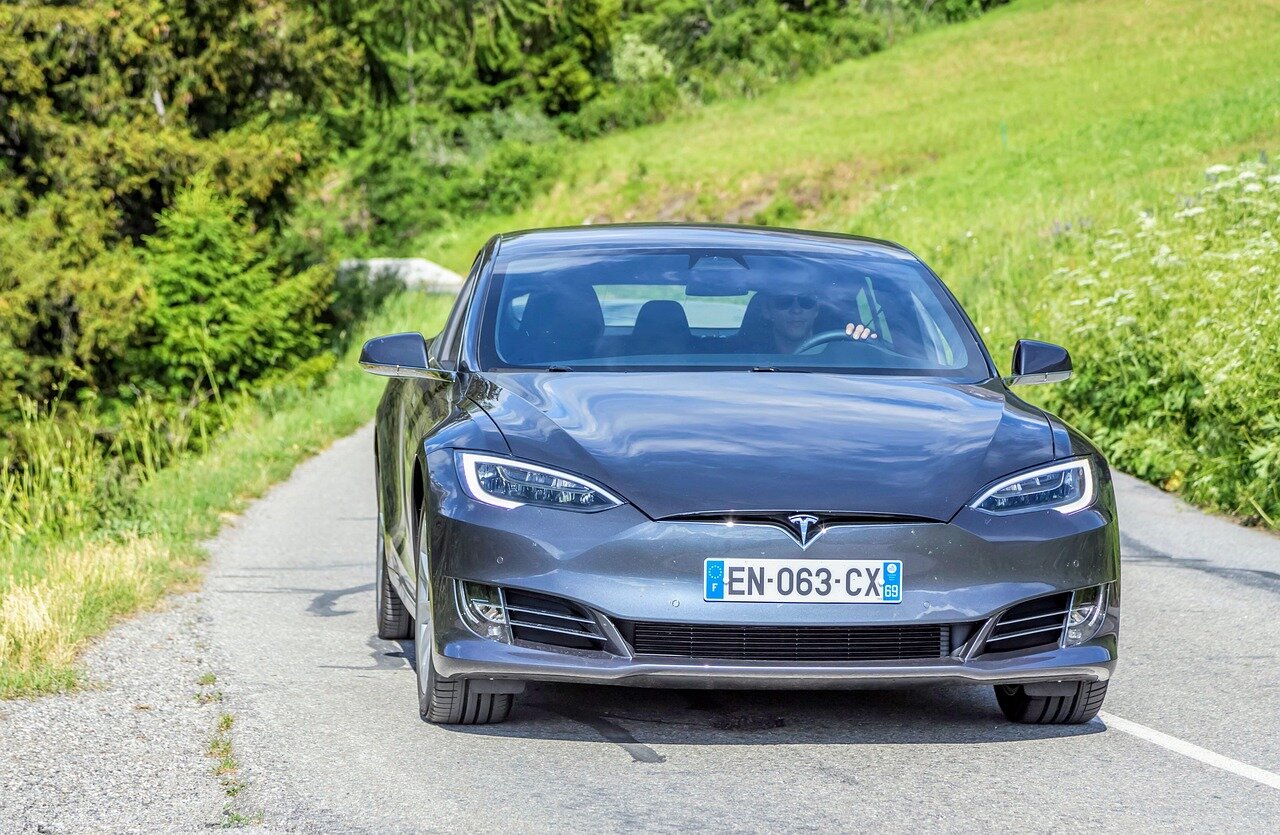
Tesla’s recent sales performance has attracted significant attention, highlighting various stakeholders with vested interests in the company’s trajectory. Key actors include Tesla’s executive leadership, investors, consumers, regulatory bodies, and competitors in the automotive and energy sectors.
Elon Musk, as the CEO, plays a pivotal role in shaping Tesla’s strategic direction and public image. His decisions and public statements can significantly impact investor confidence and consumer sentiment. Investors are particularly focused on Tesla’s profitability, production efficiency, and market expansion, as these factors directly influence stock performance and returns.
Regulatory bodies, such as the National Highway Traffic Safety Administration (NHTSA) and the Environmental Protection Agency (EPA), are crucial in shaping the legal landscape for electric vehicles (EVs). Their regulations can affect Tesla’s operational costs and market access. Additionally, the growing emphasis on sustainability and emissions reduction is creating a favorable environment for EVs, which benefits Tesla but also increases competition from traditional automakers pivoting towards electric models.

- Market Competition: Traditional automakers are ramping up their EV offerings, posing a challenge to Tesla’s market share.
- Consumer Sentiment: Public perception of Musk’s leadership and Tesla’s brand can influence sales and customer loyalty.
- Supply Chain Issues: Global supply chain disruptions can impact production schedules and cost structures for Tesla.
- Regulatory Challenges: Compliance with environmental regulations could affect Tesla’s operational strategies and profitability.
- Technological Innovations: Advancements in battery technology and autonomous driving features are critical for maintaining competitive advantage.
As Tesla navigates these complexities, the interplay between these stakeholders and the various issues at hand will shape the company’s future. Understanding these dynamics is essential for grasping Tesla’s position in the rapidly evolving automotive landscape.
Implications for investors and the automotive market
The recent surge in Tesla sales signals a positive shift not only for the company but also for various stakeholders in the automotive market. Investors who had been wary due to recent controversies surrounding CEO Elon Musk may find renewed confidence in the company’s growth trajectory. This resurgence could lead to increased stock valuations and attract new investments into the electric vehicle (EV) sector.
Regions heavily invested in EV infrastructure, such as California and parts of Europe, may experience a boost in local economies as demand for Tesla vehicles rises. Additionally, suppliers and manufacturers involved in the production of EV components could see a spike in orders, leading to potential job creation and economic growth in these areas.
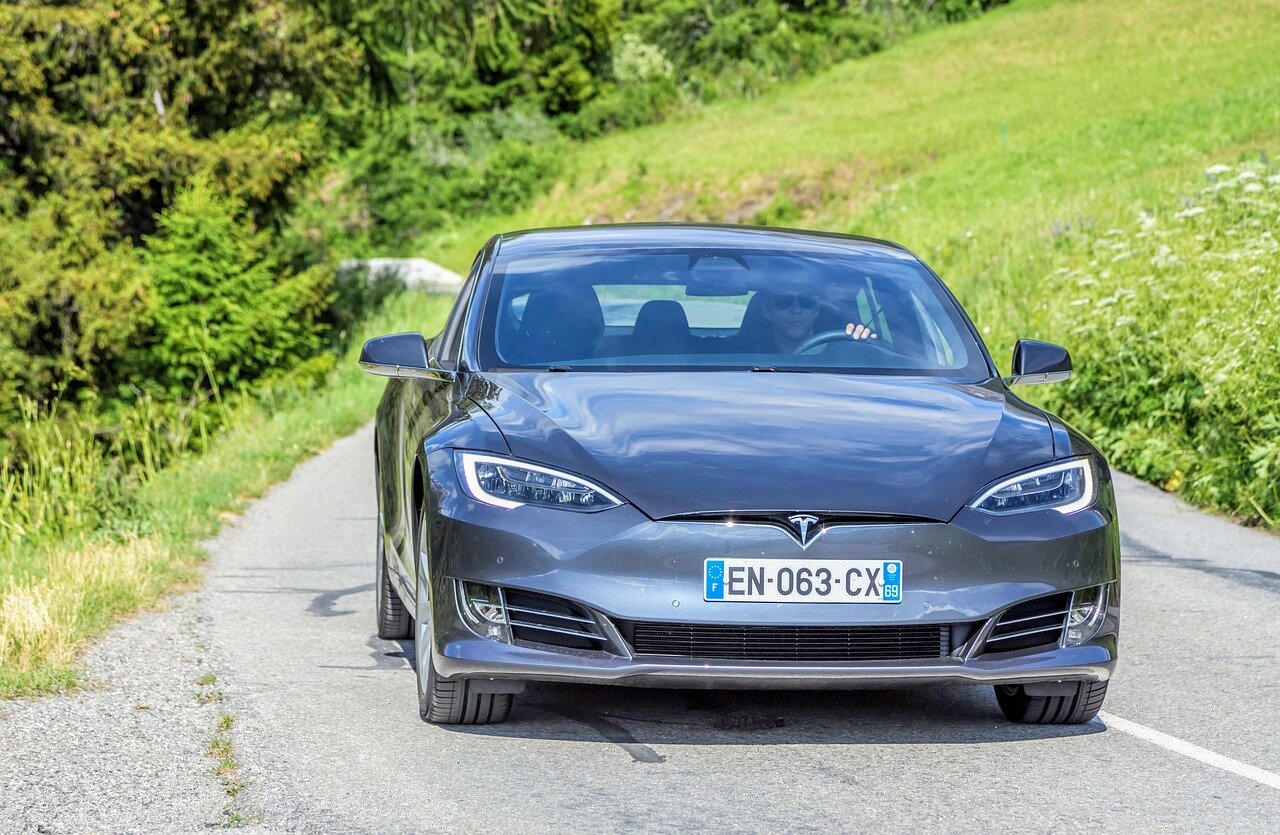
- Increased sales may lead to more charging infrastructure development.
- Potential for policy shifts favoring EV incentives and subsidies.
- Boost in competition among automotive manufacturers to innovate and improve EV offerings.
In the short term, consumers may benefit from a wider array of Tesla models and improved customer service as the company aims to capitalize on its positive momentum. However, there are risks associated with rapid growth, such as supply chain challenges and the potential for quality control issues as production scales up.
In the mid-term, the cooling backlash against Musk could pave the way for more stable leadership and strategic decision-making within Tesla. This stability may encourage partnerships with other companies and industries, further embedding Tesla’s position in the market. However, the company must remain vigilant to avoid complacency, as public sentiment can shift quickly, impacting brand loyalty and sales.
A: Tesla reported sales figures that exceeded analysts’ expectations, showcasing a significant increase compared to previous quarters. A: The backlash seemed to have cooled, which may have contributed to the positive sales performance, as consumer sentiment appears to be stabilizing. A: Factors include improved production capabilities, increased demand for electric vehicles, and successful marketing strategies. A: Tesla continues to lead the electric vehicle market, outpacing many competitors in sales growth and brand loyalty. A: The strong sales figures suggest a positive outlook for Tesla, potentially leading to further investments and expansion in the electric vehicle market.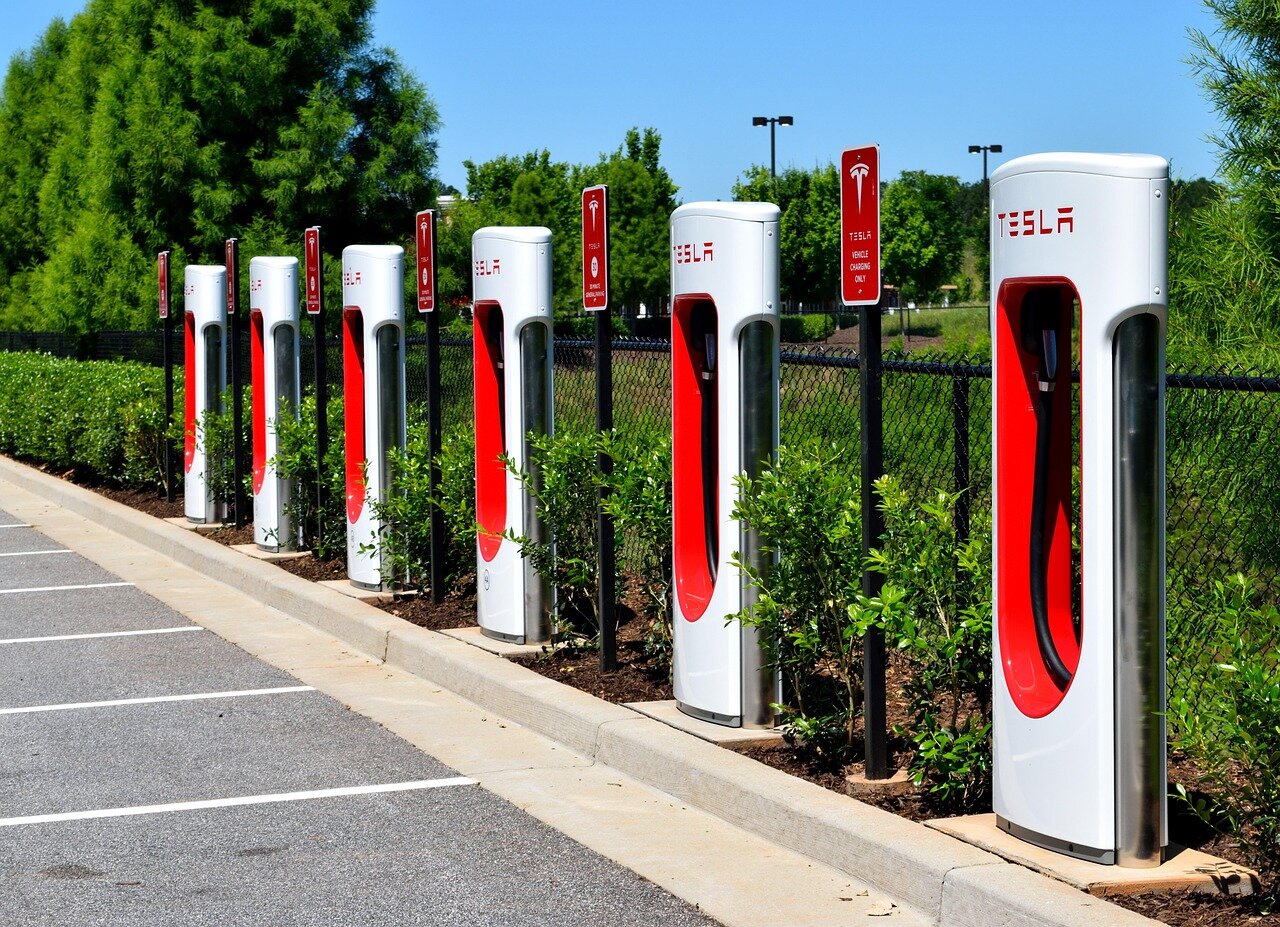
Frequently asked questions about Tesla’s sales performance
Future outlook for Tesla and its sales trajectory
The recent surge in Tesla’s sales for the second quarter has highlighted the resilience of the brand amidst challenges. With sales figures exceeding expectations, it appears that the backlash against CEO Elon Musk may be waning, allowing the company to regain focus on its core mission of innovation and sustainability. This shift could signal a renewed confidence among consumers and investors alike, setting the stage for continued growth.
As Tesla navigates this evolving landscape, several factors will play a critical role in shaping its future. The company’s ability to maintain production efficiency, expand its market reach, and adapt to changing consumer preferences will be key indicators of its long-term success.
- Monitor Tesla’s production capabilities as the company aims to meet increasing demand while maintaining quality.
- Watch for potential new markets as Tesla seeks to expand its global footprint, particularly in regions with growing EV adoption.
- Evaluate consumer sentiment towards Elon Musk and how it may influence brand loyalty and purchasing decisions.
- Keep an eye on competition in the EV space, as traditional automakers ramp up their electric vehicle offerings.
- Consider the impact of regulatory changes and incentives for electric vehicles that could affect Tesla’s sales trajectory.