
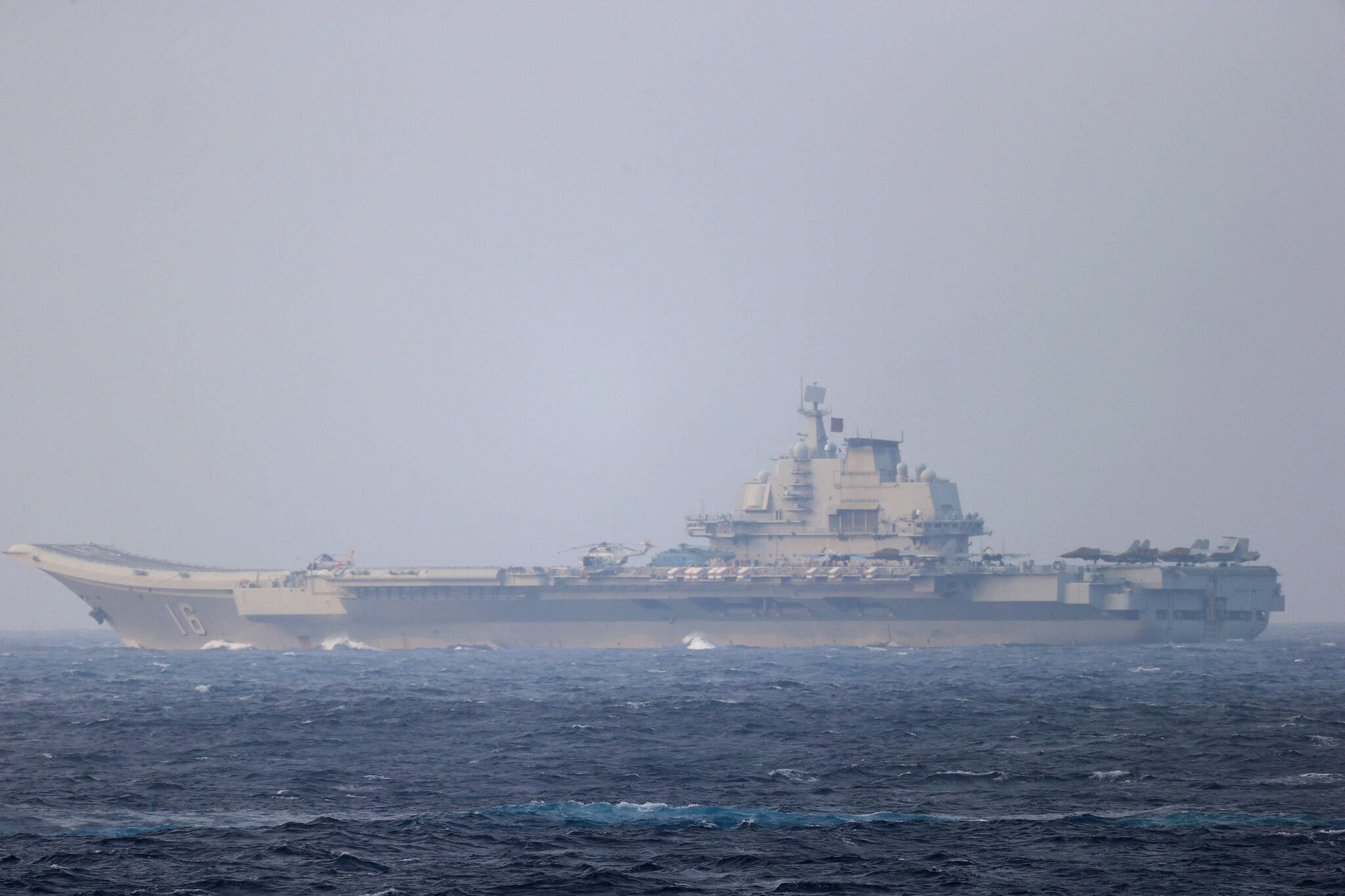
Recent developments in the Asia-Pacific region highlight increasing tensions between Japan and China, with Japan accusing China of directing military radar at its fighter jets. This incident represents a significant escalation in military encounters and raises alarms about potential conflicts in the region, as discussed in The Rising Tensions in An Asia-Pacific Showdown.
Understanding the Context of Rising Tensions
The relationship between Japan and China has been strained by various historical and territorial disputes. Over the years, both nations have engaged in military posturing, leading to heightened anxiety among their respective populations and the international community. The latest reports of radar aimed at Japanese fighter jets illustrate the current precarious state of affairs.

Comparative Analysis of Military Posturing
To truly grasp the implications of China aiming military radar at Japanese jets, it is essential to compare the military strategies of both nations. Japan, with its Self-Defense Forces, focuses on defensive postures primarily due to its pacifist constitution, while China aims to assert its dominance in the East China Sea and beyond, reflecting a broader trend in recent global conflicts.
Japan’s Self-Defense Approach
Japan’s military strategy revolves around deterrence, relying heavily on alliances, especially with the United States. The Self-Defense Forces are equipped to address potential threats, emphasizing defense over offensive capabilities.

China’s Expanding Military Reach
On the other hand, China has significantly expanded its military capabilities in recent years, focusing on assertive territorial claims. This aggressive posture includes building artificial islands and increasing naval presence in disputed waters.
Notable Instances of Military Incidents
Several instances illustrate similar military interactions in the region. These events serve as markers of the escalating tension between Japan and China.

- September 2021: Japanese media reported multiple encounters involving Chinese military vessels near the Senkaku Islands.
- January 2023: Japan scrambled fighter jets in response to Chinese reconnaissance aircraft approaching its airspace.
- March 2023: China conducted a series of military exercises near Taiwan, which Japan claimed could affect its national security.
Strategies for Diplomatic Engagement
In light of these developments, Japan may need to consider various diplomatic strategies to address security challenges posed by China’s military actions. Engaging in multilateral discussions with ASEAN countries and strengthening defense alliances can create a united front against provocations.
Precautions and Future Implications
As tensions continue to rise, precautions must be taken to mitigate risks of miscommunication or misinterpretation that could lead to unintended conflicts. Both nations should prioritize open communication channels to prevent escalation.

Exploring the Future Landscape of Japan-China Relations
The trajectory of Japan-China relations will depend heavily on how both nations navigate current tensions. With increasing military interactions, it is vital for regional stability that both sides engage in dialogue, maintaining peace and avoiding further confrontational stances that could destabilize the region, especially as highlighted by political dynamics like those involving Keir Starmer.
A: Japan’s accusation arose from incidents where Chinese military radar reportedly locked onto Japanese fighter jets during patrols in contested airspace. A: Historical disputes over territorial claims, particularly regarding the Senkaku Islands, as well as Japan’s wartime history, contribute to ongoing tensions. A: Japan is bolstering its defense capabilities and seeking stronger alliances, particularly with the United States, to deter potential threats.
Frequently Asked Questions about Japan and China’s Military Relations
Looking Ahead at Regional Security Dynamics
The military relationship between Japan and China continues to evolve, marked by rising tensions and complex diplomatic interactions. As both nations navigate their strategies, the focus on regional security will remain of paramount importance, influencing the broader geopolitical landscape in the Asia-Pacific region.