
Following the Citizens United decision, the 2014 ruling in McCutcheon v. FEC further dismantled campaign finance regulations by striking down aggregate contribution limits. This has allowed wealthy individuals and corporations to amplify their political contributions, raising concerns about the potential for corruption and the erosion of democratic processes.
As a result, corporate lobbying has surged, with spending reaching record levels. According to the Center for Responsive Politics, lobbying expenditures exceeded $3.5 billion in 2022 alone, underscoring the growing power of corporate interests in shaping legislation. This trend is evident in various sectors, including pharmaceuticals, technology, and energy, where companies are increasingly able to influence policy outcomes.
Critics argue that this shift undermines the principle of representative democracy, allowing a small number of corporations to dictate the terms of public policy, much like how the heightened risks in international relations can influence domestic policies.
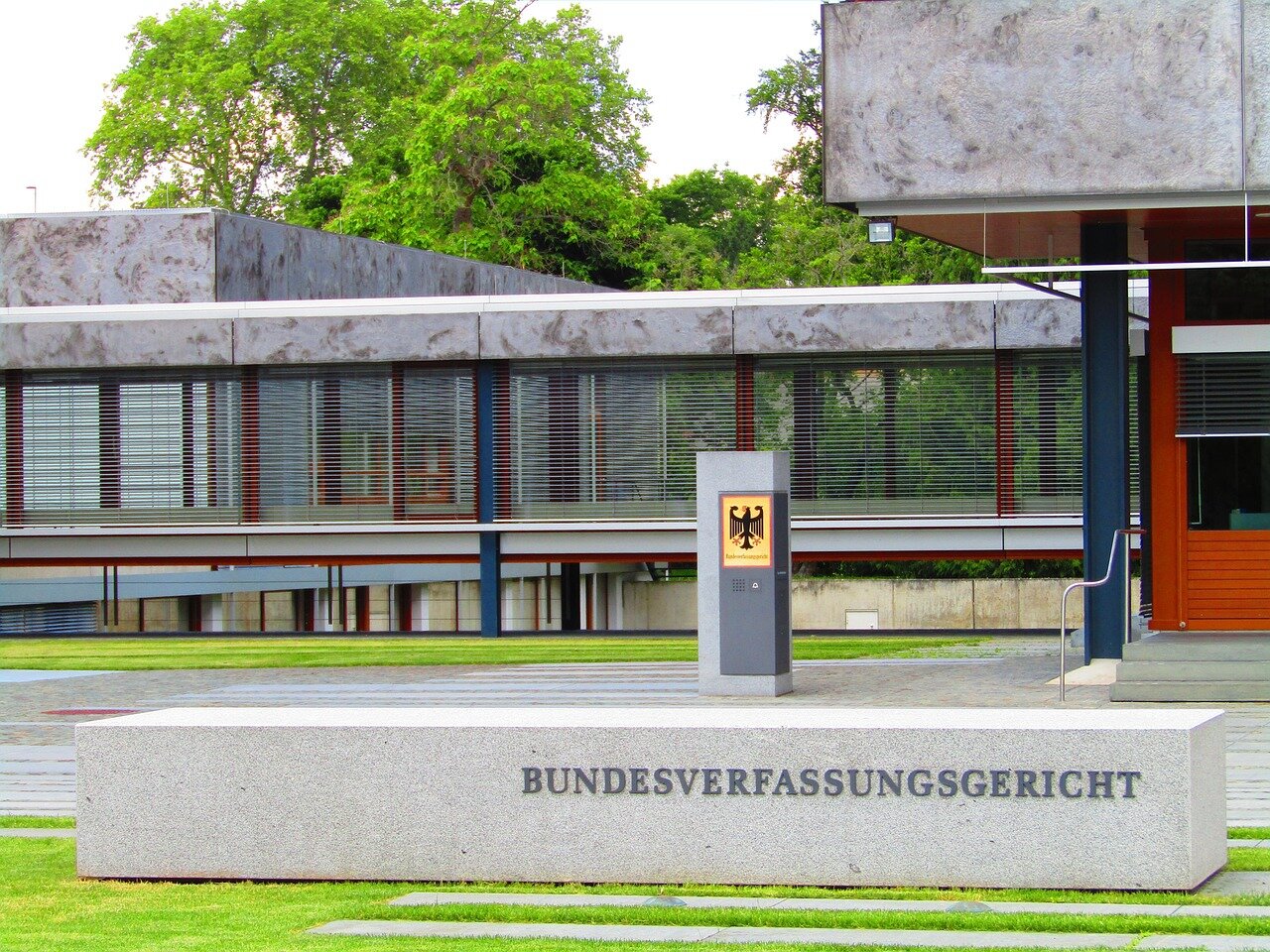
Examining the historical context of Supreme Court rulings
The relationship between the Supreme Court and corporate interests in the United States has evolved significantly over the past century. The pivotal moment can be traced back to the late 19th century when the Court began to recognize corporations as “persons” under the law, granting them certain constitutional rights. This shift laid the groundwork for subsequent rulings that would further entrench corporate power in American politics and society.
One of the landmark cases in this trajectory was Santa Clara County v. Southern Pacific Railroad (1886), where the Court ruled that corporations were entitled to equal protection under the 14th Amendment. This decision opened the floodgates for corporate influence, allowing businesses to challenge regulations and assert their rights in ways that had previously been unthinkable. Over the decades, this judicial philosophy has only intensified, culminating in decisions that have fundamentally altered the political landscape.
The Rise of Campaign Finance
This decision not only reshaped campaign finance laws but also raised profound questions about the integrity of democracy itself, much like the public’s reaction to major financial shifts in sports that reflect broader societal issues.
As a result, the influence of corporations in Washington, D.C. has grown exponentially, leading to a complex web of lobbying and political action committees that operate with minimal oversight. This situation has fostered an environment where corporate interests can dictate policy, often at the expense of public welfare. The implications of these rulings continue to reverberate through the halls of power, influencing legislation and the broader socio-economic landscape.

In recent years, the tension between corporate power and democratic governance has become increasingly pronounced, with grassroots movements emerging to challenge this status quo. As the Supreme Court continues to weigh in on issues related to corporate rights and campaign finance, the potential for further chaos in D.C. remains a pressing concern for advocates of reform and accountability.
Analyzing key stakeholders and their interests in corporate governance
Key actors include corporate entities, government regulators, advocacy groups, and the general public, each with distinct objectives and concerns, similar to how healthcare innovations can create varying stakeholder interests.
Corporations, particularly large multinational companies, are primarily interested in maximizing profits and minimizing regulatory burdens. They often lobby for favorable rulings that allow for greater operational flexibility and reduced accountability. This pursuit of profit can sometimes conflict with public interests, especially when corporate actions lead to environmental degradation or social inequities.
On the other hand, government regulators aim to balance corporate interests with the need for oversight and protection of public welfare. Their challenge lies in crafting regulations that prevent corporate malfeasance while still encouraging economic growth. This balancing act can lead to tensions, especially when regulatory measures are perceived as overly restrictive or detrimental to business innovation.

Advocacy groups and non-profit organizations represent the interests of consumers, workers, and the environment. They often push back against corporate practices that they view as harmful, advocating for stricter regulations and greater transparency. Their influence can sway public opinion and, by extension, the decisions made by policymakers and judges.
- Corporate Interests: Profit maximization and reduced regulation.
- Government Regulators: Balancing oversight with economic growth.
- Advocacy Groups: Promoting consumer and environmental protections.
- Public Sentiment: Growing awareness and demand for corporate accountability.
- Judicial Impact: Supreme Court decisions influencing corporate legal landscape.
Assessing the impact on citizens and the political landscape
The recent Supreme Court ruling has far-reaching implications for various groups and industries within Washington D.C. and beyond. Corporations, small businesses, and labor unions are among those directly affected, as the decision reshapes the regulatory landscape. Citizens, particularly those in underserved communities, may face new challenges as corporate influence in politics expands.
In the short term, businesses may experience a surge in lobbying activities as corporations seek to capitalize on the ruling. This could lead to increased political spending and a potential distortion of public policy in favor of corporate interests. Citizens might notice changes in local governance as policies shift to accommodate these influences, potentially undermining community needs.

Mid-term impacts could include a growing disparity in economic opportunities, particularly for small businesses that may struggle to compete against larger corporations with more resources. Additionally, labor unions might find it increasingly difficult to advocate for workers’ rights as corporate interests gain more leverage in political discussions. However, there are also opportunities for innovation and entrepreneurship as new markets emerge in response to shifting regulations.
- Risks: Increased corporate influence could lead to policies that prioritize profits over public welfare.
- Opportunities: Entrepreneurs may find niches in newly deregulated markets.
- Risks: Disparities in economic power may widen, impacting local economies.
- Opportunities: Potential for grassroots movements to emerge in response to perceived injustices.
Overall, the implications of the Supreme Court’s decision are complex, affecting not just the political landscape but also the daily lives of citizens and the viability of businesses across the region.
A: The Supreme Court has made several landmark decisions that have expanded corporate rights, allowing for greater influence in politics. This has led to concerns about the erosion of democratic processes. A: The implications include increased lobbying, potential corruption, and a shift in policy priorities that favor corporate interests over public welfare. A: Key stakeholders include corporations, political action committees, lawmakers, and the general public, each with varying interests in the outcome of these judicial decisions. A: Solutions may include campaign finance reform, stricter lobbying regulations, and increased transparency to ensure that democratic processes are upheld. A: Yes, recent cases such as Citizens United v. FEC have set precedents that significantly enhance corporate political spending and influence.
Frequently asked questions about corporate influence and the Supreme Court
Key takeaways and future outlook on corporate governance
The recent Supreme Court decisions have significantly altered the landscape of corporate governance in Washington, D.C., leading to a new era of uncertainty and potential upheaval. As corporations navigate this shifting terrain, stakeholders must remain vigilant in understanding the implications of these rulings on regulatory frameworks and corporate accountability.
Looking ahead, the interplay between corporate interests and public policy will likely intensify, prompting a reevaluation of governance strategies. Companies may need to adopt more proactive measures to align their practices with evolving legal standards and societal expectations.
- Increased Regulatory Scrutiny: Expect heightened attention from regulatory bodies as they adapt to the new judicial landscape, potentially leading to more stringent enforcement actions.
- Corporate Transparency Demands: Stakeholders may increasingly demand transparency in corporate practices, influencing how companies communicate their governance policies and decision-making processes.
- Litigation Risks: Companies could face greater litigation risks as legal interpretations shift, necessitating robust legal strategies to mitigate potential liabilities.
- Stakeholder Engagement: Greater emphasis will be placed on stakeholder engagement, with companies needing to consider the perspectives of a broader range of constituents in their governance frameworks.
- Innovation in Governance Models: The evolving landscape may spur innovation in corporate governance models, encouraging firms to explore alternative structures that enhance accountability and responsiveness.