
In response to the disaster, several neighboring countries, including Colombia and Brazil, quickly mobilized to provide humanitarian aid. For more details on the devastation caused, see our article on Venezuela earthquake causes significant destruction.
Brazil also pledged its support, sending a team of rescue workers and medical personnel to assist in the ongoing search and recovery operations. Both countries emphasized the importance of regional solidarity in times of crisis, highlighting their commitment to aid their neighbor during this challenging period.

The international community has been closely monitoring the situation, with various organizations offering to coordinate aid efforts. The collaboration among Latin American nations underscores the critical need for a unified response to natural disasters, particularly in regions with limited resources.
Historical context of natural disasters in Venezuela and regional cooperation
Venezuela has a long history of natural disasters, including earthquakes, floods, and landslides, which have significantly impacted its infrastructure and population. The most devastating earthquake in the country’s history occurred in 1967, when a magnitude 6.5 quake struck the city of Caracas, resulting in extensive damage and loss of life. This event marked a turning point in how the Venezuelan government approached disaster preparedness and response, leading to the establishment of various emergency management agencies.
In recent years, Venezuela has faced a series of socio-economic challenges that have complicated its ability to respond effectively to natural disasters. Understanding the broader context of these challenges can be insightful; check out our piece on Understanding the Importance of Affordable Power in Achieving Net Zero.

Regional Solidarity in Times of Crisis
The tradition of regional cooperation in disaster response has been a crucial aspect of Latin American politics. Countries such as Colombia, Brazil, and Ecuador have historically extended their support to Venezuela during crises. For instance, after the catastrophic floods in 2010 that displaced thousands of Venezuelans, neighboring countries provided assistance in the form of food, medical supplies, and shelter. This spirit of solidarity is rooted in a shared understanding of the vulnerabilities faced by each nation due to their geographical locations.
In light of the recent earthquake, Venezuela’s neighbors have once again mobilized to offer aid. This highlights not only the ongoing challenges Venezuela faces but also the importance of regional alliances in addressing natural disasters. As nations come together to provide assistance, it underscores the interconnectedness of the region and the necessity for collaborative efforts in disaster management.
Key stakeholders involved in the aid efforts and their roles
In the wake of the recent earthquake in Venezuela, several key stakeholders have emerged, each with distinct interests and roles in the humanitarian response. These include neighboring countries, international organizations, and local Venezuelan authorities. Their collaboration is crucial in addressing the immediate needs of affected populations while navigating complex political and economic landscapes.

Neighboring countries such as Colombia and Brazil have mobilized resources to provide immediate assistance. Their governments are motivated by humanitarian concerns as well as the potential for regional stability. A large influx of Venezuelan refugees has already strained resources in these countries, and aiding in disaster response can help mitigate further migration pressures.
International organizations, including the United Nations and the Red Cross, are also pivotal in coordinating relief efforts. Their involvement often brings financial resources, logistical expertise, and established networks for delivering aid. However, these organizations must navigate the intricate political dynamics within Venezuela, where government restrictions can complicate aid distribution.
- Political Tensions: The Venezuelan government’s relationship with foreign entities can hinder the effectiveness of aid efforts, as there may be distrust or restrictions placed on external assistance.
- Resource Allocation: Balancing the distribution of resources among various affected regions poses logistical challenges and may lead to conflicts over prioritization.
- Legal Frameworks: International laws regarding humanitarian aid must be adhered to, which can create additional layers of complexity in the response efforts.
- Economic Considerations: The economic impact of the earthquake on Venezuela’s already fragile economy raises concerns about long-term recovery and the sustainability of aid efforts.
Ultimately, the interplay between these stakeholders highlights the multifaceted nature of disaster response in Venezuela, where humanitarian needs intersect with political interests and economic realities. Understanding these dynamics is essential for assessing the effectiveness and sustainability of the ongoing aid efforts.
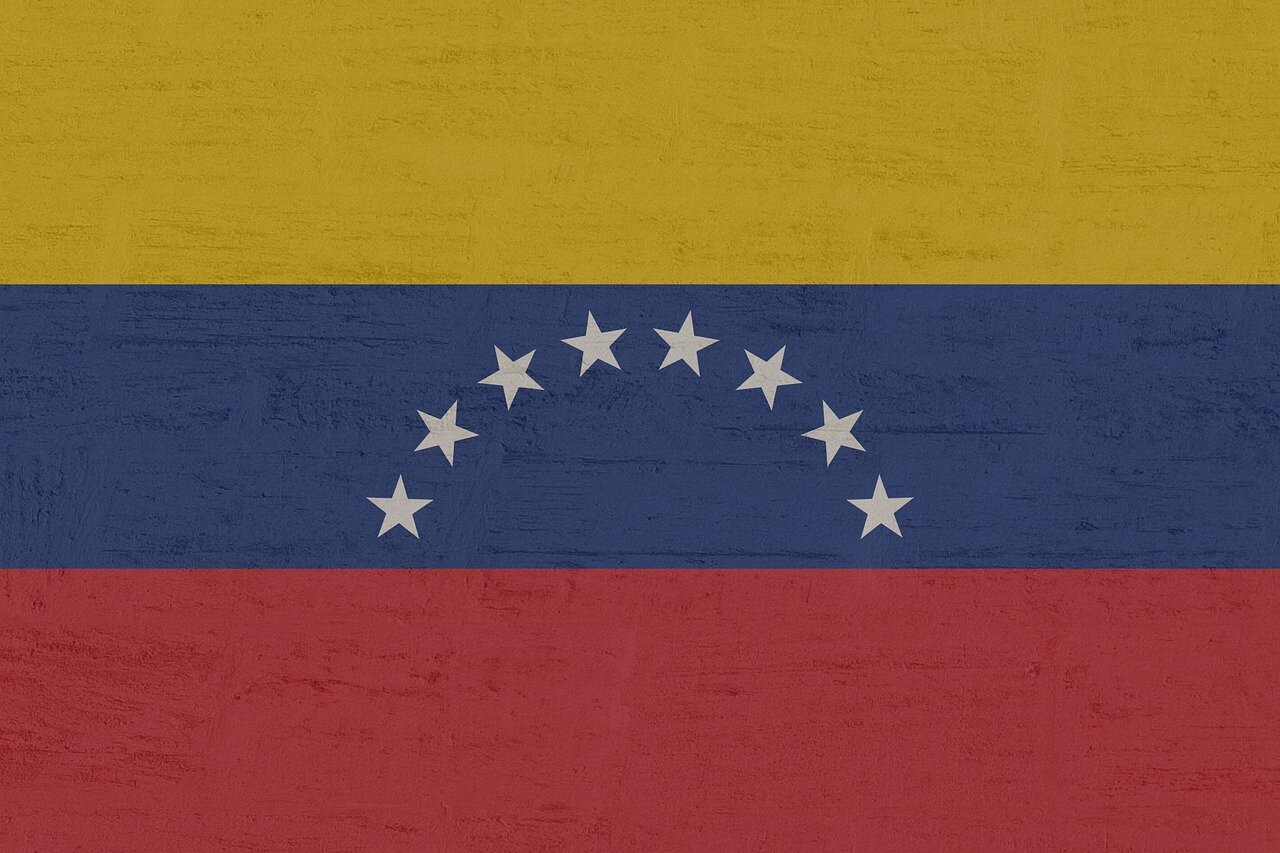
How the earthquake and aid efforts are affecting local communities
The recent earthquake in Venezuela has had a profound impact not only on the affected regions but also on neighboring countries that are stepping in to offer support. The interconnected nature of these crises can also be seen in the Rising Tensions Among States Dependent on the Colorado River, which highlights how regional dynamics influence disaster responses.
In the short term, the influx of aid can lead to immediate improvements in living conditions for earthquake survivors. Essential supplies such as food, water, and medical assistance are being distributed, which can alleviate some of the immediate hardships faced by those impacted. However, the sudden arrival of aid workers and resources can also strain local infrastructure, particularly in border towns that may not be equipped to handle the increased demand for services.
Mid-term effects may include shifts in local economies. Businesses that engage in the supply of goods and services related to disaster relief may experience a boost in demand. For instance, local construction companies could find opportunities in rebuilding efforts, while transportation services may see an uptick as aid is delivered. Conversely, there is a risk that local markets could become saturated with aid supplies, disrupting traditional business operations and creating dependency on external assistance.

- Positive impacts: Increased economic activity in relief sectors.
- Negative impacts: Strain on local resources and potential market disruptions.
- Policy implications: Possible changes in immigration and aid policies as countries respond to the crisis.
Additionally, the earthquake response may catalyze a shift in regional cooperation, with countries recognizing the need for more robust disaster preparedness strategies. This could lead to collaborative policies that enhance resilience against future disasters, presenting a long-term opportunity for improved regional stability and community solidarity.
A: Several neighboring countries, including Colombia and Brazil, have pledged support and resources to assist in the recovery efforts following the earthquake. A: The aid includes medical supplies, food, shelter materials, and financial assistance to help those affected by the disaster. A: The Venezuelan government has expressed gratitude for the assistance and is coordinating with international organizations to facilitate the aid delivery. A: Yes, logistical challenges, including transportation and security concerns, can complicate the timely delivery of aid to affected areas. A: Individuals can contribute by donating to reputable organizations that are actively involved in providing relief and support to the earthquake victims.
Frequently asked questions about the earthquake response
Key takeaways and future outlook on recovery efforts
The recent earthquake in Venezuela has prompted a significant response from neighboring countries, highlighting the importance of regional solidarity in times of crisis. As aid flows in, the effectiveness of these efforts will depend on coordination among nations and the ability to address the immediate needs of affected communities while also planning for long-term recovery.
Moving forward, it will be crucial to monitor the collaboration between governments and NGOs, as well as the impact of international support on Venezuela’s recovery trajectory. The situation presents an opportunity for strengthening diplomatic ties and fostering a more unified approach to disaster response in the region.
- Regional Cooperation: Enhanced collaboration among South American nations could lead to more efficient disaster response strategies in the future.
- Infrastructure Resilience: The earthquake underscores the need for improved infrastructure and disaster preparedness in Venezuela and its neighbors.
- Humanitarian Needs: Ongoing assessments of humanitarian needs will be essential to ensure that aid reaches the most vulnerable populations effectively.
- International Engagement: The involvement of international organizations may play a pivotal role in sustaining recovery efforts and rebuilding efforts.
- Political Stability: The political climate in Venezuela will significantly influence the success of recovery initiatives and the willingness of neighboring countries to provide ongoing support.