
One notable event in this landscape is the recent series of performances titled “A Life in Four Seasons,” which has gained attention for its unique approach to storytelling through dance. Premiering in early October 2023, this production features dancers ranging from seasoned professionals to enthusiastic newcomers, highlighting the universal language of movement. The choreography reflects the changing seasons, symbolizing growth, change, and the passage of time, making it a remarkable example of intergenerational collaboration in the arts.
The significance of this performance extends beyond entertainment; it serves as a platform for intergenerational dialogue and connection. By incorporating dancers of varying ages, the production fosters a sense of community, demonstrating that art can bridge gaps between generations. This approach not only enriches the viewing experience but also encourages participation from a broader audience, ultimately showcasing the importance of dance in cultural expression.
Moreover, the emphasis on accessibility in dance is becoming increasingly prominent. Many performances, including “A Life in Four Seasons,” are being held in community spaces and are designed to be inclusive for all spectators. This shift reflects a growing recognition of the importance of making art available to everyone, regardless of age or ability, thus expanding the reach and impact of dance as a vital cultural expression.
The significance of intergenerational dance performances
Intergenerational dance performances have emerged as a vital cultural phenomenon, reflecting the changing dynamics of society and the importance of inclusivity in the arts. Historically, dance has served as a means of expression and communication across generations, allowing individuals of all ages to share their stories, experiences, and emotions. In recent years, however, the focus on intergenerational collaboration has gained momentum, driven by a growing recognition of the value of diverse perspectives in creative spaces.
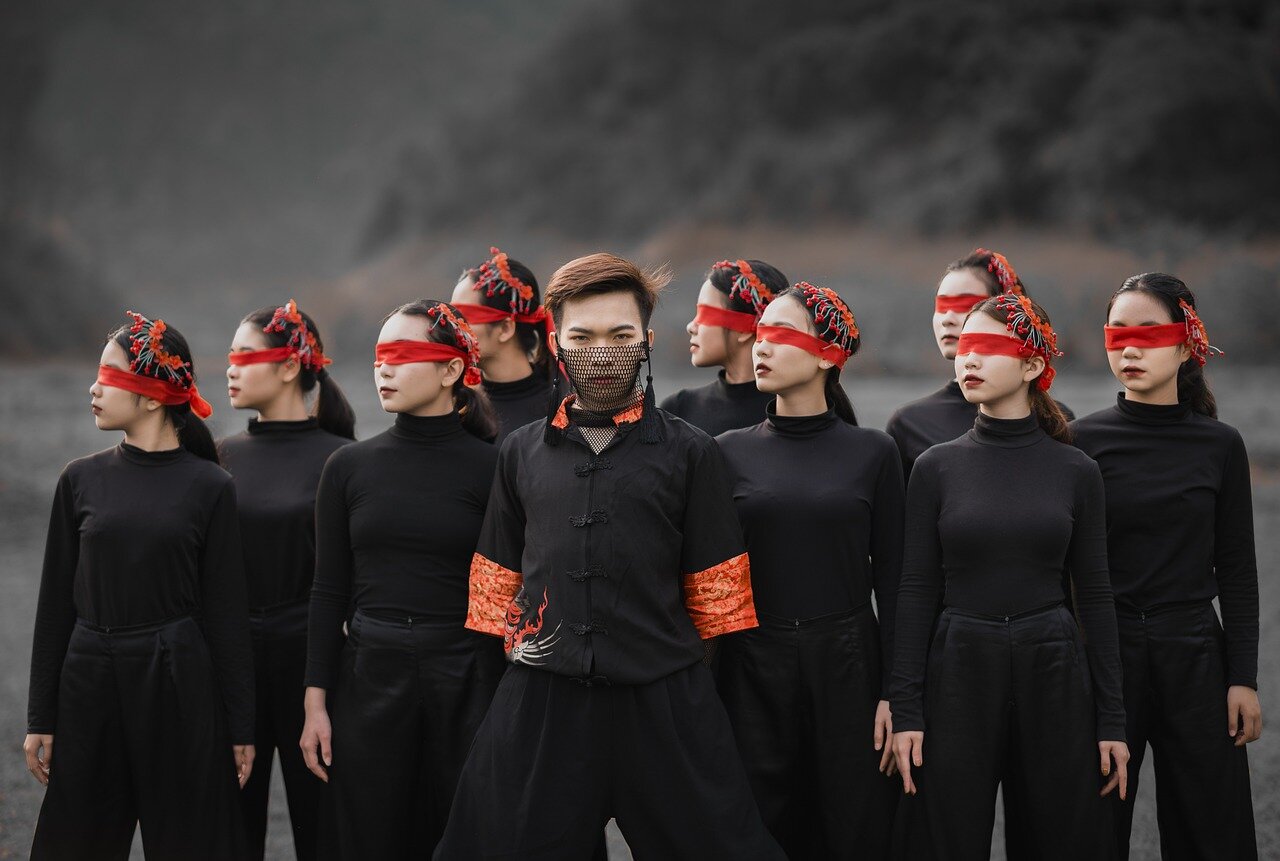
One of the key milestones in the rise of intergenerational dance can be traced back to the late 20th century, when artists began to challenge the traditional notions of age and ability in performance art. Initiatives such as community dance programs and festivals that showcased performers from different age groups began to emerge, fostering a sense of belonging and mutual respect among participants. These programs not only provided opportunities for older dancers to continue their passion but also encouraged younger generations to learn from their experiences.
The economic aspect of this movement cannot be overlooked. As funding for the arts has become increasingly competitive, intergenerational projects have attracted attention from sponsors and grant bodies seeking to promote diversity and community engagement. This financial support has enabled dance companies to create innovative works that highlight the talents of both seasoned performers and emerging artists, ultimately enriching the cultural landscape.
Social impact of dance across generations
Moreover, the social impact of intergenerational dance performances extends beyond the stage. These collaborations often promote dialogue between age groups, challenging stereotypes and fostering understanding. As older dancers share their wisdom and techniques with younger counterparts, they help to preserve cultural traditions while simultaneously allowing for the evolution of dance styles. This reciprocal relationship not only enhances the quality of performances but also strengthens community ties, making dance a powerful tool for social cohesion.
Key themes and challenges in the performance
The review of ‘A Life in Four Seasons’ highlights the diverse range of dancers participating in the production, showcasing talent across various age groups. This inclusion not only enriches the performance but also reflects a growing trend in the arts to embrace intergenerational collaboration. The key stakeholders in this context include the dancers, choreographers, production companies, and audiences, each with distinct interests and expectations.
One of the primary actors in this performance is the production company, which aims to create a compelling narrative that resonates with audiences while also ensuring financial sustainability. Their interest lies in attracting a diverse audience base, which can lead to increased ticket sales and funding opportunities. However, balancing artistic integrity with commercial viability presents a significant challenge.
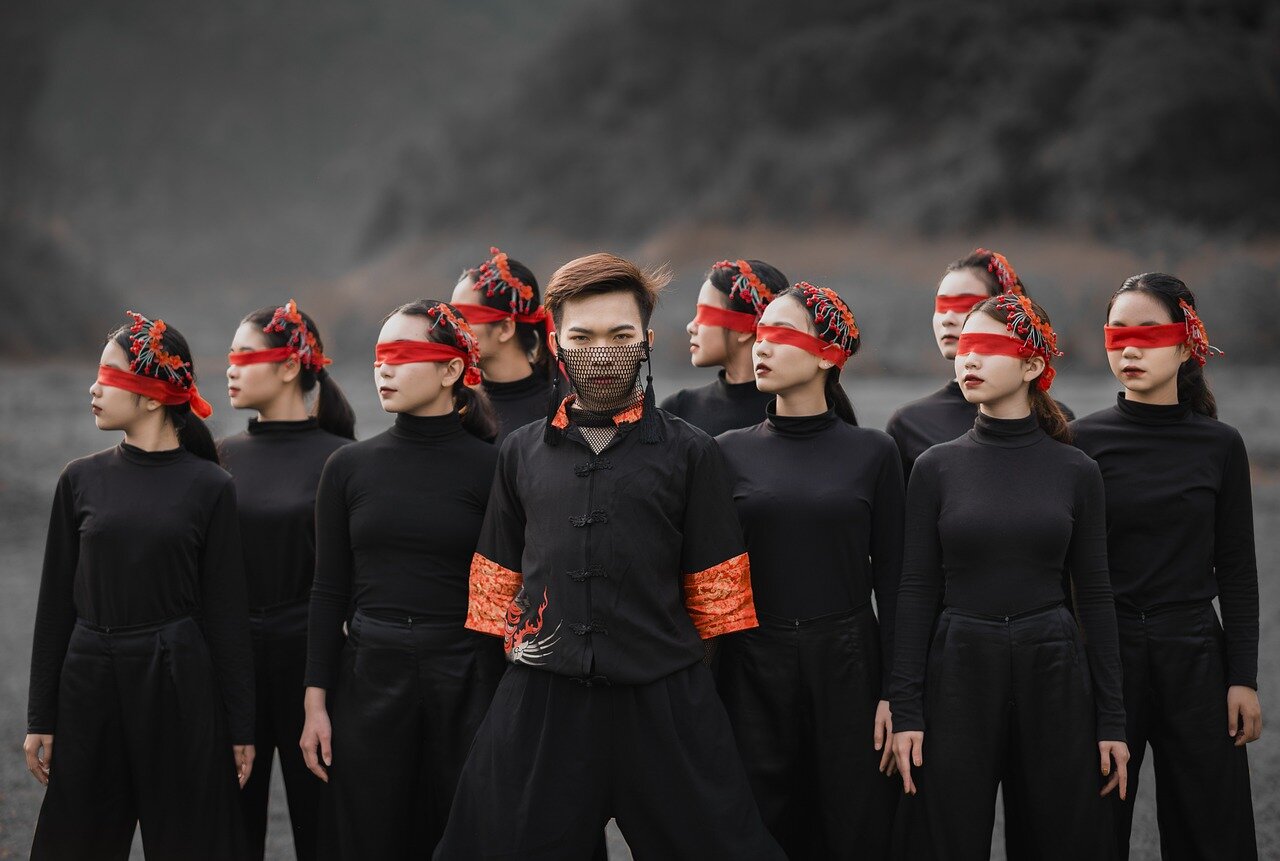
Another important group is the dancers themselves, who range from seasoned professionals to emerging talents. Their motivations vary; while some seek to showcase their skills and gain recognition, others may be looking for personal fulfillment and community engagement through dance. This diversity can lead to a rich tapestry of performance but also raises questions about equity and representation within the dance community.
- Conflict of Interest: The differing priorities of stakeholders can create tension, particularly when artistic choices conflict with commercial goals.
- Economic Challenges: Funding cuts to the arts can impact production quality and the ability to pay performers fairly, affecting the overall experience.
- Legal Issues: Copyright and intellectual property concerns may arise, especially with original choreography and music used in the performance.
- Audience Engagement: Engaging a broad audience while maintaining niche appeal poses a significant challenge for the production team.
Ultimately, the interplay between these stakeholders and the challenges they face highlights the complexities of producing a performance that aims to be both artistically innovative and commercially successful. The success of ‘A Life in Four Seasons’ may serve as a case study for future productions navigating similar dynamics in the performing arts landscape.
The influence of the performance on audiences and dancers
The performance of ‘A Life in Four Seasons’ resonates deeply with various groups, particularly dancers, local arts organizations, and the broader community. Dancers of all ages showcase their talents, inspiring younger generations while also highlighting the dedication of seasoned performers. This intergenerational collaboration fosters a sense of belonging and encourages participation in the arts.
In the short term, local businesses, especially those in the hospitality and retail sectors, experience a boost as audiences flock to the venue. Restaurants, cafes, and shops nearby benefit from increased foot traffic before and after performances. Additionally, arts organizations may see a rise in ticket sales and memberships, which can enhance their financial stability.
Mid-term impacts include potential policy shifts as local governments recognize the value of supporting the arts. Increased attendance at performances can lead to more funding opportunities for community arts programs, ensuring that the benefits of such events extend beyond the stage. Schools may also take note, integrating more dance and arts education into their curricula to nurture talent.
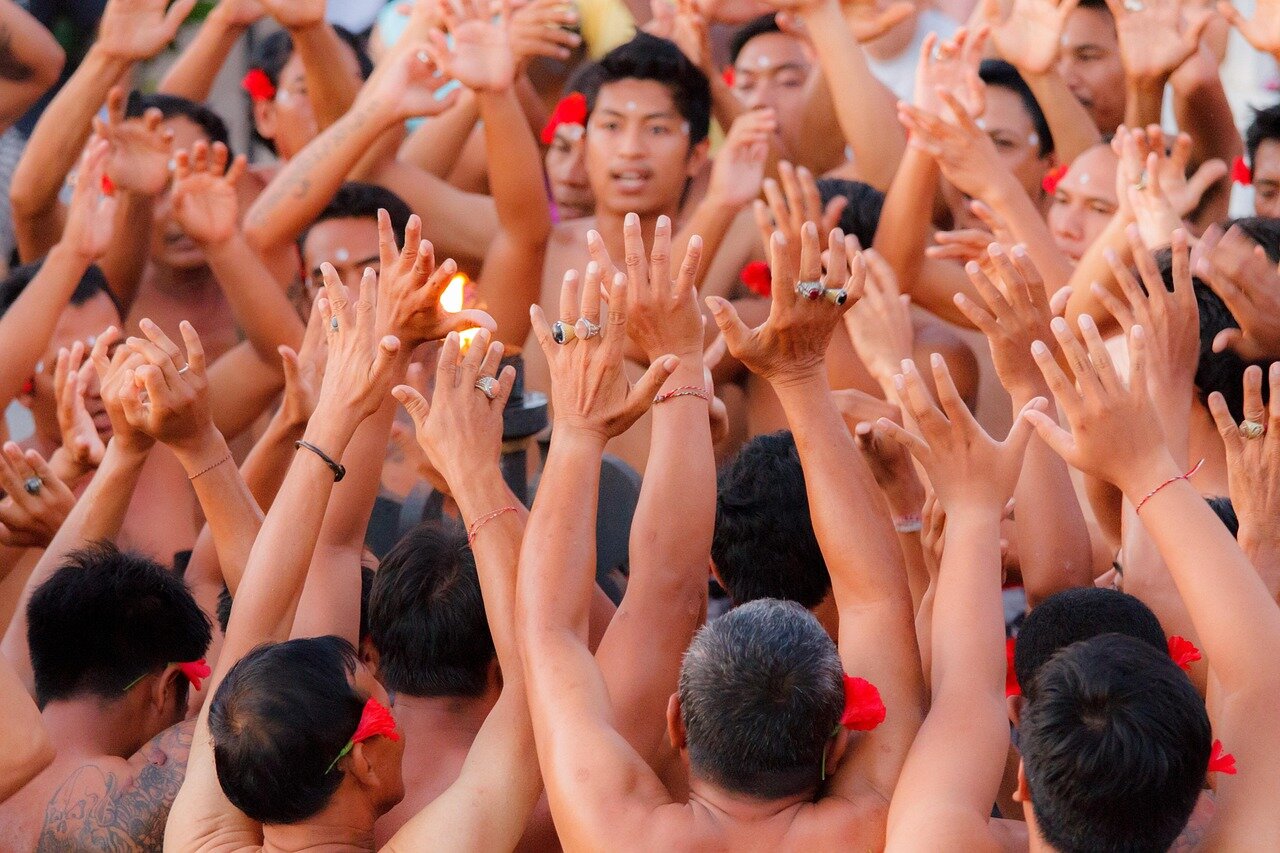
- Local businesses: Increased sales and foot traffic.
- Arts organizations: Enhanced funding and engagement.
- Community: Strengthened cultural identity and cohesion.
While the performance presents numerous opportunities, it also carries risks. The reliance on ticket sales can be precarious, particularly if audience turnout fluctuates. Additionally, the focus on specific demographics may inadvertently exclude other community members, posing a challenge for inclusivity. Addressing these risks while maximizing opportunities will be crucial for sustaining the positive impact of such performances.
A: A Life in Four Seasons is a dance performance that celebrates the beauty of life through the four seasons, featuring dancers of various ages. A: The performance showcases a diverse cast, highlighting the unique perspectives and styles that dancers of all ages bring to the stage. A: The performance is scheduled to be held at various theaters; check local listings for specific dates and venues. A: Yes, the performance features renowned choreographers who have crafted pieces that resonate with the themes of each season. A: The cast includes dancers ranging from young children to seasoned professionals, creating a rich tapestry of talent.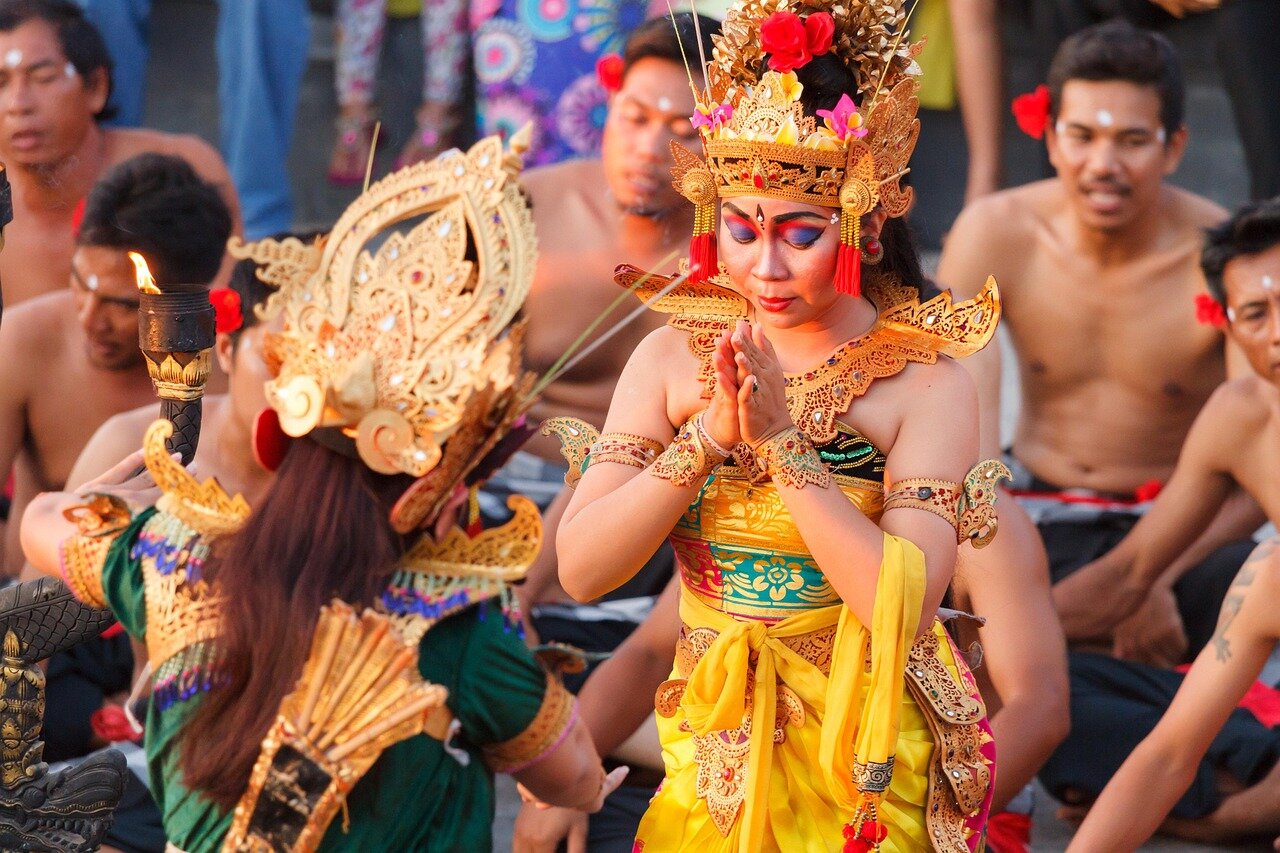
Frequently asked questions about the performance
Key takeaways and future outlook for dance performances
The review of ‘A Life in Four Seasons’ highlights the remarkable ability of dancers across various age groups to convey vitality and emotion through movement. This production not only showcases the technical prowess of its performers but also emphasizes the importance of inclusivity in the arts, allowing audiences to connect with diverse narratives and experiences. As we look ahead, the intersection of age and artistry in dance will continue to evolve, offering rich opportunities for storytelling and community engagement.
Future dance performances may increasingly embrace multi-generational casts, fostering collaboration and mentorship between seasoned and emerging artists. This trend could lead to innovative choreographic styles that reflect a broader spectrum of life experiences, ultimately enriching the cultural landscape.
- Expect to see more productions featuring diverse age groups, enhancing the narrative depth of performances.
- Monitor the growing emphasis on inclusivity in dance, which could inspire new audience engagement strategies.
- Watch for collaborations between established and younger dancers, promoting skill-sharing and creative exploration.
- Anticipate a shift in choreographic approaches that incorporate life experiences from various age perspectives.
- Consider the potential for community-driven dance projects that encourage participation from all ages, fostering a sense of belonging.