
Palestine Action has been known for its direct actions, including protests and sit-ins at various sites associated with Israeli interests in the UK. The group’s activities have sparked widespread debate about the right to protest and the limits of activism, as discussed in this related article. The court’s ruling comes at a time when public sentiment regarding the Israeli-Palestinian conflict remains deeply divided, making this case particularly notable.
The decision was met with mixed reactions from various stakeholders. Supporters of Palestine Action argue that the ban stifles legitimate protest and dissent, while opponents claim that the group’s tactics threaten public safety and disrupt local communities. This ongoing discourse highlights the complexities of activism in the modern era, where legal frameworks are often tested against societal values, much like the situations surrounding other global movements.
The implications of this ruling extend beyond Palestine Action itself, as it sets a precedent for how similar groups may be treated in the future. Legal experts are closely monitoring the case, as it could influence the interpretation of laws governing protest activities in the UK. As activism continues to evolve, the balance between lawful protest and public order will remain a contentious issue, similar to the debates over other forms of public demonstrations.
Understanding the Background of the Palestine Action Movement
The Palestine Action movement emerged in response to the ongoing Israeli-Palestinian conflict, which has deep historical roots dating back to the late 19th century. This conflict has been marked by territorial disputes, national identity struggles, and significant geopolitical tensions. As the state of Israel was established in 1948, many Palestinians were displaced, leading to decades of unrest and a complex web of political and social issues that continue to affect the region today.
In recent years, the movement has gained traction in various countries, particularly in the UK, where activists have sought to draw attention to what they describe as human rights violations against Palestinians. The actions of Palestine Action often include protests and direct action against companies perceived to be complicit in the Israeli military’s operations, including arms manufacturers and suppliers. This activism has sparked significant debate regarding the legality and morality of such actions, often placing them at the intersection of free speech and civil disobedience.
Key Milestones in the Movement
Several key milestones have shaped the Palestine Action movement and its legal standing. One notable event was the 2014 Gaza War, which intensified global awareness and activism surrounding the Palestinian cause. The subsequent rise of social media platforms allowed activists to mobilize quickly and share their messages widely, amplifying their impact. Additionally, legal cases surrounding the actions of activists have set precedents that influence current rulings, such as the recent court of appeal decision regarding the ban on Palestine Action, which underscores the ongoing tensions between state authority and activist movements.
The court’s ruling reflects a broader societal debate about the limits of protest and the right to dissent. As governments grapple with the implications of such movements, the legal landscape continues to evolve, shaping the future of activism related to the Israeli-Palestinian conflict. Understanding this context is crucial for grasping the complexities surrounding the recent legal decisions and the broader implications for civil rights and political expression.

Key Stakeholders and Issues Surrounding the Ruling
The recent ruling by the Court of Appeal affirming the legality of the ban on Palestine Action has significant implications for various stakeholders involved. At the forefront are the members of Palestine Action, an activist group known for its direct action against companies it accuses of complicity in the Israeli occupation of Palestinian territories. Their primary interest lies in advocating for Palestinian rights and raising awareness about the humanitarian issues in the region.
On the opposing side, the businesses targeted by Palestine Action, such as arms manufacturers and suppliers, have a vested interest in maintaining their operations without disruption. These companies argue that their activities are legal and necessary for national defense, framing the actions of Palestine Action as detrimental to their economic interests and public safety.
Government bodies also play a crucial role in this scenario. The ruling has implications for law enforcement agencies tasked with maintaining public order and the legal system that upholds the rights of both activists and businesses. The government must balance the right to protest with the need to protect private property and public safety, raising questions about civil liberties and the extent of lawful protest.
- Legal Precedents: The ruling sets a significant legal precedent regarding the limits of protest actions and the interpretation of laws concerning public order.
- Economic Impact: The ban may affect the economic landscape for companies involved, potentially leading to job losses and affecting supply chains.
- Public Perception: The decision could influence public opinion on both Palestine Action and the companies it targets, shaping future activism and corporate strategies.
- International Relations: The ruling may have broader implications for the UK’s stance on the Israeli-Palestinian conflict, impacting diplomatic relations.
- Activism and Response: The ruling may galvanize further activism, leading to new forms of protest and engagement from supporters of Palestine Action.

Potential Impacts on Activism and Legal Precedents
The recent ruling by the court of appeal affirming the legality of the ban on Palestine Action has significant implications for various groups and industries. Primarily, activists and organizations advocating for Palestinian rights may find their operations increasingly restricted. This ruling may deter individuals from participating in protests or actions that could be deemed unlawful, leading to a chilling effect on grassroots movements.
In the short term, communities engaged in activism related to Palestine may experience heightened surveillance and scrutiny from law enforcement. This could result in a decrease in public demonstrations and campaigns, impacting the visibility of the Palestinian cause. Additionally, businesses that support or are associated with Palestine Action could face backlash, affecting their operations and public perception.
In the mid-term, the ruling may influence broader policy discussions surrounding freedom of expression and the right to protest. Industries related to legal services and advocacy may see an uptick in demand as organizations seek to navigate the new legal landscape. Conversely, there is a risk that similar bans could be enacted against other activist groups, leading to a more restrictive environment for civil liberties.
- Activists: Increased legal risks and potential criminalization of protest activities.
- Businesses: Possible reputational damage and operational challenges for those aligned with activist causes.
- Legal Sector: Growth in demand for legal counsel and advocacy services related to civil rights.
- Policy Makers: Pressure to address the implications of the ruling on freedom of expression.
Despite the challenges, there may be opportunities for collaboration among civil rights organizations to strengthen legal defenses and advocate for broader protections of protest rights. The ruling could galvanize a more unified response from various social justice movements, fostering solidarity and strategic alliances in the face of legal challenges.
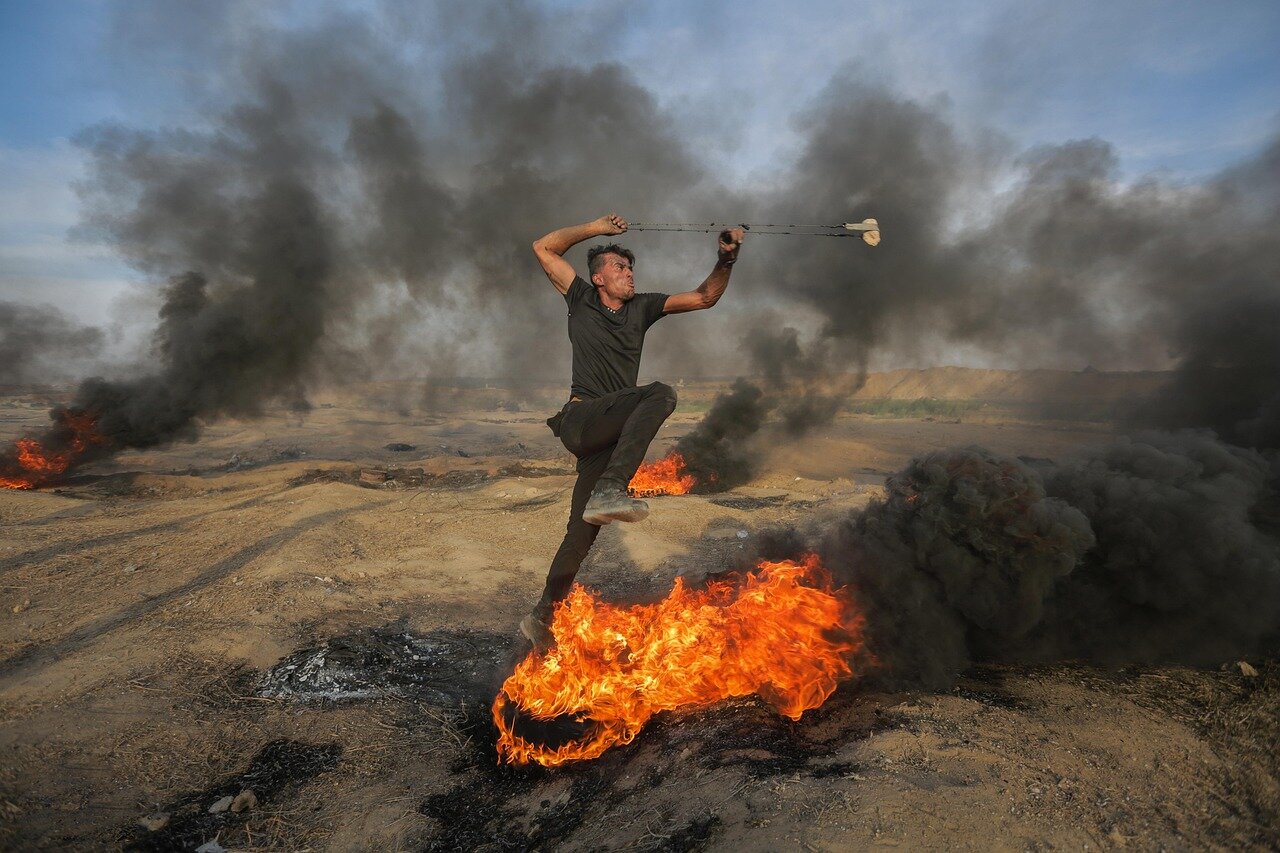
A: The court found that the ban was justified under existing laws aimed at maintaining public order and safety. A: This ruling sets a precedent that may limit the scope of protests related to Palestine Action and similar movements. A: Activists may face increased legal scrutiny and potential restrictions on their activities following this ruling. A: Yes, there may be options for further appeal to higher courts, depending on the legal strategies pursued. A: The ruling has sparked mixed reactions, with some supporting the decision for public safety, while others criticize it as a suppression of free speech.
Frequently Asked Questions about the Court’s Ruling
Insights and Future Outlook on the Palestine Action Case
The recent ruling by the Court of Appeal affirming the legality of the ban on Palestine Action marks a significant moment in the ongoing discourse surrounding activism and public order. This decision not only reinforces the boundaries of lawful protest but also highlights the complexities of balancing civil liberties with the need for public safety. As the implications of this ruling unfold, various stakeholders, including activists, legal experts, and policymakers, will need to navigate a shifting landscape that could shape future protests and activism in the UK.
It is crucial to monitor how this ruling influences both public sentiment and legal frameworks surrounding protest activities. The response from activist groups, potential legislative changes, and the broader societal implications of this decision will be pivotal in understanding the evolving dynamics of civil engagement and government response.
- Impact on Activism: The ruling may deter some forms of direct action, prompting activists to rethink their strategies and methods of engagement.
- Legal Precedents: This case could set a precedent for future legal challenges related to protest rights and public order regulations.
- Government Response: Watch for potential legislative measures that may be introduced in response to the ruling, which could further define the boundaries of lawful protest.
- Public Opinion: The decision may polarize public opinion, influencing future activism and the narrative surrounding social justice movements.
- International Reactions: The ruling could attract attention from international human rights organizations, potentially impacting the UK’s reputation in global civil rights discussions.