
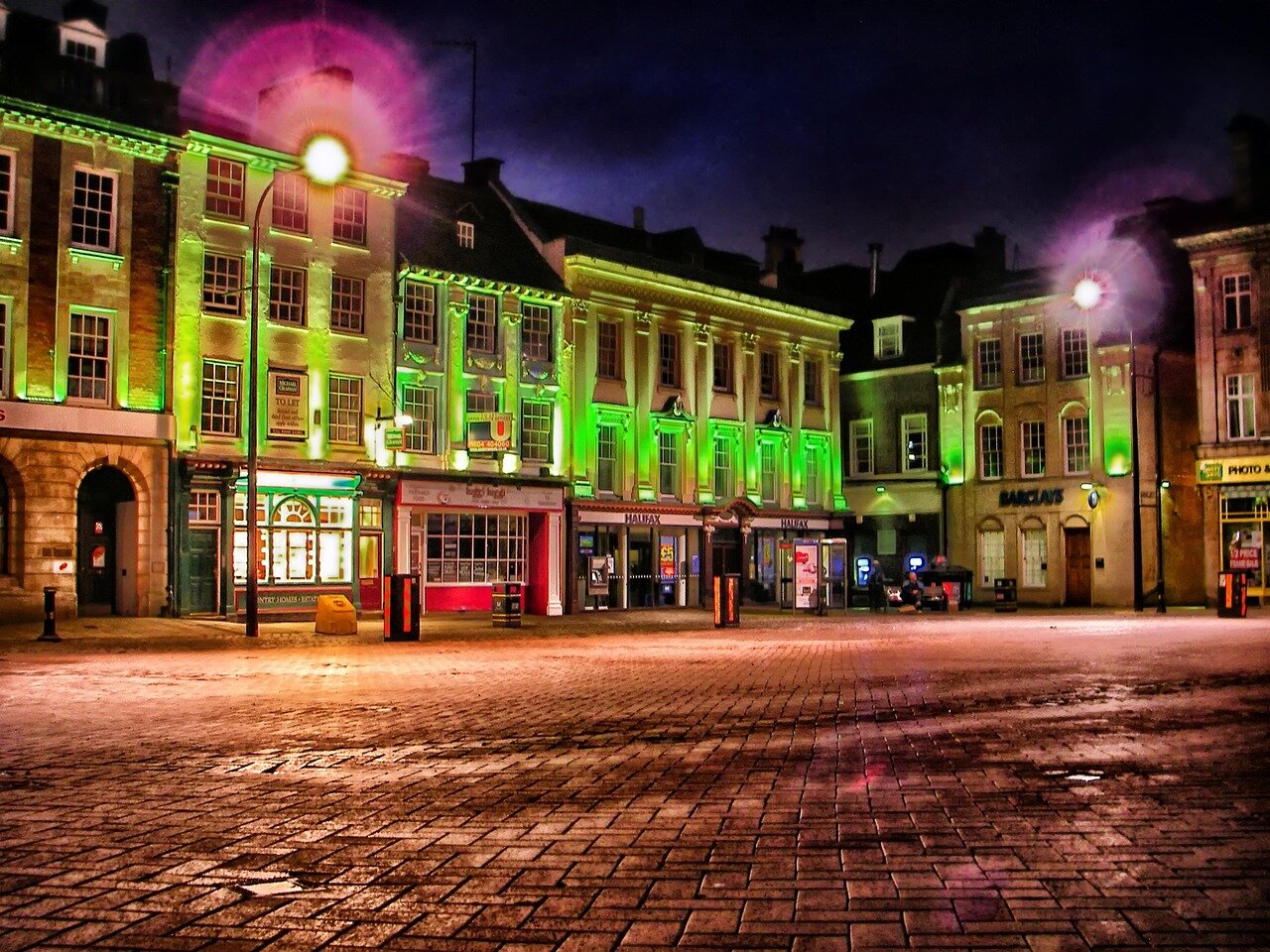
Key projects in Northampton include the redevelopment of the town center, which aims to attract new businesses and improve public spaces. Local authorities have allocated £2 million towards this initiative, with plans to complete the first phase by mid-2024. Meanwhile, Exeter has focused on revitalizing its waterfront area, promising a boost to tourism and local commerce.
Community engagement has played a crucial role in these efforts, with numerous public forums held to gather input and foster collaboration. Residents have actively participated in shaping their neighborhoods, leading to a stronger sense of ownership and pride. This grassroots involvement is seen as essential for sustaining the momentum of the revival.
As both cities continue to evolve, the impact of these initiatives is already visible. In Northampton, foot traffic has increased, and new businesses are setting up shop, while Exeter has reported a rise in visitor numbers. These developments not only signify economic recovery but also highlight the resilience and determination of the local communities.
Understanding the historical challenges faced by these cities
Northampton and Exeter, two cities steeped in rich history, have confronted a myriad of challenges over the decades. Once thriving centers of commerce and industry, both cities have experienced significant economic downturns, particularly during the late 20th century. The decline of traditional industries, such as manufacturing and textiles, left many residents facing unemployment and economic uncertainty.
The political landscape has also played a crucial role in shaping the fortunes of these cities. In the 1980s, government policies aimed at deregulation and privatization disproportionately affected local economies, leading to a loss of jobs and a decline in public services. This created a sense of disillusionment among residents, many of whom felt abandoned by political leaders and disconnected from the decision-making processes that impacted their lives.
Socially, both Northampton and Exeter have had to grapple with issues related to urban decay and the challenges of revitalizing communities. As young people moved away in search of better opportunities, the cities faced declining populations and a loss of cultural vibrancy. However, grassroots movements and community initiatives have emerged, driven by a collective desire to reclaim the cities’ identities and foster a sense of pride among residents, reminiscent of the revitalization efforts seen in various successful urban projects.
Key Milestones in the Revival Journey
In recent years, both cities have witnessed a remarkable revival, characterized by significant investments in infrastructure and community projects. In Northampton, the redevelopment of the town center and the introduction of new cultural events have reinvigorated local businesses and attracted visitors. Meanwhile, Exeter has focused on enhancing its educational institutions and promoting sustainable development, which has positioned it as a hub for innovation and entrepreneurship.
These milestones have not only transformed the physical landscape but have also instilled a renewed sense of grit and bravery among residents. Community leaders and local organizations have played a pivotal role in this transformation, fostering collaboration and resilience in the face of adversity. The journey of Northampton and Exeter serves as a testament to the power of collective action, similar to the determination shown in the tech industry.
Key stakeholders and issues driving the revival
The revival of Northampton and Exeter has been propelled by a diverse group of stakeholders, each with their own interests and motivations. Local governments, community organizations, businesses, and residents play pivotal roles in shaping the future of these cities. Their collective efforts highlight the importance of grit and bravery in overcoming challenges and fostering a positive environment for growth.

Local governments in both Northampton and Exeter have prioritized economic development and community well-being. Their interest lies in attracting investments, enhancing public services, and creating job opportunities. This often involves navigating complex legal frameworks and securing funding, which can lead to conflicts with other stakeholders who may have differing priorities.
Community organizations and non-profits have been instrumental in advocating for social equity and environmental sustainability. They often clash with commercial interests that prioritize profit over community welfare. For instance, while businesses may seek to develop new properties, community groups might push for preserving green spaces and historical sites.
- Economic Development: Local businesses are eager to expand and attract new customers, but this can lead to gentrification and displacement of long-time residents.
- Legal Challenges: Zoning laws and regulations can create friction between developers and community advocates, complicating revitalization efforts.
- Public Sentiment: Residents often have mixed feelings about change, balancing the desire for progress with concerns about maintaining their community’s identity.
Moreover, economic issues such as funding for infrastructure improvements and public services remain at the forefront. Both cities must find ways to finance their ambitious projects while ensuring that the benefits are equitably distributed among all residents. This balancing act often leads to trade-offs that can spark debates among stakeholders.
The impact of community efforts on local economies and residents
The revival of Northampton and Exeter, driven by grit and bravery, has significantly affected various groups and industries within these regions. Local residents, small business owners, and community organizations have all played pivotal roles in this transformation. As these cities emerge from economic challenges, the collective efforts are creating a ripple effect across multiple sectors.
In the short term, residents are experiencing improved daily life as new businesses open, creating jobs and enhancing local amenities. The hospitality, retail, and creative sectors are particularly benefiting from increased foot traffic and community engagement. This revitalization is fostering a sense of pride and belonging among residents, which is crucial for long-term sustainability.

In the mid-term, the impact on policy may become evident as local governments recognize the importance of supporting community initiatives. This could lead to increased funding for public projects, improved infrastructure, and enhanced support for small businesses. As a result, policies may shift to prioritize community-driven development, which can further stimulate economic growth.
- Risks: The rapid growth may lead to increased living costs, potentially displacing long-term residents.
- Opportunities: A thriving local economy can attract investment, further enhancing job creation and community resources.
- Risks: Over-reliance on specific industries may make the economy vulnerable to downturns.
- Opportunities: Diversification of local businesses can help mitigate economic risks and foster resilience.
The ongoing collaboration among various stakeholdersresidents, local businesses, and government officialswill be crucial in navigating these risks and seizing opportunities. The future of Northampton and Exeter hinges on their ability to sustain this momentum while ensuring that the benefits of revival are shared equitably among all community members.
A: Both cities faced economic decline, social issues, and a lack of investment. These challenges prompted community members to come together and initiate revival efforts. A: Local communities are actively participating in initiatives such as business development, cultural events, and volunteer programs to rejuvenate their neighborhoods. A: Local governments are providing support through funding, policy changes, and partnerships with community organizations to facilitate growth and development. A: Yes, there are numerous success stories, including new businesses opening, increased tourism, and revitalized public spaces that enhance community engagement. A: The future looks promising as ongoing efforts continue to attract investment and foster community spirit, leading to sustainable growth and development.
Frequently asked questions about the revival
Key insights and future outlook for Northampton and Exeter
The remarkable revival of Northampton and Exeter highlights the profound impact of community resilience and innovative leadership in urban regeneration. As both cities continue to embrace their unique identities while fostering collaboration, they set a compelling example for other regions facing similar challenges. The initiatives undertaken not only enhance local economies but also strengthen community bonds, paving the way for sustainable growth.
Looking ahead, the ongoing commitment to grit and bravery will be essential in navigating potential obstacles and seizing new opportunities. Stakeholders must remain vigilant in monitoring trends and adapting strategies to ensure the momentum of revitalization is maintained.
- Community Engagement: Continued involvement of local residents in decision-making processes will be crucial for sustainable development.
- Investment in Infrastructure: Enhancements in transportation and public spaces will further attract businesses and tourism.
- Support for Local Enterprises: Fostering a thriving local business environment can drive economic resilience and innovation.
- Collaboration Across Sectors: Partnerships between public, private, and non-profit sectors will enhance resource sharing and strategic initiatives.
- Focus on Sustainability: Prioritizing environmentally friendly practices will not only benefit the community but also appeal to a growing demographic of eco-conscious residents and visitors.