
The vaccination program is set to roll out in early 2024, with schools and community health centers playing a pivotal role in its implementation. Health officials emphasize the importance of this vaccine, as Meningitis B can lead to severe health complications, including long-term disabilities and death. For further insights on health initiatives, you can read about Rubio’s advocacy for U.S. participation in global vaccine initiatives.
Recent data indicates a worrying uptick in Meningitis B cases, prompting health experts to advocate for broader vaccination efforts. The initiative is supported by both governmental and non-governmental organizations, highlighting a collaborative approach to safeguard the health of the younger population.
Parents and guardians are encouraged to participate in this vaccination program, as it represents a proactive measure to protect their children. With the potential for widespread immunization, health authorities are optimistic that this initiative will significantly reduce the prevalence of Meningitis B in the coming years.
Understanding the background of Meningitis B and vaccination efforts
Meningitis B, caused by the Neisseria meningitidis bacterium, has been a significant public health concern worldwide, particularly affecting infants and young children. Historically, outbreaks of meningococcal disease have led to severe health consequences, including long-term disabilities and fatalities. The urgency to develop effective vaccines has been driven by these alarming statistics, leading to increased awareness and advocacy for vaccination programs, which you can explore further in our article on health initiatives..

In the early 2000s, various countries began to recognize the need for a targeted approach to combat Meningitis B, as traditional vaccines were not effective against this specific strain. The introduction of new vaccines, such as Bexsero and Trumenba, marked a turning point in the fight against this disease. These vaccines have undergone extensive clinical trials, demonstrating their safety and efficacy, which has paved the way for broader immunization initiatives.
Political and Economic Considerations
The decision to offer the Meningitis B vaccine to a million young people is not just a public health initiative but also a reflection of political and economic factors. Governments have increasingly prioritized vaccination programs as a cost-effective strategy to reduce healthcare costs associated with treating severe cases of meningitis. Additionally, public health campaigns have been instrumental in raising awareness about the importance of vaccination, influencing policy decisions and funding allocations, similar to what we’ve seen with other health campaigns like NASA’s return to the Moon initiative..
In recent years, the global health landscape has seen a surge in collaboration between governments, health organizations, and pharmaceutical companies to ensure that vaccines are accessible and affordable. This collaborative effort has been crucial in addressing disparities in vaccine availability, particularly in low-income regions where the burden of meningitis is often highest. As a result, the upcoming vaccination initiative represents a significant milestone in the ongoing battle against Meningitis B.
Key stakeholders and issues surrounding the vaccine rollout
The introduction of the Meningitis B vaccine to a million young people involves various stakeholders, each with distinct interests and concerns. The primary actors include public health organizations, government agencies, healthcare providers, and parents or guardians of the young individuals targeted for vaccination.
Public health organizations, such as the World Health Organization (WHO) and national health departments, advocate for the vaccine rollout to reduce the incidence of Meningitis B, which can lead to severe health complications. Their interest lies in improving community health outcomes and preventing outbreaks. Meanwhile, government agencies are focused on the logistical aspects of the vaccination campaign, including funding, distribution, and ensuring equitable access to the vaccine.
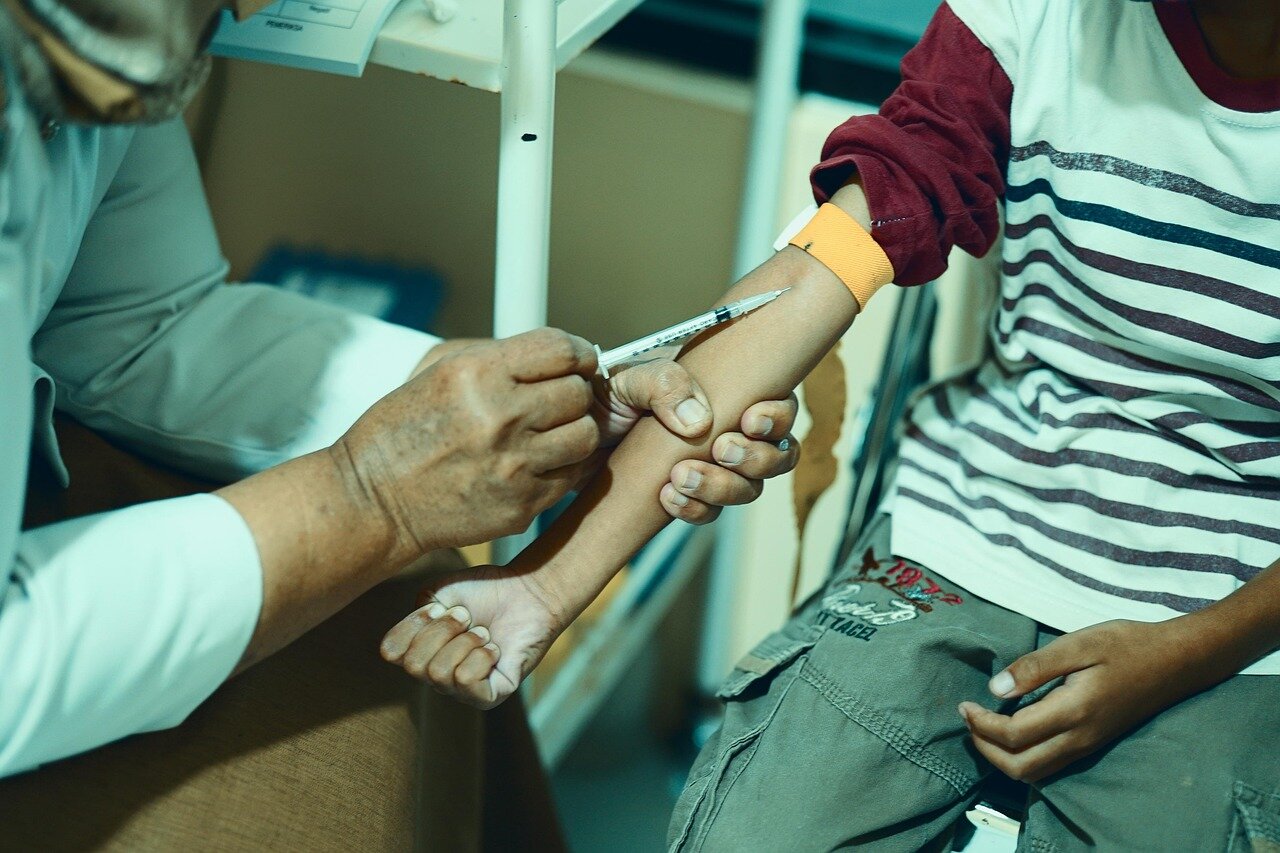
Healthcare providers play a crucial role in educating patients and administering the vaccine. They are concerned about the efficacy and safety of the vaccine, as well as the potential for vaccine hesitancy among parents. Parents and guardians, on the other hand, seek assurance about the vaccine’s safety and effectiveness, weighing the benefits against any perceived risks.
- Economic implications: The cost of the vaccine and its distribution may strain public health budgets, necessitating discussions about funding sources and potential trade-offs with other health initiatives.
- Legal considerations: Issues surrounding liability and consent for vaccination, particularly for minors, require careful legal frameworks to protect both the providers and recipients of the vaccine.
- Public perception: Vaccine hesitancy could pose a significant barrier to achieving high vaccination rates, prompting stakeholders to engage in effective communication strategies to build trust.
- Equity in access: Ensuring that all young people, regardless of socioeconomic status, have access to the vaccine is a critical issue that stakeholders must address to avoid disparities in health outcomes.
Overall, the rollout of the Meningitis B vaccine presents a complex landscape of stakeholder interests, conflicts, and essential issues that must be navigated to ensure a successful vaccination campaign.
Potential impact on young people and public health
The introduction of the Meningitis B vaccine for a million young people is set to significantly impact various demographics, particularly adolescents and young adults. This initiative primarily targets those in educational institutions, where the risk of outbreaks is heightened due to close living quarters and social interactions. Consequently, schools and universities will play a crucial role in the vaccination campaign, affecting their health policies and student health services.
In the short term, the vaccination program is expected to enhance public health by reducing the incidence of Meningitis B infections among young people. This could lead to fewer hospitalizations and a decrease in the overall burden on healthcare systems. However, there may also be challenges, including vaccine hesitancy among parents and young individuals, which could hinder the program’s effectiveness.
Mid-term impacts will likely include a shift in health policy as governments and health organizations reassess their strategies for preventing infectious diseases. Increased awareness of Meningitis B could lead to more comprehensive health education initiatives in schools. Additionally, the healthcare industry may see a boost in vaccine-related services, creating opportunities for businesses involved in immunization logistics and education.

- Public Health Improvement: Decreased infection rates and hospital visits.
- Educational Sector Changes: Enhanced health policies in schools and universities.
- Healthcare Opportunities: Growth in vaccine distribution and education services.
- Potential Risks: Vaccine hesitancy impacting uptake.
Overall, while the Meningitis B vaccination initiative poses certain risks, it also presents significant opportunities for improving public health and reshaping health policies aimed at protecting young populations. The collaboration between health authorities, educational institutions, and families will be critical in maximizing the benefits of this vaccination program.
A: The vaccine will be offered to young people, specifically targeting those aged 16 to 23, as they are at higher risk of contracting the disease. A: The distribution will occur through schools, colleges, and community health centers, ensuring easy access for the target age group. A: Common side effects may include soreness at the injection site, mild fever, and fatigue, but serious side effects are rare. A: The vaccine is crucial for preventing Meningitis B outbreaks, which can lead to severe health complications and even death. A: The vaccination program is expected to launch in early 2024, with specific dates to be announced soon.
Frequently asked questions about the Meningitis B vaccine
Future outlook on Meningitis B vaccination efforts
The introduction of the Meningitis B vaccine for a million young people marks a significant step in public health initiatives aimed at preventing this potentially severe disease. As vaccination campaigns roll out, it will be crucial to monitor both uptake rates and community response to ensure that the target population is adequately protected. Public health officials will need to engage with communities to address any concerns and promote the benefits of vaccination.
Additionally, this initiative could set a precedent for future vaccination programs, highlighting the importance of proactive measures in combating infectious diseases. The collaboration between health authorities, educational institutions, and families will play a vital role in maximizing the impact of this vaccination effort.
- Monitor vaccination uptake to identify and address barriers to access.
- Engage in community outreach to educate about the benefits and safety of the Meningitis B vaccine.
- Evaluate the long-term effectiveness of the vaccination campaign in reducing Meningitis B cases.
- Consider the implications of this program for future vaccinations against other infectious diseases.
- Foster partnerships between public health agencies and local organizations to enhance outreach efforts.