
This recovery is attributed to a combination of conservation efforts, reforestation initiatives, and increased awareness of the ecological importance of mangroves. Organizations such as the World Wildlife Fund and local governments have been actively involved in restoration projects, replanting mangroves in areas affected by deforestation and coastal development. For more information on the significance of conservation efforts, check out related articles on environmental sustainability.
Moreover, the role of mangroves in combating climate change has gained significant attention. These forests sequester carbon at rates up to four times higher than terrestrial forests, making their preservation and restoration critical in the global fight against climate change. In 2021, the United Nations highlighted mangroves as a key component of nature-based solutions for achieving climate goals.
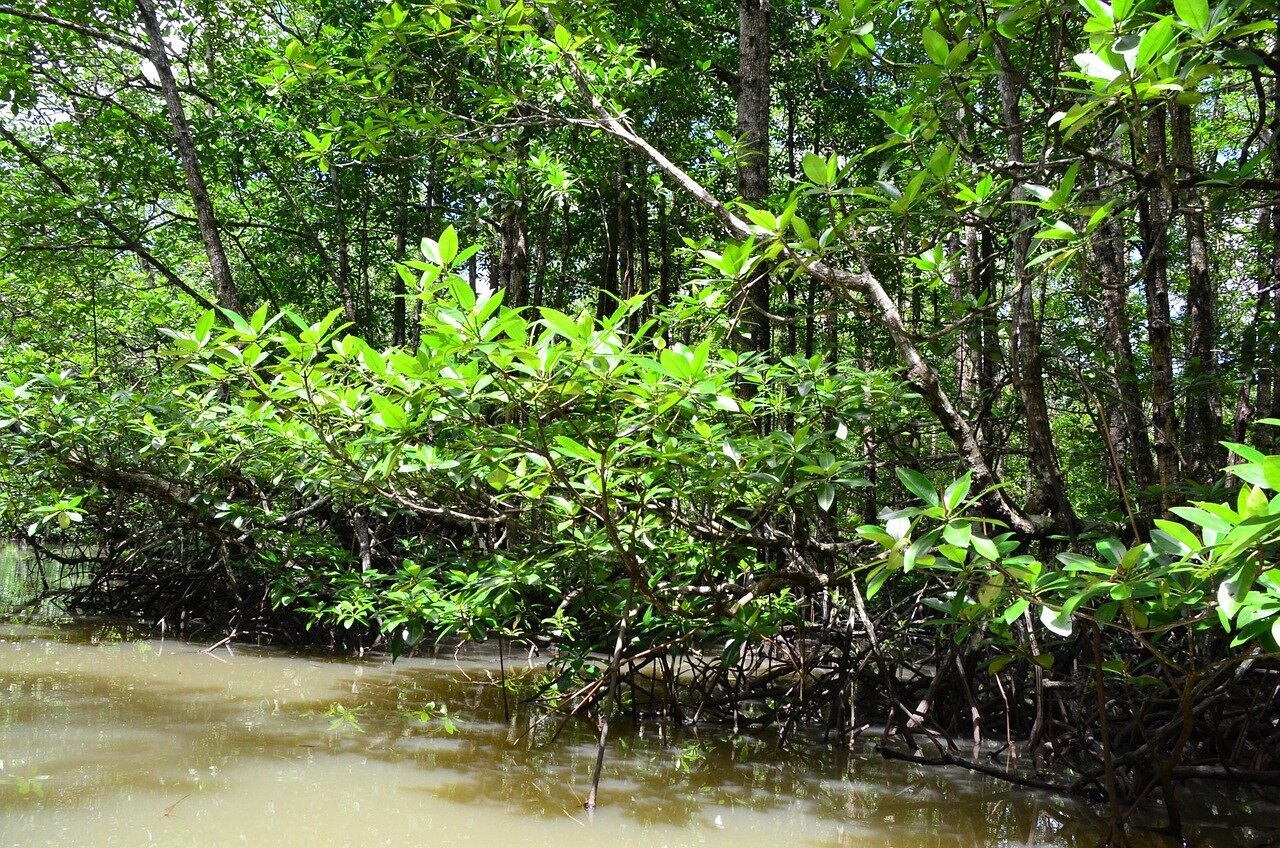
However, challenges remain as coastal development, pollution, and climate change continue to threaten these ecosystems. Despite the positive trends, experts warn that ongoing efforts are necessary to ensure the long-term health and sustainability of mangrove forests, which provide essential services such as coastal protection, habitat for marine life, and livelihoods for local communities. The resilience of these ecosystems is vital, similar to how health education can empower communities.
Understanding the historical destruction of mangrove ecosystems
Mangrove forests, often referred to as the “coastal guardians,” have faced significant destruction over the last few decades due to a combination of human activities and environmental pressures. Historically, these vital ecosystems have been cleared for agriculture, urban development, and aquaculture, significantly impacting biodiversity and coastal protection. The expansion of shrimp farming in particular has led to widespread deforestation, especially in regions like Southeast Asia and Latin America, where mangroves were replaced by industrial shrimp ponds.
Political and economic factors have played a crucial role in the degradation of mangrove forests. In many countries, weak governance and lack of enforcement of environmental regulations have allowed for unchecked exploitation of these ecosystems. Additionally, the demand for land for agriculture and development has often overshadowed the ecological importance of mangroves, leading to prioritization of short-term economic gains over long-term sustainability.
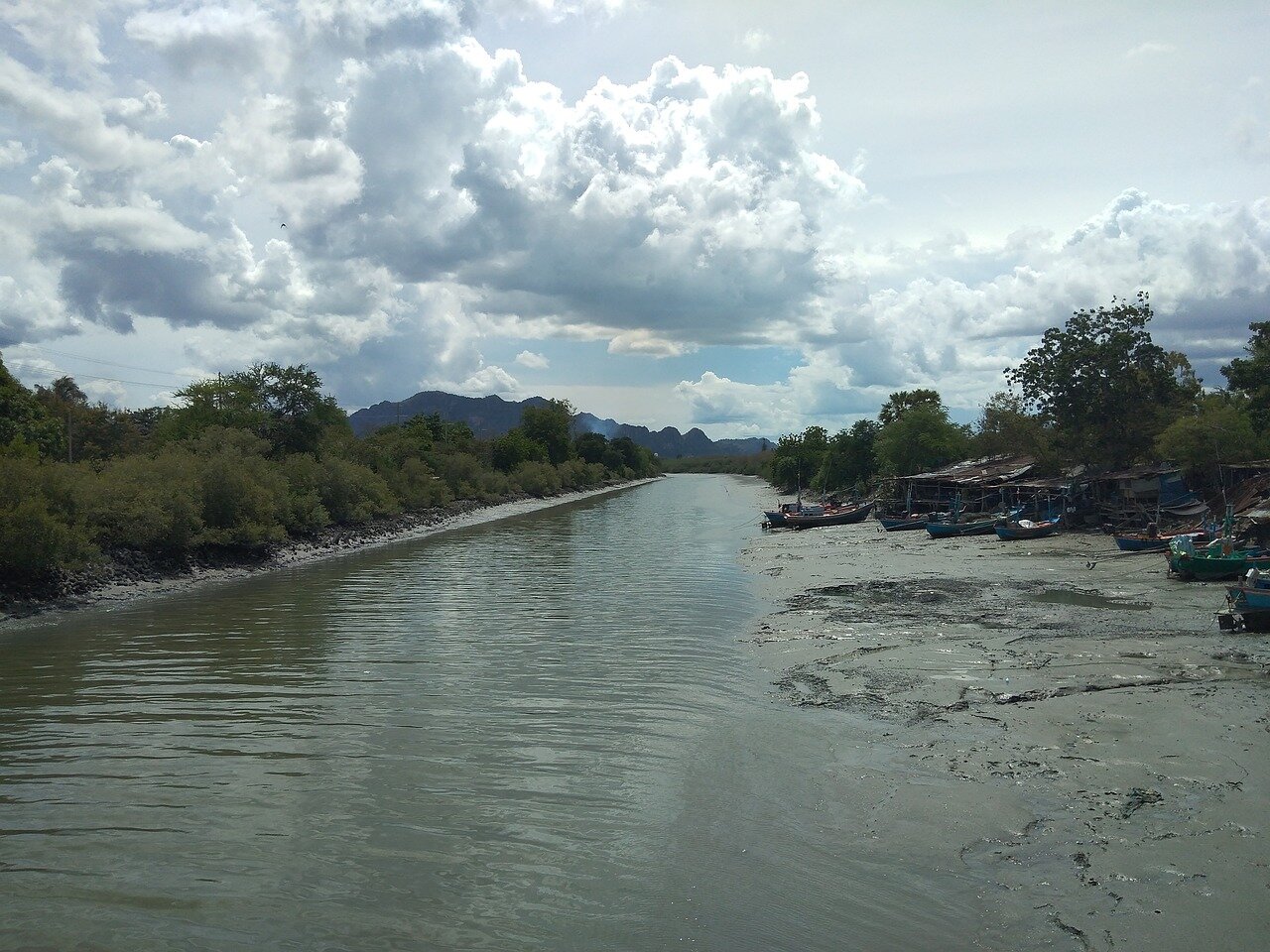
Socially, the loss of mangrove forests has had profound implications for coastal communities that rely on these ecosystems for their livelihoods. Fishermen have experienced declining fish stocks due to habitat loss, while communities have faced increased vulnerability to storms and rising sea levels. The traditional knowledge of using mangroves for resource management has been undermined, further exacerbating the challenges faced by these communities.
Key milestones in mangrove conservation
Despite the historical challenges, there have been significant milestones in the conservation of mangrove forests. The establishment of the Ramsar Convention in 1971 highlighted the importance of wetlands, including mangroves, leading to increased global awareness and efforts to protect these ecosystems. In recent years, initiatives such as the “Billion Tree Campaign” and various reforestation projects have gained momentum, demonstrating a growing recognition of the need to restore mangrove habitats. These efforts are crucial not only for ecological health but also for the resilience of coastal communities in the face of climate change, similar to exploring new opportunities in sustainable agriculture.
Key stakeholders involved in mangrove restoration efforts
Mangrove forests, which play a crucial role in coastal ecosystems, have faced significant threats due to human activities such as urban development, agriculture, and pollution. As these vital ecosystems begin to heal, understanding the key stakeholders involved in their restoration is essential for grasping the complexities of the situation.
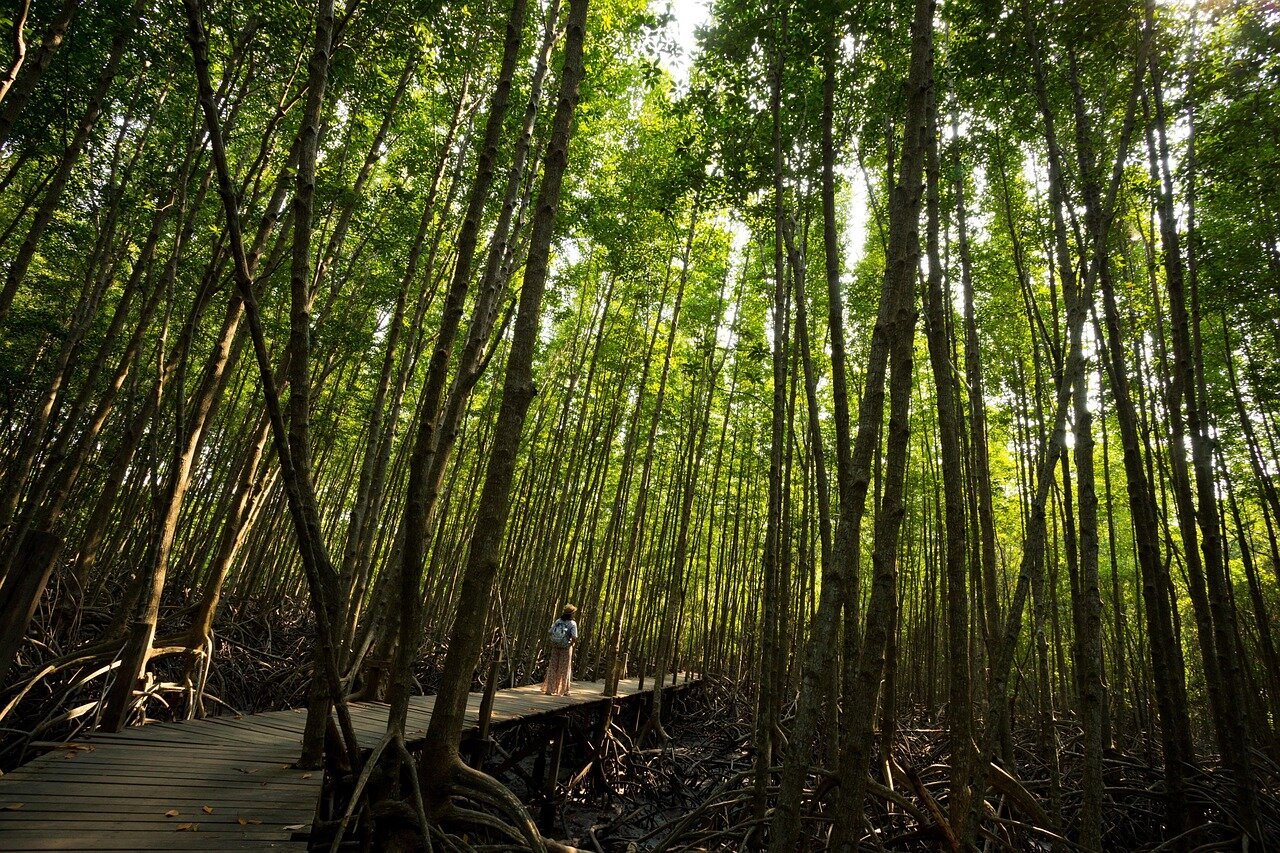
Local communities are among the primary stakeholders, as they rely on mangroves for their livelihoods, including fishing and tourism. Their interests often align with conservation efforts, as healthy mangrove ecosystems can enhance biodiversity and improve fish stocks. However, conflicts can arise when economic development projects threaten these habitats.
Government agencies also play a pivotal role in mangrove restoration. Various national and local governments have established policies aimed at protecting and restoring these ecosystems. Yet, the challenge lies in balancing economic growth with environmental sustainability. Legal frameworks may be inadequate, leading to enforcement issues and conflicts between conservation and development interests.
Non-governmental organizations (NGOs) are actively involved in advocating for mangrove restoration. They often work to raise awareness, mobilize resources, and implement restoration projects. These organizations face challenges such as securing funding and navigating the complexities of local governance. Their efforts can sometimes clash with governmental policies or corporate interests, particularly in areas where land use is contested.
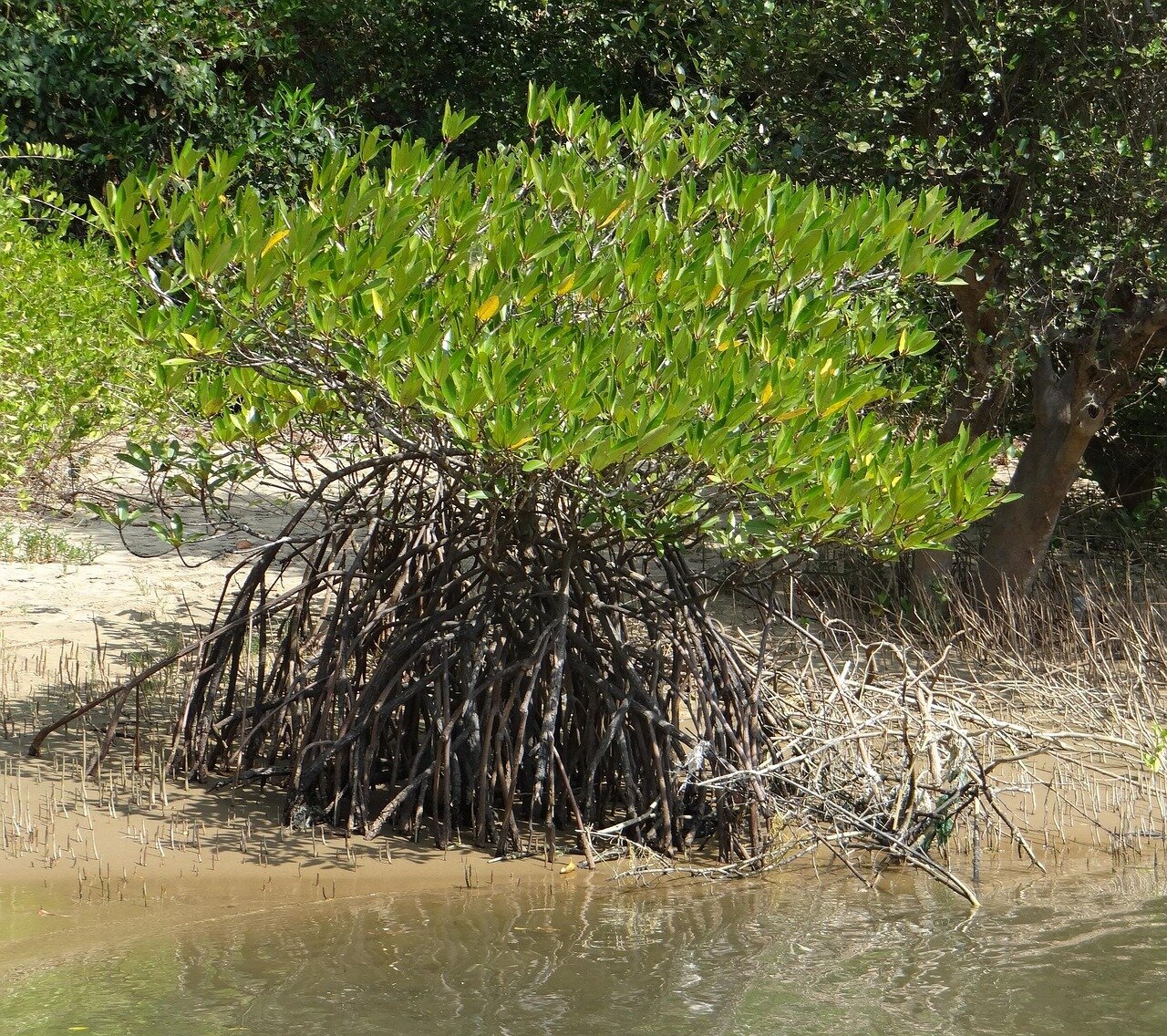
- Local communities: Depend on mangroves for livelihoods; support restoration but may face economic trade-offs.
- Government agencies: Responsible for policy-making; must balance economic development with conservation efforts.
- NGOs: Advocate for restoration; often face funding challenges and conflicts with local governance.
- Private sector: May invest in restoration for corporate social responsibility; can also pose threats through development projects.
- International organizations: Provide funding and expertise; their involvement can influence local practices and policies.
The impact of mangrove recovery on local communities and biodiversity
The recovery of mangrove forests brings a multitude of benefits to various groups, particularly local communities that rely on these ecosystems for their livelihoods. Fishermen, for instance, see an immediate positive impact as healthier mangroves provide essential habitats for fish species, leading to increased catches and improved food security.
Industries such as tourism and aquaculture are also affected. As mangroves regenerate, they enhance the natural beauty of coastal areas, attracting eco-tourism and providing opportunities for sustainable business practices. This shift can lead to job creation in sectors focused on conservation and sustainable resource management.
In the mid-term, the recovery of mangroves can influence local policies aimed at environmental protection. Governments may implement stricter regulations to preserve these ecosystems, which can lead to conflicts with industries that rely on coastal development. However, such policies can also foster collaboration between stakeholders, promoting sustainable practices that benefit both the economy and the environment.
- Short-term impacts: Increased fish populations, enhanced local tourism, and improved ecosystem services.
- Mid-term impacts: Policy changes favoring conservation, potential conflicts with development interests, and growth in sustainable industries.
- Risks: Over-reliance on mangroves for economic stability, potential displacement of communities due to conservation policies.
- Opportunities: Development of eco-friendly businesses, job creation in conservation efforts, and enhanced community resilience against climate change.
Overall, the healing of mangrove forests not only revitalizes local ecosystems but also reshapes the socio-economic landscape for communities that depend on these vital resources.
A: Mangrove forests are coastal ecosystems found in tropical and subtropical regions, characterized by salt-tolerant trees and rich biodiversity. A: They provide critical habitat for wildlife, protect coastlines from erosion, and serve as carbon sinks, mitigating climate change. A: Human activities such as deforestation, urban development, and pollution have significantly degraded mangrove ecosystems over the years. A: Various initiatives, including replanting programs and conservation policies, are being implemented globally to restore and protect mangrove habitats. A: Individuals can support conservation organizations, participate in local restoration projects, and advocate for sustainable coastal management practices.
Frequently asked questions about mangrove forests
Future outlook for mangrove ecosystems and conservation efforts
The resurgence of mangrove forests after years of degradation highlights the resilience of these vital ecosystems. With increased awareness and concerted conservation efforts, there is potential for mangroves to play a crucial role in combating climate change, protecting coastal communities, and preserving biodiversity. The ongoing recovery serves as a reminder of the importance of sustainable practices and the need for continued investment in restoration initiatives.
As stakeholdersfrom local communities to global organizationscome together to protect and revitalize mangrove habitats, several key areas warrant attention. Monitoring the effectiveness of restoration projects, engaging local populations in conservation efforts, and advocating for policies that prioritize ecosystem health will be essential in ensuring the long-term sustainability of these forests.
- Community Engagement: Involving local communities in conservation efforts can enhance the effectiveness and sustainability of restoration projects.
- Policy Development: Advocating for policies that support mangrove protection and restoration is crucial for long-term ecosystem health.
- Monitoring and Research: Continuous monitoring and research are necessary to assess the health of mangrove ecosystems and the success of restoration initiatives.
- Climate Resilience: Healthy mangrove forests can provide natural barriers against climate impacts, emphasizing their role in coastal protection.
- Global Collaboration: International cooperation will be vital in sharing knowledge and resources to enhance mangrove conservation efforts worldwide.