
The elephant was the subject of a legal battle initiated by the Nonhuman Rights Project, which argued that Happy should be granted legal personhood and moved to a sanctuary.
Happy’s passing has drawn attention from both supporters and critics of zoos. Many animal rights activists view her life in captivity as a case study in the need for reform, while zoo officials maintain that such facilities play a crucial role in conservation and education about endangered species.
The Bronx Zoo has expressed its condolences and stated that Happy was a beloved member of their community. As discussions continue, her legacy may influence future policies regarding the treatment of elephants and other wildlife in captivity.
The history of Happy and her significance at the Bronx Zoo
Happy, an Asian elephant, became a focal point in the conversation surrounding animal rights and captivity after being brought to the Bronx Zoo in 1977.
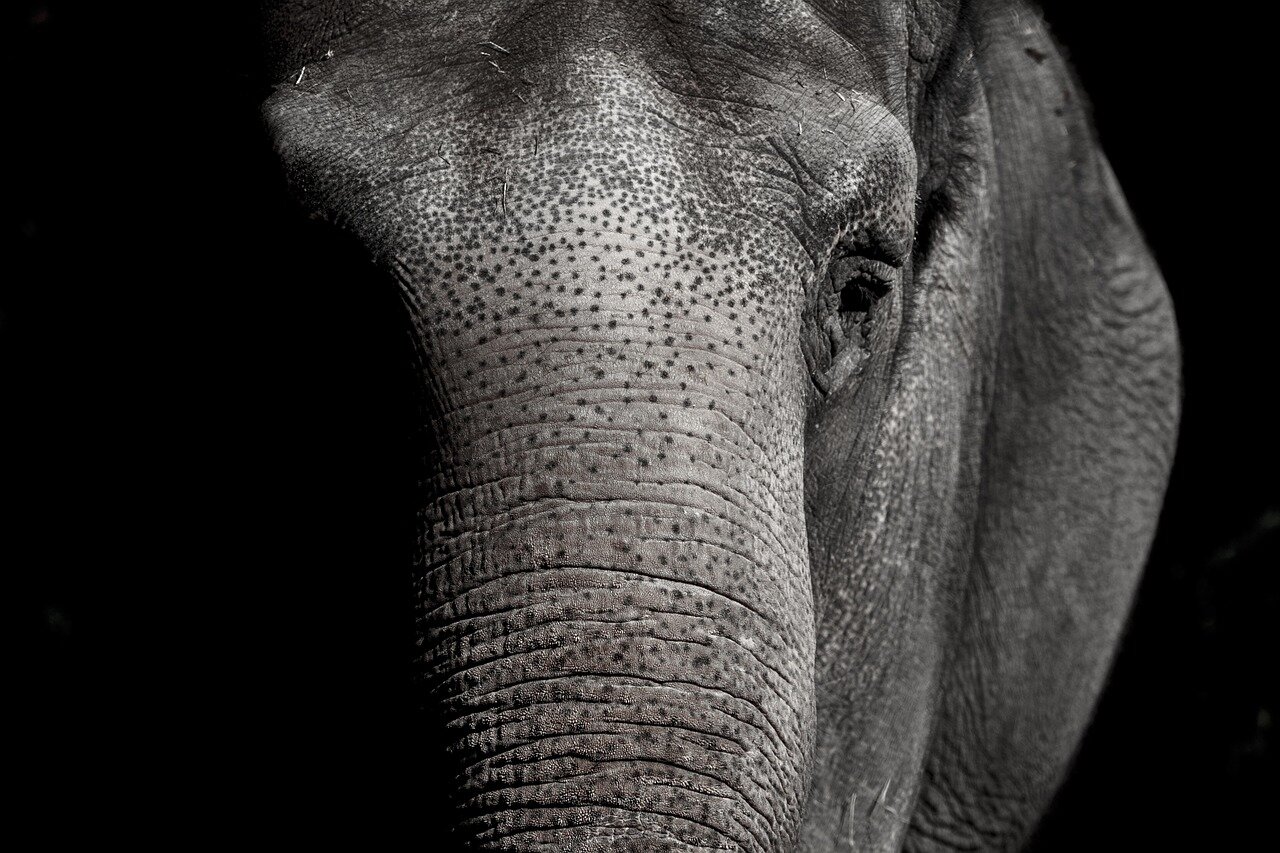
In 2020, an animal rights organization called the Nonhuman Rights Project filed a lawsuit to have Happy recognized as a legal person, arguing that she should be granted the right to live in a more natural environment rather than in captivity. This case was emblematic of a larger movement aimed at re-evaluating the ethical implications of keeping intelligent animals in confined spaces. The legal arguments highlighted not only Happy’s individual situation but also broader issues regarding the treatment of elephants and other animals in captivity.
Key Milestones in Animal Rights Advocacy
The case of Happy is part of a larger timeline of animal rights advocacy that has gained momentum over the past few decades, with notable milestones including the establishment of the Animal Welfare Act in 1966, which aimed to set standards for the care and treatment of animals in research and exhibition.
In recent years, several high-profile cases involving elephants and other large animals have brought attention to the inadequacies of zoo environments. These cases often serve as catalysts for change, prompting discussions about sanctuary options and the ethical treatment of animals. Happy’s situation has been particularly significant as it has sparked conversations about the legal rights of animals, pushing the boundaries of what is considered humane treatment in zoos.
As Happy’s story comes to a close, it serves as a reminder of the ongoing struggle for animal rights and the evolving understanding of animal welfare. Her life and the discussions it has inspired reflect a critical moment in the history of how society views and treats its non-human inhabitants.
Key stakeholders and the implications of Happy’s death
The passing of Happy, the Bronx Zoo elephant, has sparked a multifaceted discussion involving various stakeholders, each with distinct interests and motivations. These stakeholders include animal rights organizations, the Bronx Zoo, local government entities, and the general public. Each group is impacted by the legal and ethical implications surrounding Happy’s life and death.
Animal rights organizations, such as the Nonhuman Rights Project, have been at the forefront of advocating for Happy’s release from captivity. Their primary interest lies in challenging the legal status of animals as property, aiming to secure greater rights for non-human beings. The death of Happy may galvanize these organizations to intensify their campaigns, potentially leading to more significant legal battles over animal rights and welfare.
The Bronx Zoo, as the institution responsible for Happy’s care, faces scrutiny regarding its practices and the conditions in which animals are kept. The zoo’s interest is in maintaining its reputation and ensuring compliance with regulations. Happy’s death could prompt questions about the zoo’s animal care policies and financial implications, particularly if public sentiment shifts towards advocating for more humane treatment of captive animals.
- Legal implications: Happy’s case may influence ongoing legal discussions about animal rights and the status of animals in captivity.
- Economic considerations: The zoo may face financial repercussions if public support wanes, leading to decreased attendance and funding.
- Public sentiment: The general public’s reaction could impact future policies regarding animal welfare and the treatment of wildlife in captivity.
- Inter-organizational conflict: Disagreements may arise between animal rights advocates and zoo management over ethical standards.
- Legislative action: Happy’s death could catalyze lawmakers to consider new regulations governing animal captivity and welfare.
In summary, the implications of Happy’s death extend beyond the loss of a beloved animal, touching on critical legal, ethical, and economic issues that resonate within society. The stakeholders involved must navigate these complexities as they respond to the evolving conversation about animal rights and welfare in the context of captivity.
The impact of Happy’s passing on animal rights movements
The death of Happy, the Bronx Zoo elephant, resonates deeply within various groups, particularly animal rights activists, conservationists, and the general public concerned about animal welfare. Organizations advocating for animal rights may find renewed urgency in their campaigns, using her story to highlight the plight of elephants and other captive animals. This incident could galvanize supporters and attract new advocates, ultimately influencing public opinion and policy regarding animal captivity.
In the short term, Happy’s passing may lead to increased protests and calls for reform in zoos and aquariums across the country. Activists may push for stricter regulations on the treatment of captive animals, which could result in immediate changes in how institutions operate. Increased media coverage and public discourse surrounding her life and death may also lead to heightened awareness about the ethical implications of keeping large mammals in captivity.

In the mid-term, the impact could extend to the business of zoos and wildlife parks, as public sentiment shifts. Institutions that fail to adapt to changing attitudes about animal welfare may face declining attendance and financial support. Conversely, there may be opportunities for zoos that prioritize animal welfare and education, as they can attract visitors who are increasingly concerned about ethical treatment of animals.
- Animal Rights Activists: Expected to mobilize efforts for legislative changes.
- Zoos and Wildlife Parks: May face pressure to improve animal care standards.
- Public Awareness: Increased discussions about the ethics of captivity.
- Legislators: Potential for new policies aimed at protecting captive wildlife.
While the risks include potential backlash against traditional zoos, the opportunity lies in the possibility of redefining the role of such institutions in society. By embracing a model that prioritizes conservation and rehabilitation, zoos can evolve into centers of education and advocacy, fostering a deeper connection between the public and wildlife.
A: Happy was a symbol of the debate over animal rights and captivity, especially as she was involved in a legal case advocating for her relocation to a sanctuary. A: The exact cause of Happy’s death has not been disclosed yet, but she had been under veterinary care for various health issues. A: The Bronx Zoo may face increased scrutiny regarding its animal care practices and the future of its remaining elephants. A: Many animal rights activists and the general public have expressed their sorrow and called for reforms in how zoos care for elephants. A: No, Happy was one of several elephants at the Bronx Zoo, but she was the most well-known due to her legal case.
Frequently Asked Questions about Happy the Elephant
Key takeaways and future outlook on animal welfare
The passing of Happy, the Bronx Zoo elephant, marks a significant moment in the ongoing discourse surrounding animal rights and welfare. This case has not only highlighted the complexities involved in the treatment of captive animals but has also reignited discussions about the ethical implications of keeping wild animals in zoos. As society grapples with these issues, the legacy of Happy may influence future policies and public perceptions regarding animal captivity.
As we reflect on this event, it is essential to consider the broader implications for animal rights advocacy, the responsibilities of zoos, and the potential for legislative changes aimed at improving the lives of captive animals. The dialogue sparked by Happy’s life and death will likely shape future initiatives aimed at promoting animal welfare and ensuring that such tragedies are not repeated.
- Increased scrutiny of zoos: The case may lead to more rigorous assessments of animal welfare standards in zoos across the country.
- Advocacy for legislative change: Animal rights organizations may push for stronger laws governing the treatment of captive wildlife.
- Public awareness and engagement: Happy’s story could mobilize public interest in animal welfare, leading to greater support for sanctuaries and rehabilitation efforts.
- Shift in zoo practices: Zoos might reevaluate their roles and practices, focusing more on conservation and education rather than entertainment.