
This incident has raised concerns regarding the reliability of commercial spaceflight operations, particularly as NASA relies on partnerships with private companies for its Artemis program, which aims to return humans to the Moon by the mid-2020s. For further reading on related incidents, check out the article on Blue Origin rocket explosion during test in Florida.
NASA has stated that it is closely monitoring the situation and will evaluate the implications of the mishap on its own missions. The agency’s Artemis program is heavily dependent on successful collaborations with commercial partners, and any disruptions could lead to delays or require reassessments of current contracts and objectives.
Industry experts are analyzing the incident to understand its causes and implications for future missions. As commercial spaceflight becomes increasingly integral to national space initiatives, the importance of safety and reliability cannot be overstated, especially in the context of ambitious goals like lunar exploration.

Background on Nasa’s Moon mission and partnerships with private companies
NASA’s Artemis program aims to return humans to the Moon by the mid-2020s, marking the first crewed lunar landing since the Apollo missions of the late 1960s and early 1970s. This ambitious initiative not only seeks to establish a sustainable human presence on the Moon but also serves as a stepping stone for future crewed missions to Mars. The program represents a significant investment in space exploration, with a projected budget of over $35 billion through 2025.
In recent years, NASA has increasingly turned to private aerospace companies to leverage their innovation and efficiency. Partnerships with companies like SpaceX, Blue Origin, and others have been instrumental in advancing NASA’s goals. These collaborations aim to foster competition and reduce costs, while also enabling private companies to play a crucial role in space exploration, much like the challenges facing SpaceX.
The Role of Blue Origin
Blue Origin, founded by Jeff Bezos in 2000, has positioned itself as a key player in the private space sector, focusing on developing technologies to enable human access to space. The company has been involved in various projects, including its New Shepard suborbital vehicle and the New Glenn orbital rocket. Blue Origin’s bid for the HLS contract, however, was unsuccessful, leading to a legal battle that highlighted the competitive nature of the space industry. The recent rocket mishap during a test flight raises questions about the reliability of Blue Origin’s technology and its potential implications for NASA’s lunar ambitions.
The mishap also comes at a time when NASA is under pressure to maintain its schedule for the Artemis missions. Delays or complications arising from private contractors could jeopardize the timeline for returning astronauts to the Moon. As NASA continues to navigate its partnerships with private companies, the recent incident serves as a reminder of the risks associated with relying on commercial entities for critical space missions.

Key stakeholders and issues arising from the mishap
The recent mishap involving Blue Origin’s rocket has raised significant concerns among various stakeholders, including NASA, private space companies, government agencies, and the broader scientific community. Each of these actors has distinct interests that could be affected by the incident, particularly as it relates to lunar exploration and the future of commercial spaceflight.
NASA, as the primary agency responsible for the Artemis program, has a vested interest in ensuring that commercial partners like Blue Origin can deliver reliable and safe technology. The mishap may lead to delays in the timeline for lunar missions, impacting NASA’s goals for returning humans to the Moon by the mid-2020s. Additionally, the agency may have to reassess its reliance on private contractors, which could shift its approach to partnerships in future projects.
Private space companies, including competitors of Blue Origin, are also stakeholders in this situation. They may view the mishap as an opportunity to showcase their own reliability and safety records. However, there is also a risk that the incident could lead to increased scrutiny and regulation of the entire industry, which could stifle innovation and raise operational costs.
Key issues arising from this incident include:

- Regulatory Impact: Potential changes in regulations governing commercial spaceflight could result from increased scrutiny following the mishap.
- Economic Consequences: Delays in the Artemis program could have financial repercussions for contractors and suppliers involved in lunar missions.
- Public Perception: The incident may affect public confidence in commercial space ventures, influencing future funding and support.
- Technological Reliability: Questions about the reliability of new technologies developed by private companies may arise, impacting future contracts.
In summary, the Blue Origin rocket mishap has significant implications for various stakeholders involved in lunar exploration and commercial spaceflight. The interplay of interests and potential conflicts will shape the future landscape of space exploration, particularly as NASA seeks to achieve its ambitious goals for returning to the Moon and beyond.
Potential impacts on Nasa’s timeline and objectives
The recent mishap involving Blue Origin’s rocket has raised concerns about the timeline and objectives of NASA’s Artemis program, which aims to return humans to the Moon by the mid-2020s. This incident not only affects Blue Origin but also has wider implications for various stakeholders involved in space exploration.
Key groups affected include NASA, private aerospace companies, and contractors who rely on the successful launch and operation of commercial space vehicles. The incident could lead to delays in NASA’s planned missions, impacting not just the agency’s objectives but also the broader space economy.
- Short-term impacts: Immediate scrutiny on safety protocols and launch schedules.
- Mid-term impacts: Potential delays in the Artemis program and shifts in funding priorities.
- Risks: Increased costs and uncertainty in partnerships with private aerospace companies.
- Opportunities: Enhanced focus on innovation and safety improvements in rocket technology.
In the short term, the incident may lead to heightened regulatory oversight and a reevaluation of existing contracts. This could result in a slowdown of ongoing projects, affecting not only NASA but also the supply chain of companies involved in space technology.
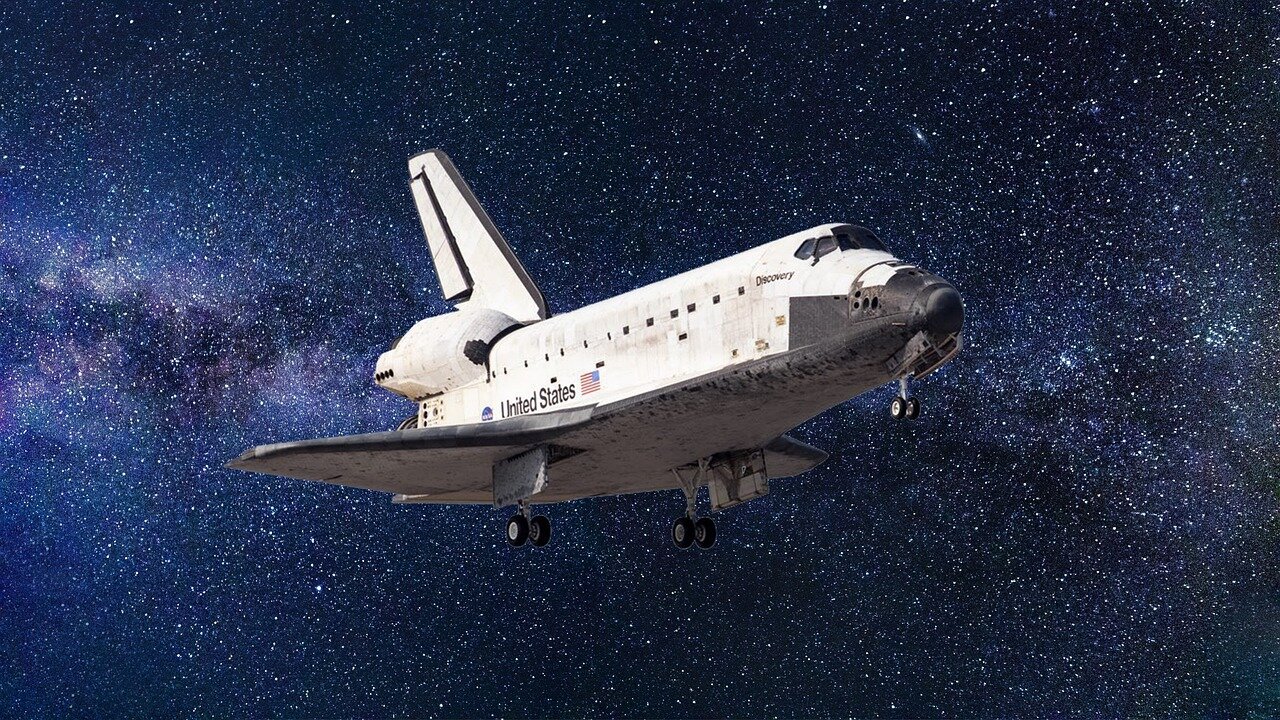
In the mid-term, the repercussions could extend to policy discussions regarding funding for space exploration. Lawmakers may prioritize safety and reliability, potentially redirecting funds from ambitious projects to bolster oversight and testing protocols.
While risks abound, there are also opportunities for growth in the aerospace sector. Companies may innovate to enhance safety features and reliability, which could ultimately lead to more resilient technologies and a stronger foundation for future missions, both to the Moon and beyond.
A: The Blue Origin rocket experienced a mishap during its launch, which led to an emergency landing. This incident raised concerns about the reliability of commercial spaceflight. A: The mishap could delay Nasa’s Moon mission as it relies on partnerships with private companies like Blue Origin for transportation and technology. A: Future missions might face increased scrutiny and regulatory measures, impacting timelines and budgets for projects involving commercial partners. A: While Nasa values its partnerships, this incident may prompt a review of safety protocols and the selection process for contractors. A: Blue Origin is conducting an investigation to determine the cause of the mishap and is committed to implementing necessary safety improvements before future launches.
Frequently asked questions about the Blue Origin incident and Nasa’s mission
Key takeaways and future outlook for Nasa’s Moon mission
The recent mishap involving Blue Origin’s rocket underscores the complexities and risks associated with space exploration, particularly as NASA prepares for its ambitious Moon mission. This incident not only raises questions about the reliability of commercial partners but also highlights the critical importance of rigorous testing and validation processes. As NASA moves forward, it will need to carefully assess its partnerships and ensure that all systems are robust and ready for the challenges of lunar exploration.
Looking ahead, the implications of this event could influence NASA’s timelines and strategies. Stakeholders will be closely monitoring how NASA adapts its approach in response to these developments, especially in terms of safety protocols and technological advancements.
- Increased scrutiny of commercial partnerships: NASA may reevaluate its collaborations with private companies to ensure they meet stringent safety and reliability standards.
- Potential delays in mission timelines: The incident could lead to reassessments of schedules and project milestones, affecting the overall timeline for lunar missions.
- Enhanced focus on safety protocols: There may be a renewed emphasis on safety measures and testing procedures to mitigate risks in future missions.
- Technological advancements: The need for innovation in rocket technology could accelerate research and development efforts, leading to more reliable systems.
- Public and stakeholder confidence: Maintaining transparency and communication will be crucial for NASA to uphold public trust and support for its lunar objectives.