
Recent reports indicate that SpaceX’s valuation has soared to approximately $137 billion, driven by its contracts with NASA and commercial partnerships. This growth underscores the increasing importance of the aerospace sector in the broader economy. For more insight into the role of government agencies in this sector, see our article on Understanding Family Business Conflicts in Times of War. However, the stakes are high; a failure in the upcoming missions could lead to substantial financial losses for investors who have bet heavily on the company’s future.
Moreover, the competitive landscape is intensifying, with other companies like Blue Origin and Boeing also vying for dominance in the space sector. As SpaceX continues to push the boundaries of technology, Wall Street faces a dilemma: the prospect of missing out on a potential game-changer could be as detrimental as the consequences of a significant setback. This duality of risk and opportunity is shaping the current investment climate, reminiscent of the challenges highlighted in the story of Universal Music Group’s rejection of Bill Ackman’s takeover bid.
In summary, the next few months will be critical for SpaceX, as the company aims to achieve its ambitious milestones while navigating the challenges of an evolving market. The outcome of its upcoming missions not only affects its own trajectory but also has broader implications for the future of space exploration and investment in the aerospace industry.
The Background of SpaceX’s Role in the Market
Since its founding in 2002 by Elon Musk, SpaceX has significantly altered the landscape of the aerospace industry. Initially, the company aimed to reduce space transportation costs and enable the colonization of Mars. However, its ambitious goals have evolved into a critical player in the commercial space sector, attracting substantial investment and interest from Wall Street and beyond. This transformation has created a unique dynamic where the stakes are high, and the potential for financial gain is enormous.
The rise of SpaceX coincided with a broader trend in the aerospace industry, where private companies began to challenge the dominance of government agencies like NASA. Notable milestones include the successful launch of the Falcon 1 in 2008, which marked the first privately developed liquid-fueled rocket to reach orbit. This achievement not only validated Musk’s vision but also opened the door for private sector involvement in space exploration and satellite deployment, leading to increased competition and innovation.
The Economic Impact of SpaceX
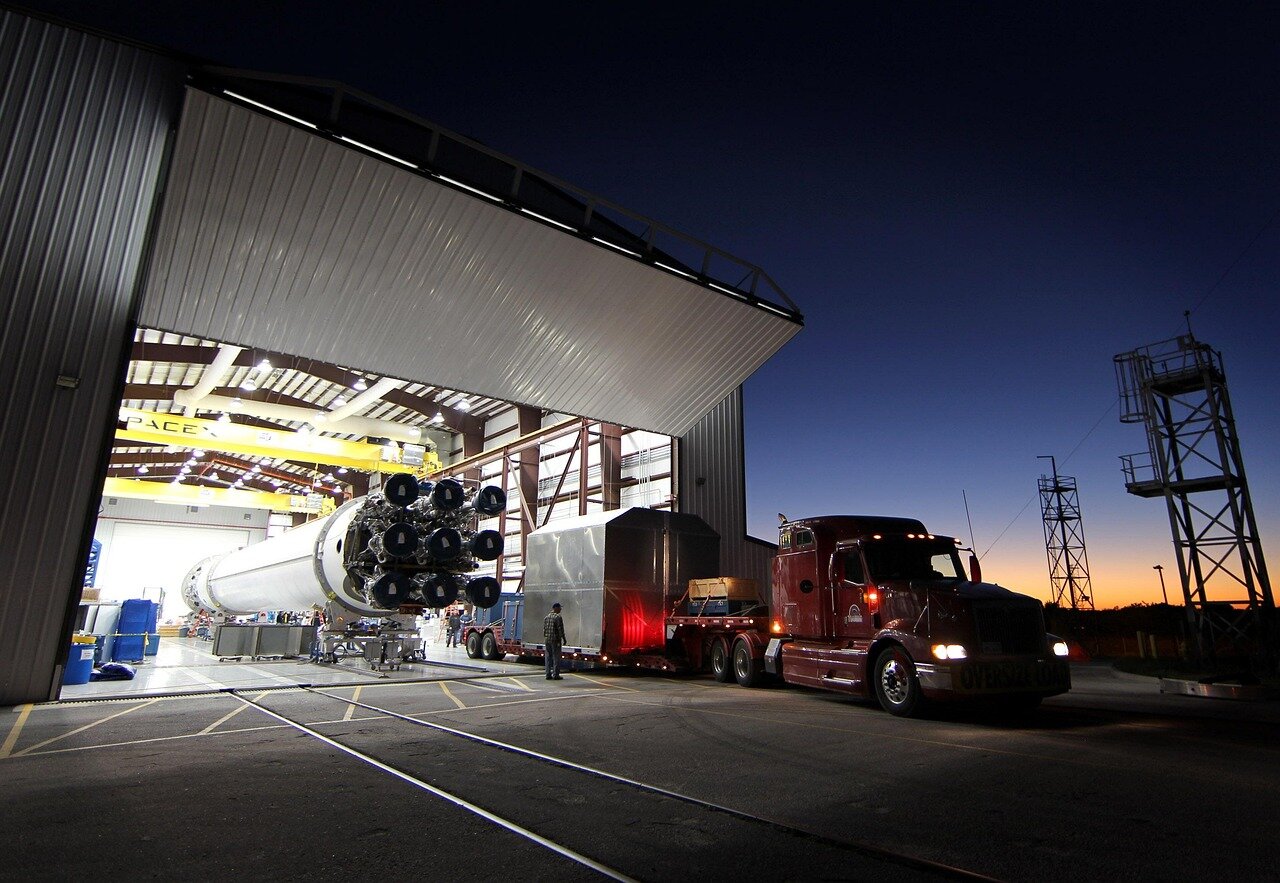
Economically, SpaceX has positioned itself as a leader in satellite launches, significantly impacting the costs associated with space access. The company’s reusable rocket technology has revolutionized the industry, allowing for multiple launches at a fraction of the traditional cost. For further context on the importance of innovative technologies in shaping industries, our article on Emily Blunt’s fear of AI is worth a read. This efficiency has attracted a range of clients, from telecommunications companies to national governments, eager to capitalize on lower launch prices. As a result, Wall Street has taken a keen interest in SpaceX, viewing it as a potential goldmine in a rapidly expanding market.
However, the stakes are not just financial; they are also political. As SpaceX continues to push the boundaries of what is possible in space, its successes and failures are closely watched by investors and policymakers alike. The potential for SpaceX to secure lucrative contracts with government agencies for missions to the Moon and Mars adds another layer of complexity to its market presence. For Wall Street, the fear of missing out on the next big breakthrough in space exploration is palpable, making SpaceX’s trajectory a focal point of investment strategies.
In summary, SpaceX’s journey from a startup to a dominant force in the aerospace industry exemplifies the intersection of innovation, economics, and politics. The company’s ability to attract investment and capture market share has reshaped perceptions of space travel, creating a scenario where Wall Street’s fortunes are inextricably linked to the successes and failures of this pioneering company.
Key Stakeholders and Issues Surrounding SpaceX
SpaceX operates within a complex ecosystem involving various stakeholders, each with distinct interests and concerns. The primary actors include SpaceX itself, investors, government agencies, competitors in the aerospace industry, and the general public. Understanding their motivations is crucial to grasping the broader implications of SpaceX’s success or failure.
SpaceX, led by CEO Elon Musk, is driven by the ambition to revolutionize space travel and reduce costs associated with launching payloads into orbit. The company seeks to maintain its competitive edge in the commercial space sector while pushing the boundaries of technology. Investors, including venture capitalists and public market participants, have a vested interest in the company’s financial performance and long-term viability, which is closely tied to successful launches and technological advancements.
Government agencies, particularly NASA and the Federal Aviation Administration (FAA), play a significant role in regulating space activities. Their interests include ensuring safety, compliance with international treaties, and fostering innovation in the aerospace sector. Conflicts may arise when regulatory hurdles impede SpaceX’s ambitious timelines or when public funds are allocated to support private ventures.
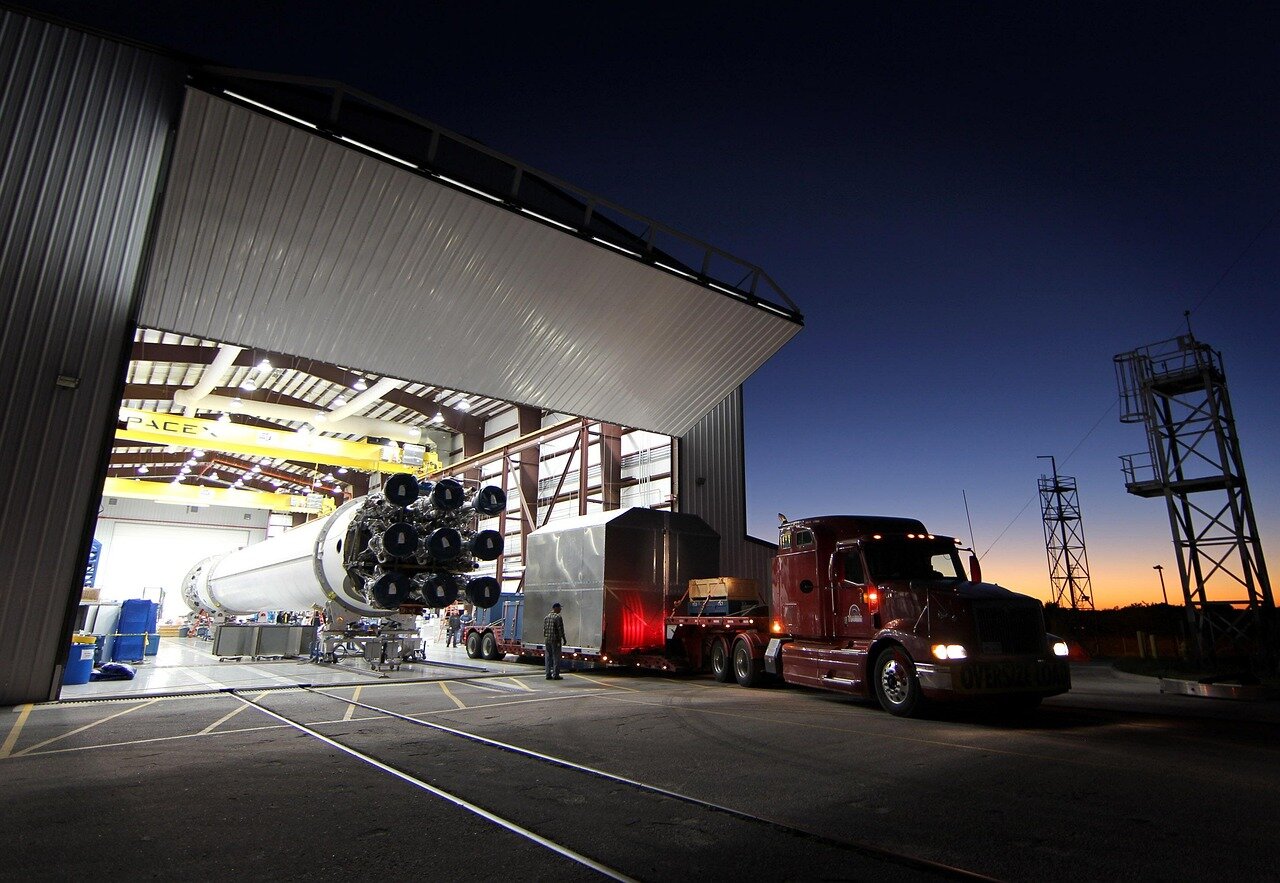
- Investment Risks: The potential for financial loss if SpaceX fails to deliver on its promises.
- Regulatory Challenges: Striking a balance between innovation and compliance with safety regulations.
- Market Competition: The threat posed by other aerospace companies that may capitalize on any SpaceX setbacks.
- Public Perception: The impact of public sentiment on government support and funding for space initiatives.
- Technological Dependencies: The reliance on advanced technologies that may not yet be fully developed or tested.
As SpaceX continues to push the envelope of space exploration, the interplay between these stakeholders will shape the future of the industry. The potential for conflict exists not only in the realm of financial stakes but also in the regulatory landscape that governs space travel. Understanding these dynamics is essential for anticipating the consequences of SpaceX’s ventures on Wall Street and beyond.
Market Implications of SpaceX’s Performance
The performance of SpaceX has far-reaching implications for various groups, industries, and regions. Investors, aerospace companies, and technology firms are all closely watching the developments surrounding SpaceX. The potential for success or failure can significantly impact stock prices, funding opportunities, and market confidence in the space industry.
In the short term, a successful launch or project completion can boost investor sentiment and lead to increased funding for aerospace startups. Conversely, if SpaceX faces setbacks, it could result in a temporary downturn in the market, affecting not just SpaceX but also its competitors and partners. Industries reliant on aerospace technology, such as telecommunications and satellite services, may also experience fluctuations in demand based on SpaceX’s performance.
In the mid-term, the implications extend to regulatory policies and international collaboration in space exploration. A failure could prompt stricter regulations or a reevaluation of public-private partnerships in the aerospace sector. On the other hand, successful missions could lead to more favorable policies, encouraging investment and innovation in space technology.
- Investors: Risk of losing capital versus opportunities for high returns.
- Aerospace Industry: Potential for growth or contraction based on SpaceX’s trajectory.
- Technology Firms: Opportunities to collaborate or innovate based on advancements in space tech.
- Regulatory Bodies: Influence of SpaceX’s success on policy-making and international agreements.
Overall, the stakes are high for all involved, with both risks and opportunities shaping the landscape of the aerospace market as SpaceX continues to push the boundaries of space exploration.
A: Wall Street is primarily concerned about the financial stability of SpaceX and its ability to deliver on ambitious projects. Investors fear that a failure could lead to significant losses. A: SpaceX’s performance can influence investor confidence in the aerospace sector, affecting stock prices of related companies and overall market sentiment. A: Investing in SpaceX could yield high returns if the company successfully achieves its goals, such as launching missions to Mars or expanding satellite internet services. A: Missing out on SpaceX’s potential breakthroughs could mean losing out on significant investment opportunities in a rapidly evolving industry, where early investors may reap substantial rewards. A: Investors should assess their risk tolerance, the volatility of the aerospace market, and SpaceX’s track record before making investment decisions.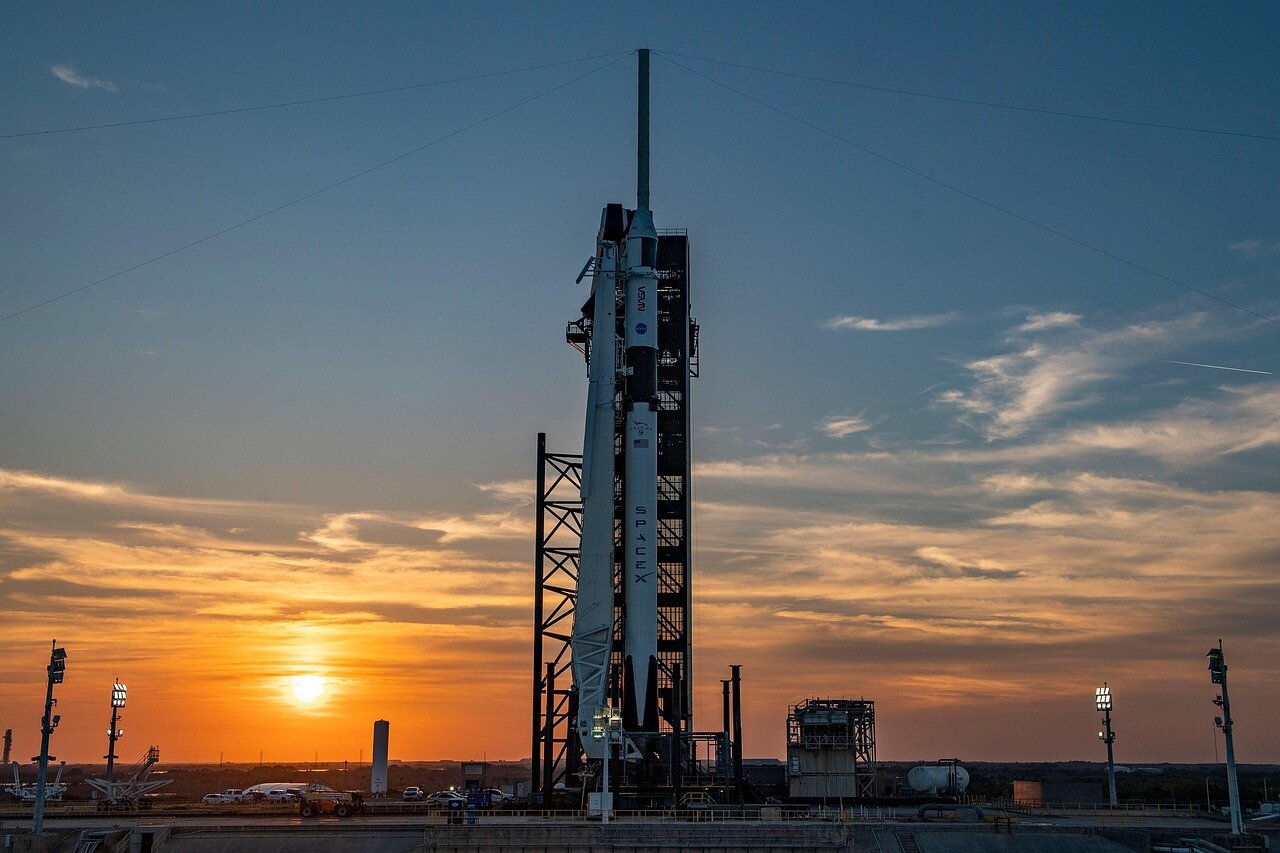
Frequently Asked Questions about SpaceX and Wall Street
Future Outlook and Key Takeaways for Investors
The ongoing developments at SpaceX present both challenges and opportunities for Wall Street investors. As SpaceX continues to push the boundaries of aerospace technology, the stakes are high. A potential failure could lead to significant financial repercussions, yet missing out on its success could be even more detrimental. Investors must carefully weigh their options as they navigate this volatile landscape.
Monitoring SpaceX’s upcoming launches and technological advancements will be crucial. Additionally, the broader implications for the aerospace sector and related industries should not be overlooked. Companies that align their strategies with the evolving space economy may find themselves at a competitive advantage.
- Watch for Launch Schedules: Keep an eye on SpaceX’s launch calendar, as successful missions can drive stock performance and investor confidence.
- Evaluate Industry Trends: Analyze how SpaceX’s innovations affect the aerospace market and related sectors, particularly satellite communications and space tourism.
- Consider Investment Diversification: Investors should consider diversifying their portfolios to mitigate risks associated with potential setbacks in SpaceX’s operations.
- Monitor Regulatory Developments: Changes in regulations regarding space exploration and satellite deployment could impact SpaceX and its competitors significantly.