
Critics have raised issues related to the potential impact on local infrastructure and the environment, as the influx of thousands of attendees could strain public services. Additionally, there are worries about the safety and security of participants and spectators, particularly in light of recent global events that have heightened awareness around large gatherings. These concerns have prompted discussions among city officials and event organizers to ensure adequate measures are in place, similar to those discussed in recent health initiatives.
Moreover, the decision to host the event in Paris has sparked debates about inclusivity and accessibility for all participants. While Paris is a well-connected city, there are questions about how the event will cater to diverse audiences, including those with disabilities. Ensuring that the venue meets these needs is crucial for the success of the event.
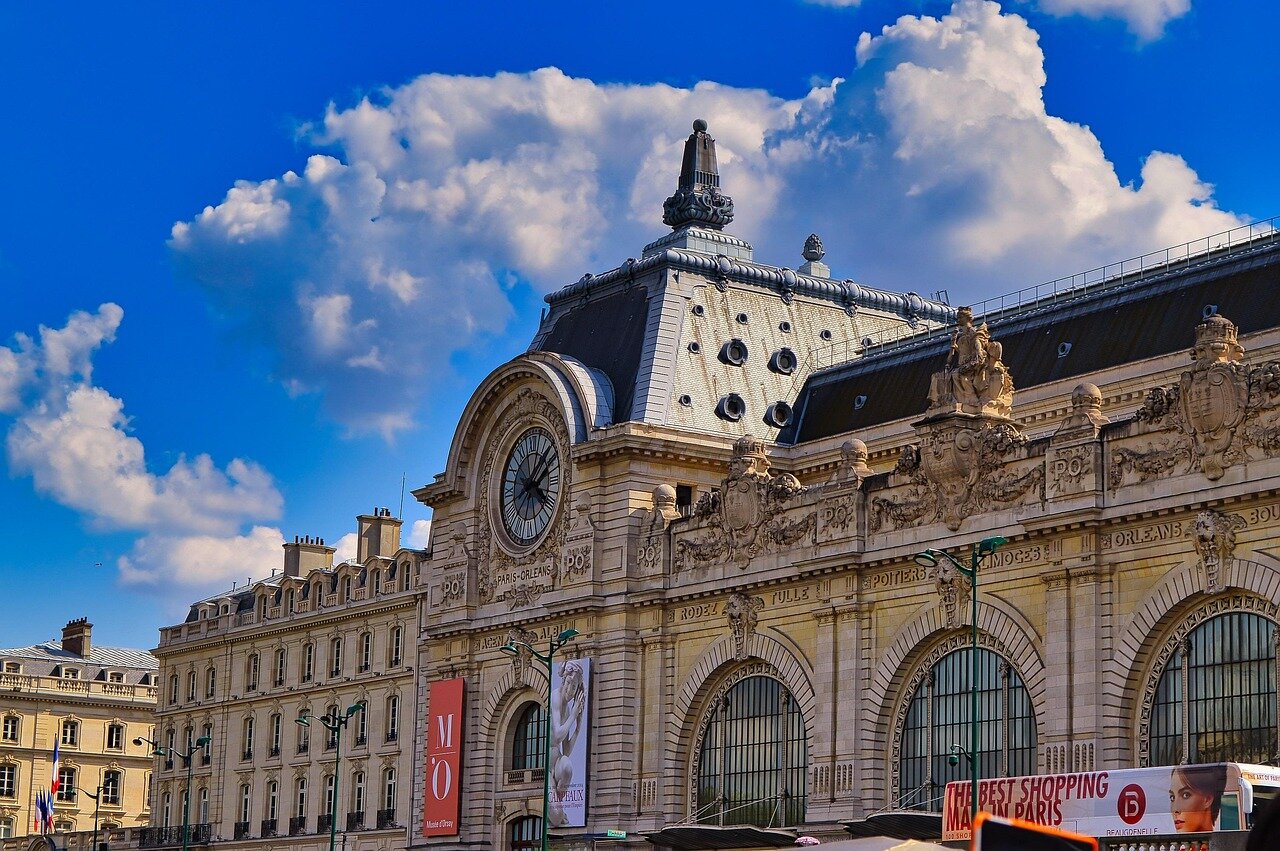
As the planning progresses, key stakeholders, including game developers, sponsors, and local authorities, are collaborating to create a safe and engaging environment for all involved. The outcome of these discussions will play a significant role in shaping the future of esports in the region and could set precedents for future international competitions.
Understanding the background of the Esports World Cup
The Esports World Cup has evolved significantly since its inception, mirroring the rapid growth of competitive gaming as a legitimate sport. Initially, esports were seen as niche entertainment, primarily appealing to a small demographic of gamers. However, with advancements in technology and the rise of streaming platforms, the audience for esports has exploded, leading to increased interest from sponsors, investors, and even traditional sports organizations.
Historically, the first major esports tournaments date back to the late 1970s and early 1980s, with events like the Space Invaders Championship in 1980. However, it wasn’t until the 2000s that esports began to gain traction on a global scale, particularly with the rise of games like StarCraft and Counter-Strike. The establishment of professional leagues and international competitions, such as the League of Legends World Championship, set the stage for what would eventually become the Esports World Cup.

The Impact of Location
However, moving the event to such a prominent city raises concerns about accessibility, inclusivity, and the potential commercialization of the esports culture. Critics argue that while Paris offers a glamorous backdrop, it may not address the underlying issues of affordability and representation within the esports community, which are echoed in debates surrounding corporate responsibility.
The political landscape surrounding esports is also complex. Various governments are beginning to recognize esports as a legitimate sector that can contribute to economic growth. However, this recognition comes with challenges, including regulatory concerns and the need for infrastructure that can support large-scale events. The decision to host the Esports World Cup in Paris may reflect a broader strategy to align esports with traditional sports, yet it must not overshadow the voices of those who advocate for a more grassroots approach to the industry.
As the esports industry continues to mature, the conversation around major events like the Esports World Cup must remain multifaceted. While the allure of hosting in a city like Paris is undeniable, it is crucial to consider the implications of such a move on the community that has built the foundation of esports. Balancing prestige with the core values of accessibility and community engagement will be essential in shaping the future of the Esports World Cup.

Key issues and stakeholders involved in the event
The decision to move the Esports World Cup to Paris has sparked a myriad of discussions among various stakeholders. Key players in this scenario include event organizers, local government officials, esports teams, sponsors, and the gaming community at large, similar to what has been observed in the public reactions to controversial television events. Each group has its own interests and concerns that must be taken into account.
Event organizers are primarily focused on the logistical aspects of hosting a large-scale event, including venue selection, security measures, and audience engagement. Their goal is to create an unforgettable experience that attracts fans and participants alike. However, the choice of Paris raises questions about accessibility and the potential for increased costs, which could affect attendance and participation.
Local government officials in Paris have a vested interest in ensuring that the event boosts tourism and the local economy. The influx of visitors can provide significant economic benefits, but it also brings challenges, such as traffic congestion and the need for adequate public services. Balancing these factors is crucial for the success of the event and the satisfaction of local residents.

- Economic Impact: The potential for increased tourism revenue versus the costs associated with hosting the event.
- Community Concerns: Local residents may have concerns about noise, security, and disruption during the event.
- Accessibility: Ensuring that the venue is accessible to all participants and fans, regardless of their background.
- Environmental Considerations: The ecological footprint of hosting a large-scale esports event in a major city.
- Regulatory Compliance: Adhering to local laws and regulations regarding large gatherings and events.
Esports teams and players are also significant stakeholders, as they seek fair competition and recognition in a rapidly growing industry. Concerns about the integrity of the event, including issues related to cheating and player welfare, must be addressed to maintain the credibility of the esports community. Additionally, sponsors are keenly interested in the visibility and branding opportunities that come with the event, but they also need assurance that their investments will yield positive returns.
The impact of the event on local communities and the esports market
Relocating the Esports World Cup to Paris will have a significant impact on various stakeholders, including local businesses, the gaming community, and the tourism sector. The influx of visitors for the event can stimulate economic activity, yet it also raises concerns about infrastructure strain and community disruption.
Local communities may experience both positive and negative effects. On the one hand, increased foot traffic can benefit restaurants, hotels, and shops, creating short-term economic opportunities. On the other hand, there may be disruptions to daily life due to increased traffic and noise, leading to potential pushback from residents.

From a broader perspective, the esports market could see a mid-term boost in visibility and engagement. Hosting such a high-profile event may attract new sponsors and investors, further legitimizing esports as a mainstream entertainment industry. However, this opportunity comes with risks, including the potential for backlash if the event does not address concerns around inclusivity and accessibility.
- Economic opportunities: Increased revenue for local businesses and tourism.
- Infrastructure strain: Potential challenges for transportation and public services.
- Community backlash: Possible resistance from residents due to disruptions.
- Market legitimacy: Enhanced visibility for the esports industry.
- Investor interest: Opportunities for new sponsorships and partnerships.
In conclusion, while the relocation of the Esports World Cup to Paris presents exciting opportunities for growth and engagement in the esports sector, it is crucial to balance these benefits with the concerns of local communities and the need for responsible event management.
A: Concerns include potential disruptions to local communities, security issues, and the environmental impact of hosting such a large event. A: Participants and fans may face logistical challenges, including travel and accommodation issues, which could affect attendance and overall experience. A: Organizers are working with local authorities to implement security protocols and community engagement initiatives to mitigate potential issues. A: Paris was selected for its rich cultural history, infrastructure, and the city’s growing reputation as a hub for esports events. A: The event is expected to boost local businesses, increase tourism, and generate significant revenue for the city.
Frequently asked questions about the Esports World Cup
Key takeaways and future outlook for the event
Relocating the Esports World Cup to Paris presents a unique opportunity to showcase the growing significance of esports on a global stage. However, this move should not overshadow the valid concerns surrounding the event, including accessibility, inclusivity, and the potential for commercialization to dilute the competitive spirit. Stakeholders must remain vigilant and proactive in addressing these issues to ensure a successful and responsible event.
As the esports community prepares for this high-profile gathering, it is essential to monitor how organizers balance fan engagement with ethical considerations. The event’s success will depend on their ability to create an environment that is welcoming to all participants while maintaining the integrity of the competition.
- Watch for initiatives aimed at enhancing accessibility for diverse audiences, ensuring that the event is inclusive for all fans.
- Observe how organizers manage sponsorships and partnerships to prevent commercialization from overshadowing the competitive essence of esports.
- Pay attention to community feedback mechanisms that allow players and fans to voice their concerns and suggestions during the planning process.
- Consider the implications of hosting the event in a major city like Paris on local esports infrastructure and its long-term development.
- Evaluate the effectiveness of safety and security measures in place to protect participants and attendees during the event.