
The updated Starship, which is intended to carry both crew and cargo, has undergone several modifications aimed at enhancing its performance and safety. SpaceX has been working closely with NASA and other partners to ensure that the rocket meets the rigorous standards required for future deep-space missions. The successful launch of Starship is critical for SpaceX’s goal of establishing a sustainable human presence beyond Earth, as highlighted in our article on SpaceX’s significant milestone with Starship rocket flight.
This launch attempt was part of a series of test flights that SpaceX has been conducting to validate the rocket’s capabilities. The company had previously conducted a high-altitude flight test in April 2023, which provided valuable data but also highlighted areas needing improvement. The ongoing development and testing of Starship are essential not only for SpaceX but also for the broader aerospace industry as it seeks to push the boundaries of space travel.
As the aerospace community watches closely, the implications of these delays are significant. Each scrubbed launch adds pressure to SpaceX’s timeline, especially with NASA’s Artemis program aiming to return humans to the Moon by the mid-2020s. Stakeholders and enthusiasts alike are eager to see the updated Starship take flight, as its success could redefine space exploration and commercial space travel.
Understanding the background of the Starship program
The Starship program, initiated by SpaceX, represents a significant leap in aerospace engineering and ambitions for interplanetary travel. Since its inception, the program has aimed to develop a fully reusable spacecraft capable of carrying humans and cargo to destinations like Mars and beyond. This vision is rooted in SpaceX’s broader goal of making space travel more accessible and sustainable, a mission championed by the company’s founder, Elon Musk.
Historically, SpaceX has made headlines with its innovative approaches to rocket technology, including the Falcon 1, Falcon 9, and Falcon Heavy. Each of these milestones laid the groundwork for the more advanced Starship. The first successful flight of the Falcon 1 in 2008 marked SpaceX’s entry into the aerospace industry, which was followed by the groundbreaking reuse of the Falcon 9’s first stage in 2015, significantly reducing the cost of access to space.
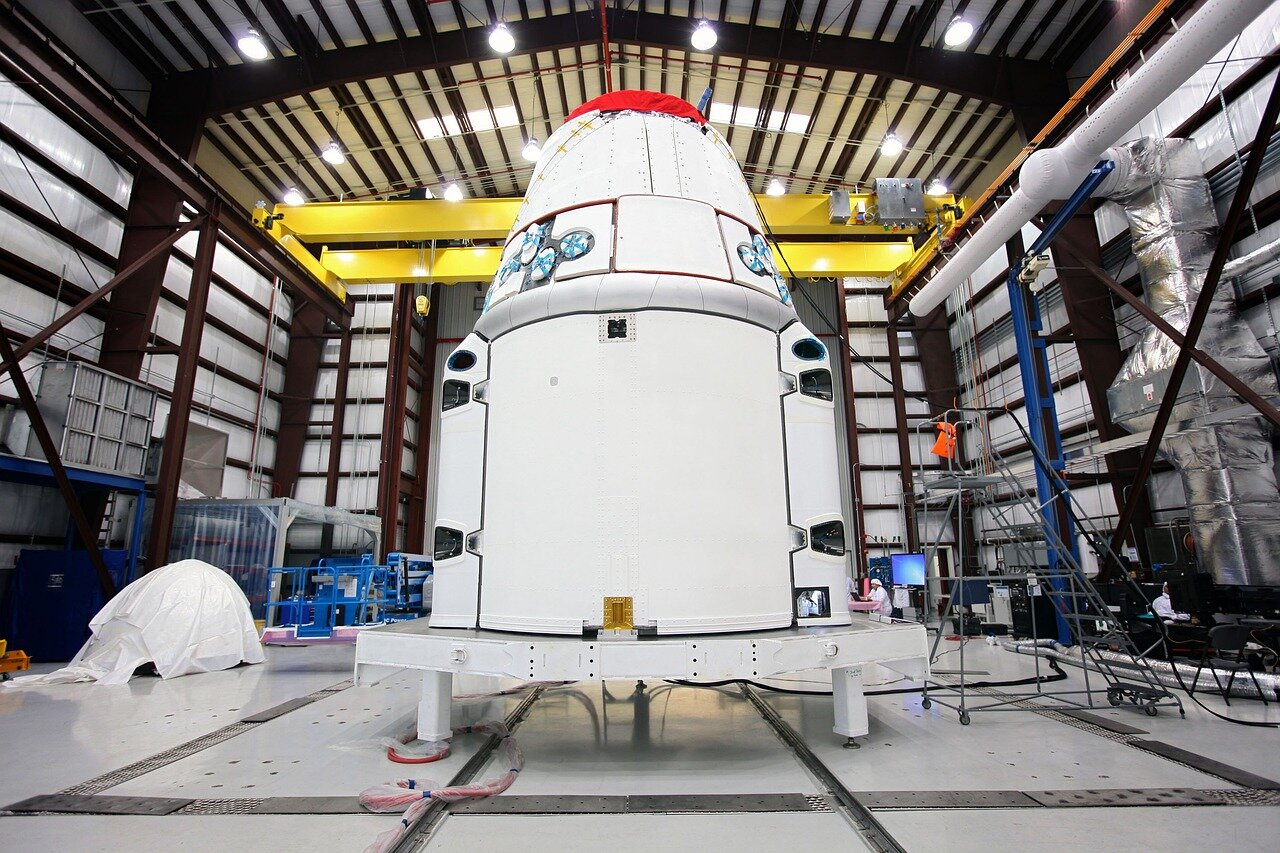
Key Milestones in the Starship Development
In 2019, SpaceX unveiled the Starship prototype designs, which underwent a series of test flights, each providing crucial data for improvements. The first high-altitude flight tests in late 2020 and early 2021 demonstrated the vehicle’s capabilities, but not without setbacks, including explosions during landing attempts. These tests, however, were instrumental in refining the design and operational protocols of the spacecraft, emphasizing the importance of iterative testing in aerospace, a principle seen in other innovations such as the Sonos Play devices.
The political and regulatory landscape surrounding space exploration has also influenced the Starship program. The Federal Aviation Administration (FAA) plays a critical role in overseeing launch operations, and SpaceX has faced scrutiny regarding safety and environmental impacts. These regulatory hurdles have sometimes delayed launch schedules, as seen in the recent scrubbing of a launch attempt, which underscores the complexities of balancing innovation with compliance.
Economically, the Starship program is positioned within a growing commercial space sector that has attracted significant investment and competition. As private companies increasingly collaborate with government agencies like NASA, the race for technological supremacy in space has intensified. SpaceX’s Starship is not only a testament to the company’s ambitions but also a reflection of the broader evolution of space exploration as a commercial enterprise.
Key stakeholders and issues surrounding the launch delay
The recent decision by SpaceX to scrub the launch attempt of its updated Starship rocket has drawn attention from various stakeholders, each with distinct interests and concerns. Key actors in this scenario include SpaceX, regulatory bodies, investors, and the scientific community, all of whom have vested interests in the successful deployment of this advanced space vehicle.
SpaceX, led by CEO Elon Musk, aims to revolutionize space travel and establish a sustainable human presence on Mars. The company’s interests are deeply tied to the timely and successful launch of the Starship, which is intended to carry cargo and passengers into orbit and beyond. Any delays can impact their long-term goals, including planned missions and contracts with NASA and other organizations, similar to how updates in League of Legends can shape competitive strategies.
Regulatory bodies, particularly the Federal Aviation Administration (FAA), play a crucial role in this context. They are responsible for ensuring safety and compliance with national and international laws governing space launches. Their scrutiny can lead to delays, especially if safety concerns arise or if environmental assessments are required. This creates a tension between SpaceX’s rapid development ethos and the regulatory frameworks that govern aerospace activities.
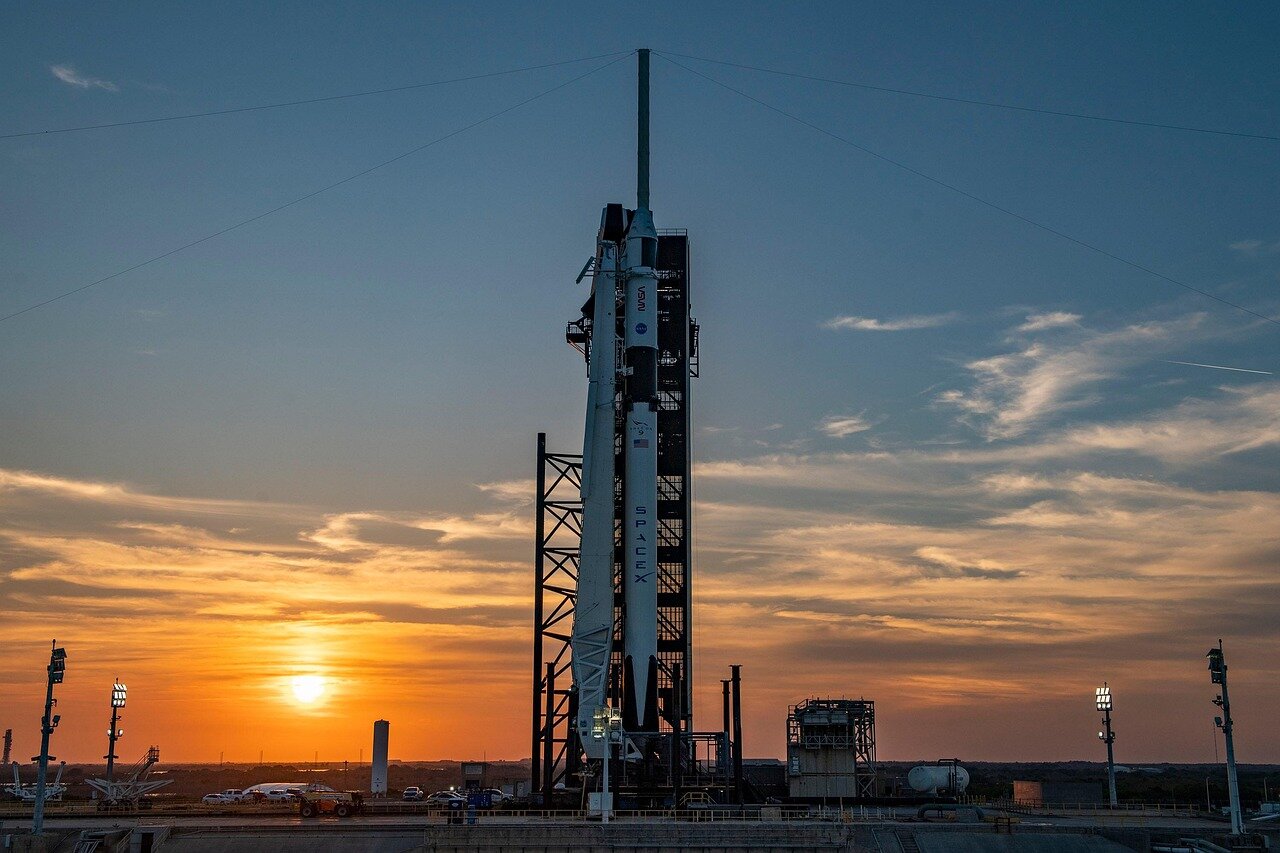
Investors in SpaceX, including venture capitalists and institutional investors, have a financial stake in the company’s success. Delays in launch schedules can affect stock valuations and investor confidence. Furthermore, the economic implications of these delays may extend to the broader aerospace industry, which relies on the successful deployment of new technology to drive innovation and growth.
- Regulatory Compliance: The need for adherence to safety and environmental regulations can impact launch schedules.
- Investor Confidence: Delays may lead to a decline in investor trust and potential funding challenges.
- Technological Advancements: The success of the Starship is critical for future advancements in space travel.
- Public Perception: Frequent delays could affect public interest and support for space exploration initiatives.
- International Competition: Delays may hinder SpaceX’s competitive edge against other global space agencies and private companies.
The impact of the scrubbed launch on the space industry
The recent scrub of SpaceX’s updated Starship rocket launch has significant implications for various stakeholders in the space sector. Key groups affected include aerospace manufacturers, satellite operators, and governmental space agencies, all of whom closely monitor SpaceX’s advancements. The ripple effects of this delay can be felt across multiple industries that rely on satellite technology and space exploration.
In the short term, the postponement may disrupt planned satellite deployments and scientific missions that were scheduled to utilize the capabilities of the Starship. Companies relying on timely launches to maintain their competitive edge or fulfill contractual obligations may face delays, resulting in financial ramifications. Additionally, the uncertainty surrounding future launch windows can impact investor confidence in emerging space ventures.
In the mid-term, the implications extend to policy discussions regarding space regulation and safety standards. As SpaceX continues to innovate, regulatory bodies may be prompted to reassess existing frameworks to ensure that safety and environmental concerns are adequately addressed. This could lead to new policies that affect not only SpaceX but the broader aerospace industry.
- Risks: Delays in satellite deployment, financial losses for companies, and potential regulatory changes.
- Opportunities: Increased collaboration among space firms, potential for innovation in launch technologies, and new market openings for satellite services.
Furthermore, the scrubbed launch may present opportunities for other companies in the space sector. Competitors could leverage the situation to position themselves as viable alternatives for satellite launches, potentially capturing market share from SpaceX. This dynamic could foster a more competitive environment, encouraging innovation and potentially lowering costs for customers.
Frequently asked questions about the launch delay
A: The launch was postponed due to unforeseen technical issues that needed to be addressed to ensure safety and mission success.
A: SpaceX has not announced a specific date for the next launch attempt, but they are working diligently to resolve the issues.
A: The updated Starship rocket aims to enhance payload capacity, improve reusability, and support missions to the Moon and Mars.
A: This delay may impact the timeline for future missions, including crewed flights, but SpaceX remains committed to its long-term goals.
A: SpaceX follows rigorous safety protocols, including extensive testing and real-time monitoring, to ensure the safety of all missions.
Looking ahead: future implications for SpaceX and space exploration
The recent scrub of the updated Starship rocket launch highlights both the complexities involved in advanced space missions and the rigorous safety protocols that SpaceX adheres to. As the company continues to refine its technology, the implications for future launches and broader space exploration initiatives remain significant. Each setback provides valuable lessons that can enhance operational efficiency and safety in subsequent attempts.
Observers should consider how this delay might affect SpaceX’s timeline for upcoming missions, including those aimed at lunar and Martian exploration. The focus will likely shift towards addressing the technical challenges identified during this launch attempt, which could lead to innovations that enhance the overall reliability of the Starship program.
- Increased scrutiny on safety protocols: Future launches may see more rigorous checks and balances as SpaceX aims to ensure mission success.
- Impact on timelines: Delays in the Starship program could affect planned missions, including crewed flights to the Moon and Mars.
- Potential for technological advancements: Lessons learned from this scrub may lead to improvements in rocket design and launch procedures.
- Market implications: Stakeholders will be closely watching how this affects SpaceX’s contracts with NASA and other commercial partners.
- Public perception: Continued setbacks may influence public confidence in SpaceX’s capabilities, making communication and transparency crucial.