
In September 2023, the 75th Primetime Emmy Awards showcased a notable change in the nominations and winners for both talk and scripted variety shows. With the rise of streaming platforms and digital content, shows like “The Daily Show” and “Last Week Tonight with John Oliver” continued to dominate, while newer contenders emerged, challenging established norms and expectations. For further insights on the evolution of entertainment, check out our article on The Power of Storytelling in Promoting Sustainability.
Despite these shifts, the format of the awards ceremony itself has been criticized for feeling outdated and clunky. Viewers have expressed a desire for a more dynamic presentation that reflects the fast-paced nature of modern entertainment, yet the Academy has struggled to adapt its traditional approach to meet these demands.
The ongoing evolution of the Emmys highlights the tension between honoring legacy shows and embracing new voices in the industry. As the landscape of television continues to change, the Academy’s decisions will play a crucial role in shaping the future of awards recognition in both talk and scripted variety genres.
Understanding the historical context of the Emmys and variety shows
The Emmy Awards, established in 1949, have long celebrated excellence in television, with a particular focus on scripted and unscripted programming. Over the decades, variety shows have played a significant role in shaping the television landscape, providing a platform for comedy, music, and cultural commentary. However, as the television industry evolved, the categories and recognition of such programming have faced ongoing scrutiny and adaptation, reflecting broader shifts in audience preferences and industry standards.
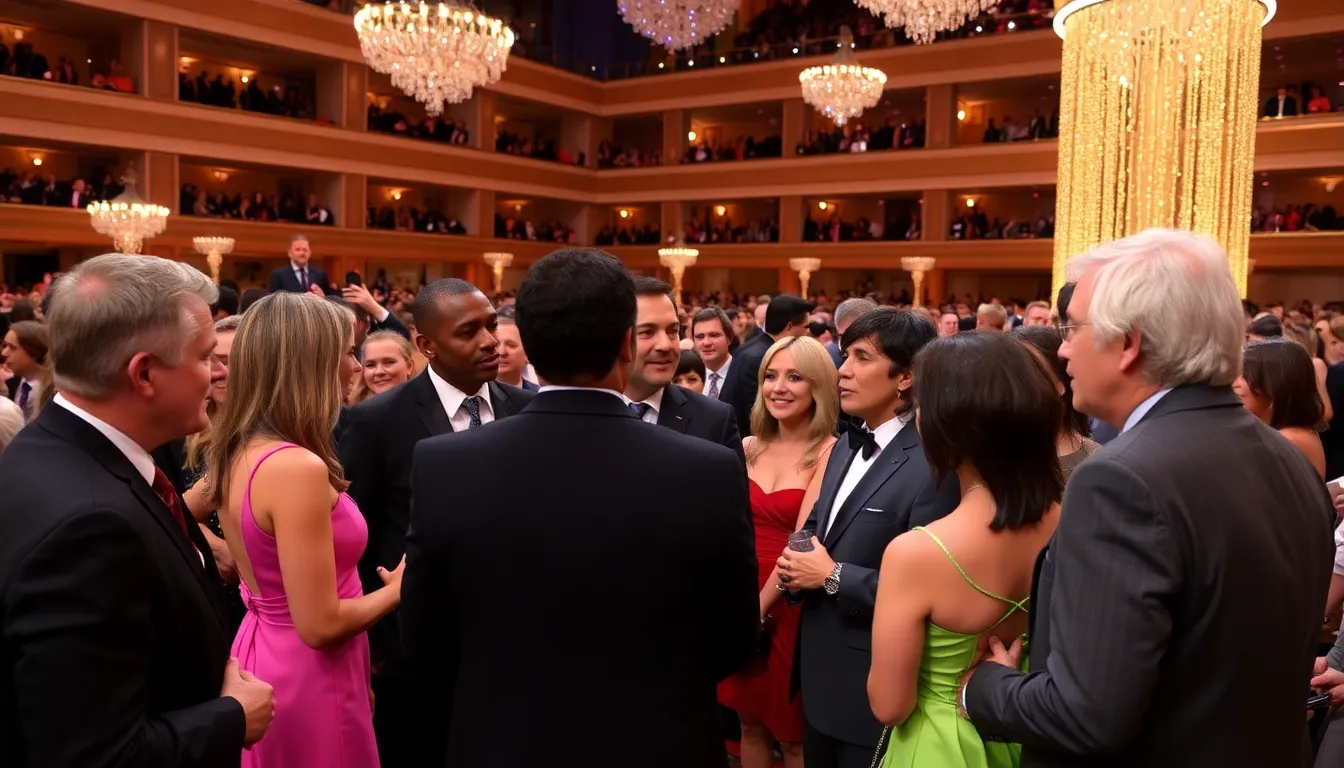
Historically, variety shows were a staple of American entertainment, with iconic programs like “The Ed Sullivan Show” and “Saturday Night Live” capturing the zeitgeist of their respective eras. These shows not only entertained but also influenced social and political discourse, often serving as a barometer for public sentiment. As television began to diversify in the late 20th century, the Emmy Awards struggled to keep pace with the rapidly changing landscape, leading to calls for reform in how these categories were defined and awarded.
The Impact of Streaming and Digital Media
The rise of streaming platforms in the 21st century has further complicated the Emmys’ approach to variety programming. With networks and studios producing a plethora of content, the distinction between scripted and unscripted formats has blurred. This has prompted the Television Academy to reevaluate its categories, aiming to ensure that all forms of entertainment receive appropriate recognition. The challenge lies in balancing traditional formats with innovative new offerings, which often leads to clunky categorizations that can frustrate both creators and audiences.
Moreover, the economic pressures of the industry have led to a greater emphasis on viewership metrics and audience engagement. As networks and streaming services vie for attention in a crowded market, the types of content being producedand subsequently honoredhave shifted dramatically. This evolution has sparked debates about what constitutes quality programming and how variety shows fit into this new paradigm, ultimately influencing the decisions made by the Emmy Awards.
Key milestones in this ongoing evolution include the introduction of new categories and the revision of existing ones to better reflect the diversity of programming. The Emmys have seen various attempts to modernize their approach, yet each change often comes with its own set of challenges, making it clear that the road to a cohesive recognition system for variety shows remains a work in progress. As the industry continues to transform, the Emmys must navigate these complexities to ensure they honor the best of television, even if the results sometimes feel disjointed.
Key stakeholders and issues surrounding the changes in variety formats
The recent changes in the Emmy Awards’ approach to talk and scripted variety formats have drawn attention from a variety of stakeholders, each with their own interests and concerns. Key players include television networks, production companies, content creators, and audiences. The evolving landscape of entertainment consumption has forced these stakeholders to reassess what constitutes success in variety programming, similar to the shifts highlighted in Spotify and Universal Music’s new agreements for AI-generated music.

Television networks, such as NBC and CBS, are primarily focused on ratings and advertising revenue. Their interest lies in producing content that attracts large audiences, which can be a challenge with the increasing competition from streaming platforms. The Emmys’ recognition of diverse formats is an attempt to adapt to these changing viewer preferences, but it raises questions about the traditional definitions of variety shows.
Production companies and content creators are also significant stakeholders in this discussion. They often advocate for the inclusion of innovative formats that reflect contemporary culture and engage younger audiences. However, the shift towards more experimental formats can create conflicts with established norms and expectations, leading to trade-offs in terms of audience reach and critical acclaim.
- Economic Impact: Changes in award categories may influence funding and investment in variety shows, as networks gauge potential return on investment.
- Legal Considerations: Intellectual property rights and licensing agreements may become more complex as new formats emerge.
- Audience Engagement: The challenge of retaining viewership in a saturated market can lead to innovative but risky programming decisions.
- Industry Standards: The redefinition of variety formats may disrupt long-standing industry standards and practices.
In summary, the Emmys’ adjustments to variety formats reflect broader trends in the entertainment industry, highlighting the delicate balance between innovation and tradition. As stakeholders navigate these changes, the implications for content creation, audience engagement, and economic viability remain critical points of discussion, especially in the context of the diverse programming mentioned in our coverage of Bulgaria triumphing in the 2026 Eurovision Song Contest.
Who is affected by the changes in the Emmy’s variety categories
The recent changes in the Emmy’s variety categories are set to impact various groups, including television networks, production companies, and content creators. The shift aims to address the evolving landscape of entertainment, particularly as streaming platforms gain prominence. As a result, traditional broadcasters may find themselves needing to adapt to new competition and viewer preferences.
In the short term, audiences may experience a shift in the types of variety shows that are recognized and celebrated. This could lead to a more diverse range of programming, potentially attracting new viewers. However, fans of established shows may feel alienated if their favorites do not receive the same level of recognition as before. The immediate aftermath of the changes may also create uncertainty among creators and networks as they navigate the new criteria for nominations.
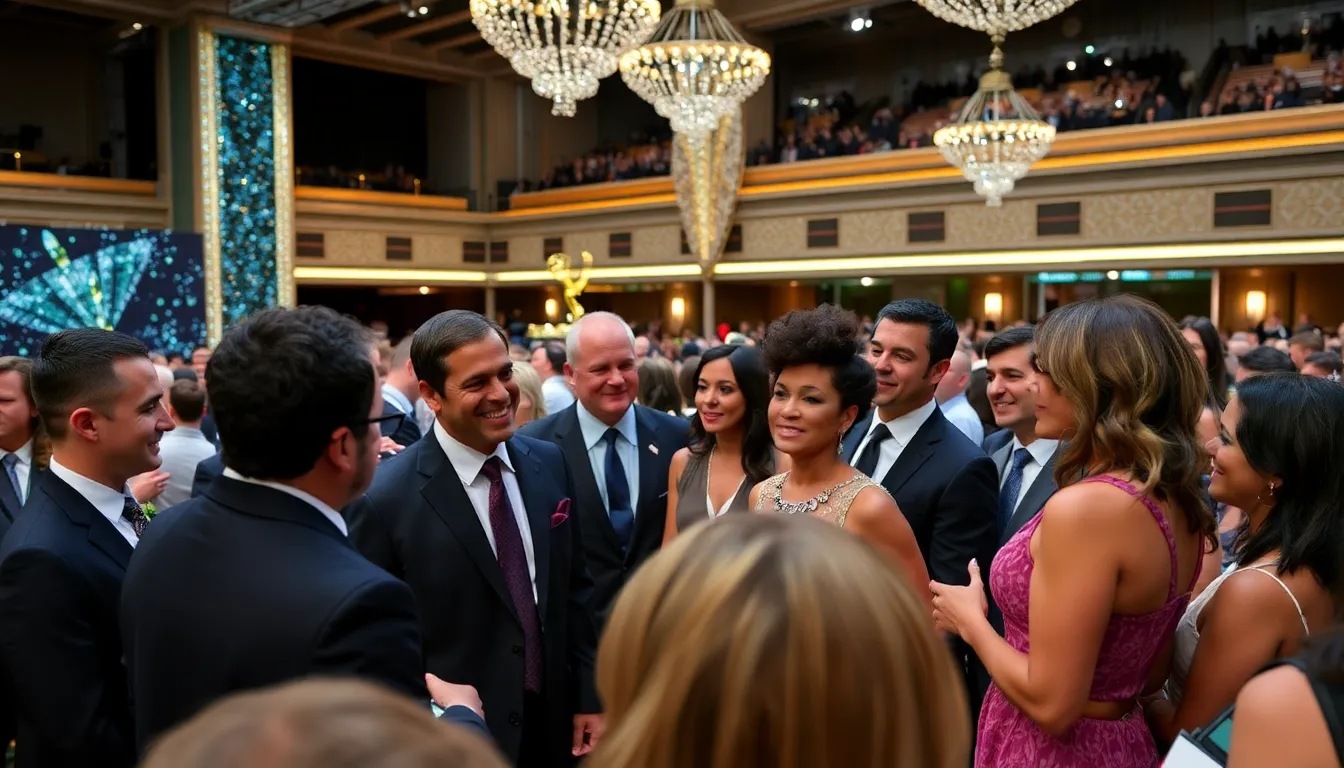
In the mid-term, the industry could see a consolidation of talent and resources as networks and production companies respond to the changes. This may result in a more competitive environment, where only the most innovative and engaging content thrives. While some creators may face challenges in adapting to the new landscape, others may find opportunities to break into the spotlight with fresh ideas and formats.
- Risks: Established shows may lose viewership and support.
- Opportunities: New creators can emerge with innovative content.
- Impact on Business: Networks may need to invest in new programming strategies.
- Policy Changes: Potential shifts in award criteria could redefine industry standards.
Overall, the changes to the Emmy’s variety categories will have significant implications across the entertainment landscape, affecting not just the shows themselves, but also the broader ecosystem of talent, production, and audience engagement.
A: The changes were driven by declining viewership and the need to modernize the award categories to better reflect current entertainment trends. A: Reactions have been mixed, with some praising the necessary evolution while others feel the execution has been clumsy and disorganized. A: Changes included the merging of categories and the introduction of new eligibility criteria aimed at increasing diversity and relevance. A: Yes, the new categories and criteria will directly influence which shows and performances are eligible for nominations in upcoming ceremonies. A: The changes aim to enhance viewer engagement by showcasing more relevant and contemporary content, though initial reactions suggest a need for further refinement.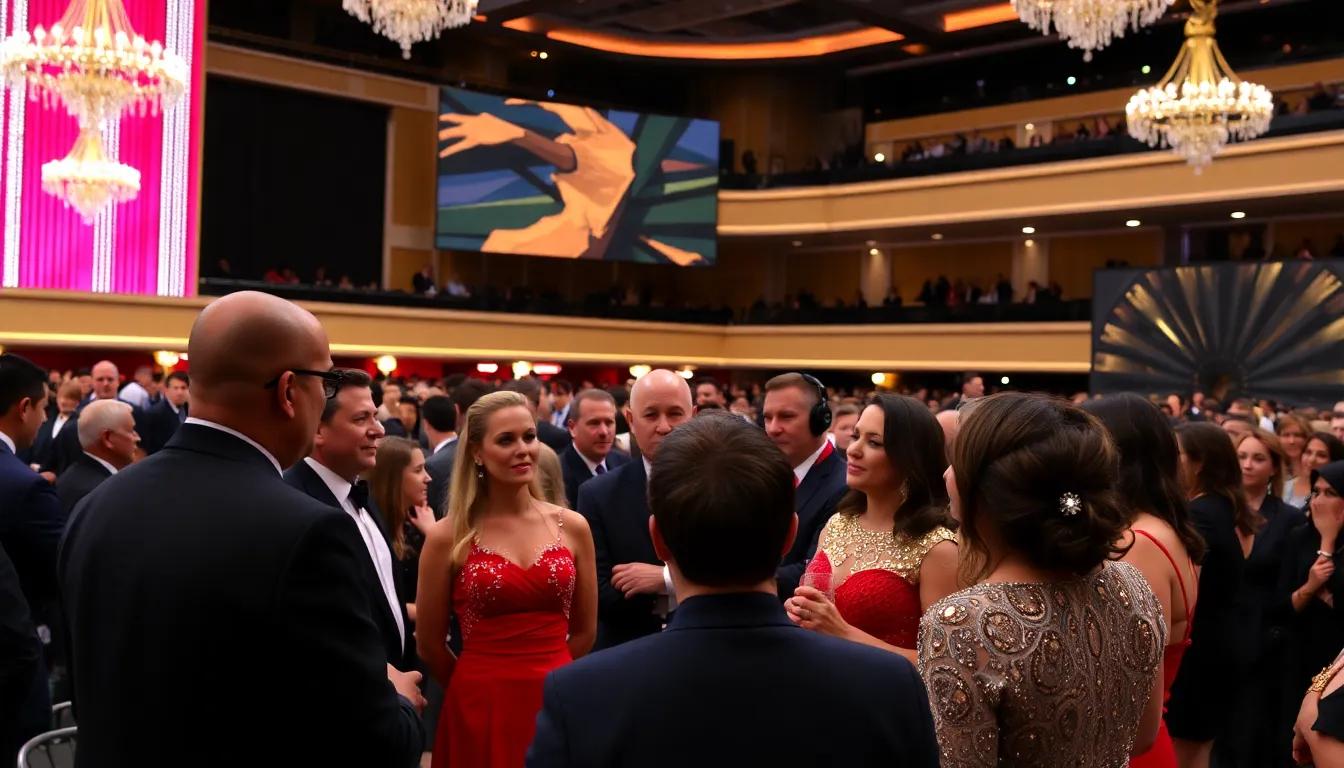
Frequently asked questions about the Emmys and variety formats
Looking ahead: insights and future direction for the Emmys
The recent changes to the Emmy Awards reflect a broader shift in the entertainment landscape, particularly in the realms of talk and scripted variety programming. As the industry continues to evolve, the Emmys must adapt to maintain relevance and engage audiences. This adaptation may involve further experimentation with formats and categories to better capture the diversity of content being produced today.
Moving forward, it will be crucial for the Emmys to not only embrace innovation but also to address the needs and preferences of their viewership. By doing so, they can ensure that the awards remain a significant and celebrated event within the television industry.
- Monitor audience engagement metrics to evaluate the effectiveness of new categories and formats.
- Consider the impact of streaming platforms on the variety landscape and adjust nominations accordingly.
- Explore collaborations with content creators to highlight emerging trends and voices in the industry.
- Assess the balance between traditional and contemporary programming to appeal to a broader demographic.
- Utilize feedback from both industry professionals and viewers to refine the awards process in future years.