
Film festivals, such as the Environmental Film Festival in Washington, D.C., which took place in March 2023, have showcased a variety of films that highlight pressing environmental issues. These films often blend personal stories with broader environmental themes, making complex topics more relatable to diverse audiences. This approach not only entertains but also educates viewers about the urgency of climate action.
Moreover, social media platforms have become fertile ground for climate storytellers. Influencers and activists are utilizing platforms like Instagram and TikTok to share impactful narratives that resonate with younger audiences. A survey conducted in August 2023 found that 75% of Gen Z respondents felt more motivated to engage in climate action after viewing relatable content online.
In addition to traditional media, literature is also playing a crucial role in this movement. Authors are increasingly incorporating climate issues into their narratives, with several notable titles released in 2023 addressing themes of sustainability and environmental justice. These works not only entertain but also encourage readers to reflect on their own roles in the climate crisis.
The intersection of storytelling and climate awareness is proving to be a dynamic force for change. As more individuals and organizations recognize the power of narrative, the potential for driving collective action on sustainability continues to grow, highlighting the importance of creative engagement in addressing one of the most critical challenges of our time.

The historical role of storytelling in cultural change
Storytelling has long been a powerful tool for cultural change, serving as a vehicle for sharing knowledge, values, and beliefs across generations. From ancient oral traditions to modern digital narratives, stories have shaped societal norms and influenced public perception. This historical context is vital to understanding how contemporary storytelling can address pressing issues like climate change, which requires a collective shift in mindset and behavior.
In many indigenous cultures, storytelling is integral to environmental stewardship. These narratives often encapsulate deep ecological wisdom, emphasizing the interconnectedness of all living beings. For instance, the Aboriginal Dreamtime stories of Australia convey lessons about land management and sustainability. Such traditional tales not only preserve cultural heritage but also provide frameworks for understanding human relationships with nature, highlighting the importance of sustainable practices long before the term became popularized.
The rise of the environmental movement in the 20th century marked a significant milestone in the intersection of storytelling and sustainability. Pioneering works like Rachel Carson’s “Silent Spring” in 1962 utilized narrative techniques to raise awareness about the dangers of pesticides and ecological degradation. Carson’s compelling storytelling galvanized public opinion and led to significant policy changes, including the eventual establishment of the U.S. Environmental Protection Agency. This demonstrates how well-crafted narratives can mobilize communities and influence political action.
The impact of digital storytelling
With the advent of digital media, storytelling has evolved, allowing for broader reach and engagement. Social media platforms and online documentaries enable individuals and organizations to share their narratives on climate change in innovative ways. Campaigns like “Humans of New York” have highlighted personal stories that connect individual experiences to global issues, fostering empathy and understanding. This shift in storytelling has the potential to inspire collective action and drive sustainable practices across diverse audiences.
As the climate crisis intensifies, the urgency for impactful storytelling has never been greater. Narratives that weave together personal experiences, scientific data, and emotional resonance can create a sense of urgency and agency among audiences. By understanding the historical role of storytelling in cultural change, we can harness its power to inspire a more sustainable future, encouraging individuals and communities to take meaningful action against climate change.

Key stakeholders in the intersection of storytelling and sustainability
In the realm of storytelling and sustainability, various stakeholders play crucial roles in shaping narratives that influence public perception and drive action on climate issues. These stakeholders include environmental organizations, government agencies, businesses, and individual storytellers. Each group brings unique perspectives and interests to the conversation, which can lead to both collaboration and conflict.
Environmental organizations, such as Greenpeace and the World Wildlife Fund, are often at the forefront of sustainability storytelling. Their primary interest lies in raising awareness about climate change and advocating for policy changes. They utilize compelling narratives to engage the public and mobilize support for environmental initiatives. However, they may sometimes face challenges when their stories clash with corporate interests or government agendas.
Government agencies also play a significant role in this landscape. They are tasked with implementing policies that promote sustainability and address climate change. Their interests often align with scientific data and public welfare, but they must also consider economic implications and the potential pushback from industries reliant on fossil fuels. This can create a tension between the need for immediate action and the economic realities faced by certain sectors.
- Businesses, particularly those in renewable energy or sustainable products, seek to position themselves as leaders in the green economy through storytelling.
- Individual storytellers, including authors, filmmakers, and social media influencers, have the power to shape narratives that resonate with diverse audiences.
- Conflicts may arise when corporate storytelling is perceived as ‘greenwashing,’ where companies exaggerate their sustainability efforts to enhance their public image.
- Legal issues surrounding environmental regulations can complicate the storytelling landscape, as stakeholders navigate compliance and advocacy.
- Economic trade-offs often emerge, as investments in sustainability may require upfront costs that some stakeholders are reluctant to bear.
Ultimately, the interplay between these stakeholders highlights the complexity of storytelling in the context of sustainability. By understanding their interests and the potential conflicts that arise, we can better appreciate the narratives that emerge and their impact on driving meaningful change in climate action.
The impact of climate-themed stories on public perception
Climate-themed storytelling resonates across various demographics, influencing individuals, communities, and industries alike. From environmental activists to corporate leaders, the narratives surrounding sustainability can shape attitudes and behaviors. Regions heavily impacted by climate change, such as coastal areas facing rising sea levels, are particularly attuned to these stories, as they directly confront the realities of environmental degradation.

In the short term, the proliferation of climate narratives can lead to increased awareness and urgency regarding environmental issues. This heightened awareness can drive individuals to adopt more sustainable practices in their daily lives, such as reducing waste and conserving energy. Businesses may also feel the pressure to align with these values, leading to a shift in corporate policies and practices aimed at sustainability.
Mid-term impacts may include a transformation in market dynamics as consumer preferences evolve. Industries such as renewable energy, sustainable agriculture, and eco-friendly products may experience significant growth. Conversely, sectors reliant on fossil fuels may face declining demand, leading to economic challenges and potential job losses. Policymakers may be compelled to implement stricter regulations and incentives to promote sustainability, reshaping the legislative landscape.
- Risks: Potential backlash from industries resistant to change, job losses in traditional sectors, and the challenge of misinformation.
- Opportunities: Growth in green technologies, increased investment in sustainable practices, and enhanced public engagement in environmental issues.
As storytelling continues to evolve, its role in shaping public perception and driving policy change will remain critical. By highlighting the interconnectedness of personal choices and global challenges, climate-themed narratives can empower individuals and communities to take meaningful action toward a sustainable future.
A: Storytelling can create emotional connections and raise awareness about climate issues, motivating individuals and communities to take action. A: Personal narratives, success stories, and cautionary tales often resonate well, as they illustrate real-life impacts and solutions. A: Authors, filmmakers, environmental activists, and educators all play significant roles in crafting and disseminating impactful stories. A: Yes, businesses can enhance their brand image and engage customers by sharing authentic stories about their sustainable practices. A: Individuals can share their own experiences, support local initiatives, and participate in storytelling platforms focused on climate issues.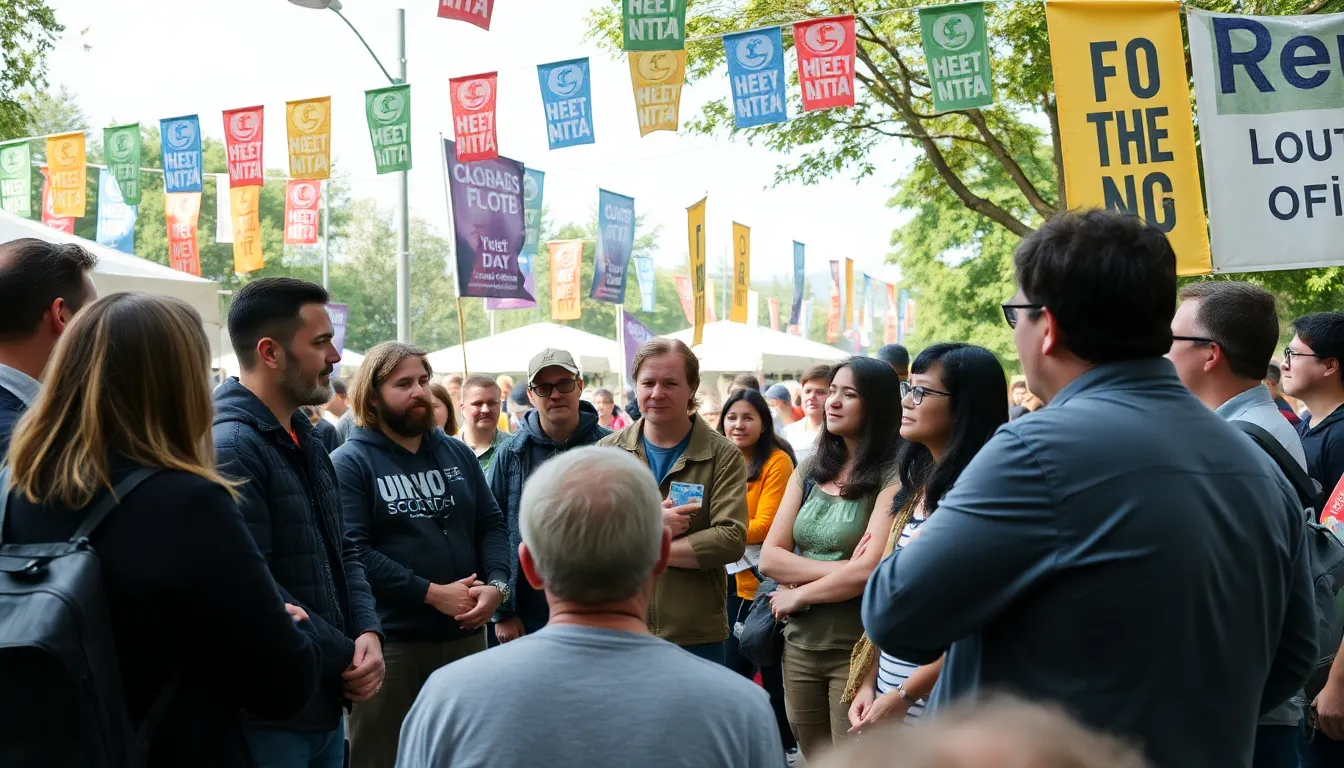
Frequently asked questions about storytelling and sustainability
Insights on the future of storytelling in sustainability efforts
As the urgency of climate change escalates, the role of storytelling in sustainability becomes increasingly vital. Narratives that resonate with audiences can foster empathy, inspire action, and drive meaningful change. By weaving together personal experiences, cultural contexts, and scientific insights, storytellers can engage communities and encourage collective responsibility toward a sustainable future.
Looking ahead, the integration of storytelling into sustainability initiatives will likely evolve, emphasizing authenticity and emotional connection. This shift will not only enhance public awareness but also motivate individuals and organizations to adopt sustainable practices, ultimately contributing to a more resilient planet.
- Emphasize personal narratives: Stories that highlight individual experiences can create a deeper emotional connection and inspire others to take action.
- Leverage diverse voices: Incorporating a range of perspectives, particularly from marginalized communities, can enrich the narrative and broaden its impact.
- Utilize digital platforms: Engaging storytelling through social media and other digital channels can reach wider audiences and facilitate community interaction.
- Focus on solutions: Highlighting successful sustainability initiatives can provide practical examples and inspire replication in other contexts.
- Encourage collaboration: Collaborative storytelling efforts between organizations, communities, and individuals can amplify messages and foster a shared sense of purpose.