
The suspension is said to be effective immediately, though the IOC has not provided a detailed explanation for this action. Sources indicate that the decision may be linked to difficulties in establishing clear guidelines and standards for esports competitions that would fit within the Olympic model. The IOC had previously launched its esports commission in 2021 to explore potential collaborations and to assess the growing popularity of competitive gaming.
The IOC’s approach to esports has been criticized for lacking clarity and direction, which has hindered potential partnerships and sponsorships, particularly as highlighted in Esports Insider debates the future of 2XKO.
This development is particularly noteworthy as the IOC had been actively promoting the idea of incorporating esports into the Olympic movement, especially with the rise of digital sports during the pandemic. The suspension of the commission may signal a reevaluation of how the IOC perceives the role of esports and its potential future within the Olympic agenda.
Understanding the background of the IOC’s esports initiatives
The International Olympic Committee (IOC) has been exploring the integration of esports into the Olympic framework for several years, reflecting a broader trend of digitalization in sports. The rise of competitive gaming has captured the attention of younger audiences, prompting the IOC to consider how these activities could align with the Olympic values of excellence, friendship, and respect. This initiative aimed to bridge the gap between traditional sports and the burgeoning esports industry, which has seen exponential growth in both participation and viewership.
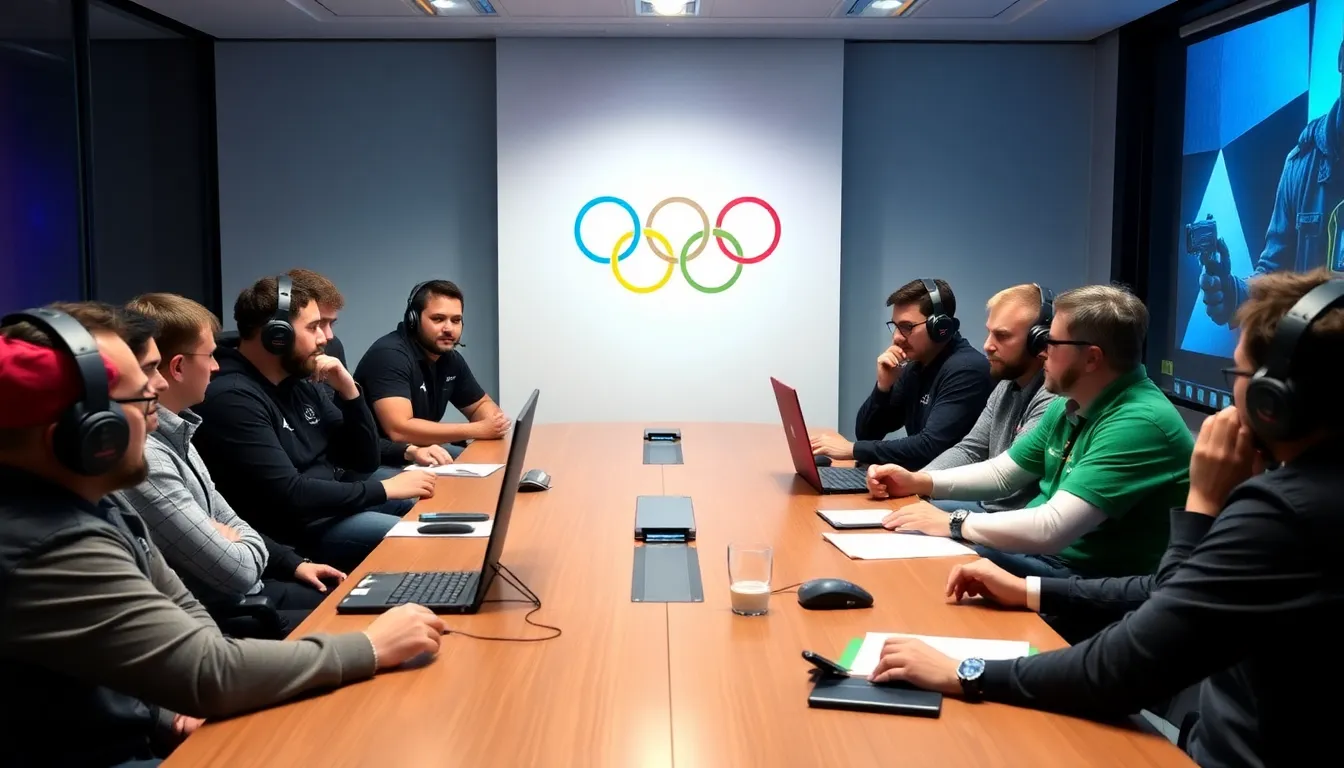
This marked a significant milestone as it was one of the first formal acknowledgments by the IOC of esports as a legitimate form of competition, aligning with ongoing discussions around the inclusion of esports in the Olympic program, which are crucial for understanding the landscape of competitive gaming.
However, the relationship between the IOC and the esports community has been fraught with challenges. Concerns over the nature of some games, issues related to gambling, and the need to maintain the integrity of the Olympic brand have complicated discussions. The IOC has faced criticism for its cautious approach, with many in the esports community arguing that the organization has not fully embraced the potential of esports to engage a new generation of fans.
Recent Developments and Setbacks
Recently, reports have emerged that the IOC has suspended its esports commission, marking a significant setback in its efforts to integrate esports into the Olympic framework. This decision has raised questions about the future of esports at the Olympics and reflects ongoing tensions between traditional sports governance and the rapidly evolving landscape of competitive gaming. As the IOC reassesses its strategy, the future of esports within the Olympic movement remains uncertain, highlighting the complexities of merging two distinct worlds.
Key stakeholders and issues surrounding the esports commission
The recent report of the International Olympic Committee (IOC) suspending its esports commission has stirred significant discussions among various stakeholders. Key actors in this situation include the IOC itself, national Olympic committees, esports organizations, game developers, and athletes. Each group has distinct interests that influence their positions on the matter.
However, the suspension of the esports commission raises questions about how the IOC will balance these interests moving forward, especially considering the commitments affirmed by leaders, such as Taiwan’s President in relation to engaging younger audiences, as noted in Taiwan’s President affirms commitment to sovereignty and peace.

Esports organizations and game developers have vested interests in the inclusion of esports in the Olympic framework, as it could provide legitimacy and wider exposure for competitive gaming. The suspension may hinder potential partnerships and sponsorship opportunities that could arise from Olympic involvement. Furthermore, athletes participating in esports are left in a precarious position, as the uncertainty regarding the commission may impact their career trajectories and the recognition of esports as a legitimate sport.
- Conflict of interests: Traditionalists within the IOC may resist the integration of esports, viewing it as a departure from Olympic values.
- Economic implications: The suspension could lead to decreased investment in esports initiatives and limit financial support for athletes.
- Legal challenges: The lack of clear governance in esports may complicate the IOC’s efforts to establish regulations and standards.
- Public perception: The decision may affect the IOC’s image among younger audiences who are passionate about gaming.
- Future of esports in the Olympics: The suspension raises uncertainty about the potential for esports to be featured in future Olympic events.
As the situation unfolds, it will be crucial for all stakeholders to engage in dialogue to address these conflicts and explore potential pathways for collaboration. The outcome of this suspension could have lasting implications for the future of esports within the Olympic movement and beyond.
Who is affected by the IOC’s decision and what are the market implications
The International Olympic Committee’s (IOC) suspension of its esports commission has far-reaching implications for various stakeholders. Primarily, professional esports organizations, players, and gaming companies are directly impacted. Additionally, the decision affects sponsors and advertisers who have invested in the potential intersection of esports and the Olympic movement.
In the short term, the suspension may lead to uncertainty among esports professionals and organizations regarding their future involvement in Olympic-related events. This could result in decreased investments and sponsorships as companies reassess the viability of their partnerships with esports entities. Furthermore, fans and players may feel disillusioned, leading to a potential decline in engagement and viewership.
In the mid-term, the impact on policy could be significant, as national Olympic committees may reconsider their strategies concerning esports. This could either dampen the growth of esports within the Olympic framework or prompt a reevaluation of how esports can be integrated into traditional sporting events. There is also the risk of fragmentation within the esports community, as different organizations may pursue divergent paths in the absence of a unified Olympic vision.
- Risks: Decreased investment in esports, potential decline in player engagement, fragmentation of the esports community.
- Opportunities: New partnerships outside the Olympic framework, innovation in esports events, and potential for grassroots movements to thrive.
Despite these challenges, there may be opportunities for esports to develop independently, fostering a more robust ecosystem that could lead to innovative formats and events. As the industry adapts, stakeholders may find new avenues for engagement, sponsorship, and community building beyond the traditional Olympic structure.
A: The IOC suspended its esports commission due to ongoing concerns about the alignment of esports with Olympic values and governance issues that have arisen. A: The suspension raises uncertainty about the inclusion of esports in future Olympic events, potentially affecting how esports organizations plan their strategies. A: Esports athletes may face challenges in gaining recognition and support from traditional Olympic structures, which could hinder their opportunities. A: The esports community has expressed disappointment and concern, emphasizing the need for better integration and understanding between traditional sports and esports. A: While it is uncertain, there is hope within the community that the IOC may revisit its approach to esports as the industry continues to evolve.
Frequently asked questions about the IOC’s esports commission
Outlook on the future of esports in the Olympics
The reported suspension of the International Olympic Committee’s esports commission marks a significant moment in the evolving relationship between traditional sports and digital gaming. This decision highlights the complexities and challenges that the IOC faces in integrating esports into the Olympic framework, particularly regarding governance, audience engagement, and the definition of what constitutes a sport. As the landscape of competitive gaming continues to evolve, the implications of this suspension could reshape the future of esports at the Olympic level.
Moving forward, stakeholders in the esports community, including developers, athletes, and fans, will need to adapt to this shift. The IOC’s hesitance may signal a need for a more structured approach to esports, focusing on regulatory frameworks and partnerships that align with Olympic values. Observing how this situation unfolds will provide insights into the potential for future collaborations and the overall trajectory of esports in mainstream sports culture.
- Monitor the IOC’s next steps regarding esports and potential new governance frameworks.
- Watch for reactions from the esports community, including potential shifts in support for Olympic involvement.
- Consider how this suspension may influence upcoming esports events and their reception among traditional sports fans.
- Keep an eye on emerging partnerships between esports organizations and other sporting bodies.
- Evaluate the long-term implications for esports’ legitimacy as a competitive discipline in the eyes of traditional sports authorities.