
Despite Ganna’s impressive victory, Jonas Vingegaard, the reigning Tour de France champion, faced challenges in his bid to take the overall lead. Vingegaard finished the stage with a time that left him unable to gain the crucial seconds needed to surpass the current leader in the general classification. This outcome has sparked discussions among cycling analysts regarding Vingegaard’s tactical approach in the race, particularly in the context of his previous successes in events like the Warsaw prize.
The time trial, held in the picturesque region of Italy, was a pivotal moment in the Giro, with riders battling not only the clock but also the demanding terrain. Ganna’s triumph in this stage underscores the importance of individual time trials in stage races, where the ability to maintain speed and endurance can significantly influence the overall standings.
As the Giro progresses, the implications of this stage will resonate throughout the competition. Vingegaard’s inability to capitalize on this opportunity raises concerns about his form and strategy as he navigates the remaining stages. With several challenging days ahead, the dynamics of the race could shift dramatically, keeping fans and competitors on edge.
Understanding the significance of the Giro time trial in the overall competition
The Giro d’Italia, one of cycling’s prestigious Grand Tours, has a storied history that dates back to its inception in 1909. This multi-stage race not only tests the endurance and skill of cyclists but also serves as a significant event in the cycling calendar, impacting both the sport’s popularity and its economic landscape. Time trials, like the one won by Ganna, play a crucial role in determining the overall standings and can dramatically influence the trajectory of the competition.
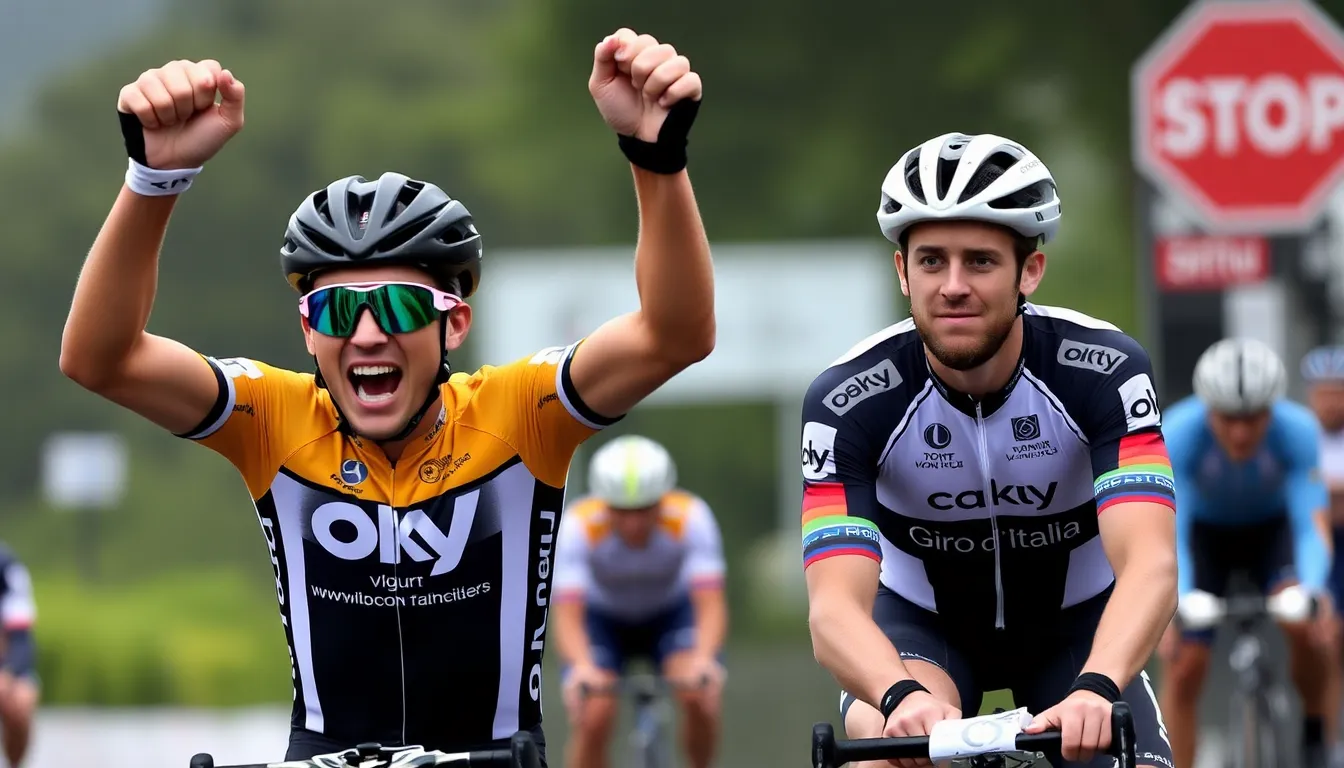
In recent years, the dynamics of the Giro have shifted, with time trials becoming pivotal in shaping the outcomes of the race. Riders like Filippo Ganna, who excel in this discipline, can gain substantial time advantages over their rivals, thus altering the overall leaderboard. Ganna’s victory in the time trial not only showcased his individual prowess but also highlighted the strategic importance of such stages in the context of the entire race.
The evolution of time trials in the Giro
Historically, time trials have evolved from being mere sideshows to central components of stage races. The introduction of specialized time trial bikes and advancements in aerodynamics have transformed how riders approach these events. As a result, time trials have become a battleground for both physical and mental fortitude, where the margins for victory can be razor-thin. This evolution has significantly influenced the strategies employed by teams and riders throughout the Giro.
Moreover, the competitive landscape of professional cycling has intensified, with emerging talents like Jonas Vingegaard striving to establish their dominance. Vingegaard’s inability to capitalize on his previous successes during the time trial serves as a reminder of the unpredictable nature of the sport, where even the strongest contenders can falter under pressure. This adds a layer of intrigue to the Giro, as fans and analysts alike speculate on how such performances will impact the overall competition.
As the Giro d’Italia continues to unfold, the implications of Ganna’s time trial victory will resonate throughout the remaining stages. The interplay between individual performances and team strategies will be critical as riders like Vingegaard seek to reclaim momentum and challenge for the coveted maglia rosa, further emphasizing the significance of each time trial in the grand narrative of the race, akin to the recent buzz around celebrity controversies that capture public interest.
Examining the implications of Ganna’s win and Vingegaard’s performance
The recent Giro d’Italia time trial, where Filippo Ganna emerged victorious, has significant implications for the overall standings and the strategies of various teams and riders. Ganna’s performance not only solidifies his reputation as a leading time trialist but also impacts the dynamics of the race, particularly concerning Jonas Vingegaard, who was unable to capitalize on the opportunity to take the overall lead.
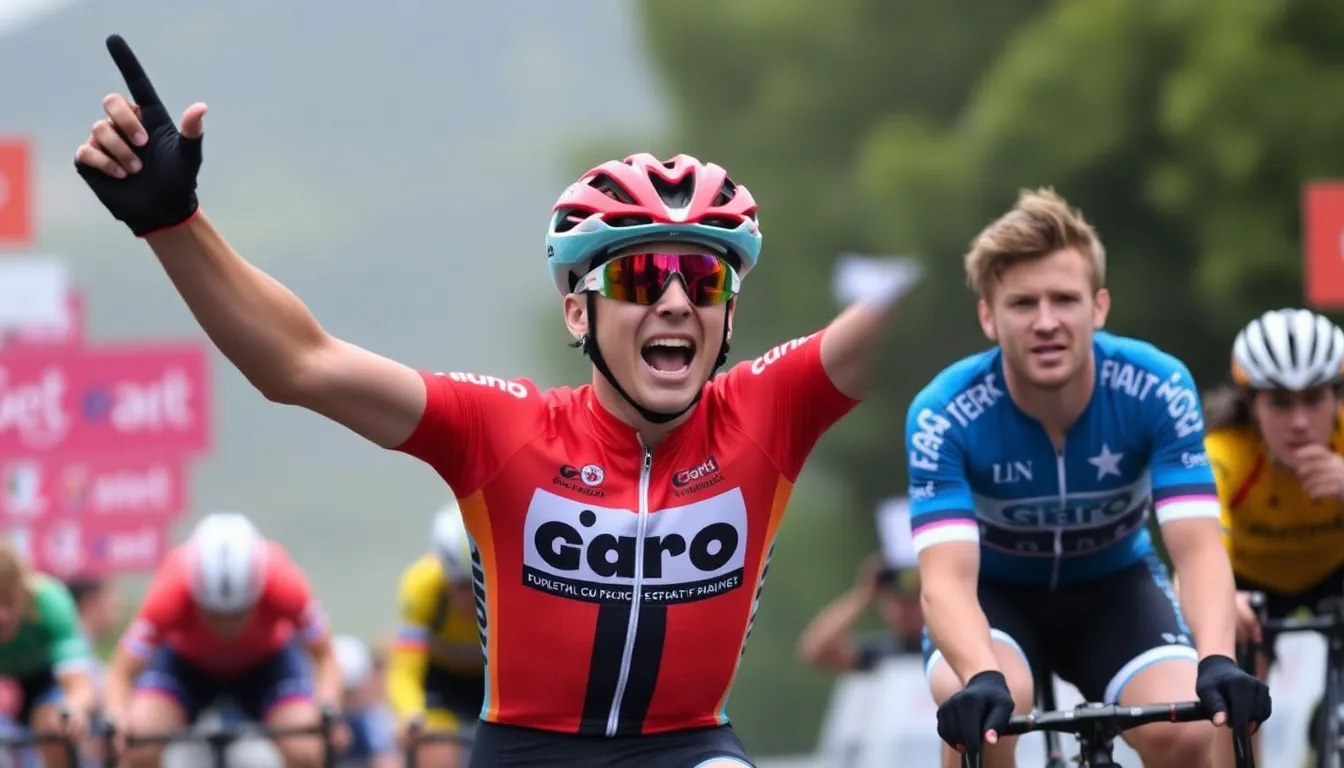
Key stakeholders in this scenario include the riders themselves, their respective teams, and the race organizers. Ganna, representing the Ineos Grenadiers, has a vested interest in showcasing his capabilities to boost his team’s morale and standings in the competition. Meanwhile, Vingegaard, riding for Jumbo-Visma, is under pressure to perform and maintain his position in the overall classification, which adds to the tension between individual ambitions and team strategies.
Conflicts arise as teams like Jumbo-Visma must balance between supporting their leaders and managing the expectations of their sponsors and fans. The economic implications of performance in high-stakes races like the Giro can affect sponsorship deals, future team budgets, and the riders’ marketability. Additionally, the legal aspects surrounding race regulations and performance standards are always a concern, as teams navigate the fine line between innovation and compliance.
- The potential for Ganna to influence the overall standings as he continues to excel in time trials.
- Vingegaard’s need to reassess his strategy moving forward to regain the overall lead.
- The role of team dynamics and support in shaping the outcomes of individual performances.
- The impact of public and sponsor expectations on rider performance and team decisions.
- Legal considerations surrounding race conduct and equipment regulations that may affect future events.
As the Giro progresses, the interplay between these stakeholders and the unfolding scenarios will be crucial in determining the ultimate outcome of the race, highlighting the multifaceted nature of competitive cycling.
How Ganna’s success affects competitors and the overall race
The recent victory of Filippo Ganna in the Giro time trial has significant implications for various stakeholders within the cycling community. Competitors, teams, sponsors, and fans are all impacted by this outcome, which reshapes the dynamics of the race and the competitive landscape. Ganna’s performance not only highlights his individual talent but also influences the strategies of his rivals, particularly Jonas Vingegaard, who aimed to take the overall lead.
In the short term, Ganna’s success may lead to increased pressure on Vingegaard and other top contenders. Teams may need to reassess their strategies, focusing on time management and risk assessment to counter Ganna’s strong time trial capabilities. This could result in heightened competition and a more aggressive racing style as athletes seek to close the gap in upcoming stages.
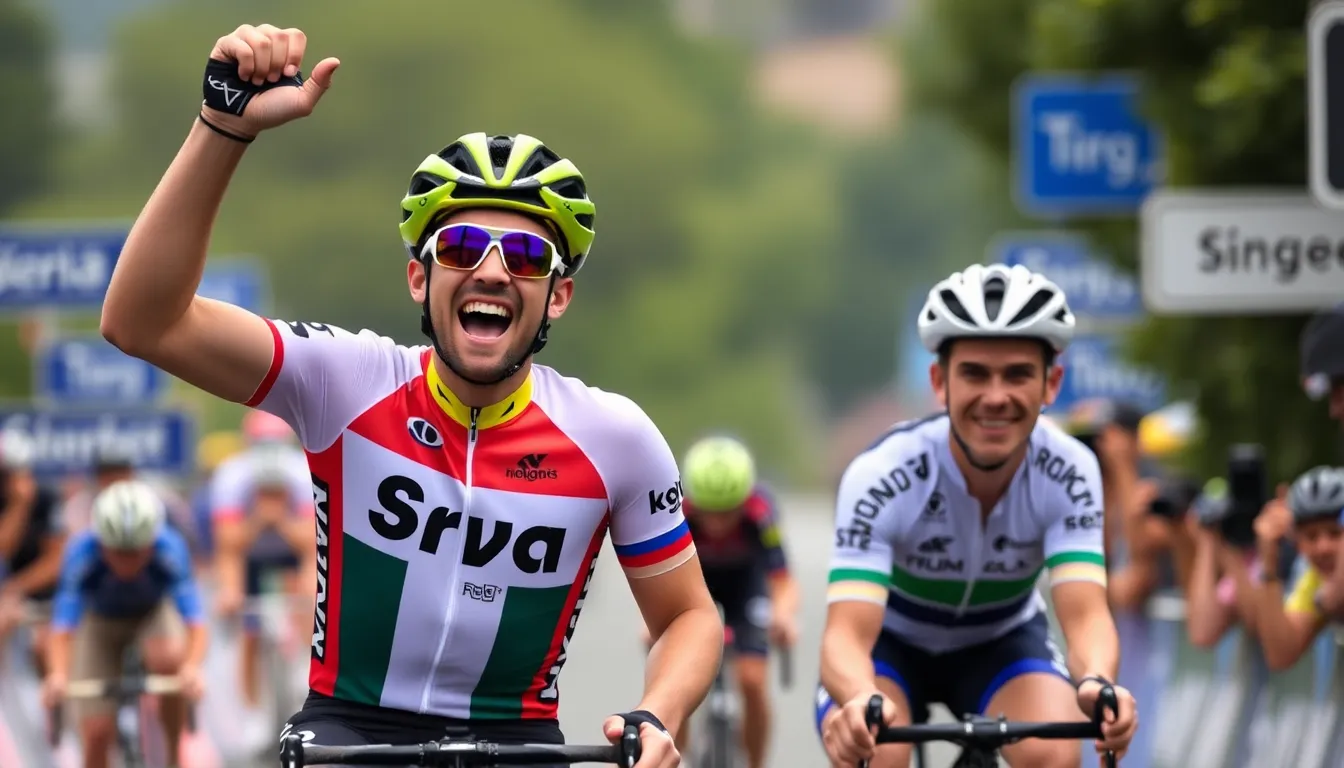
Furthermore, Ganna’s win can create opportunities for his team and sponsors, potentially leading to increased visibility and brand engagement. As Ganna garners attention, sponsors may invest more in his team, bolstering their financial support and resources. This could translate into better training facilities, enhanced recruitment efforts, and improved overall team performance.
However, there are also risks associated with this shift. Teams that fail to adapt their strategies may find themselves falling behind in the standings, affecting their sponsorship and funding opportunities. Additionally, the pressure to perform can lead to increased stress and potential burnout among athletes, which may impact their long-term careers.
- Competitors: Increased pressure to perform and adapt strategies.
- Sponsors: Potential for increased investment and brand visibility.
- Teams: Need for strategic reassessment and resource allocation.
- Athletes: Risk of burnout and performance-related stress.
In the mid-term, the overall competitive landscape of cycling may shift as teams and athletes adjust to the new dynamics introduced by Ganna’s success. The focus on time trials may become more pronounced, leading to changes in training regimens and race preparations across the board. This evolution could redefine the skill sets that are prioritized in the sport, ultimately influencing future races and the development of new talent.
A: Ganna’s victory in the time trial solidifies his position as a strong contender, while Vingegaard’s inability to take the lead raises concerns about his strategy moving forward. A: Vingegaard struggled during the time trial, failing to meet expectations, which could impact his overall performance in the subsequent stages. A: The Giro features several challenging stages ahead, including steep climbs and potential weather changes that could affect race dynamics. A: Time trials are crucial as they allow riders to showcase their individual strengths, often reshaping the overall standings and strategies for the remaining stages. A: Following Ganna and Vingegaard, other competitors like Roglic and Evenepoel are also key riders to watch as the race progresses.
Frequently asked questions about the Giro time trial results
Key takeaways and future outlook for the Giro
Ganna’s impressive performance in the time trial not only solidifies his position as a formidable contender but also highlights the importance of individual stages in shaping the overall standings. Meanwhile, Vingegaard’s inability to seize the overall lead raises questions about his strategy and resilience in the face of mounting pressure. As the Giro progresses, the dynamics of the race will be influenced by the responses of both established leaders and emerging talents.
Looking ahead, teams will need to assess their tactics carefully, particularly in the remaining stages that could prove pivotal for the overall classification. The competition remains fierce, and each rider’s ability to adapt to the challenges ahead will be crucial in determining the ultimate victor.
- Ganna’s time trial victory reinforces his status as a key player in the Giro, making him a rider to watch in upcoming stages.
- Vingegaard’s missed opportunity may lead to a reassessment of his race strategy, potentially affecting his team’s approach in future stages.
- Emerging riders could capitalize on the current standings, creating unexpected shifts in the overall competition.
- Team dynamics and support will play a significant role as riders navigate the remaining challenges, emphasizing the importance of teamwork.
- Weather conditions and terrain will continue to impact performance, making adaptability a key factor for success in the Giro.