
On October 15, 2023, the clinic notified patients who received treatment between January and September of the same year. The notification included details about the specific procedures that were being investigated and the potential risks associated with them. For more information on patient safety, you can refer to our article on safety concerns in healthcare settings.
Health authorities are currently working alongside the clinic to assess the situation and determine the extent of any potential exposure. The New South Wales Health Department has advised affected individuals to undergo testing and to remain vigilant for any symptoms related to viral infections.
This incident highlights the importance of stringent infection control measures in healthcare settings. As the investigation continues, it raises broader questions about patient safety and the protocols in place to prevent such occurrences in the future.
Understanding the background of the sterilization concerns
The recent incident involving a Sydney dentist has raised significant alarm regarding patient safety and sterilization protocols in dental practices. Over the years, there have been numerous cases worldwide where inadequate sterilization of dental instruments has led to the transmission of serious infections, including bloodborne viruses like HIV and Hepatitis. These events often serve as stark reminders of the importance of stringent hygiene practices in healthcare settings.
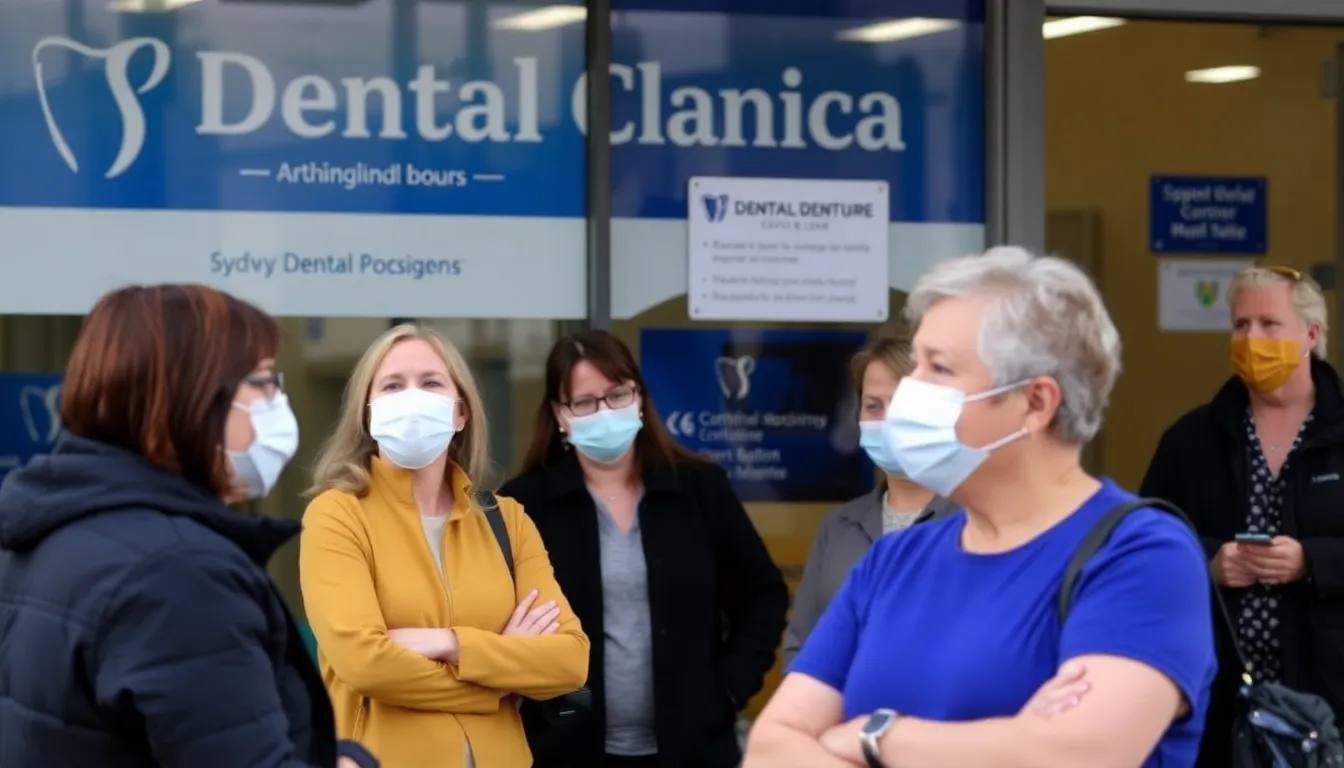
Historically, the dental profession has faced scrutiny over infection control measures, particularly following the HIV/AIDS crisis in the 1980s. This period highlighted the critical need for healthcare providers to adopt rigorous sterilization techniques to prevent the spread of infectious diseases. As a result, regulatory bodies introduced more stringent guidelines and protocols to ensure patient safety, which have evolved over time to include comprehensive training and compliance checks.
In Australia, the National Infection Control Guidelines were established to provide a framework for managing risks associated with infection in healthcare environments. These guidelines emphasize the necessity of using properly sterilized equipment and the importance of regular audits to ensure compliance. However, despite these regulations, lapses can occur, as evidenced by the recent alerts issued to patients of the Sydney dentist, prompting concerns about the effectiveness of current enforcement mechanisms. This highlights the importance of understanding regulatory compliance in various industries.
Key milestones in infection control regulations
Several key milestones have shaped the landscape of infection control in dental practices. In 2004, the Australian Dental Association released its Infection Control Guidelines, which set forth best practices for sterilization and disinfection. Furthermore, the introduction of the Australian Commission on Safety and Quality in Health Care in 2011 aimed to enhance patient safety across various medical fields, including dentistry. These milestones reflect a growing recognition of the need for robust infection control measures, yet the recent incident underscores that challenges remain in ensuring these standards are consistently met.
Examining the implications for patients and the dental practice
The recent warning issued to patients of a Sydney dentist regarding potential exposure to viruses, including HIV, has raised significant concerns among various stakeholders. The primary actors involved in this situation include the dental practice, the patients, health authorities, and the broader dental community. Each of these groups has distinct interests and concerns that must be addressed in the wake of this incident.
For patients, the immediate concern revolves around their health and well-being. They may experience anxiety and fear regarding potential exposure to serious viruses, which can lead to long-term health implications. Additionally, patients may seek clarity on the steps being taken to ensure their safety and the measures implemented by the dental practice to prevent such occurrences in the future.
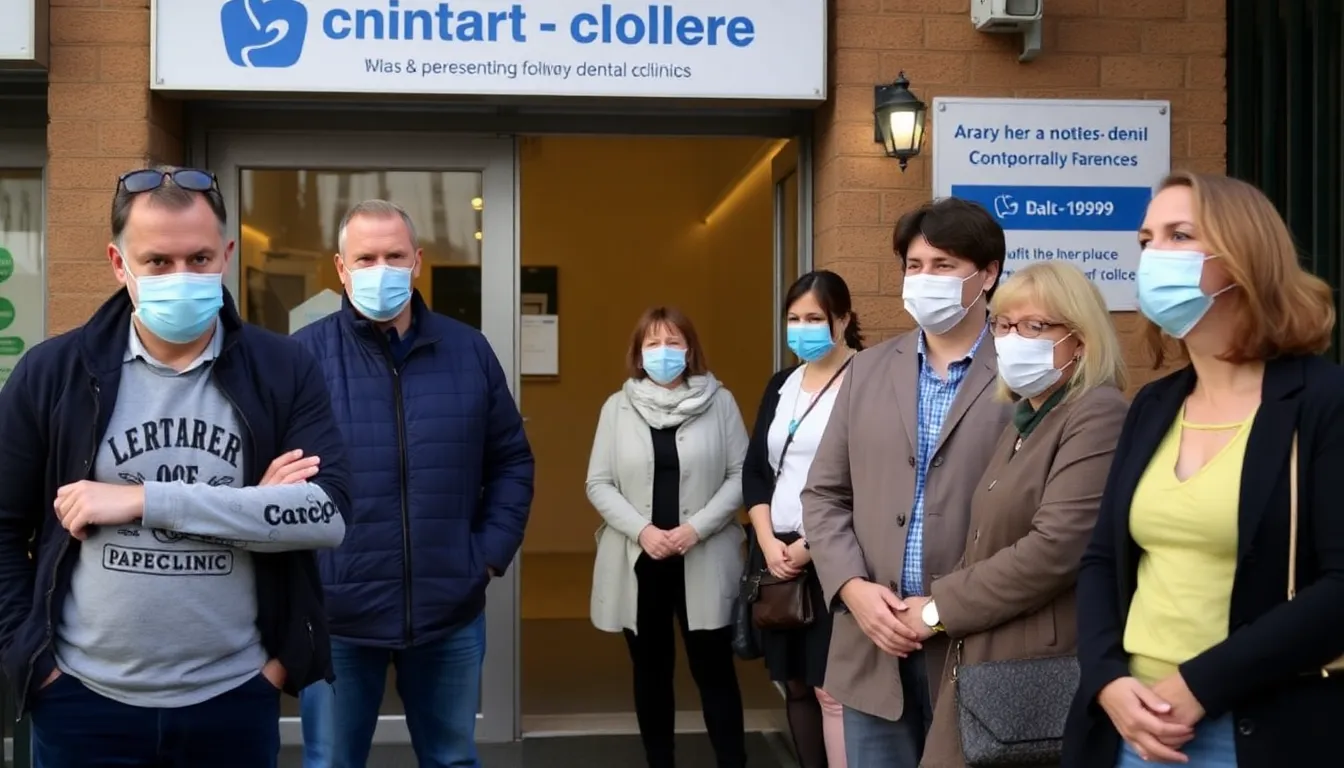
The dental practice itself faces a multitude of challenges, including reputational damage and potential legal repercussions. The dentist’s primary interest lies in maintaining patient trust while navigating the complexities of regulatory compliance and public perception. Furthermore, the practice may need to invest in additional training and resources to enhance infection control protocols, which could have financial implications.
- Health authorities are tasked with investigating the incident and ensuring that proper protocols are followed to protect public health.
- The dental community may face increased scrutiny and calls for stricter regulations, impacting the operational landscape of dental practices across the region.
- Legal ramifications could arise if patients pursue litigation for perceived negligence, prompting discussions about liability and accountability within the healthcare sector.
- Economic implications may include the potential loss of business for the dental practice and a broader impact on patient attendance rates in the aftermath of the incident.
Overall, this situation underscores the critical need for transparent communication among all stakeholders involved. Addressing the concerns of patients while balancing the interests of the dental practice and regulatory bodies will be essential in restoring confidence and ensuring the safety of dental services in Sydney.
Assessing the impact on patient health and public trust
The recent alert regarding potential virus exposure, including HIV, at a Sydney dental practice has raised significant concerns among various groups. Patients who visited the affected clinic are understandably anxious about their health, leading to an immediate impact on their mental well-being and trust in healthcare providers. This situation primarily affects individuals who received dental care at the clinic, but it also extends to their families and the broader community, as discussed in our piece on the community’s response to healthcare incidents.
In the short term, the dental industry in Sydney may experience a decline in patient visits as individuals become wary of potential health risks. This decline can lead to financial strain on dental practices, especially smaller clinics that rely heavily on patient volume. Additionally, there may be an increased demand for testing and screenings among patients, placing additional pressure on healthcare resources and facilities.
Mid-term impacts could include a shift in public policy regarding health regulations in dental practices. Authorities may implement stricter guidelines and oversight to ensure patient safety, which could lead to increased operational costs for dental clinics. Furthermore, the incident may prompt a broader discussion about infection control practices across the healthcare sector, potentially leading to enhanced training and protocols.
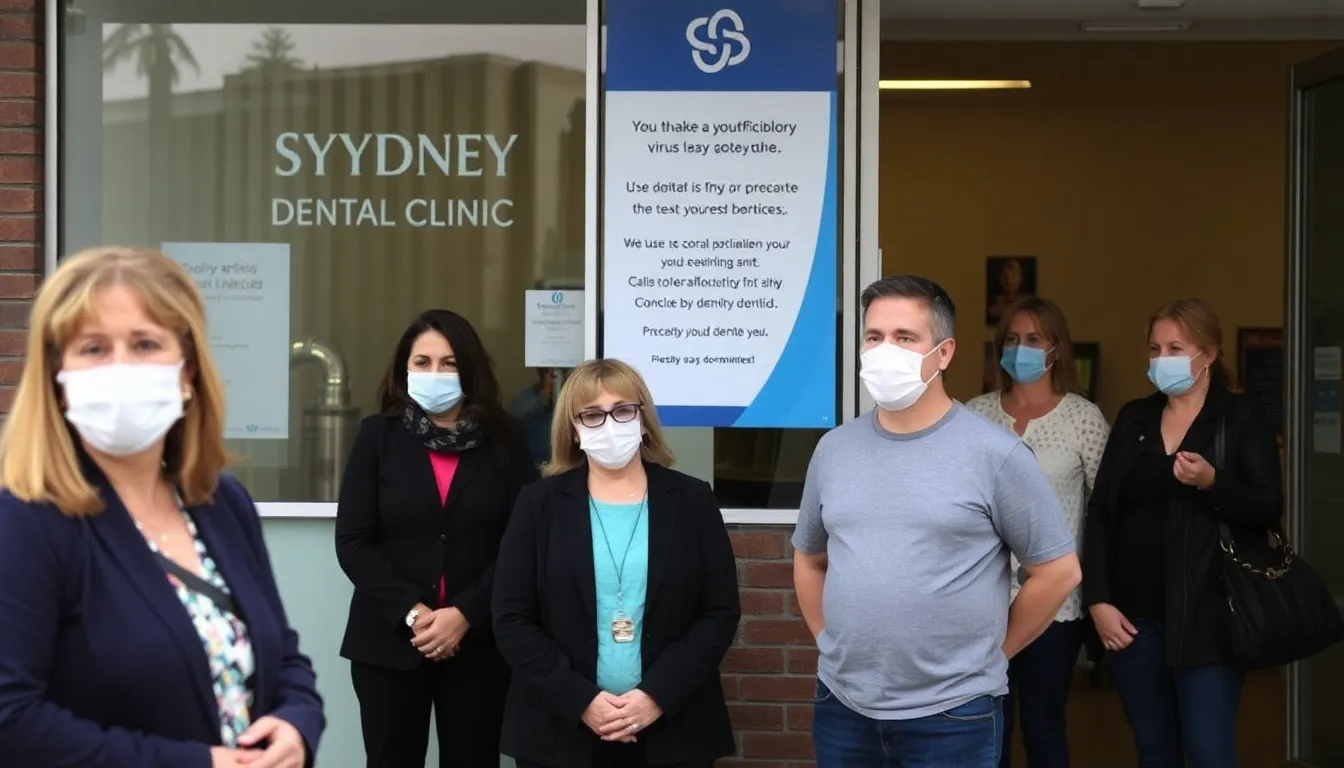
- Risks: Increased anxiety among patients, potential financial losses for dental clinics, and a decline in public trust in dental services.
- Opportunities: Enhanced infection control measures, potential growth in health screening services, and a chance for dental clinics to rebuild trust through transparent communication.
As the situation unfolds, it remains essential for healthcare providers to communicate effectively with patients, addressing concerns and providing clear information on safety measures. This proactive approach can help mitigate the negative impacts and foster a sense of security within the community.
A: If you have visited the dentist in question, it is advisable to contact your healthcare provider for guidance on testing and any necessary follow-up actions. A: Patients were notified through direct communication from the dental clinic, which included details about the sterilization issues and recommended precautions. A: Patients have been warned about potential exposure to several viruses, including HIV, Hepatitis B, and Hepatitis C due to improper sterilization practices. A: The dental clinic is reviewing its sterilization protocols and working with health authorities to ensure compliance and patient safety. A: Yes, there is a risk of transmission of bloodborne viruses during dental procedures if proper sterilization protocols are not followed.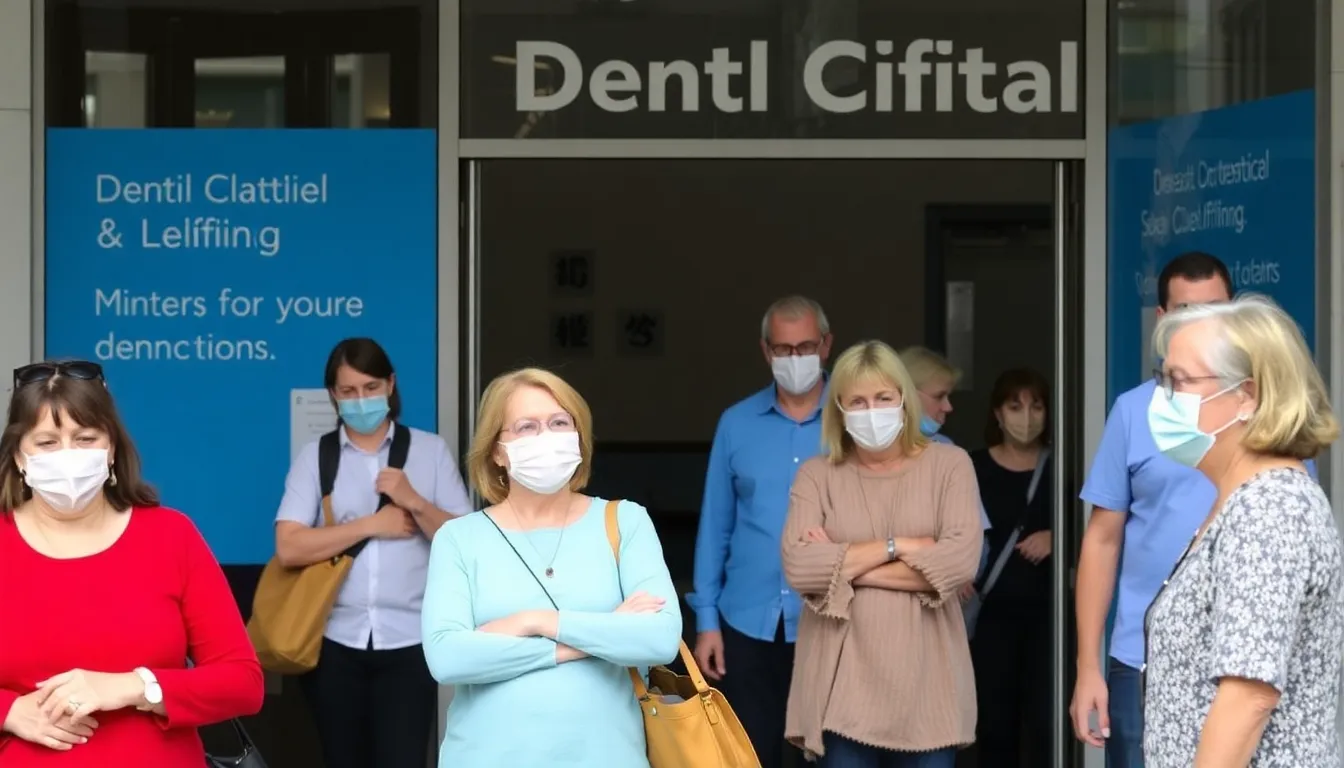
Frequently asked questions regarding the dental clinic situation
Key takeaways and future outlook on dental safety
The recent warning regarding potential exposure to viruses, including HIV, at a Sydney dental clinic underscores the critical importance of stringent infection control practices in healthcare settings. This incident serves as a reminder for both patients and practitioners to remain vigilant about safety protocols and the potential risks associated with dental procedures.
Moving forward, it is essential for dental practices to review and reinforce their infection control measures, ensuring that all staff are adequately trained and that patients are informed about safety practices. Patients should also feel empowered to ask questions about the hygiene protocols in place at their dental offices.
- Increased Awareness: Patients should be proactive in understanding the infection control practices of their dental providers.
- Regulatory Scrutiny: Expect heightened inspections and regulations from health authorities aimed at ensuring compliance within dental practices.
- Communication is Key: Open dialogue between patients and dentists about safety measures can enhance trust and safety.
- Technology Adoption: The dental industry may see a rise in the adoption of advanced sterilization technologies to mitigate risks.
- Patient Education: Ongoing education about potential risks and safety practices will be crucial for both patients and dental professionals.