
As Pali High plans to resume classes in January 2024, parents and community members are voicing their concerns regarding the potential risks associated with the ongoing construction. The school administration has stated that they are implementing enhanced safety measures, including air quality monitoring and fire-resistant materials, to protect students during the rebuilding phase. For more details, see our article on local safety measures.
Local officials have emphasized the importance of ensuring a secure environment for students, given the recent history of wildfires in the region. The Los Angeles Unified School District is collaborating with fire safety experts to develop comprehensive protocols aimed at safeguarding the campus and its occupants. This collaboration highlights the need for community engagement in safety practices.
With the school’s reopening date approaching, many parents are left wondering if the measures being put in place will be sufficient to mitigate the risks associated with the rebuilding process. As the community rallies to support Pali High, the focus remains on balancing the urgency of reconstruction with the paramount need for student safety.
Understanding the impact of the recent wildfires on local schools
The recent wildfires that swept through Los Angeles County have left a profound impact on the community, particularly on educational institutions like Pali High. These fires, exacerbated by climate change and prolonged drought conditions, have raised concerns about safety, infrastructure, and the overall well-being of students and staff. For insights into how such disasters influence schools, refer to our coverage of educational challenges.
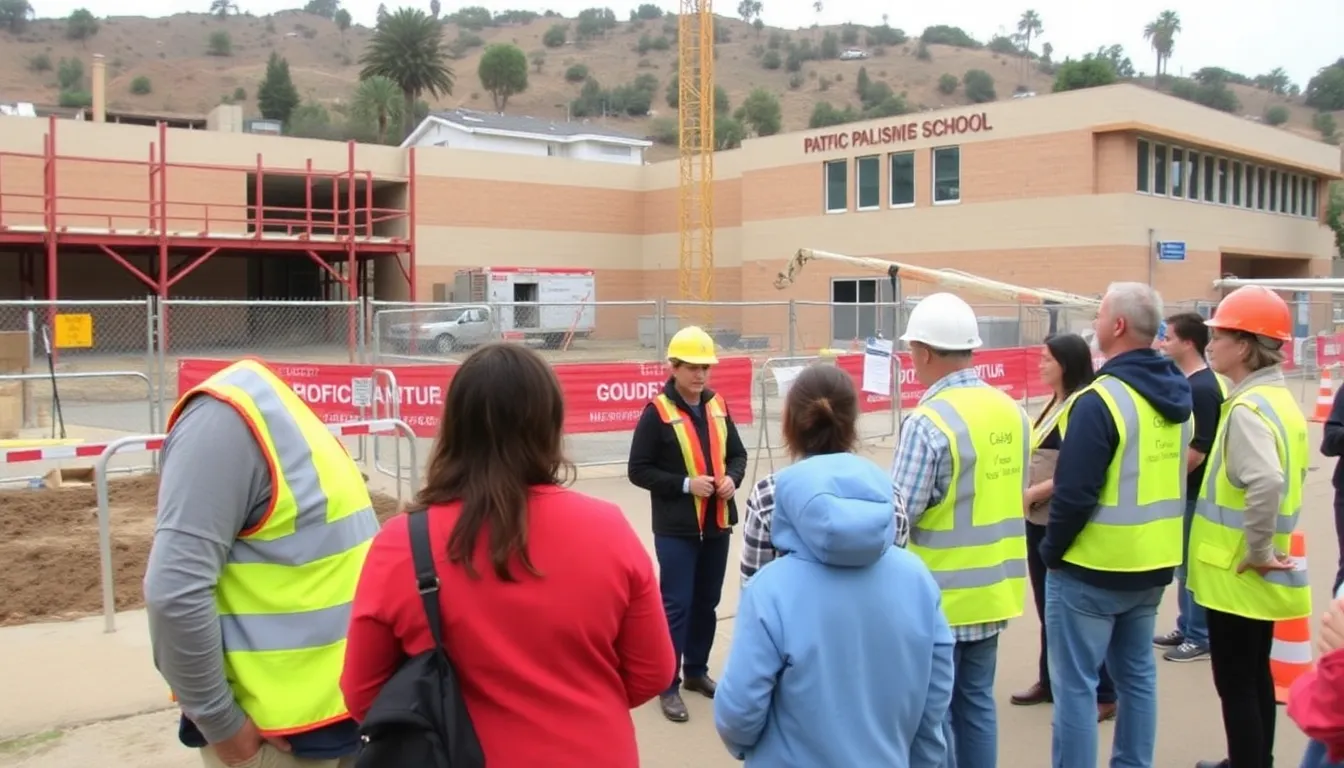
Historically, California has faced numerous wildfire seasons, but the intensity and frequency of these events have escalated in recent years. In 2020, the state experienced some of the largest wildfires on record, prompting a reevaluation of emergency response protocols and safety measures within schools. Pali High, like many other institutions, has had to adapt quickly, implementing new policies to protect students during fire season, including evacuation drills and improved communication systems.
The socio-economic implications for families
The socio-economic landscape of the area has also been affected by these wildfires. Many families have lost their homes or faced significant financial strain, making it challenging to prioritize education amidst recovery efforts. Schools are not just places of learning; they serve as community hubs that provide stability and support. As Pali High rebuilds, it is crucial to consider the needs of these families and the resources necessary to help them recover.
In addition to physical safety, the emotional and psychological impacts of the wildfires cannot be overlooked. Students may experience anxiety and trauma related to the fires, affecting their ability to focus on their studies. Schools must not only address these mental health concerns but also create an environment that fosters resilience and support. The journey ahead for Pali High involves not only rebuilding infrastructure but also reinforcing the community’s commitment to the well-being of its students.
Key stakeholders and their perspectives on school safety
As Pali High embarks on its rebuilding efforts following the devastating LA wildfires, several key stakeholders emerge, each with their own interests and concerns regarding the safety of students. These stakeholders include parents, school administrators, local government officials, and community organizations.
Parents are primarily concerned about the immediate safety of their children as well as the long-term implications of the school’s rebuilding plans. They seek assurances that the infrastructure will be resilient to future wildfires and that adequate safety protocols will be established. Their emotional investment in the safety of their children drives their advocacy for comprehensive risk assessments and improved emergency response strategies.
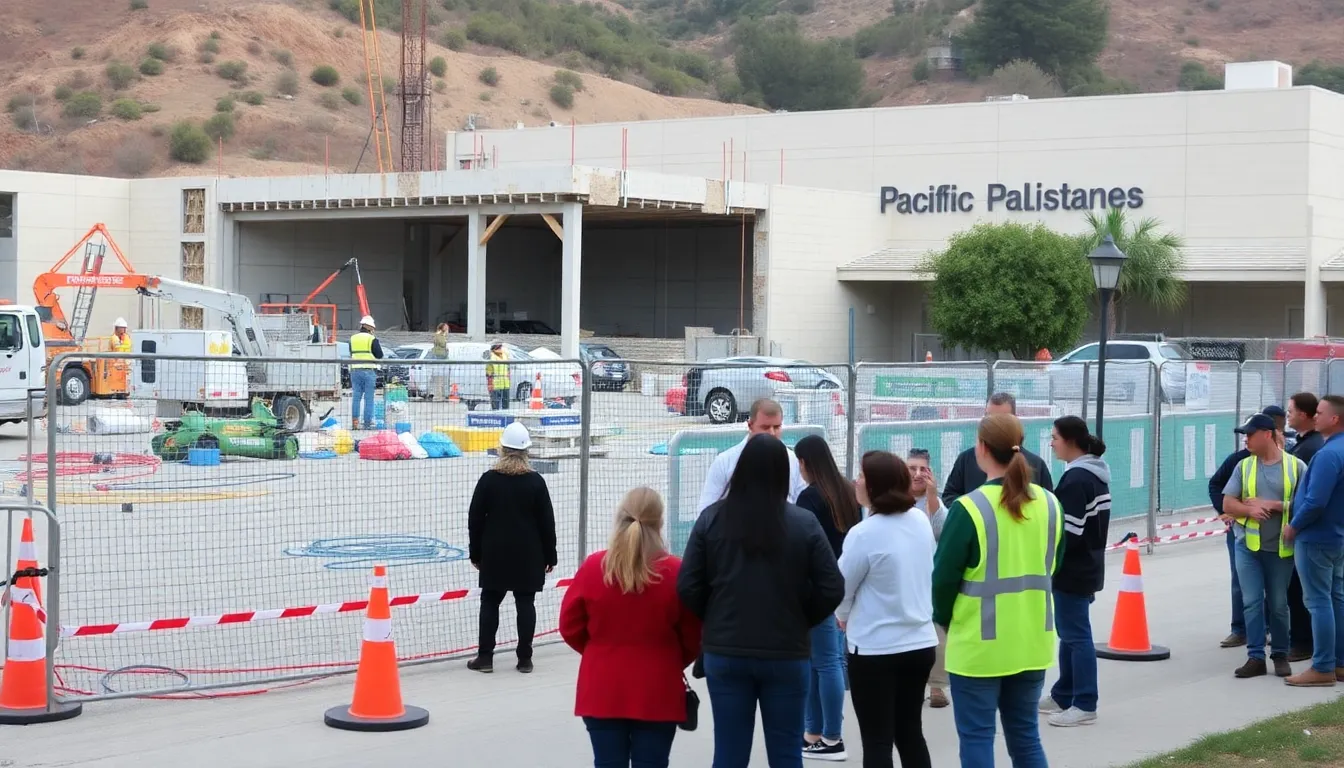
School administrators face the challenge of balancing safety with the need to maintain educational continuity. They are tasked with implementing safety measures while also managing budgets and resources. This often leads to conflicts between the desire for enhanced safety features and the economic realities of funding such initiatives.
Local government officials play a critical role in facilitating the rebuilding process. They must navigate the legal frameworks that govern construction and safety regulations while also addressing community concerns. Additionally, they are responsible for securing funds and resources to support the school’s reconstruction efforts, which can lead to trade-offs between immediate safety enhancements and long-term financial sustainability.
- Parental concerns: Demand for transparent communication regarding safety measures.
- Administrative challenges: Balancing budget constraints with safety upgrades.
- Government roles: Ensuring compliance with safety regulations and securing funding.
- Community organizations: Advocating for comprehensive safety plans and support for affected families.
- Long-term implications: Addressing potential future wildfire risks in rebuilding efforts.
How the rebuilding efforts affect students and families
The aftermath of the LA wildfires has left many families questioning the safety and stability of their children’s educational environment, particularly at Pali High. As the school embarks on its rebuilding efforts, various groups are directly affected, including students, parents, educators, and local businesses that rely on the school community.
In the short term, families may experience disruptions in daily routines as students face potential relocations or changes in their educational settings. The uncertainty surrounding the timeline for rebuilding can lead to anxiety among parents about their children’s safety. Additionally, local businesses that cater to the school community may see fluctuations in patronage as families reassess their immediate needs during this transitional period.
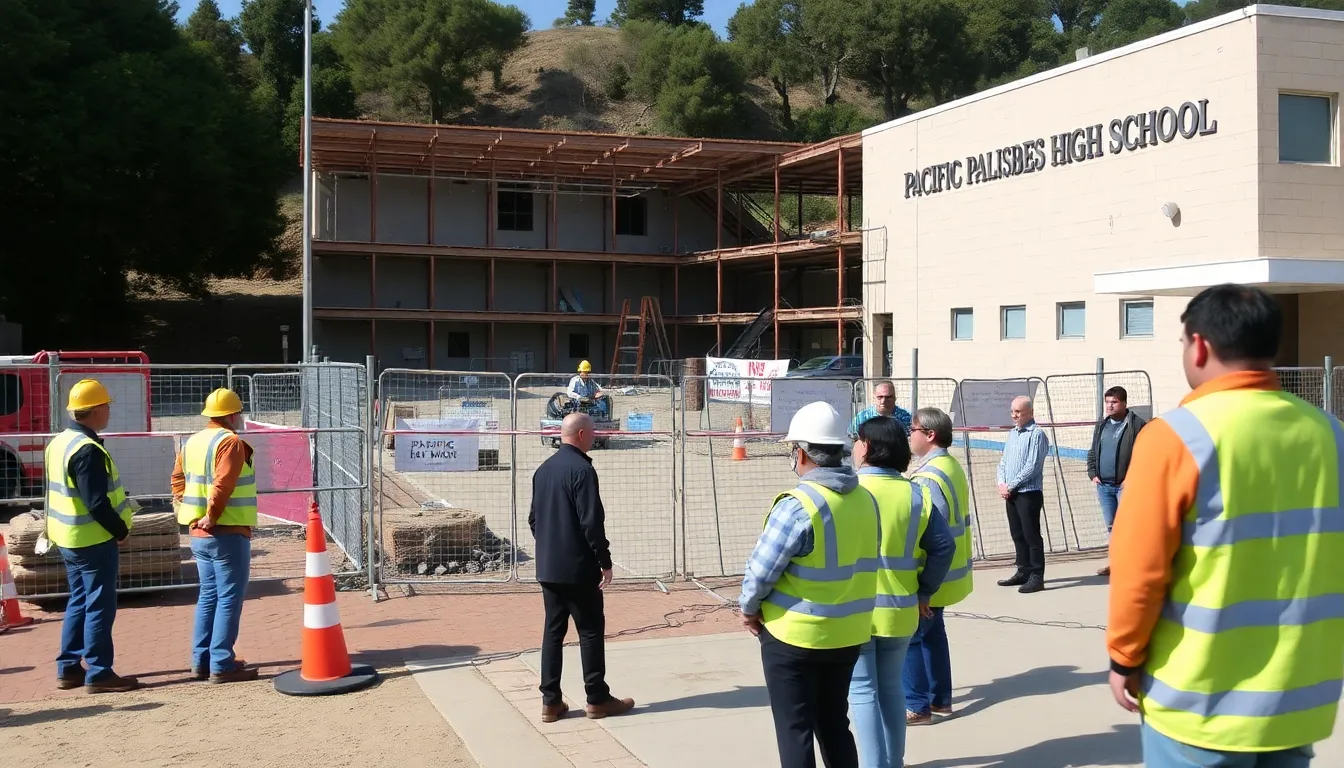
Mid-term impacts could include shifts in enrollment numbers at Pali High and surrounding schools, as families may opt for alternative educational options if they feel that safety measures are insufficient. This could lead to a decrease in funding for the school if enrollment drops, affecting the quality of education. However, the rebuilding process also presents opportunities for improved facilities and resources that could enhance the educational experience in the long run.
- Increased safety measures: The rebuilding efforts may incorporate state-of-the-art safety protocols, ensuring a more secure environment for students.
- Community engagement: Families and local organizations may come together to support rebuilding initiatives, fostering a stronger community bond.
- Economic opportunities: Local contractors and businesses could benefit from the rebuilding projects, stimulating the local economy.
Ultimately, while the rebuilding efforts at Pali High present challenges for students and families in the immediate aftermath of the wildfires, they also hold potential for positive change and growth in the educational landscape of the community.
A: The school administration is implementing strict safety protocols, including regular inspections and updates on construction progress to ensure a safe environment for students. A: The timeline for rebuilding is currently estimated to take several months, with ongoing assessments to expedite the process while maintaining safety. A: Yes, the school has arranged for temporary classrooms to accommodate students while the main facilities are under construction. A: Parents are encouraged to communicate directly with school officials and participate in community meetings to voice their concerns and receive updates. A: Yes, Pali High is committed to providing mental health resources and counseling services to support students during this challenging time.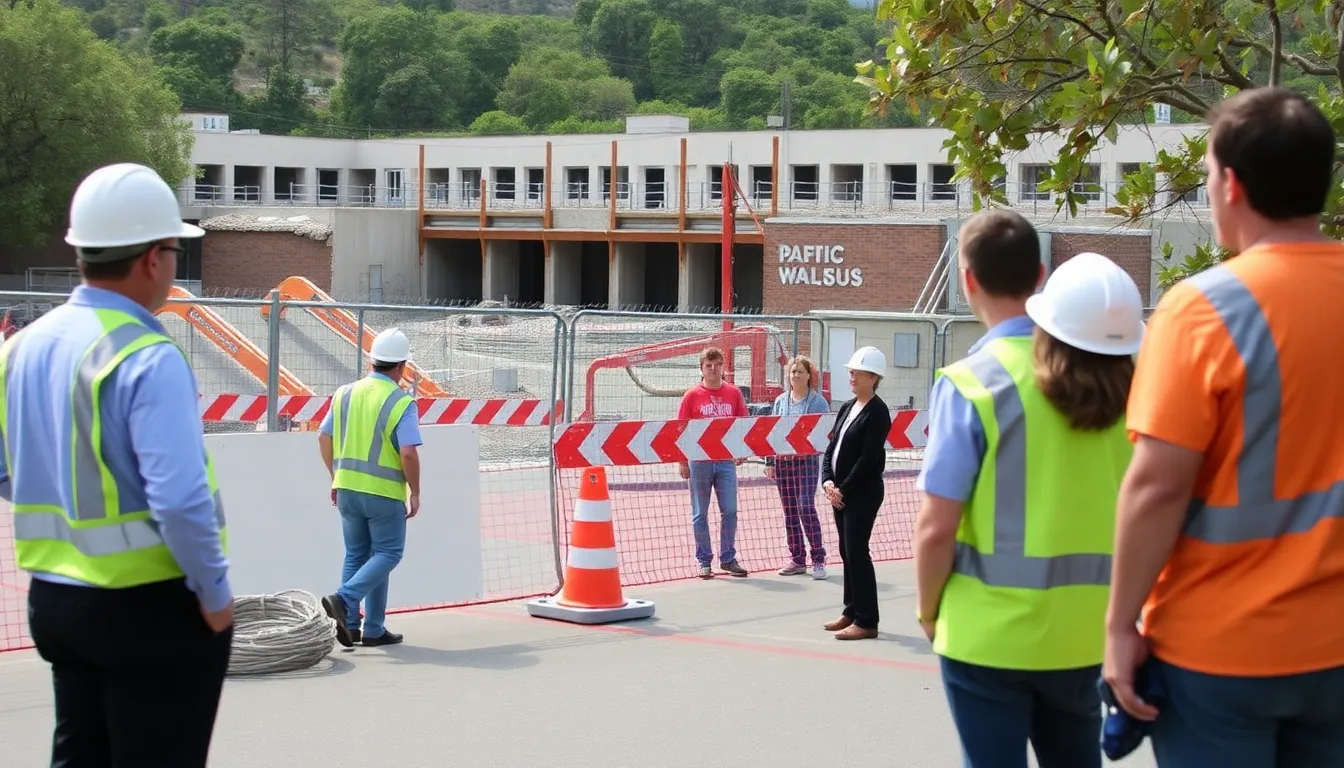
Frequently asked questions about safety at Pali High
Looking ahead: Ensuring safety and community support
As Pali High embarks on its rebuilding journey following the devastating LA wildfires, the safety of students remains a paramount concern for parents and the community. The school’s proactive measures in addressing infrastructure vulnerabilities and enhancing emergency preparedness will play a crucial role in fostering a secure environment for learning. Ongoing communication between school officials and families will be essential in rebuilding trust and ensuring that the community feels supported during this transition.
Moreover, the involvement of local organizations and mental health resources will be vital in helping students cope with the aftermath of the wildfires. As Pali High navigates this challenging period, the focus on safety and community cohesion will be instrumental in not only restoring the school but also in nurturing resilience among its students and families.
- Infrastructure improvements: Watch for updates on safety upgrades and renovations aimed at protecting against future disasters.
- Emergency preparedness training: Anticipate increased training for staff and students on emergency protocols to enhance readiness.
- Community engagement: Stay informed about initiatives that encourage parental and community involvement in the rebuilding process.
- Mental health resources: Monitor the availability of counseling and support services for students affected by the wildfires.
- Long-term sustainability plans: Look for strategic plans that address not only immediate safety but also long-term resilience against climate-related challenges.