
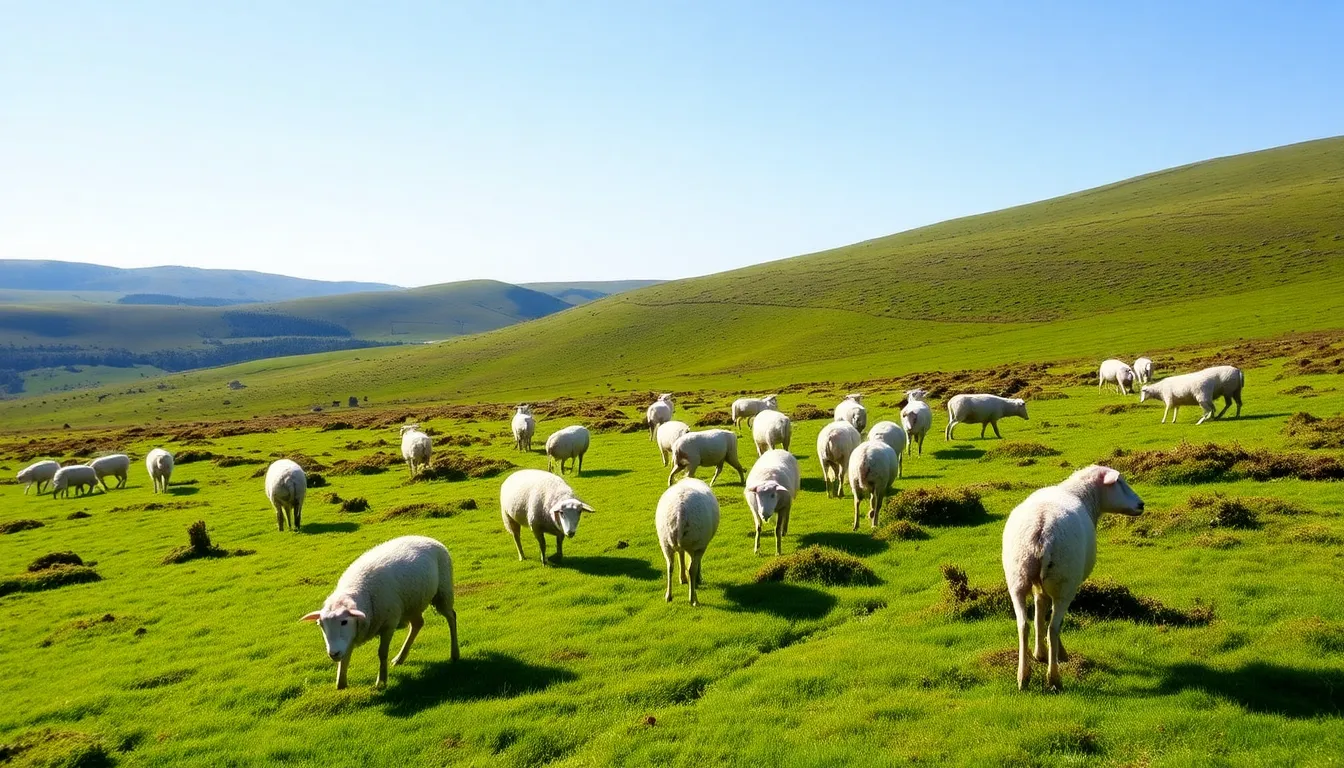
In recent months, various stakeholders, including environmental groups and government agencies, have been exploring innovative solutions to restore and protect these ecosystems. One such initiative involves the use of sheep grazing as a management tool, which proponents argue could help control vegetation and promote the growth of peat-forming plants. This approach has garnered attention as a potential win-win for both agriculture and conservation, similar to how Trump’s push for coal plants impacts different sectors.
The Northern Ireland Environment Agency (NIEA) has been actively involved in peatland restoration projects, collaborating with local farmers and conservationists. In April 2023, a pilot project was launched in County Tyrone, aiming to assess the effectiveness of grazing in enhancing peatland health. Early results indicate that carefully managed grazing could indeed support peat regeneration while providing economic benefits to farmers.
However, challenges remain in balancing agricultural practices with conservation goals. Critics argue that relying on grazing as a primary solution may not address the root causes of peatland degradation. Ongoing discussions among policymakers and environmentalists are essential to develop comprehensive strategies that ensure the long-term sustainability of Northern Ireland’s peatlands.
The historical significance and ecological importance of peatlands
Peatlands, often referred to as bogs or mires, are unique ecosystems that have formed over thousands of years through the accumulation of partially decayed organic matter. Covering approximately 3% of the Earth’s land surface, they play a critical role in carbon storage, water regulation, and biodiversity. In Northern Ireland, peatlands represent a significant part of the landscape, with their historical roots intertwined with local culture and land use practices.
The significance of peatlands in Northern Ireland dates back to ancient times when they were used as a resource for fuel and building materials. However, industrialization and agricultural expansion in the 20th century led to widespread drainage and degradation of these vital ecosystems. The impact of such practices has been profound, contributing to the release of stored carbon into the atmosphere and exacerbating climate change, while also threatening the unique flora and fauna that depend on these habitats.
Political and Economic Factors
The political landscape surrounding peatland management in Northern Ireland has been shaped by various factors, including agricultural policies and environmental regulations. The 1990s saw a growing awareness of environmental issues, leading to initiatives aimed at peatland restoration. However, the lack of cohesive policy and funding has hindered progress, much like the concerns raised by MPs regarding data access which highlight the complexity of governance.
In recent years, the conversation around peatlands has gained momentum, particularly with the increasing focus on climate change and biodiversity loss. Initiatives such as the EU’s Biodiversity Strategy and local conservation programs have sought to address these challenges. Nevertheless, the balance between economic development and environmental sustainability remains a contentious issue, highlighting the need for innovative solutions that can reconcile both interests.
As Northern Ireland grapples with its peatland problems, the exploration of alternative solutions, such as sustainable sheep grazing and wool production, has emerged. This approach not only aims to restore peatland health but also provides economic opportunities for local communities, suggesting a potential pathway towards a more sustainable future for both the environment and the economy.
Key stakeholders involved in peatland restoration efforts
The restoration of peatlands in Northern Ireland involves a diverse group of stakeholders, each with unique interests and perspectives. These include local communities, environmental organizations, government bodies, and agricultural sectors. Understanding their roles and motivations is crucial for navigating the complexities of peatland management.
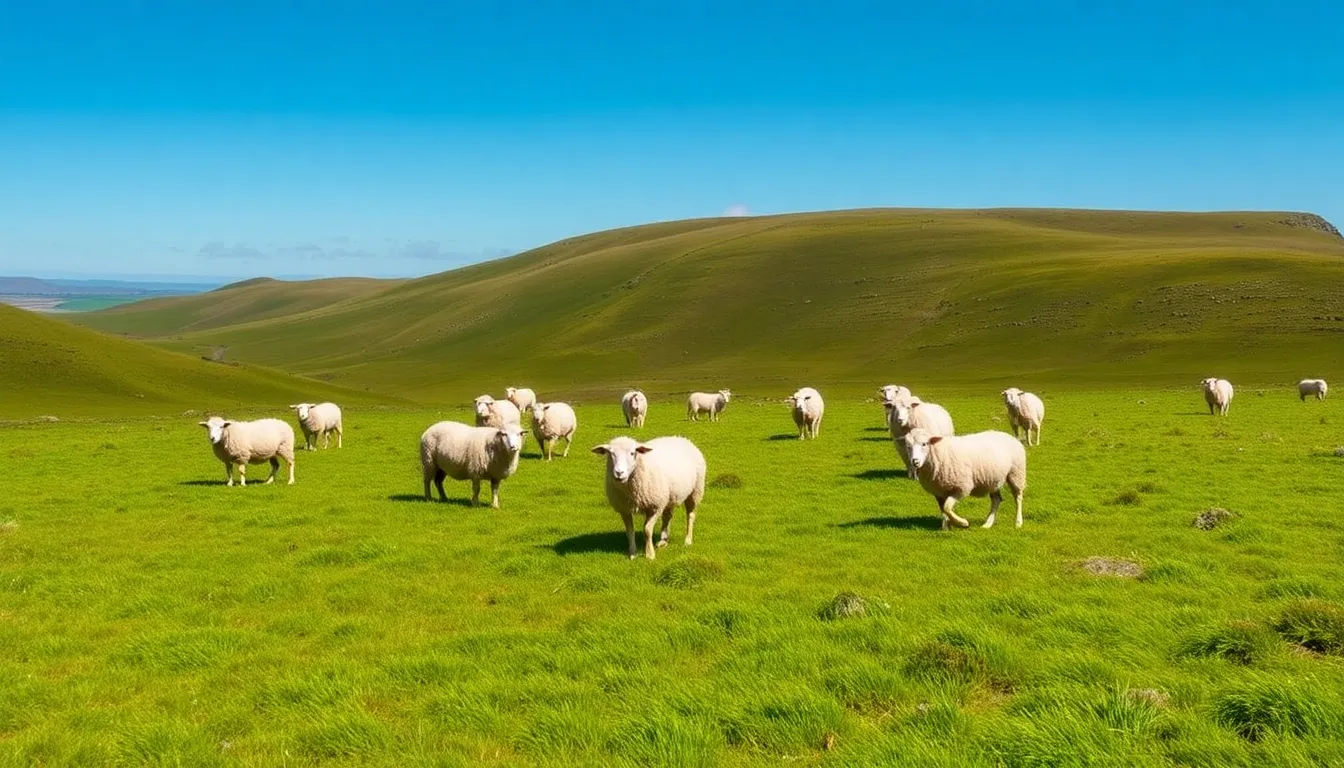
Local communities often have a vested interest in peatland restoration, as these areas can provide essential ecosystem services such as water filtration and carbon storage. However, there may be conflicts with agricultural interests, as some farmers rely on peatland for grazing and other agricultural practices. This tension highlights the need for collaborative solutions that balance ecological health with economic viability.
Environmental organizations play a pivotal role in advocating for peatland restoration, emphasizing the ecological benefits and the urgent need to combat climate change. These groups often push for stricter regulations and funding for restoration projects, which can sometimes clash with governmental policies aimed at supporting agricultural productivity. This dynamic creates a complex landscape where economic and environmental priorities must be carefully weighed, similar to the ongoing discussions around UFO document releases that balance public interest and transparency.
Government bodies, including local councils and environmental agencies, are tasked with creating policies that address both environmental protection and economic development. They face the challenge of aligning the interests of various stakeholders while adhering to legal frameworks that govern land use and conservation. Key issues include funding for restoration projects, land ownership disputes, and the implementation of effective management practices.
- Local communities may support restoration for ecological benefits but resist changes that affect their livelihoods.
- Environmental organizations advocate for restoration funding and stricter regulations, sometimes conflicting with agricultural interests.
- Government policies must balance economic development with environmental protection, often leading to trade-offs.
- Legal frameworks governing land use can complicate restoration efforts, requiring careful navigation of ownership and usage rights.
- Collaboration among stakeholders is essential for developing effective, sustainable solutions to peatland management.
The potential benefits for local communities and the environment
The initiative to utilize wool as a solution for peatland restoration in Northern Ireland stands to benefit various groups, including local farmers, environmental organizations, and the broader community. Farmers who produce wool can find new markets for their product, while environmentalists may see a reduction in carbon emissions and an improvement in biodiversity.
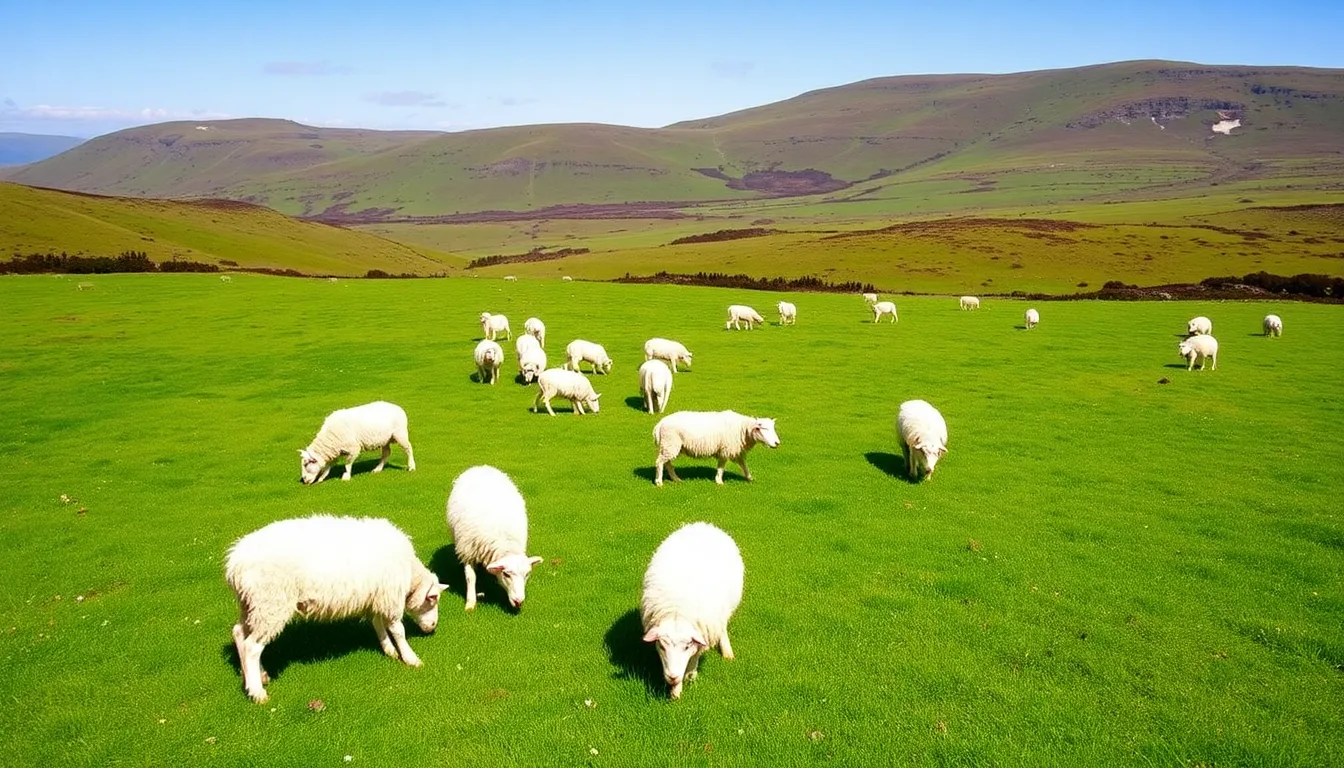
In the short term, local farmers may experience an increase in demand for wool, leading to higher income potential. This shift can stimulate the agricultural sector, encouraging farmers to engage in sustainable practices that align with environmental goals. Additionally, local businesses that support wool processing and distribution could see growth, creating jobs and enhancing the local economy.
Mid-term impacts may include improved environmental conditions, such as healthier peatlands that support wildlife and enhance carbon sequestration. This could lead to a more resilient ecosystem, benefiting tourism and outdoor recreation industries. As awareness of the environmental benefits of wool increases, there may also be a shift in consumer preferences towards sustainable products.
- Increased income opportunities for farmers.
- Job creation in local businesses related to wool processing.
- Enhanced biodiversity and ecosystem health.
- Potential for tourism growth linked to improved natural landscapes.
However, there are risks associated with this transition. Farmers may face challenges in adapting to new practices, and there could be initial resistance to changing established agricultural methods. Additionally, if not managed properly, the increased demand for wool could lead to overproduction, which might undermine its market value.
Despite these risks, the potential opportunities for economic growth and environmental sustainability present a compelling case for the wool solution in addressing peatland issues in Northern Ireland. Stakeholders must collaborate to ensure that the benefits are maximized while mitigating any negative impacts.
A: Peatlands are wetlands that store carbon and support biodiversity. They play a crucial role in climate regulation and water quality. A: Wool can be used as a natural material for erosion control and to retain moisture in peatlands, promoting plant growth and habitat restoration. A: Key stakeholders include environmental organizations, local farmers, government agencies, and community groups working together for restoration. A: The use of wool is expected to enhance biodiversity, improve soil health, and contribute to carbon sequestration efforts. A: Yes, challenges include sourcing sufficient wool and ensuring community engagement and support for the restoration projects.
Frequently asked questions about peatland restoration
Looking ahead: the future of peatland restoration in Northern Ireland
The innovative approach of utilizing sheep to manage and restore peatlands in Northern Ireland presents a unique opportunity to address environmental concerns while promoting sustainable agriculture. This method not only aids in the restoration of vital ecosystems but also supports local farmers, creating a symbiotic relationship that could redefine land management practices in the region.
As stakeholders continue to explore the potential of this woolly solution, it will be essential to monitor the effectiveness of such initiatives and their broader implications for biodiversity, carbon sequestration, and community engagement. The success of these strategies could serve as a model for other regions facing similar environmental challenges.
- Integration of agriculture and ecology: The collaboration between farmers and conservationists will be crucial in developing sustainable land management practices.
- Monitoring outcomes: Regular assessment of peatland health and biodiversity will help gauge the effectiveness of using sheep for restoration purposes.
- Community involvement: Engaging local communities in peatland restoration efforts can foster a sense of ownership and responsibility towards environmental stewardship.
- Policy support: Continued governmental and institutional backing will be vital in promoting innovative approaches to peatland restoration and ensuring their long-term viability.
- Potential for scalability: Success in Northern Ireland could inspire similar initiatives in other regions, highlighting the importance of adaptable solutions to environmental issues.