
This case has garnered attention not only for its implications for the individual involved but also for the broader ramifications it holds for the tech industry. Many fear that the prosecution may set a precedent for increased scrutiny and regulation of technology companies, potentially stifling innovation and free expression. In particular, the regulatory practices raise questions about the motivations behind the legal actions.
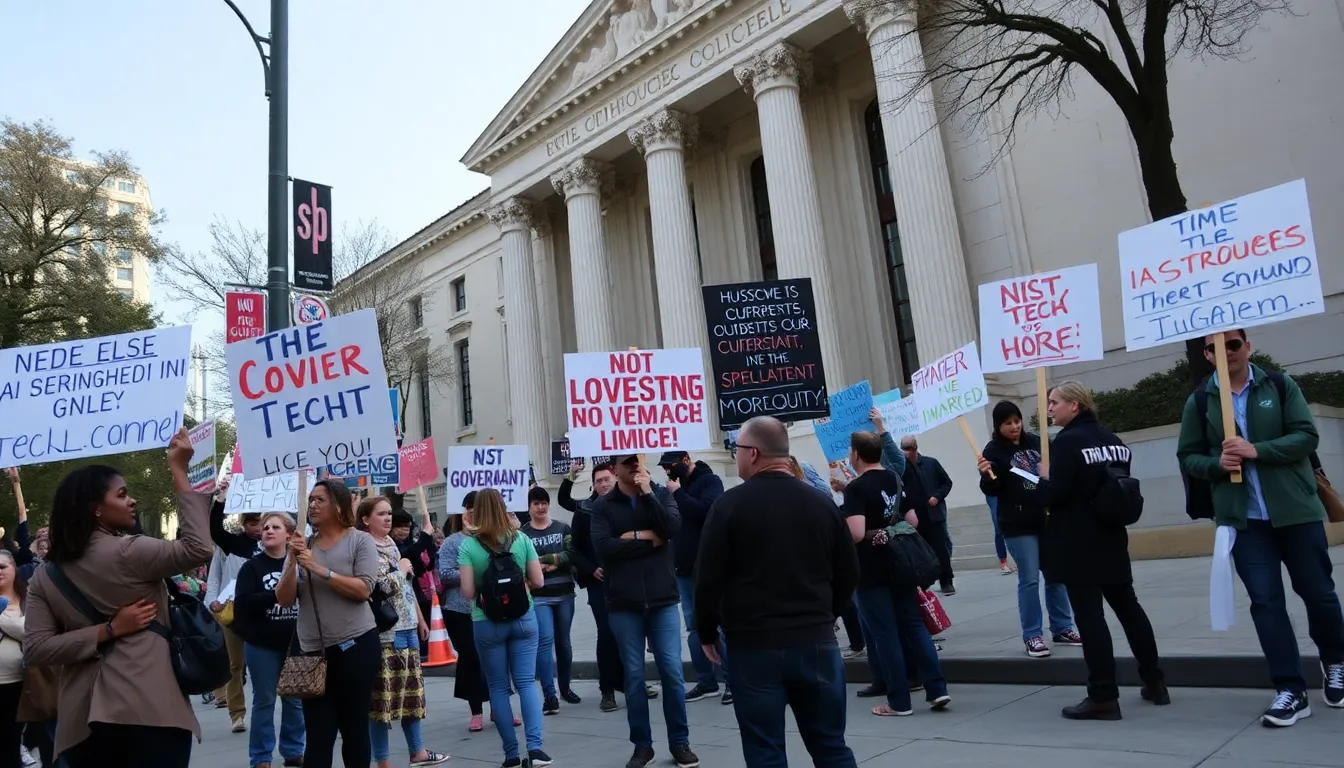
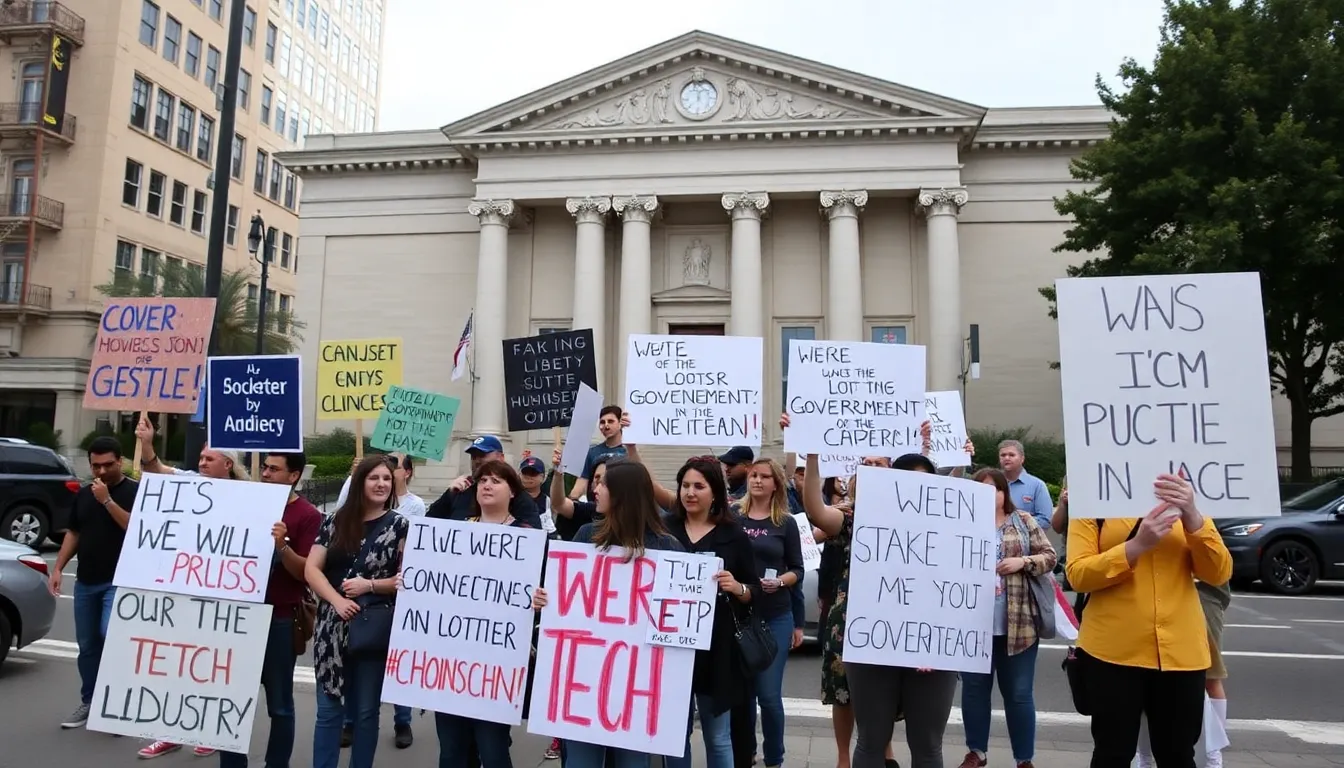
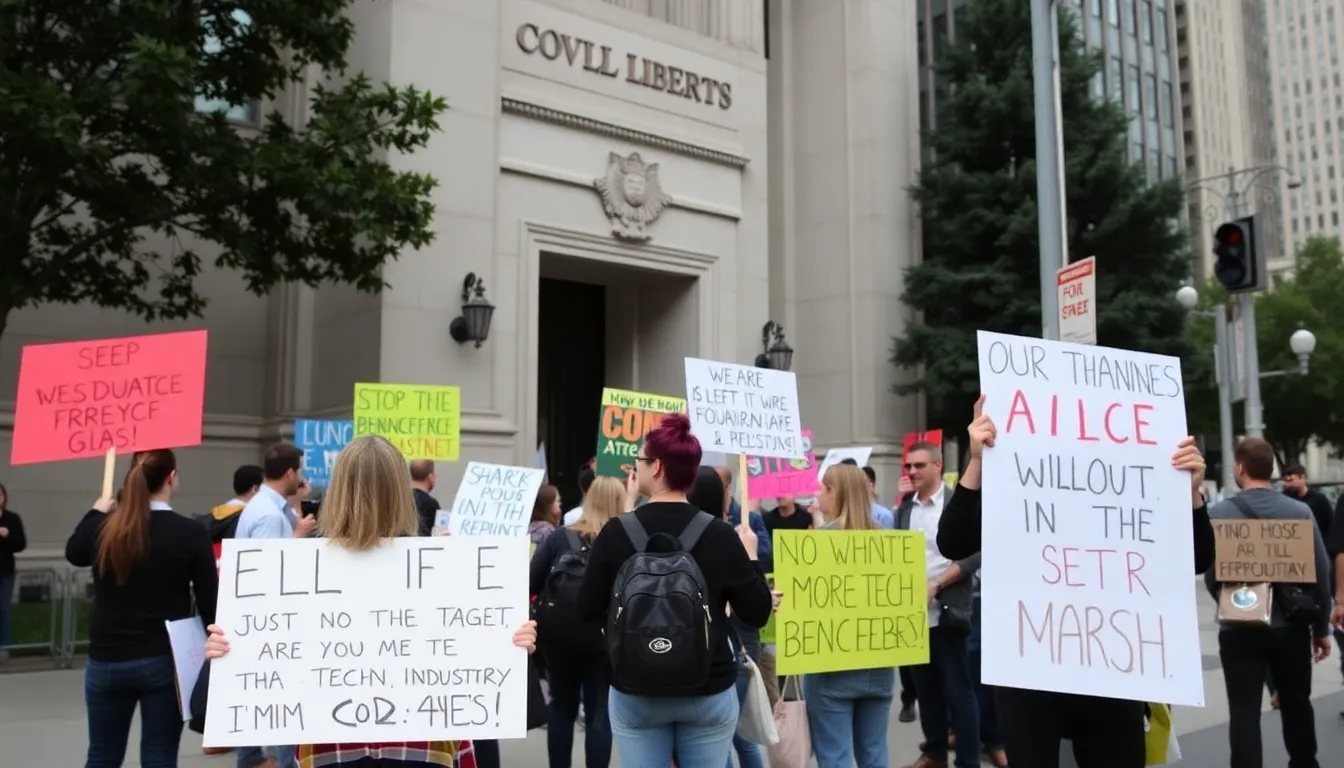
In response to the prosecution, several advocacy groups have organized protests, emphasizing the need for transparency and accountability in governmental actions. They argue that the case could be a strategic move to exert control over a sector that has often challenged traditional power structures. This situation has prompted discussions among lawmakers and industry representatives about the balance between regulation and the protection of individual rights.
As the trial date approaches, scheduled for early December 2023, the stakes continue to rise. Observers are closely monitoring the developments, as the outcome may influence not only the defendant’s future but also the landscape of the tech industry and its relationship with regulatory bodies. The case serves as a critical touchpoint for debates surrounding freedom, innovation, and the role of government in the digital age.
Understanding the Background of the Case
The prosecution of the tech tycoon has emerged as a significant event in the context of rising authoritarianism in various global political landscapes. Over the past decade, numerous governments have increasingly scrutinized and regulated the tech industry, often under the pretext of national security or public safety. This trend has raised alarms about the potential erosion of civil liberties and the chilling effect on innovation, as discussed in recent articles.
Historically, the relationship between technology and government has been fraught with tension. In many countries, the tech sector has been viewed as a double-edged sword; while it drives economic growth and innovation, it also poses challenges to traditional power structures. The rise of social media, for instance, has transformed communication and mobilization, leading to both democratic movements and authoritarian crackdowns. Key milestones, such as the Arab Spring and the response of various regimes to digital dissent, highlight this complex dynamic.
The Economic Landscape
The economic implications of the tech industry cannot be overstated. As tech companies have grown into some of the most valuable enterprises globally, they have also become targets for governments seeking to assert control over economic power. The prosecution of tech leaders often coincides with broader economic strategies aimed at redistributing wealth or stifling competition. In this case, the tycoon’s wealth and influence may have made him a symbol of a system that some authorities wish to reshape.
Moreover, the legal precedents set by previous cases can significantly influence the current prosecution. In many instances, high-profile tech figures have faced legal challenges that reflect underlying tensions between innovation and regulation. These cases often serve as cautionary tales for other entrepreneurs, illustrating the risks of operating in an environment where government intervention is unpredictable and potentially punitive.
Key Stakeholders and Issues at Play
The prosecution of a prominent tech tycoon has sparked significant debate surrounding the implications for personal freedoms and the role of government in regulating powerful industries. Various stakeholders are involved, each with distinct interests that complicate the narrative.
At the forefront is the tech tycoon, whose company has been instrumental in shaping the digital landscape. Their primary interest lies in defending their reputation and business model, which they argue is rooted in innovation and consumer choice. However, the prosecution raises concerns about potential overreach by authorities that could stifle technological advancement and entrepreneurship.
Government agencies, particularly those involved in regulatory oversight, are also key players. Their interest is in enforcing laws that ensure fair competition and protect consumers. However, the methods employed in this prosecution may lead to accusations of authoritarianism, as critics argue that such actions could be used to silence dissent and curb freedoms in the tech sector.
- Public Sentiment: The general public is divided; some view the prosecution as necessary for accountability, while others see it as a threat to innovation.
- Legal Precedents: This case may set important legal precedents regarding the limits of government power in regulating private enterprises.
- International Implications: The outcome could influence global tech policies, affecting how governments interact with multinational corporations.
- Economic Impact: The prosecution may have ripple effects on the tech industry, potentially leading to reduced investments and innovation.
In summary, the intersection of legal, economic, and social factors in this case illustrates the complex dynamics at play, highlighting the delicate balance between regulation and freedom in a rapidly evolving technological landscape.
Potential Impact on the Tech Industry and Society
The prosecution of a prominent tech tycoon has sent ripples through various sectors, particularly the technology industry, leading to widespread concern among entrepreneurs, investors, and consumers. The implications of this legal action extend beyond individual companies, raising questions about regulatory practices and the future of innovation in a climate perceived as increasingly authoritarian.
Several groups are directly affected, including:
- Tech startups and established companies facing increased scrutiny.
- Investors who may reconsider funding in a more uncertain environment.
- Consumers who could experience changes in product availability and pricing.
- Policy makers who might feel pressured to alter regulations governing the tech industry.
In the short term, businesses may experience heightened anxiety, leading to a slowdown in investment and innovation. Companies might divert resources to legal compliance and risk management rather than research and development. This shift could stifle creativity and slow the introduction of new technologies, impacting job creation and economic growth.
In the mid-term, there may be a push for clearer regulations aimed at balancing innovation with accountability. While this could impose additional burdens on tech firms, it also presents an opportunity for companies to advocate for fair policies that promote ethical practices. Furthermore, businesses that adapt quickly to new regulatory landscapes could gain a competitive advantage.
Overall, while the risks of authoritarian overreach loom large, there remains potential for a more structured and responsible tech environment that could ultimately benefit society. The challenge will be to navigate these turbulent waters while fostering an ecosystem that encourages innovation without compromising democratic values.
A: The tech tycoon faces charges related to financial misconduct and regulatory violations, which critics argue are politically motivated. A: This case is seen as a reflection of increasing authoritarian tendencies in governance, where dissent is often met with legal repercussions. A: Other tech leaders may face heightened scrutiny and fear of similar legal actions, potentially stifling innovation and free expression. A: Public response has been mixed, with some supporting the legal actions while others view them as a threat to democratic principles. A: The legal proceedings are expected to unfold over the coming months, with potential appeals and public demonstrations likely.
Frequently Asked Questions About the Prosecution
Key Takeaways and Future Outlook on Authoritarianism
The prosecution of a prominent tech tycoon has sparked widespread concerns regarding the potential for authoritarian overreach in governance. As governments increasingly target influential figures in the tech industry, the implications for innovation, freedom of expression, and economic stability become more pronounced. Observers must remain vigilant about the balance between regulatory oversight and the preservation of democratic values.
Looking ahead, the intersection of technology and governance will likely shape the landscape of civil liberties and corporate responsibility. Stakeholders in both the public and private sectors should prepare for an evolving environment where the lines between accountability and suppression may blur.
- Monitor Regulatory Changes: Keep an eye on new laws and regulations that may disproportionately affect tech companies and their leaders.
- Watch for Public Sentiment: Public opinion may shift in response to high-profile prosecutions, influencing future policy directions.
- Assess Global Trends: Examine how similar cases in other countries impact international relations and the global tech ecosystem.
- Evaluate Corporate Governance: Companies may need to reassess their governance structures to navigate potential political pressures.
- Consider Civil Society Responses: Non-governmental organizations and advocacy groups will likely play a crucial role in defending democratic principles in the face of authoritarianism.