
The event also featured a memorable performance by George Clinton, who shared the stage with Erykah Badu, showcasing a blend of musical styles that captivated the audience. Clinton’s presence, alongside Badu’s soulful artistry, highlighted the importance of collaboration and creativity in addressing contemporary issues through music. For further insights on artistic collaborations, you can check out Tony Kanal’s discussion on No Doubt.
As the gala celebrated the contributions of various artists to the music landscape, Jackson’s emphasis on harmony resonated deeply with attendees. This gathering not only honored musical achievements but also served as a reminder of the role that artists play in influencing societal change.
With prominent figures like Jackson and Clinton advocating for peace and collaboration, the Grammy Hall of Fame Gala has become a platform for promoting messages that transcend music, encouraging a collective effort towards a more harmonious future.
The significance of the Grammy Hall of Fame Gala
The Grammy Hall of Fame Gala serves as a celebration of musical excellence and cultural impact, honoring recordings that have made significant contributions to the history of music. Established by the Recording Academy, the gala not only recognizes iconic artists but also aims to promote the values of diversity and inclusion within the music industry. This year’s event featured notable performances and speeches, including a powerful call for peace from Janet Jackson and a collaboration between George Clinton and Erykah Badu, highlighting the ongoing relevance of music as a platform for social change.

Historically, the Grammy Awards have been a reflection of the evolving landscape of the music industry, with the Hall of Fame serving as a repository of influential works. Since its inception in 1973, the Hall has inducted over 1,000 recordings, representing a wide array of genres and styles. This year’s gala not only commemorated the past but also addressed current social issues, drawing attention to the role of artists in advocating for peace and unity in a time of division.
Janet Jackson’s call for peace is particularly poignant given the current socio-political climate. As a prominent figure in the music industry, Jackson has long used her platform to address issues such as racial inequality, gender rights, and mental health awareness. Her message at the gala resonated with many, emphasizing the need for solidarity and understanding among diverse communities, a sentiment that has been echoed by various artists throughout history. This aligns with ongoing discussions about our relationship with societal issues, as seen in Stanley Tucci’s call for change in our relationship with food.
The legacy of collaboration in music
The collaboration between George Clinton and Erykah Badu at the gala exemplifies the rich tradition of musical partnerships that transcend genres and generations. Clinton, a pioneer of funk music, has influenced countless artists, while Badu represents a modern voice in the neo-soul movement. Their performance not only celebrated their individual legacies but also highlighted the power of collaboration in fostering creativity and unity within the music community.
Such collaborations have historically played a crucial role in shaping musical trends and addressing societal issues. From the civil rights movement to contemporary social justice movements, artists have often come together to amplify their messages and inspire change. The Grammy Hall of Fame Gala stands as a testament to this enduring legacy, reminding us of the profound impact that music can have on society, much like the current challenges faced by those discussed in the recent C.D.C. challenges.
The impact of music legends on social issues
Janet Jackson and George Clinton, both iconic figures in the music industry, have leveraged their platforms to address pressing social issues. Jackson’s recent call for peace highlights her commitment to using her artistry as a means of advocacy, while Clinton’s collaboration with Erykah Badu at the Grammy Hall of Fame Gala showcases the power of music to unite and inspire. Together, they represent a generation of artists who recognize their influence beyond entertainment.

Key stakeholders in this scenario include the artists themselves, their fanbases, music industry organizations, and social advocacy groups. Janet Jackson’s interest lies in promoting social harmony and addressing systemic issues through her music and public appearances. In contrast, George Clinton and Erykah Badu aim to celebrate musical heritage and foster community through their collaborative performances.
However, the intersection of music and activism often presents conflicts and trade-offs. Artists may face backlash from audiences who disagree with their political stances, which can impact their commercial success. Additionally, the music industry itself grapples with balancing profit motives against the desire for social responsibility. This dichotomy raises questions about the role of artists in advocating for change while maintaining their careers.
- Economic Interests: Artists must navigate the commercial aspects of their careers while advocating for social causes.
- Audience Reception: Public opinion can significantly influence an artist’s ability to express political views without facing backlash.
- Industry Dynamics: Record labels and event organizers may prioritize profitability over social messages, complicating artists’ efforts.
- Collaborative Efforts: Partnerships between artists can amplify messages but also risk diluting individual voices.
In this context, the legal frameworks surrounding free speech and artistic expression further complicate the landscape. Artists must navigate the implications of their statements, especially in politically charged environments. The balance between advocacy and commercial viability remains a critical issue for music legends like Jackson, Clinton, and Badu as they continue to shape cultural conversations through their work.
How the event influences fans and the music industry
The recent call for peace by Janet Jackson, coupled with the electrifying performance by George Clinton and Erykah Badu at the Grammy Hall of Fame Gala, resonates deeply with various groups, particularly music fans and industry stakeholders. This event not only celebrates musical achievements but also serves as a platform for social messages that can inspire change among diverse audiences.
Fans of all ages are likely to feel an immediate sense of connection and empowerment from Jackson’s message. This call for peace may lead to increased engagement in social and community initiatives, fostering a sense of unity among fans. In the short term, this could manifest in heightened attendance at concerts and events, as fans rally around artists who advocate for important social issues.

For the music industry, the collaboration between iconic artists like Clinton and Badu showcases the potential for cross-generational influence. This partnership may encourage record labels and producers to invest in more collaborative projects that blend different genres and styles, leading to innovative music that appeals to a broader audience. In the mid-term, this could reshape market trends and influence the types of music that gain popularity.
- Short-term impacts: Increased concert attendance, fan engagement, and social initiative participation.
- Mid-term impacts: Shifts in industry investment towards collaborative projects and genre-blending music.
- Risks: Potential backlash from audiences who may not align with the social messages being promoted.
- Opportunities: Enhanced brand partnerships and marketing strategies focused on social responsibility.
Regions with strong music scenes may experience a revitalization in local events and festivals, as the momentum from such high-profile collaborations encourages communities to celebrate their musical heritage. Local businesses, particularly those in the entertainment and hospitality sectors, could see a boost in revenue as fans flock to venues hosting related events.
A: Janet Jackson emphasized the importance of peace and unity during her speech, urging attendees to come together for positive change. A: George Clinton performed alongside Erykah Badu, showcasing their unique styles and celebrating the legacy of music. A: The gala honors influential artists and their contributions to music, promoting awareness of cultural and social issues. A: Events like this galvanize artists and fans alike, reinforcing the role of music as a catalyst for social change.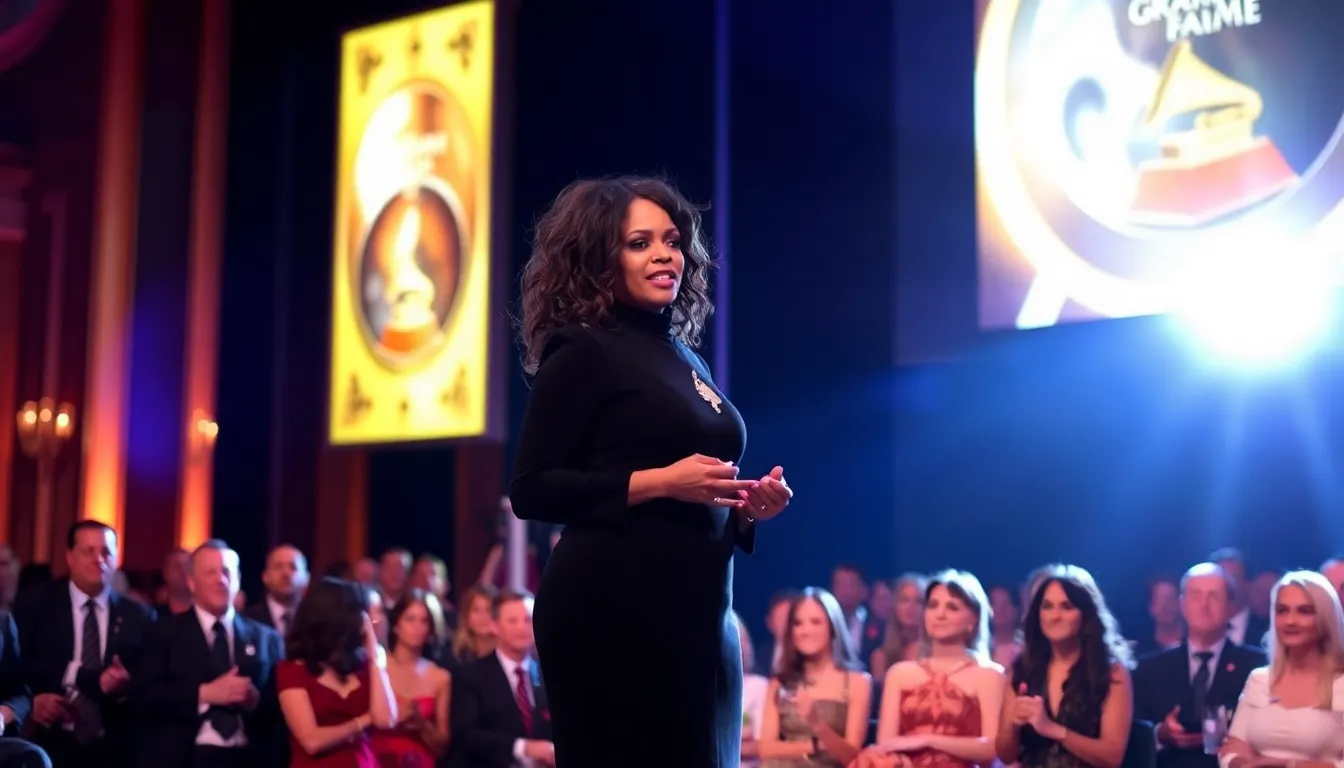
Frequently asked questions about the gala
Key takeaways and future implications of the gala
The Grammy Hall of Fame Gala highlighted the enduring influence of music as a vehicle for social change and unity. Janet Jackson’s call for peace resonates beyond the event, reflecting a collective desire for harmony in a time of division. Meanwhile, the collaboration between George Clinton and Erykah Badu signifies a bridging of generations in the music industry, emphasizing the importance of legacy and innovation in artistic expression.
As the music community continues to navigate evolving social landscapes, the gala serves as a reminder of the power of art to inspire dialogue and foster connections. Observers should remain attuned to how these performances and messages shape public discourse and influence future collaborations across genres.
- Expect an increase in socially conscious collaborations as artists use their platforms for advocacy.
- Monitor how events like the Grammy Hall of Fame Gala influence public perceptions of music’s role in social issues.
- Anticipate a resurgence of interest in classic artists as they engage with contemporary musicians, creating new dialogues.
- Watch for potential initiatives stemming from Jackson’s call for peace, as artists may rally around similar causes.
- Consider the implications of these performances on the future direction of music festivals and award shows, emphasizing inclusivity and collaboration.