
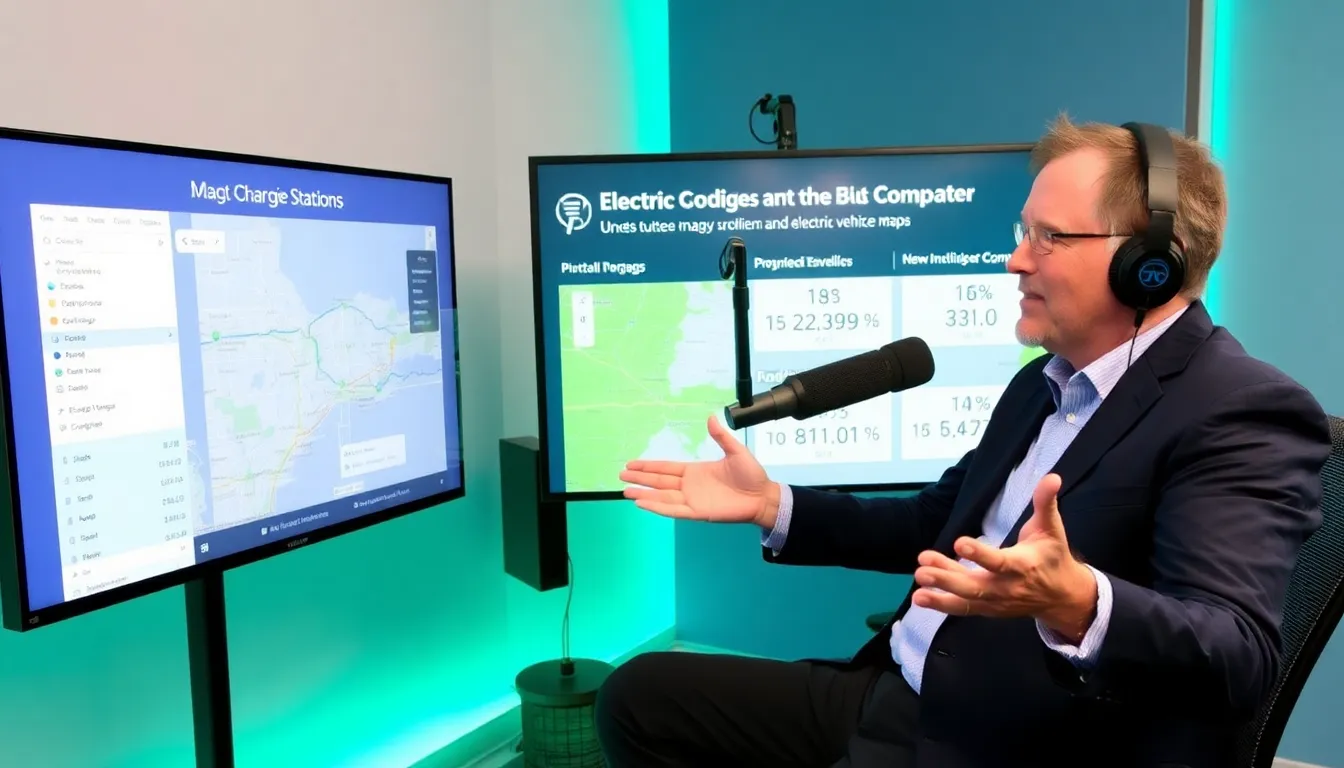
In a recent podcast featuring Paul Daley, the complexities of navigating long distances in an EV were discussed, shedding light on the real-world experiences of drivers. Daley emphasizes the importance of understanding charging station availability and the time required to recharge, which can vary significantly between different models and regions. This variability can deter potential buyers who may be hesitant to commit to an EV lifestyle, especially considering the challenges outlined in related discussions on fuel costs.
Moreover, the current landscape of EV technology is evolving rapidly, with manufacturers racing to enhance battery efficiency and charging speeds. Events such as the upcoming International Electric Vehicle Symposium, scheduled for next month, will showcase innovations aimed at addressing these challenges. Industry experts believe that these advancements are crucial for making long-distance travel in EVs more feasible and appealing to a broader audience.
Consumer attitudes towards EVs are also shifting, with a growing number of individuals recognizing the environmental benefits of electric mobility. However, for many, practical concerns about travel range and charging logistics remain paramount. As discussions around these issues continue, it is clear that overcoming the barriers to long-distance EV travel is essential for the future of sustainable transportation.
Background on electric vehicle adoption and infrastructure
The transition to electric vehicles (EVs) has been a significant trend in the automotive industry over the past few decades, influenced by a combination of environmental concerns, technological advancements, and changing consumer preferences. The historical roots of this movement can be traced back to the early 20th century when electric cars were once popular before the rise of gasoline-powered vehicles. However, it wasn’t until the late 20th century that the modern EV movement began to gain momentum, primarily driven by the oil crises and growing awareness of air pollution and climate change.

In the 1990s, the introduction of the California Zero Emission Vehicle (ZEV) mandate marked a pivotal moment in the push for electric vehicles. This regulation required automakers to produce a certain percentage of zero-emission vehicles, prompting companies like Toyota and General Motors to experiment with electric models. Despite initial enthusiasm, the market for EVs remained limited due to technological constraints, high costs, and a lack of charging infrastructure.
Fast forward to the 21st century, and the landscape began to change dramatically with the advent of advanced battery technologies and a growing commitment to sustainability from both consumers and governments. The launch of the Tesla Roadster in 2008, followed by the Model S, showcased the potential of electric vehicles to combine performance with environmental benefits, capturing the public’s imagination. This marked a turning point, leading to increased investment in EV technology and infrastructure, as well as a broader acceptance of electric vehicles as a viable alternative to traditional cars, akin to the transformative nature of modern entertainment releases.
Government Initiatives and Policy Support
Government policies have played a crucial role in accelerating EV adoption. Many countries have implemented incentives such as tax rebates, grants, and subsidies to encourage consumers to purchase electric vehicles. Additionally, investments in charging infrastructure have been essential in alleviating range anxiety among potential EV buyers. The European Union, for instance, has set ambitious targets for reducing greenhouse gas emissions, leading to stricter regulations on internal combustion engines and further promoting the shift towards electric mobility, much like the ongoing discussions on economic impacts in articles covering current fiscal policies.
As we look to the future, the ongoing development of EV technology, coupled with supportive policies and growing consumer awareness, suggests that the journey towards widespread electric vehicle adoption is set to continue. The podcast featuring Paul Daley reflects on this journey, highlighting the challenges and triumphs of going the distance in an electric vehicle, as well as the broader implications for society and the environment.
Key issues faced by travelers in electric vehicles
The rise of electric vehicles (EVs) has transformed the landscape of transportation, bringing with it a variety of stakeholders, including manufacturers, consumers, government bodies, and environmental organizations. Each of these actors has distinct interests that shape the ongoing discourse around EV travel. Understanding these interests helps to illuminate the complexities of the current EV market.
Manufacturers, such as Tesla, Ford, and General Motors, are heavily invested in the development and production of electric vehicles. Their primary interest lies in increasing market share and profitability while meeting regulatory standards for emissions. However, they face challenges related to supply chain constraints for battery materials, which can affect production timelines and costs.
Consumers are another key stakeholder group, motivated by factors such as environmental concerns, fuel savings, and technological innovation. Yet, they often encounter issues related to charging infrastructure, range anxiety, and the upfront costs associated with purchasing an EV. These concerns can create a disconnect between consumer interest and actual adoption rates.
Government agencies play a critical role in shaping the EV landscape through policies and incentives aimed at promoting clean energy. Their interests include reducing greenhouse gas emissions and fostering energy independence. However, conflicting regulations at local, state, and federal levels can create confusion and hinder the growth of EV infrastructure.
- Charging Infrastructure: The availability and accessibility of charging stations remain a significant barrier for EV travelers.
- Cost of Ownership: The initial purchase price and potential savings on fuel and maintenance can influence consumer decisions.
- Battery Technology: Advances in battery technology are crucial for improving range and reducing charging times.
- Regulatory Environment: Variations in government incentives and regulations can impact the attractiveness of EVs.
- Environmental Impact: The overall sustainability of EVs, considering battery production and disposal, is a key concern for environmental groups.
Who is affected by the limitations of EV travel?
The limitations of electric vehicle (EV) travel impact various groups, including daily commuters, long-distance travelers, and businesses reliant on transportation. As EV adoption increases, these groups must navigate the challenges posed by range anxiety and charging infrastructure availability.

In the short term, individuals who rely on EVs for daily commutes may experience disruptions in their routines due to inadequate charging stations. This can lead to increased travel times and the need for more careful planning of trips. Additionally, businesses that depend on logistics and transportation may face operational inefficiencies as they adjust to the evolving landscape of EV travel.
In the mid-term, regions with limited charging infrastructure may see a slowdown in EV adoption, affecting local economies and the automotive industry. Conversely, areas that invest in robust charging networks can attract new businesses and boost tourism, as EV drivers seek convenient charging options during their travels.
- Risks: Range anxiety, operational inefficiencies, and potential slowing of EV adoption.
- Opportunities: Economic growth in regions with strong charging infrastructure, innovation in charging technology, and increased demand for renewable energy sources.
Overall, while the limitations of EV travel present challenges, they also create opportunities for innovation and growth in related industries, shaping the future of transportation and energy consumption.
A: The main challenges include limited charging infrastructure, longer travel times due to charging stops, and range anxiety among drivers. These factors can make long trips less convenient compared to traditional vehicles. A: Recent improvements include the expansion of fast-charging stations and better integration of charging networks. Many regions are investing in more charging points to support the growing number of electric vehicles. A: Paul Daley suggests planning routes carefully, utilizing apps to locate charging stations, and being prepared for unexpected delays. He emphasizes the importance of flexibility during long trips. A: Some EV models are better suited for long-distance travel due to their extended range and fast-charging capabilities. Researching and selecting a model that fits travel needs is crucial. A: Weather conditions can significantly impact an EV’s range. Cold temperatures can reduce battery efficiency, while using heating or air conditioning can also decrease range. It’s important to account for these factors when planning a trip.
Frequently asked questions about EV travel
Key takeaways and future outlook on EV travel
The conversation surrounding electric vehicle (EV) travel, as explored in the podcast featuring Paul Daley, highlights the evolving landscape of sustainable transportation. As more consumers and businesses embrace EVs, understanding the nuances of long-distance travel in these vehicles becomes essential. The insights shared shed light on both the challenges and opportunities that lie ahead for EV enthusiasts and the automotive industry alike.
As infrastructure improves and technology advances, the potential for EVs to become a mainstream choice for long-distance travel is increasingly viable. Stakeholders must stay attuned to developments in charging networks, battery technology, and consumer perceptions to fully capitalize on this shift in mobility.
- Investments in charging infrastructure will be critical to support the growing number of EVs on the road.
- Battery technology advancements may significantly reduce charging times and increase vehicle range, enhancing user experience.
- Consumer education on the benefits and capabilities of EVs will play a vital role in increasing adoption rates.
- Collaboration between automakers and energy providers could lead to innovative solutions for sustainable travel.
- Monitoring regulatory changes and incentives will be important for both consumers and businesses looking to transition to electric mobility.