
Recent studies have highlighted that certain whale species, such as the North Atlantic right whale, are particularly vulnerable to ship strikes. For further insights on the impact of shipping on marine life, you can explore related articles on environmental concerns regarding ocean health.
In addition to direct threats from ship strikes, the rerouting could lead to changes in whale behavior. Increased noise from ships can interfere with their communication and feeding patterns, making it harder for them to thrive. Researchers are calling for immediate action to assess and mitigate the risks associated with these new shipping routes to protect the delicate balance of marine ecosystems.
As discussions continue around maritime safety and environmental protection, the need for a comprehensive strategy to safeguard whale populations has become more urgent. The potential consequences of ignoring these warnings could have lasting implications for marine biodiversity and the health of ocean environments. Stakeholders are urged to collaborate on solutions that prioritize both shipping efficiency and wildlife preservation.
Understanding the reasons behind ship diversions in maritime routes
The geopolitical landscape of the Middle East has long been a source of tension and conflict, impacting global trade routes significantly. Recent escalations in regional conflicts, particularly those involving key shipping lanes such as the Strait of Hormuz, have prompted shipping companies to reconsider their routes. These diversions are primarily aimed at avoiding potential threats to vessels, including piracy, military confrontations, and geopolitical instability.
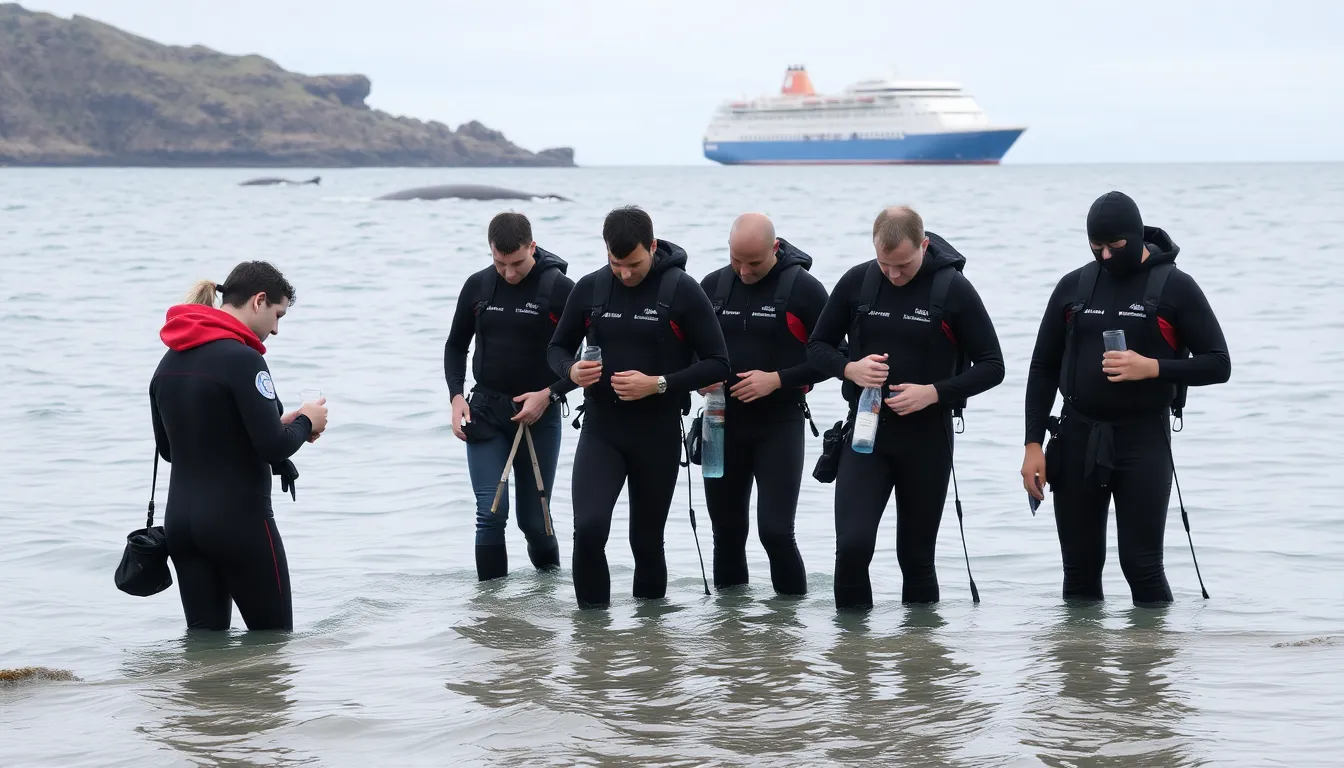
Historically, the Strait of Hormuz has been a critical chokepoint for oil shipments, with approximately 20% of the world’s oil passing through its waters. The ongoing tensions between Iran and Western nations, alongside conflicts in neighboring countries, have led to increased risks for maritime traffic. As a result, shipping companies are now opting for longer routes that bypass these high-risk areas, which, while safer for human life and cargo, have unforeseen environmental consequences.
One significant milestone in this context was the 2019 incidents involving attacks on oil tankers in the Strait of Hormuz, which heightened fears among shipping companies. In response, many vessels began to reroute around the Cape of Good Hope, significantly increasing travel times and fuel consumption. While this decision prioritizes the safety of crew and cargo, it raises concerns about the ecological impact on marine life, particularly large species such as whales that inhabit these alternative routes.
The ecological implications of shipping route changes
The diversion of ships to avoid conflict zones has led to increased maritime traffic in previously less-trafficked waters, raising alarms among marine biologists. To understand the broader implications of these changes, stakeholders are encouraged to consider effective solutions to address both safety and ecological impact.
Key stakeholders and the implications of ship traffic changes
The recent warnings from scientists regarding the potential harm to whale populations due to diverted shipping routes highlight a complex interplay of stakeholders. Key actors in this scenario include shipping companies, environmental organizations, regulatory bodies, and local communities, each with distinct interests and concerns.
Shipping companies are primarily focused on maintaining operational efficiency and minimizing costs. As geopolitical tensions prompt a shift in shipping routes away from the Middle East, these companies may prioritize speed and economic viability over environmental considerations. This can lead to increased ship traffic in previously less-trafficked waters, potentially disrupting marine ecosystems.
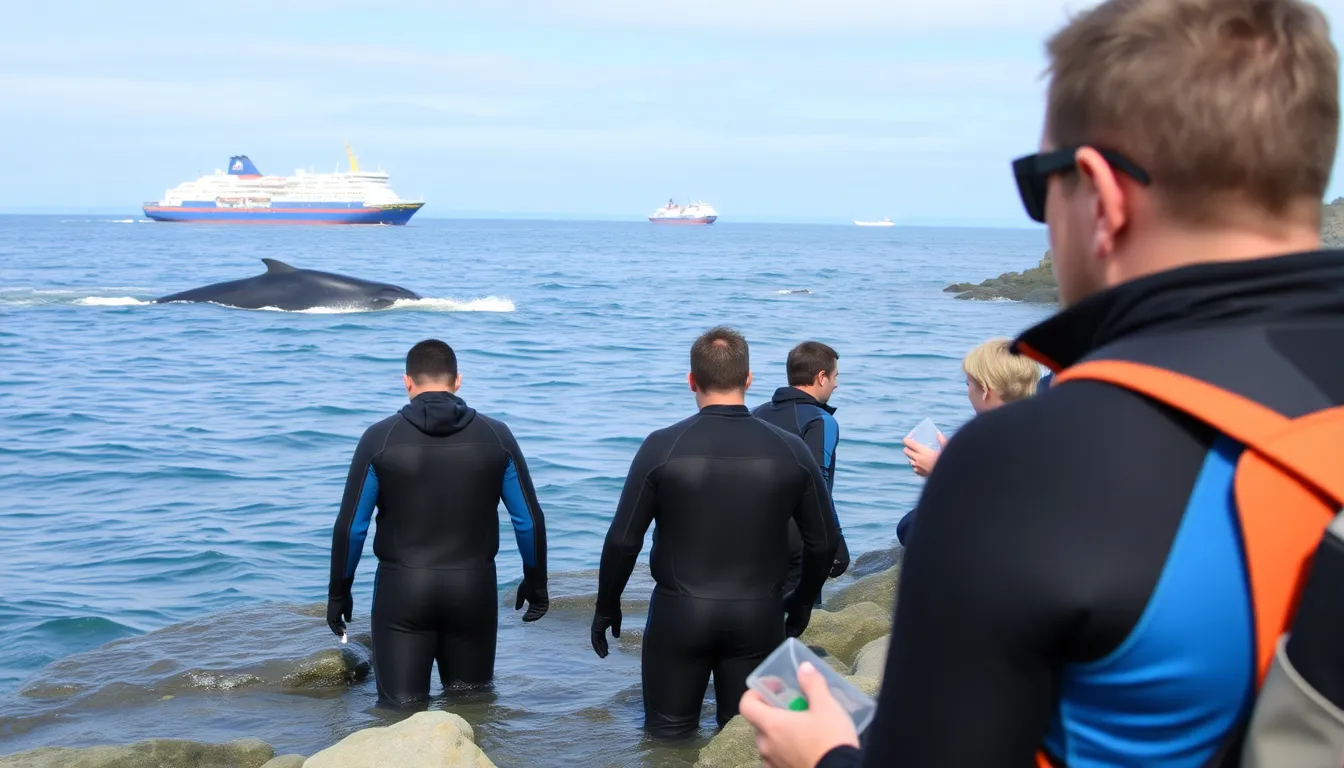
Environmental organizations advocate for the protection of marine wildlife, emphasizing the need for sustainable shipping practices. Their concerns center around the impact of increased noise pollution and ship strikes on whale populations, which could exacerbate already vulnerable species. These organizations often push for stricter regulations and greater accountability from shipping firms.
Regulatory bodies, including national and international maritime authorities, face the challenge of balancing economic interests with environmental protection. They must consider how changes in shipping routes affect marine biodiversity while also addressing the logistical needs of global trade. This balancing act often involves complex legal frameworks and economic implications for coastal communities reliant on fishing and tourism.
- Increased ship traffic may lead to higher risks of whale strikes, affecting population numbers.
- Environmental regulations may need to be updated to address new shipping patterns.
- Local economies could suffer if whale populations decline, impacting tourism and fishing industries.
- Shipping companies may face reputational risks if they are seen as harming marine life.
- Collaboration between stakeholders could lead to innovative solutions that mitigate environmental impacts.
Potential effects on marine life and shipping industries
The diversion of ships away from the Middle East due to geopolitical tensions could have significant repercussions for various stakeholders. Shipping companies must navigate the delicate balance between operational efficiency and the protection of vulnerable species such as whales, bringing attention to the urgent need for sustainable shipping practices.
Shipping industries will also feel the impact of these changes. As ships reroute to avoid the Middle East, they will likely face longer travel distances, resulting in higher fuel costs and extended delivery times. This could lead to increased shipping rates, which may be passed on to consumers, affecting pricing in various markets.
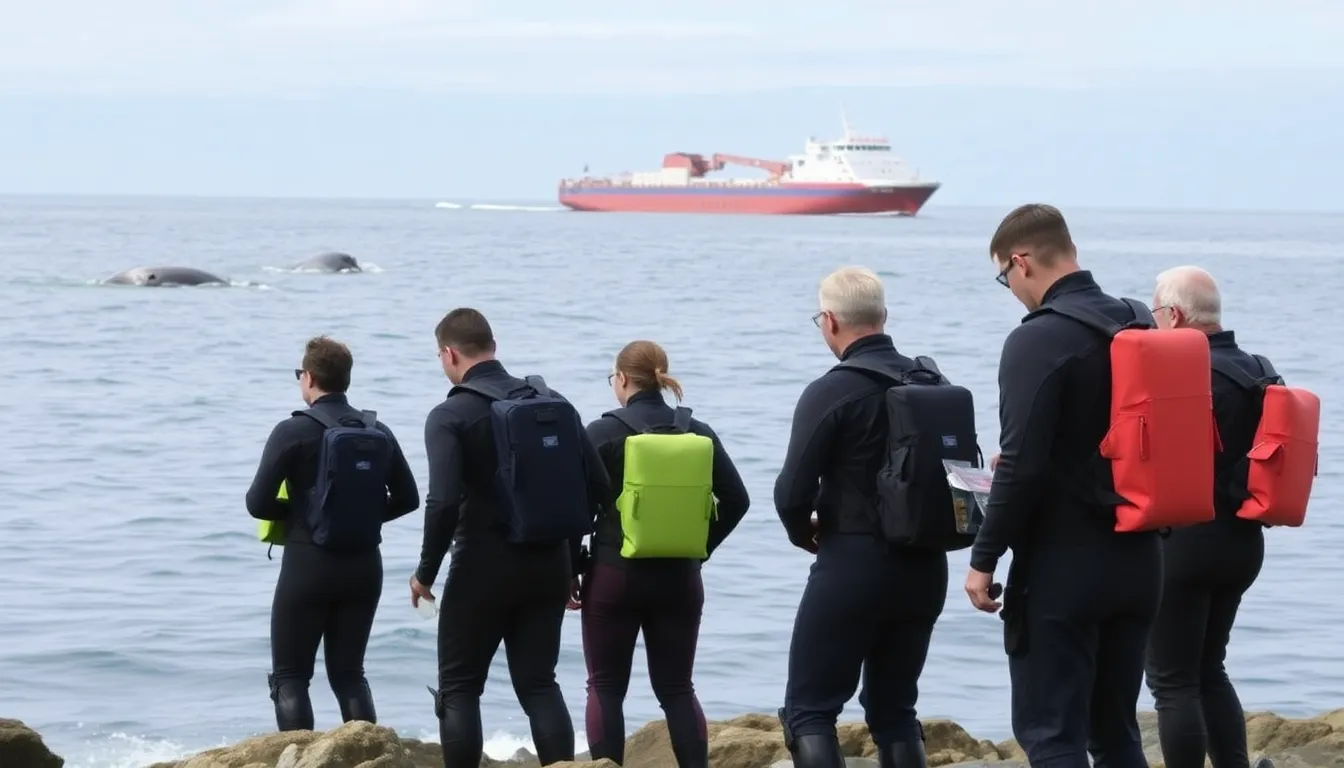
Regions that rely heavily on shipping for trade, such as Southeast Asia and parts of Europe, may experience disruptions in supply chains. The short-term impact could manifest as delays in the delivery of goods, while mid-term effects might include shifts in trade routes that could permanently alter regional economies.
- Risks: Increased ship strikes on whales, higher shipping costs, and potential disruptions in global supply chains.
- Opportunities: Development of new shipping routes, innovation in marine conservation efforts, and potential for increased awareness and funding for whale protection initiatives.
Policy implications may also arise as governments and environmental organizations advocate for measures to protect marine life. This could lead to stricter regulations on shipping practices and increased investment in technologies aimed at reducing the impact of shipping on marine ecosystems.
A: Ships are diverting primarily due to geopolitical tensions and increased piracy risks in the region, prompting safer navigation routes. A: The rerouting of ships can lead to increased noise pollution and ship strikes, which are harmful to whale populations that rely on echolocation. A: Implementing speed restrictions, creating marine protected areas, and using technology to monitor whale movements can help mitigate risks. A: Yes, there are various regulations aimed at reducing ship strikes and noise pollution, but enforcement and compliance vary by region. A: Scientists conduct research to understand the impacts of shipping on marine life and advocate for policy changes to enhance whale protection.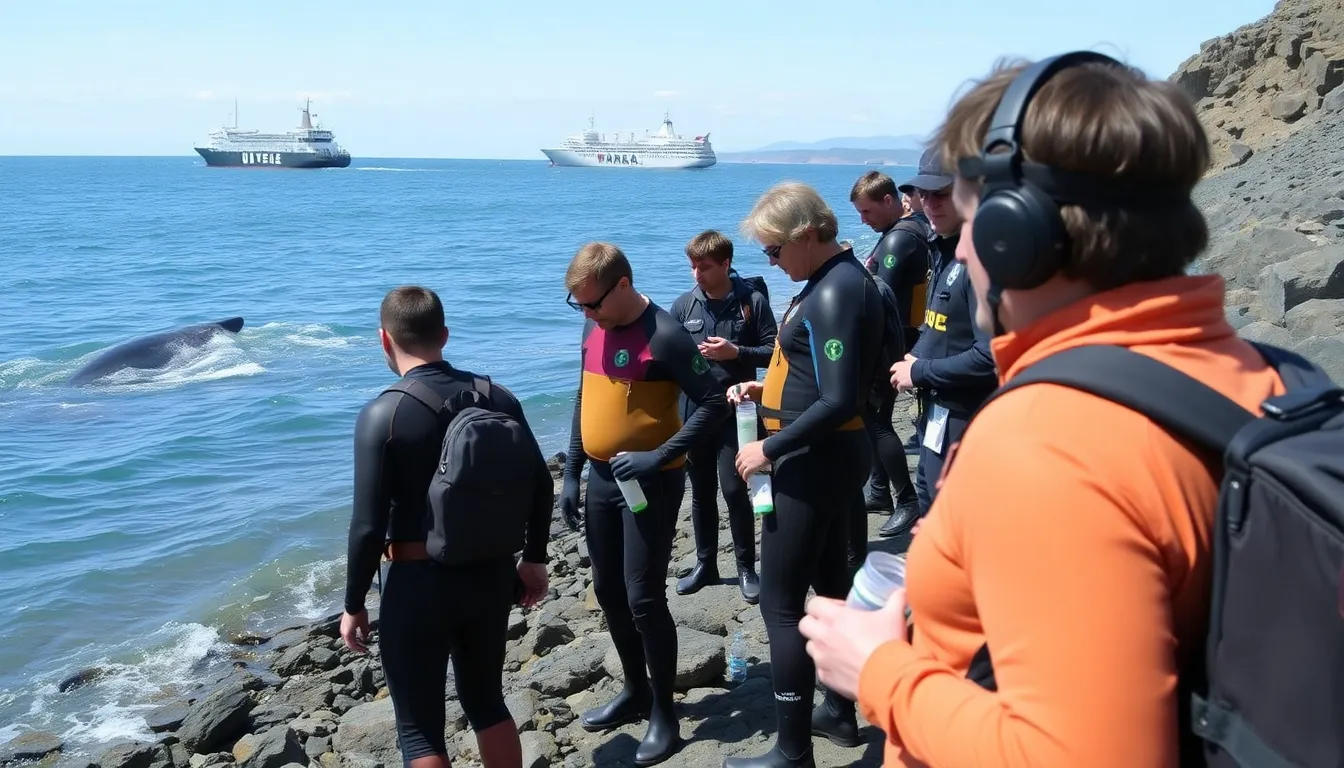
Frequently asked questions about ship diversions and whale safety
Looking ahead: the future of maritime routes and whale conservation
The shifting patterns of maritime traffic in response to geopolitical tensions in the Middle East raise significant concerns for marine life, particularly for whale populations. As vessels reroute to avoid conflict zones, the potential for increased ship strikes and noise pollution in previously quieter habitats becomes a pressing issue for conservationists. Understanding these dynamics is crucial for developing strategies that balance maritime trade with the protection of vulnerable species.
Future maritime policies must consider the ecological impact of shipping routes. Collaboration between governments, shipping companies, and environmental organizations will be essential to mitigate risks to whales while ensuring the efficiency of global trade. Proactive measures, such as establishing shipping lanes that minimize interaction with whale habitats, could play a vital role in safeguarding these majestic creatures.
- Monitor changes in shipping routes and their overlap with whale migration patterns to identify high-risk areas.
- Encourage the development of quieter ship technologies to reduce noise pollution that affects whale communication and navigation.
- Implement real-time tracking systems for vessels in sensitive marine areas to enhance response strategies for potential ship strikes.
- Promote international cooperation to establish marine protected areas that limit shipping traffic during critical whale breeding and feeding seasons.
- Advocate for more robust research funding to study the long-term impacts of altered shipping routes on marine ecosystems.